
Have you ever wondered how to effectively manage high blood sugar levels? In this article, you will explore various treatment options that can help you maintain healthy blood sugar levels and prevent complications associated with diabetes. By understanding the importance of lifestyle changes, medication, and regular monitoring, you will be equipped with the knowledge to take control of your health and live a fulfilling life. So, let’s delve into the world of high blood sugar treatment and discover the strategies that can make a significant difference in your well-being.

Dietary Measures
Understanding the Importance of Diet in High Blood Sugar Treatment
When it comes to managing high blood sugar levels, diet plays a crucial role in maintaining overall health and well-being. Your food choices can directly impact your blood sugar levels, and understanding the importance of a proper diet is key to effective treatment. By making conscious choices and following a diabetes-friendly meal plan, you can reduce the risk of complications and promote better blood sugar control.
Carbohydrate Counting and Glycemic Index
Carbohydrates are the primary source of energy in our diet, but they are also the main macronutrient that affects blood sugar levels. Carbohydrate counting is an essential tool in managing high blood sugar levels as it helps you determine the right amount of carbohydrates to consume in each meal. Additionally, the glycemic index (GI) provides valuable information about how different foods can impact blood sugar levels. Foods with a low GI are digested and absorbed more slowly, leading to a gradual rise in blood sugar levels. Incorporating low GI foods into your diet can help stabilize your blood sugar levels and prevent sudden spikes.
Eating Regular Small Meals
Instead of consuming large meals, it is more beneficial to eat smaller, more frequent meals throughout the day. This approach can help regulate blood sugar levels as it avoids large fluctuations and provides a consistent source of energy. By spacing out your meals and snacks, you can avoid overeating and promote better blood sugar control.
Importance of Fiber in the Diet
Fiber is a crucial component of a diabetes-friendly diet. It not only aids in digestion and promotes bowel regularity but also helps regulate blood sugar levels. Soluble fiber, in particular, slows down the absorption of sugars, leading to a more gradual rise in blood sugar levels. Adding high-fiber foods such as fruits, vegetables, whole grains, and legumes to your diet can improve blood sugar control and lower the risk of heart disease.
Choosing Healthy Fats
While it is important to limit the intake of saturated and trans fats, incorporating healthy fats into your diet is essential for overall health and blood sugar control. Healthy fats, such as those found in avocados, nuts, seeds, and olive oil, can help improve insulin sensitivity and promote better blood sugar management. Opting for these sources of healthy fats over unhealthy ones can have a positive impact on your blood sugar levels and overall health.
Limiting Sugary Foods and Beverages
Sugary foods and beverages can cause a rapid spike in blood sugar levels. It is important to limit or avoid these sugary temptations as part of your high blood sugar treatment. While occasional indulgence is acceptable, consistently consuming high amounts of added sugars can lead to long-term complications. Instead, opt for natural sources of sweetness, such as fresh fruits, to satisfy your sweet tooth while keeping your blood sugar levels stable.
Importance of Portion Control
Portion control is a crucial aspect of managing blood sugar levels. By being mindful of the amount of food you consume in each sitting, you can better manage your blood sugar levels and prevent overeating. It can be helpful to use smaller plates and measure your food portions to ensure you are eating the appropriate amount for your body’s needs.
Hydration and Its Impact on Blood Sugar Levels
Staying hydrated is important for everyone, but it holds particular significance for individuals with high blood sugar levels. Drinking an adequate amount of water helps your body flush out excess sugar through urine and can help lower blood sugar levels. It is recommended to consume at least 8 glasses of water per day and to be mindful of sugary drinks that can raise blood sugar levels.
Exercise and Physical Activity
Importance of Exercise in Managing High Blood Sugar Levels
Regular physical activity is a cornerstone of managing high blood sugar levels. Exercise helps your body use insulin more efficiently, which leads to better blood sugar control. Additionally, exercise can improve cardiovascular health, promote weight loss, and reduce stress levels – all of which are important factors in managing high blood sugar levels.
Aerobic Exercises to Lower Blood Sugar
Aerobic exercises, such as walking, jogging, swimming, cycling, and dancing, are effective in lowering blood sugar levels. These exercises increase your heart rate and require sustained physical effort, which helps your body utilize glucose more efficiently. Aim for at least 150 minutes of moderate-intensity aerobic exercise per week to significantly impact your blood sugar control.
Resistance Training for Better Blood Sugar Control
In addition to aerobic exercises, incorporating resistance training into your routine can further improve blood sugar control. Resistance training, such as weightlifting or using resistance bands, helps build lean muscle mass, which can enhance insulin sensitivity. Including two to three sessions of resistance training per week can have significant benefits for managing high blood sugar levels.
Stretching and Flexibility Exercises
While aerobic and resistance exercises are crucial, do not underestimate the importance of stretching and flexibility exercises. These activities improve muscle flexibility, enhance joint mobility, and help prevent injuries. Stretching exercises should be performed before and after your workouts to warm up your muscles and promote blood circulation.
Daily Physical Activity Recommendations for Blood Sugar Management
To effectively manage high blood sugar levels, aim for at least 30 minutes of moderate-intensity exercise most days of the week. This can include a combination of aerobic exercises, resistance training, and stretching exercises. Remember to consult with your healthcare provider before starting any exercise program, especially if you have any underlying health conditions.
Medications and Insulin
Oral Medications to Lower High Blood Sugar
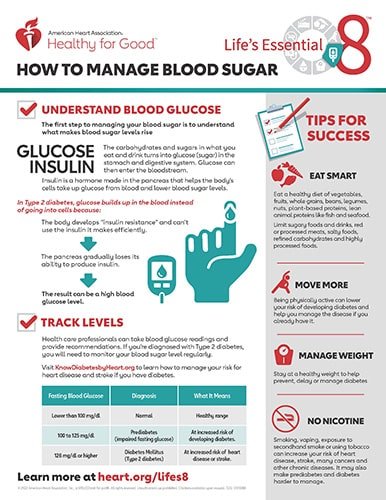
In some cases, lifestyle modifications alone may not be sufficient to manage high blood sugar levels. Oral medications can be prescribed to help lower blood sugar levels and improve insulin sensitivity. These medications work by different mechanisms, such as stimulating insulin production or reducing glucose production in the liver. It is important to take these medications as prescribed by your healthcare provider and regularly monitor your blood sugar levels to ensure they are working effectively.
Injectable Medications for Blood Sugar Control
For individuals with more advanced cases of high blood sugar, injectable medications may be necessary. Injectable medications, such as incretin mimetics or amylin analogs, can help regulate blood sugar levels by increasing insulin secretion, decreasing glucagon production, or slowing down stomach emptying. These medications are typically administered through injections and should be used under the guidance of a healthcare professional.
Insulin Therapy for Managing High Blood Sugar Levels
Insulin therapy is a commonly used treatment for individuals with high blood sugar levels. Insulin, a hormone produced by the pancreas, helps regulate blood sugar levels by allowing cells to use glucose for energy. In cases where the body does not produce enough insulin or becomes resistant to its effects, insulin therapy becomes necessary. There are different types of insulin available, and your healthcare provider will determine the appropriate dosage and administration technique based on your specific needs.
Understanding the Role of Insulin in Diabetes Management
Insulin plays a vital role in diabetes management as it allows glucose to enter cells and provides the body with energy. For individuals with high blood sugar levels, the body either does not produce enough insulin or is unable to use it effectively. Insulin therapy helps replace or supplement the body’s natural insulin production and ensures that blood sugar levels are maintained within a healthy range.
Types of Insulin and Their Effects on Blood Sugar
Different types of insulin have varying effects on blood sugar levels. Rapid-acting insulin starts working within minutes and is usually taken just before meals to manage the rise in blood sugar that occurs after eating. Short-acting insulin takes effect within 30 minutes and lasts for a few hours. Intermediate-acting insulin has a more prolonged effect and can regulate blood sugar levels for up to 24 hours. Long-acting insulin provides a baseline level of insulin throughout the day and night. Based on your individual needs, your healthcare provider will determine the most suitable type and dosage of insulin for you.
Monitoring Blood Sugar Levels
Understanding the Importance of Regular Blood Sugar Monitoring
Regular blood sugar monitoring is essential for individuals with high blood sugar levels. Monitoring allows you to track your blood sugar levels and assess the effectiveness of your treatment plan. It helps you identify patterns, understand how certain foods or activities affect your blood sugar, and make necessary adjustments to your lifestyle and medication regimen.
Different Methods of Blood Sugar Testing
There are several methods available for blood sugar testing. The most common method is finger-prick testing, where you use a lancet to obtain a small drop of blood and test it with a glucose meter. Continuous glucose monitoring (CGM) systems provide real-time information about your blood sugar levels throughout the day by using a small sensor inserted under the skin. CGM systems can help you visualize trends and make informed decisions about your treatment plan.
Frequency and Timing of Blood Sugar Checks
The frequency and timing of blood sugar checks may vary depending on individual needs and treatment plans. Generally, it is recommended to check your blood sugar levels before meals and at bedtime. Your healthcare provider will provide specific guidelines regarding when and how often you should test your blood sugar based on factors such as your current medication regimen and treatment goals.
Interpreting Blood Sugar Readings and Target Ranges
Understanding and interpreting blood sugar readings is crucial for effective blood sugar management. Normal blood sugar levels typically range between 70 to 130 mg/dL before meals and below 180 mg/dL two hours after meals. However, individual target ranges may vary based on factors such as age, overall health, and treatment goals. It is important to discuss your target ranges with your healthcare provider to ensure optimal blood sugar control.
Stress Management
The Impact of Stress on Blood Sugar Levels
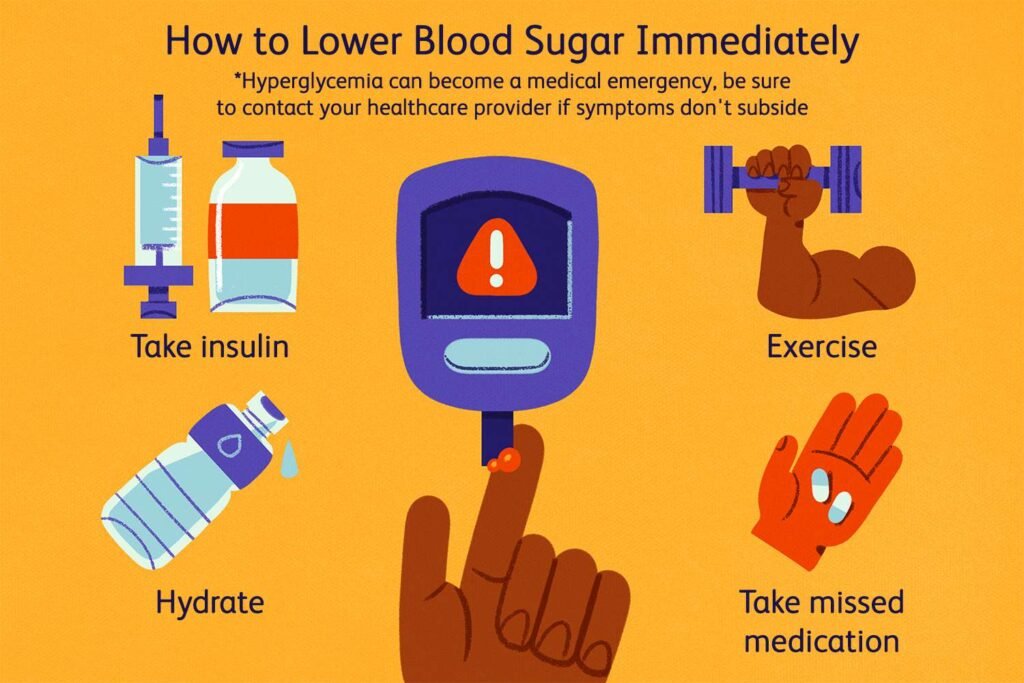
Stress, whether physical or emotional, can significantly impact blood sugar levels. In times of stress, the body releases stress hormones that increase blood sugar levels as part of the fight-or-flight response. Chronic stress can disrupt blood sugar control and increase the risk of developing complications. It is important to recognize and effectively manage stress to maintain stable blood sugar levels.
Effective Stress Management Techniques for Lowering Blood Sugar
There are various stress management techniques that can help lower blood sugar levels and promote overall well-being. Engaging in regular physical activity, practicing relaxation techniques such as deep breathing or meditation, and seeking support from friends, family, or support groups can all be effective strategies for managing stress. Finding healthy ways to cope with stress not only benefits your blood sugar control but also enhances your overall quality of life.
Engaging in Relaxation Techniques and Mindfulness
Relaxation techniques such as deep breathing exercises and mindfulness practices can be powerful tools in managing stress and lowering blood sugar levels. Taking a few minutes each day to engage in these practices can help calm the mind, reduce stress hormone levels, and improve blood sugar control. Incorporate relaxation techniques and mindfulness into your daily routine to create a sense of balance and well-being.
Sleep and Rest
Understanding the Link Between Sleep, Rest, and Blood Sugar
Sleep and rest play a vital role in blood sugar control. Lack of sleep and poor-quality sleep can disrupt the hormonal balance in the body, leading to insulin resistance and higher blood sugar levels. On the other hand, adequate sleep and rest promote better insulin sensitivity, lower stress levels, and improve overall blood sugar control. It is crucial to prioritize and optimize your sleep and rest to effectively manage high blood sugar levels.
Importance of Adequate Sleep for Blood Sugar Control
Adequate sleep is essential for blood sugar control and overall health. The recommended amount of sleep varies for individuals, but most adults require between seven to nine hours of sleep per night. By creating a consistent sleep schedule, optimizing your sleep environment, and practicing good sleep hygiene, you can enhance your body’s ability to regulate blood sugar levels and maintain overall well-being.
Strategies for Improving Sleep Quality and Quantity
To improve sleep quality and quantity, it is helpful to establish a bedtime routine and create a sleep-friendly environment. Establish a regular sleep schedule by going to bed and waking up at the same time each day. Ensure that your sleep environment is cool, dark, and quiet to promote optimal sleep. Avoid stimulating activities and electronic devices before bed, and create a relaxing bedtime routine, such as taking a warm bath or reading a book, to signal to your body that it is time to unwind and prepare for sleep.
Weight Management
Understanding the Link Between Weight and Blood Sugar
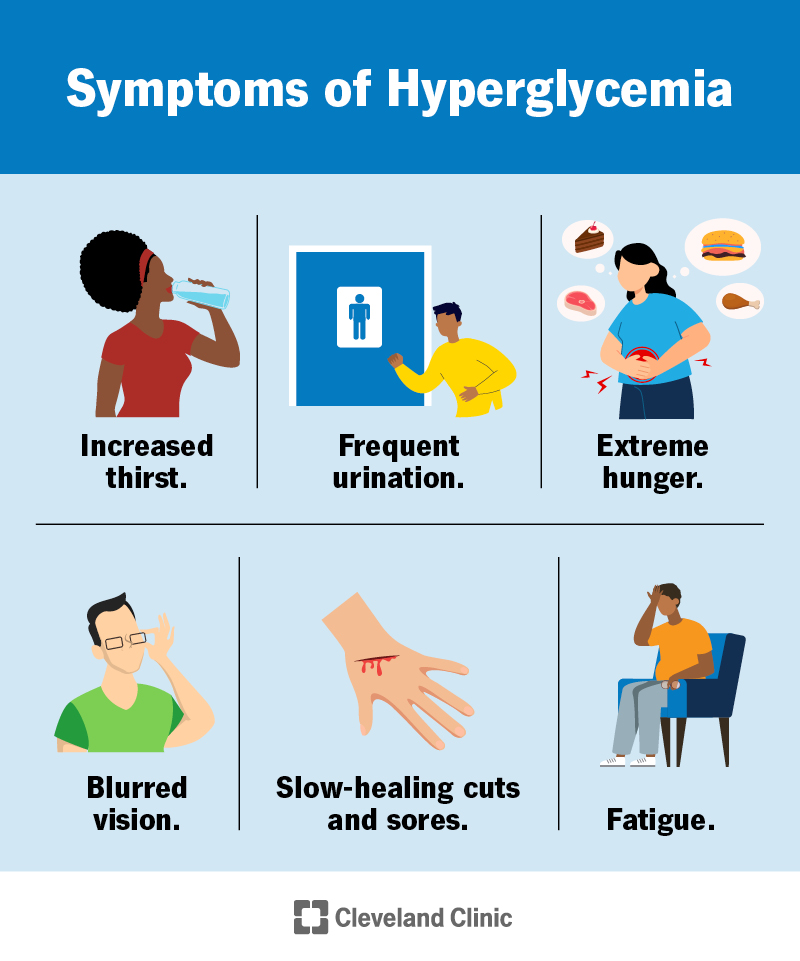
Maintaining a healthy weight is essential for managing high blood sugar levels. Excess weight, especially around the abdomen, can increase insulin resistance and make blood sugar control more challenging. Losing weight can improve insulin sensitivity, enhance blood sugar control, and reduce the risk of developing complications associated with high blood sugar levels.
Weight Loss Strategies for Improving Blood Sugar Control
If you are overweight or obese, losing weight can significantly impact your blood sugar control. It is important to approach weight loss in a healthy and sustainable way. Incorporating a balanced diet that includes nutrient-dense foods and controlling portion sizes can help you achieve weight loss goals. Regular physical activity is also essential in promoting weight loss and maintaining a healthy weight.
Importance of a Balanced Diet and Regular Exercise for Weight Management
To effectively manage weight, a balanced diet and regular exercise are key. A diet rich in whole foods, including fruits, vegetables, lean proteins, and whole grains, can provide essential nutrients while keeping calorie intake in check. Engaging in regular physical activity not only helps burn calories but also improves overall health and well-being. By adopting a balanced diet and exercise routine, you can achieve and maintain a healthy weight, which in turn helps manage high blood sugar levels.
Alternative Therapies
Herbal and Natural Remedies for Blood Sugar Control
While it is always important to consult with your healthcare provider before trying any alternative therapies, there are some herbal and natural remedies that have shown promise in blood sugar control. Certain herbs and spices, such as cinnamon, ginger, and turmeric, have been studied for their potential to improve insulin sensitivity and regulate blood sugar levels. However, it is important to remember that these remedies should not replace conventional medical treatment but can be used as complementary strategies under professional guidance.
Acupuncture and Acupressure in Diabetes Management
Acupuncture and acupressure are traditional Chinese medicine techniques that have gained popularity in managing diabetes. These practices involve stimulating specific points on the body, either with thin needles (acupuncture) or through pressure (acupressure). While research on the effectiveness of acupuncture and acupressure in blood sugar control is ongoing, some studies suggest that these techniques may help improve insulin sensitivity and promote better blood sugar management.
Mind-Body Therapies for Lowering Blood Sugar
Mind-body therapies, such as yoga, tai chi, and meditation, can be beneficial in managing high blood sugar levels. These practices combine physical movements, controlled breathing, and mindfulness techniques to promote relaxation and reduce stress. By incorporating mind-body therapies into your routine, you can enhance your overall well-being, manage stress, and improve blood sugar control.
Complications and Prevention
Identifying and Managing Complications of High Blood Sugar
High blood sugar levels can lead to various complications if left untreated or uncontrolled. Some common complications include heart disease, stroke, nerve damage, kidney disease, and vision problems. It is crucial to identify and manage these complications by working closely with your healthcare provider and following a comprehensive treatment plan. Regular monitoring and regular medical check-ups are essential in detecting and managing any potential complications.
Preventing Long-Term Complications
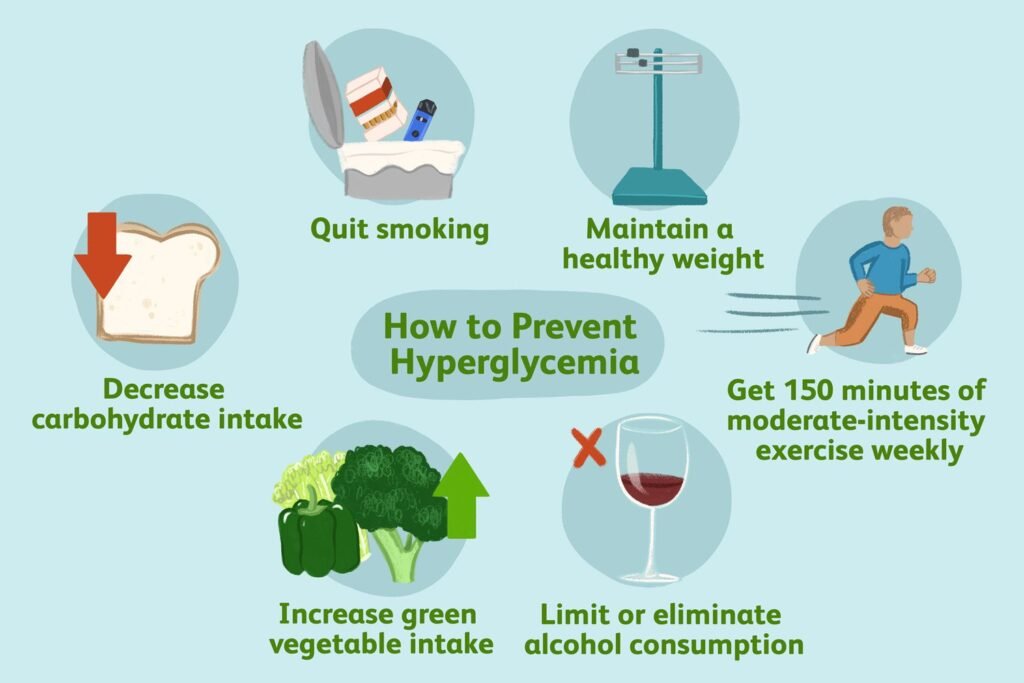
Prevention is key when it comes to long-term complications associated with high blood sugar levels. By effectively managing your blood sugar levels, following a healthy lifestyle, and adhering to your prescribed treatment plan, you can reduce the risk of developing complications. Regular exercise, a balanced diet, blood sugar monitoring, and medication adherence are all essential components in preventing long-term complications.
Importance of Regular Medical Check-ups
Regular medical check-ups are vital for individuals with high blood sugar levels. These check-ups allow your healthcare provider to assess your overall health, monitor your blood sugar control, and detect any potential complications. During these visits, your healthcare provider may conduct blood tests, assess your medication needs, provide guidance on lifestyle modifications, and address any concerns or questions you may have. It is important to attend these appointments regularly and actively participate in your own healthcare.
Lifestyle Modifications
Smoking Cessation for Better Blood Sugar Control
If you are a smoker with high blood sugar levels, quitting smoking is crucial for better blood sugar control and overall health. Smoking not only increases the risk of developing complications associated with high blood sugar levels but also directly affects blood vessels and reduces insulin sensitivity. Quitting smoking improves blood vessel function, reduces inflammation, and enhances blood sugar control. Seek support from healthcare professionals, support groups, or smoking cessation programs to successfully quit smoking.
Reducing Alcohol Consumption
Excessive alcohol consumption can negatively impact blood sugar control and overall health. Alcohol contains empty calories, which can contribute to weight gain and increased blood sugar levels. Moreover, alcohol can interfere with certain medications used to manage high blood sugar levels. It is important to moderate your alcohol intake and seek guidance from your healthcare provider on the appropriate amount of alcohol that can be safely consumed.
Effects of Caffeine on Blood Sugar Levels
Caffeine, found in coffee, tea, energy drinks, and some soft drinks, can influence blood sugar levels. While caffeine itself does not significantly affect blood sugar, it can indirectly impact blood sugar control by affecting insulin sensitivity and increasing cortisol levels. It is important to be mindful of your caffeine intake and monitor how it affects your blood sugar levels. If you notice any significant fluctuations, it may be necessary to adjust your consumption or consult with your healthcare provider.
Managing High Blood Pressure and Cholesterol Levels
High blood sugar levels often coexist with high blood pressure and high cholesterol levels, increasing the risk of cardiovascular complications. It is important to manage all three conditions simultaneously through lifestyle modifications and medication if necessary. Adhering to a healthy diet, engaging in regular physical activity, and taking medication as prescribed are essential in maintaining optimal blood pressure, cholesterol, and blood sugar levels. Regular check-ups with your healthcare provider will help monitor and manage these aspects of your health effectively.
In conclusion, effective high blood sugar treatment involves a comprehensive approach that addresses various aspects of your lifestyle. By understanding the importance of diet, exercise, medications, blood sugar monitoring, stress management, sleep, weight management, and lifestyle modifications, you can take control of your blood sugar levels and reduce the risk of complications. Remember to work closely with your healthcare provider to develop a personalized treatment plan that suits your specific needs and continually monitor your progress to ensure optimal blood sugar control and overall well-being.