
Menopause is a natural biological process that marks the end of a woman’s reproductive years. It typically occurs between the ages of 45 and 55, although some women may experience it earlier or later. This transition is characterized by a significant decrease in the production of hormones such as estrogen and progesterone, which play crucial roles in regulating the menstrual cycle and overall reproductive health.
As you approach menopause, your body undergoes various changes that can affect not only your physical health but also your emotional well-being. Understanding menopause is essential for navigating this life stage with confidence and grace. It is not merely an end but a new beginning, often accompanied by a range of experiences that can vary widely from one woman to another.
Some may find this transition liberating, while others may struggle with the accompanying symptoms. By educating yourself about what to expect during menopause, you can better prepare for the changes ahead and take proactive steps to manage any challenges that arise.
Key Takeaways
- Menopause is a natural biological process that marks the end of a woman’s menstrual cycles and fertility.
- Common symptoms of menopause include hot flashes, night sweats, mood swings, and vaginal dryness.
- Lifestyle changes such as regular exercise, healthy diet, and stress management can help manage menopausal symptoms.
- Herbal remedies like black cohosh and red clover may provide relief from menopausal symptoms, but should be used with caution and under professional guidance.
- Dietary changes such as increasing calcium and vitamin D intake, and reducing caffeine and alcohol consumption can help alleviate menopausal symptoms.
Common Symptoms of Menopause
As you enter menopause, you may encounter a variety of symptoms that can impact your daily life. Hot flashes are perhaps the most well-known symptom, characterized by sudden feelings of warmth that can spread throughout your body, often accompanied by sweating and a rapid heartbeat. These episodes can be unpredictable and may occur during the day or night, leading to sleep disturbances and fatigue.
Understanding that these symptoms are a normal part of the menopausal transition can help you cope with them more effectively. In addition to hot flashes, you might experience mood swings, irritability, and anxiety. The hormonal fluctuations during menopause can affect your emotional state, making it essential to recognize these changes as part of the process.
Other common symptoms include vaginal dryness, changes in libido, and difficulty concentrating, often referred to as “brain fog.” By acknowledging these symptoms and discussing them openly with friends or healthcare providers, you can find support and strategies to alleviate their impact on your life.
Lifestyle Changes for Managing Menopause

Making lifestyle changes can significantly improve your experience during menopause. One of the most effective strategies is to prioritize self-care. This includes establishing a consistent sleep routine, as quality rest is crucial for managing mood swings and fatigue.
Creating a calming bedtime environment and practicing relaxation techniques before sleep can help you achieve better rest. Additionally, consider incorporating mindfulness practices such as meditation or yoga into your daily routine to promote emotional balance and reduce stress. Another important aspect of managing menopause is staying socially connected.
Engaging with friends and family can provide emotional support and help combat feelings of isolation that may arise during this transition. Participating in group activities or joining support groups specifically for women experiencing menopause can foster a sense of community and shared understanding. By surrounding yourself with supportive individuals, you can navigate this phase of life with greater ease and resilience.
Herbal Remedies for Menopause
Herbal remedies have gained popularity as natural alternatives for managing menopausal symptoms. Many women turn to these options in search of relief from hot flashes, mood swings, and other discomforts associated with this transition. One commonly used herb is black cohosh, which has been shown in some studies to alleviate hot flashes and improve overall well-being.
Another option is red clover, which contains phytoestrogens that may help balance hormone levels. While herbal remedies can be beneficial, it’s essential to approach them with caution. Not all herbal supplements are created equal, and their effectiveness can vary from person to person.
Before incorporating any new herbal remedy into your routine, consult with a healthcare professional to ensure it is safe for you and won’t interact with any medications you may be taking. By taking an informed approach to herbal remedies, you can explore natural options for managing your menopausal symptoms while prioritizing your health.
Dietary Changes for Menopause
Your diet plays a crucial role in managing menopausal symptoms and promoting overall health during this transition. Incorporating nutrient-dense foods into your meals can help alleviate some discomforts associated with menopause. Focus on consuming plenty of fruits, vegetables, whole grains, and lean proteins to provide your body with essential vitamins and minerals.
Foods rich in calcium and vitamin D are particularly important for maintaining bone health, as the risk of osteoporosis increases after menopause. In addition to focusing on nutrient-rich foods, consider reducing your intake of processed foods, caffeine, and alcohol. These substances can exacerbate symptoms such as hot flashes and mood swings.
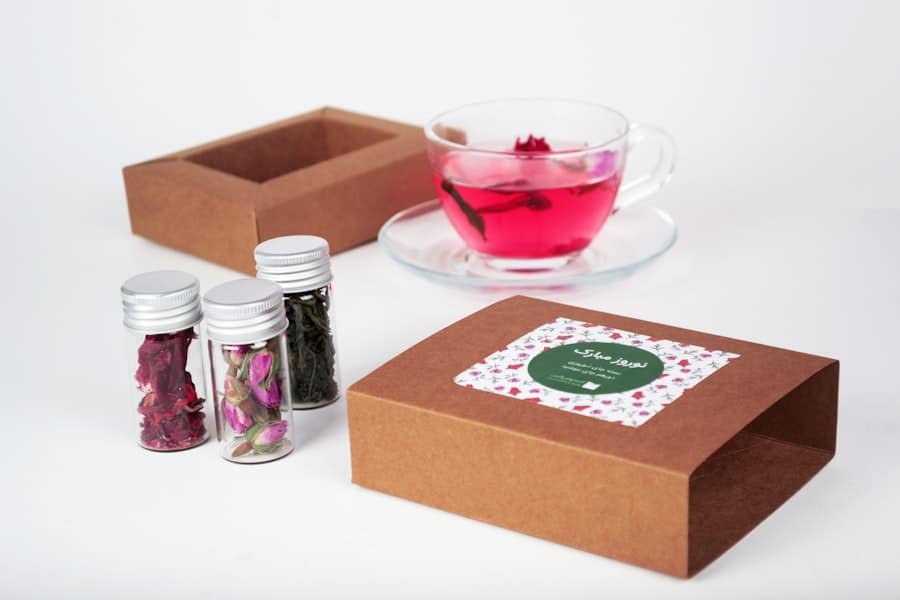
Instead, opt for herbal teas or water infused with fruits for hydration without the added caffeine. By making mindful dietary choices, you can support your body through this transition and enhance your overall well-being.
Exercise and Physical Activity for Menopause
Regular physical activity is another vital component of managing menopause effectively. Engaging in exercise not only helps maintain a healthy weight but also improves mood and reduces stress levels. Aim for a combination of aerobic exercises, strength training, and flexibility workouts to promote overall fitness.
Activities such as walking, swimming, or cycling can be enjoyable ways to stay active while reaping the benefits of cardiovascular health. Incorporating strength training into your routine is particularly important during menopause, as it helps combat muscle loss associated with aging and hormonal changes. Additionally, activities like yoga or Pilates can enhance flexibility and promote relaxation, making them excellent choices for managing stress and anxiety during this transitional period.
By prioritizing physical activity, you empower yourself to navigate menopause with greater vitality and resilience.
Stress Management Techniques for Menopause
Managing stress effectively is crucial during menopause, as hormonal fluctuations can heighten feelings of anxiety and irritability. Implementing stress management techniques into your daily routine can help you maintain emotional balance and improve your overall quality of life. Mindfulness practices such as meditation or deep breathing exercises can be particularly beneficial in calming the mind and reducing stress levels.
Another effective technique is journaling, which allows you to express your thoughts and feelings freely. Writing about your experiences during menopause can provide clarity and help you process any emotions that arise. Additionally, consider exploring creative outlets such as painting or crafting as a means of relaxation and self-expression.
By finding healthy ways to cope with stress, you can enhance your emotional well-being during this transformative phase of life.
Seeking Professional Help for Severe Symptoms
While many women experience manageable symptoms during menopause, some may find their symptoms overwhelming or disruptive to their daily lives. If you find yourself struggling with severe symptoms such as intense mood swings, debilitating hot flashes, or significant changes in libido, it may be time to seek professional help. A healthcare provider specializing in women’s health can offer guidance tailored to your specific needs.
There are various treatment options available for managing severe menopausal symptoms, including hormone replacement therapy (HRT) or non-hormonal medications that target specific issues like hot flashes or mood disturbances. Your healthcare provider can help you weigh the benefits and risks associated with these treatments based on your individual health history and preferences. Remember that seeking help is a sign of strength; by addressing severe symptoms proactively, you can reclaim control over your well-being during this significant life transition.
In conclusion, understanding menopause is the first step toward navigating this natural transition with confidence. By recognizing common symptoms and implementing lifestyle changes, dietary adjustments, exercise routines, stress management techniques, and seeking professional help when necessary, you can empower yourself to embrace this new chapter in life positively. Remember that every woman’s experience is unique; by prioritizing self-care and seeking support when needed, you can thrive during menopause and beyond.
FAQs
What is menopause?
Menopause is a natural biological process that marks the end of a woman’s menstrual cycles. It is diagnosed after 12 consecutive months without a menstrual period.
What are the symptoms of menopause?
Common symptoms of menopause include hot flashes, night sweats, mood swings, vaginal dryness, and sleep disturbances.
What are home remedies for managing menopause symptoms?
Home remedies for managing menopause symptoms include maintaining a healthy diet, regular exercise, practicing relaxation techniques such as yoga or meditation, staying hydrated, and getting enough sleep.
Can certain foods help with menopause symptoms?
Yes, certain foods such as soy products, flaxseeds, and fatty fish rich in omega-3 fatty acids may help alleviate menopause symptoms.
Are there any herbal remedies for menopause symptoms?
Some women find relief from menopause symptoms by using herbal remedies such as black cohosh, red clover, and evening primrose oil. However, it’s important to consult with a healthcare professional before using herbal remedies.
What lifestyle changes can help with menopause symptoms?
Lifestyle changes such as quitting smoking, limiting alcohol consumption, and managing stress can help alleviate menopause symptoms.
When should I see a doctor about my menopause symptoms?
It’s important to see a doctor if menopause symptoms are significantly impacting your quality of life or if you have concerns about managing your symptoms. A doctor can provide guidance and recommend appropriate treatment options.