
Are you one of the millions of people who suffer from tinnitus? If so, you may be wondering how different forms of treatment, like sound therapy and counseling, can work together to provide better outcomes. Tinnitus, the perception of ringing or buzzing in the ears, can be a frustrating and debilitating condition. However, with the right combination of treatments, relief is possible. This article will explore how sound therapy and counseling can complement each other and contribute to improved outcomes for tinnitus sufferers. Whether it’s through the use of specialized sound machines or talk therapy to address the emotional impact of tinnitus, understanding how these treatments work together can offer hope for those seeking relief.

Overview of Tinnitus
Definition of Tinnitus
Tinnitus refers to the perception of sound in the ears or head without any external source. It is often described as a ringing, buzzing, hissing, or clicking sound. This condition can vary in intensity and duration, and it can have a significant impact on an individual’s quality of life.
Prevalence of Tinnitus
Tinnitus is a prevalent condition, affecting millions of people worldwide. It can occur in individuals of all ages, although it is more common in older adults. According to research, approximately 10-15% of the global population experiences chronic tinnitus, while around 20% experience it at some point in their lives.
Causes of Tinnitus
Tinnitus can have various underlying causes. It is often associated with damage to the auditory system, such as exposure to loud noise, age-related hearing loss, or certain medical conditions. Other factors, including stress, ototoxic medications, and head or neck injuries, can also contribute to the development of tinnitus.
Symptoms of Tinnitus
The primary symptom of tinnitus is the perception of sound that is not present in the external environment. Individuals with tinnitus may experience a range of symptoms, including annoyance, difficulty concentrating, sleep disturbances, and even psychological distress. The severity and impact of these symptoms can vary greatly from person to person.
Introduction to Tinnitus Treatment
Goals of Tinnitus Treatment
The primary goals of tinnitus treatment are to reduce the perception and impact of tinnitus on an individual’s daily life. This involves improving the quality of life, reducing distress, and enhancing coping strategies. While there is no cure for tinnitus, various treatment approaches can effectively manage the symptoms and provide relief to the affected individuals.
Different Forms of Tinnitus Treatment
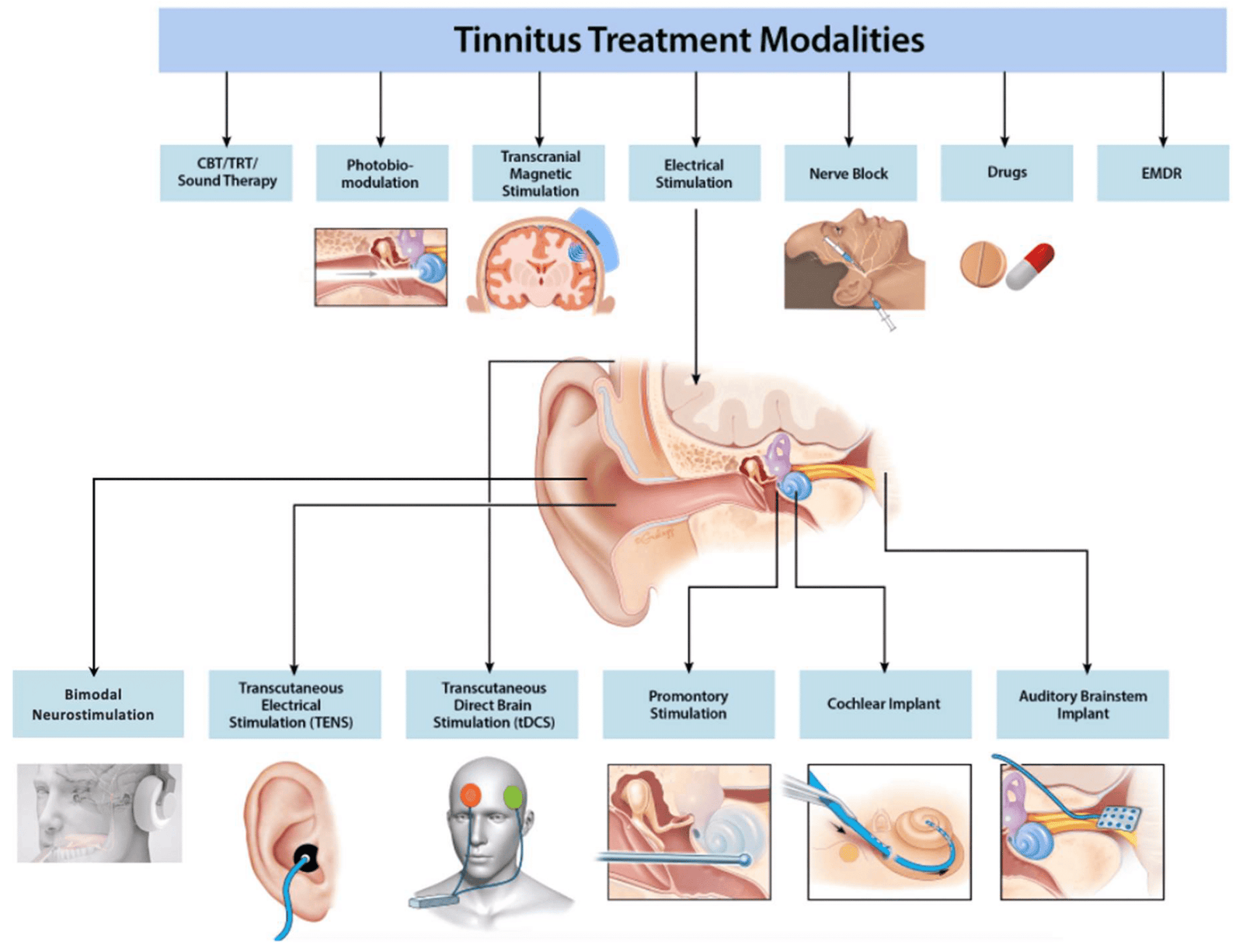
Tinnitus treatment can encompass a wide range of approaches, including sound therapy, counseling, medical interventions, and lifestyle changes. In recent years, there has been growing recognition of the benefits of combining different treatment modalities to achieve better outcomes for individuals with tinnitus. This multidisciplinary approach takes into account the complex nature of the condition and the unique needs of each individual.
Importance of Combination Therapy
Combining different forms of tinnitus treatment, such as sound therapy and counseling, can lead to more comprehensive care and better outcomes for patients. By addressing both the physiological and psychological aspects of tinnitus, combination therapy aims to provide a holistic approach that considers the individual as a whole. This integrated approach acknowledges that tinnitus is a complex condition with multiple contributing factors and requires a multidimensional treatment approach.
Sound Therapy
Explanation of Sound Therapy
Sound therapy is a widely used treatment approach for tinnitus management. It involves the use of external sounds or noise to mask or distract from the perception of tinnitus. The goal of sound therapy is to reduce the contrast between the tinnitus sound and the background noise, thereby reducing the individual’s focus and attention on the tinnitus.
Types of Sound Therapy
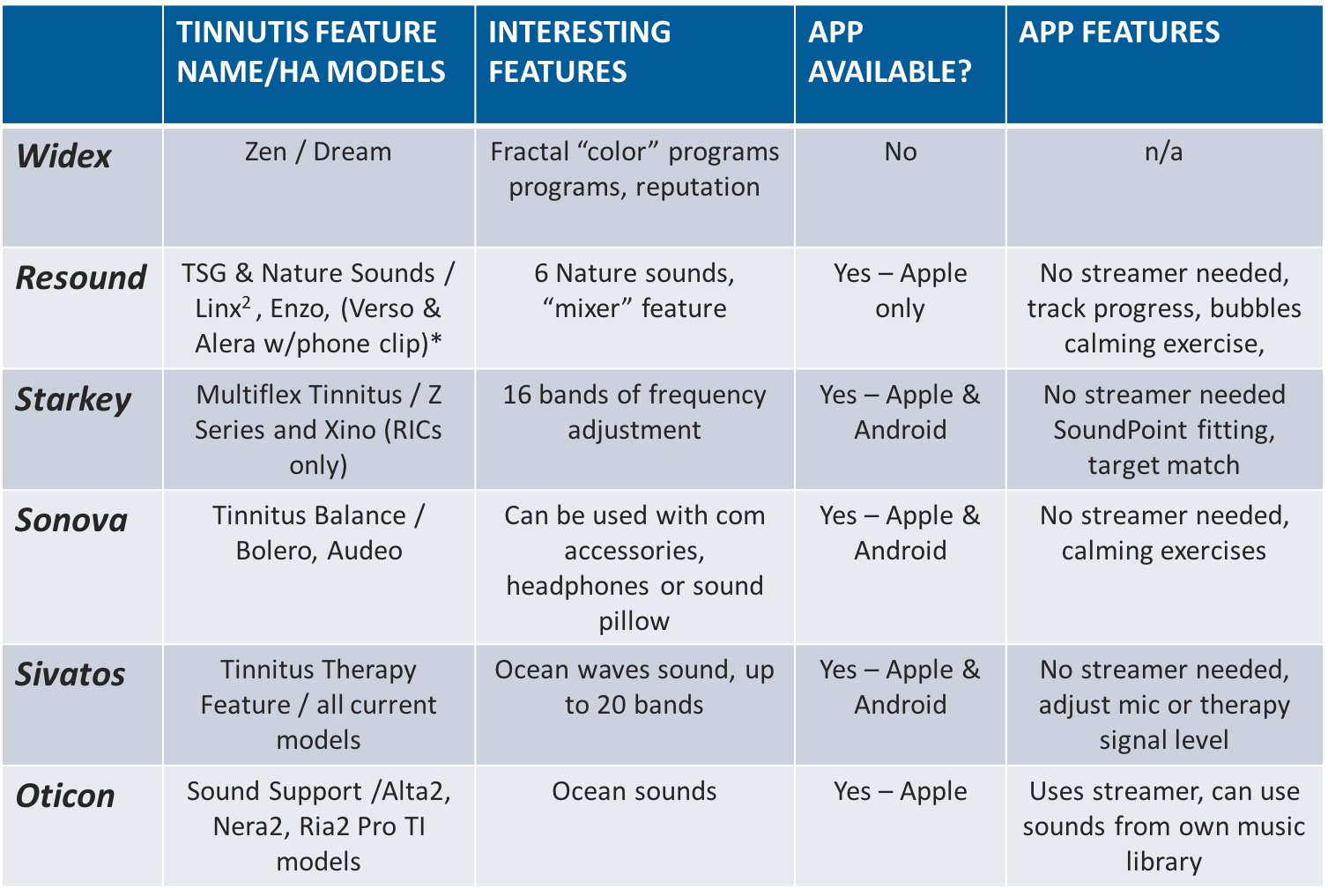
There are several types of sound therapy that can be used in the treatment of tinnitus. These include wearable devices such as hearing aids or sound generators, environmental sound machines, smartphone applications, and customized sound therapy programs. The choice of sound therapy depends on the individual’s specific needs and preferences.
Mechanism of Action
Sound therapy works by providing a soothing and pleasant sound that helps to reduce the perception of tinnitus. By introducing external sounds into the individual’s environment, sound therapy aims to create a more balanced auditory experience and shift the focus away from the tinnitus sound. This can help to alleviate distress and improve the individual’s ability to habituate to the tinnitus over time.
Benefits of Sound Therapy
Sound therapy has been shown to provide numerous benefits for individuals with tinnitus. It can help to reduce the perception and annoyance of tinnitus, improve sleep quality, enhance concentration, and promote relaxation. Sound therapy can also provide a sense of control over tinnitus and empower individuals to better manage their symptoms.
Counseling
Role of Counseling in Tinnitus Treatment
Counseling plays a crucial role in tinnitus treatment by addressing the psychological and emotional impact of the condition. It provides individuals with a safe space to express their concerns, emotions, and frustrations related to tinnitus. Counseling also helps individuals develop coping strategies, improve their understanding of tinnitus, and develop a positive mindset towards managing their symptoms.
Different Approaches to Counseling
There are various approaches to counseling that can be beneficial for individuals with tinnitus. Cognitive-behavioral therapy (CBT) is commonly used and focuses on identifying and modifying negative thought patterns and behaviors associated with tinnitus. Acceptance and commitment therapy (ACT) emphasizes accepting tinnitus as a part of life while committing to actions that improve overall well-being. Other counseling approaches, such as mindfulness-based stress reduction and relaxation techniques, also prove helpful in managing tinnitus-related distress.
Components of Counseling
Counseling sessions typically involve a range of components tailored to the individual’s needs. These may include psychoeducation about tinnitus, counseling on coping strategies, stress management techniques, relaxation exercises, and guidance on communication and support strategies for family and friends. The exact components of counseling are determined based on the individual’s specific challenges and goals.
Benefits of Counseling
Counseling offers many benefits to individuals with tinnitus. It helps individuals develop a better understanding of their condition, reduce anxiety and depression related to tinnitus, and improve overall psychological well-being. Counseling can also improve coping skills, enhance self-efficacy, and provide a sense of control over tinnitus, leading to better long-term outcomes.
The Synergistic Effect of Sound Therapy and Counseling
Complementary Nature of Sound Therapy and Counseling
Sound therapy and counseling are highly complementary treatment approaches for tinnitus. While sound therapy focuses on the physiological aspects by providing external sounds to distract from tinnitus, counseling addresses the psychological and emotional impact of the condition. Together, these approaches provide a comprehensive and holistic treatment approach that targets both the physical and psychological components of tinnitus.
Enhancement of Treatment Outcomes
The combination of sound therapy and counseling has been shown to enhance treatment outcomes for individuals with tinnitus. By addressing multiple dimensions of the condition, individuals are more likely to experience a reduction in tinnitus perception, distress, and associated symptoms. The synergistic effect of these treatment modalities can lead to better overall well-being and quality of life.
Improved Patient Compliance
Combining sound therapy and counseling can also improve patient compliance and engagement in the treatment process. The inclusion of counseling provides individuals with support, guidance, and strategies to overcome any challenges or barriers they may encounter during their journey. This support can enhance motivation, increase treatment adherence, and promote a positive outlook towards managing tinnitus.
Addressing Psychological Factors
Tinnitus can often be associated with psychological factors such as anxiety, depression, and increased stress levels. By incorporating counseling into the treatment plan, these psychological factors can be effectively addressed. Counseling helps individuals develop coping strategies, improve emotional well-being, and build resilience, all of which are essential for successfully managing the psychological impact of tinnitus.
Case Studies and Research
Overview of Case Studies
Case studies have provided valuable insights into the effectiveness of combination therapy for tinnitus. They involve the detailed examination of individual cases, treatment protocols, and outcomes. Case studies have consistently demonstrated positive results, with individuals experiencing significant reductions in tinnitus perception, distress, and associated symptoms after receiving combination therapy.
Evidence-Based Research
There is also a growing body of evidence-based research supporting the use of combined treatment approaches for tinnitus. Randomized controlled trials (RCTs) have indicated that combination therapy can result in greater improvements compared to single treatment approaches. These studies provide robust scientific evidence and contribute to the advancement of tinnitus treatment practices.
Positive Outcomes with Combination Therapy
Research consistently demonstrates positive outcomes when sound therapy and counseling are used in combination for tinnitus treatment. Individuals receiving combination therapy report reduced tinnitus severity, improved emotional well-being, enhanced coping skills, and increased satisfaction with treatment outcomes. These positive outcomes highlight the effectiveness of combining different treatment modalities.
Comparison with Single Treatment Approaches
Comparison studies have shown that combining sound therapy and counseling yields better outcomes when compared to single treatment approaches. While each treatment modality may have individual benefits, the integrated use of sound therapy and counseling provides a more comprehensive approach that addresses the multiple dimensions of tinnitus. This combined approach is more likely to lead to long-term improvements and better management of tinnitus symptoms.

Considerations for Implementing Combination Therapy
Individualized Treatment Plans
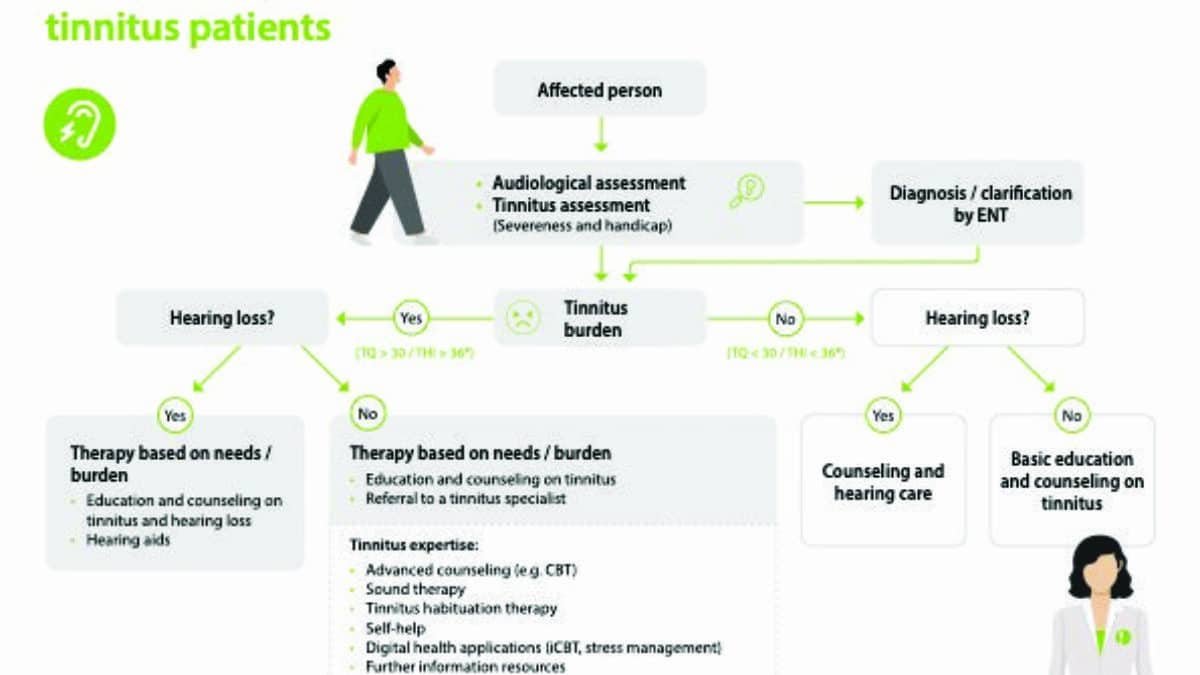
When implementing combination therapy, it is crucial to develop individualized treatment plans that consider each person’s unique needs and preferences. The severity and impact of tinnitus can vary greatly between individuals, and treatment should be tailored accordingly. A comprehensive assessment and ongoing evaluation help to ensure that treatment is adjusted as needed and that the individual receives the most appropriate interventions.
Professional Expertise and Training
Combining sound therapy and counseling requires professionals with expertise in both areas. Audiologists, hearing care professionals, and psychologists with experience in tinnitus management can collaborate to provide optimal care. Continuous professional training and education further enhance their knowledge and skills, allowing for the effective implementation of combination therapy.
Integration of Different Treatment Modalities
Successful implementation of combination therapy requires seamless integration of different treatment modalities. This may involve coordinating appointments, sharing relevant information between professionals, and aligning treatment goals. By working together as a multidisciplinary team, professionals can ensure that sound therapy and counseling are incorporated in a manner that maximizes benefits for the individual.
Monitoring and Evaluation
Ongoing monitoring and evaluation are essential for the success of combination therapy. Regular assessment of treatment progress allows for adjustments to be made as needed and ensures that the treatment plan remains effective. Monitoring can include objective measures of tinnitus severity, self-report measures of distress, and feedback from the individual. This iterative process ensures that treatment goals are being met and that outcomes are optimized.
Challenges and Limitations
Patient Adherence and Expectations
One of the challenges in implementing combination therapy is ensuring patient adherence to the treatment plan. Individuals may find it challenging to integrate multiple treatment modalities into their daily lives, and expectations for rapid improvement may not always align with the gradual nature of tinnitus management. Educating and supporting individuals throughout the treatment process can help address these challenges and foster better engagement.
Availability and Access to Therapeutic Options
Another limitation is the availability and access to different therapeutic options. Not all individuals may have access to specialized tinnitus clinics or professionals trained in combination therapy. Geographic location, financial constraints, or lack of awareness may limit the options for individuals seeking treatment. Efforts should be made to improve access to comprehensive tinnitus care, including sound therapy and counseling, for all individuals regardless of their circumstances.
Need for Ongoing Support
Tinnitus is often a lifelong condition, and ongoing support is crucial for individuals even after the initial treatment phase. Individuals may experience fluctuations in symptoms, new challenges, or the need for additional guidance. Implementing strategies for ongoing support, such as follow-up appointments, support groups, or self-help resources, helps individuals feel supported and empowered in managing their tinnitus long-term.
Potential Risks and Side Effects
While combination therapy is generally safe and well-tolerated, there can be potential risks and side effects. Careful monitoring is necessary to ensure that adjustments can be made if any adverse effects are observed. Professionals should also provide clear guidelines, education, and support to individuals to manage any potential risks or side effects and to ensure a positive treatment experience.
Future Directions and Emerging Technologies
Advancements in Sound Therapy
Advancements in sound therapy continue to evolve and provide new options for individuals with tinnitus. This includes the development of wearable devices with personalized sound therapy programs, the integration of real-time monitoring and adjustment of sound stimuli, and the use of neurostimulation techniques. These advancements hold promise for improved treatment outcomes and greater customization of therapy.
Integration of Virtual Reality
Virtual reality (VR) technology has shown potential in enhancing tinnitus treatment outcomes. VR can create immersive environments that allow individuals to engage in therapeutic activities, such as relaxation exercises or exposure therapy, in a controlled and interactive manner. The integration of sound therapy with VR has the potential to further improve habituation and decrease tinnitus-related distress.
Innovative Counseling Approaches
Innovative counseling approaches are also emerging in the field of tinnitus treatment. This includes the use of internet-based cognitive-behavioral therapy programs, virtual counseling platforms, and smartphone applications that provide self-help resources and support. These innovative approaches can increase access to counseling services, enhance treatment engagement, and provide ongoing support to individuals with tinnitus.
Collaborative Efforts and Research
Collaborative efforts and ongoing research are essential for advancing the field of combination therapy for tinnitus. By sharing knowledge, best practices, and research findings, professionals can collectively work towards improving treatment outcomes and addressing the complex nature of tinnitus. Collaborative research efforts can help identify new treatment modalities, refine existing approaches, and contribute to evidence-based guidelines for tinnitus management.
Conclusion
Summary of Combined Approach
Combining sound therapy and counseling offers a comprehensive and multidimensional treatment approach for individuals with tinnitus. Sound therapy helps to reduce the perception and impact of tinnitus by introducing external sounds, while counseling addresses the psychological and emotional aspects of the condition. This combined approach provides a personalized and holistic treatment plan tailored to each individual’s unique needs.
Optimizing Treatment Outcomes
The synergistic effect of sound therapy and counseling leads to better treatment outcomes for individuals with tinnitus. By targeting both the physiological and psychological components of the condition, combination therapy can reduce tinnitus perception, distress, and associated symptoms. It empowers individuals to better manage their symptoms, improve coping skills, and enhance overall well-being.
Improving Quality of Life for Tinnitus Patients
Combination therapy has the potential to significantly improve the quality of life for individuals with tinnitus. By reducing tinnitus-related distress, improving sleep, and enhancing concentration, individuals can regain control over their lives and experience a greater sense of well-being. The comprehensive and multidisciplinary approach of combination therapy offers a pathway towards better management and improved quality of life.
Importance of Multidisciplinary Care
Multidisciplinary care, encompassing sound therapy and counseling, is crucial for individuals with tinnitus. This holistic approach acknowledges the complexity of tinnitus and recognizes that a combination of treatment modalities is necessary for optimal outcomes. By working together as a team, professionals can provide individualized treatment plans, support individuals throughout their journey, and ultimately help them regain control and find relief from tinnitus.