
Living with tinnitus can be a challenging experience, as the constant ringing or buzzing in your ears can often disrupt your daily life. But have you ever wondered how exactly tinnitus affects your ability to concentrate and focus? In this article, we will explore the impact of tinnitus on your cognitive abilities, and provide some helpful tips on managing and minimizing its influence. So, if you want to gain a clearer understanding of how tinnitus can interfere with your focus and concentration, keep reading.
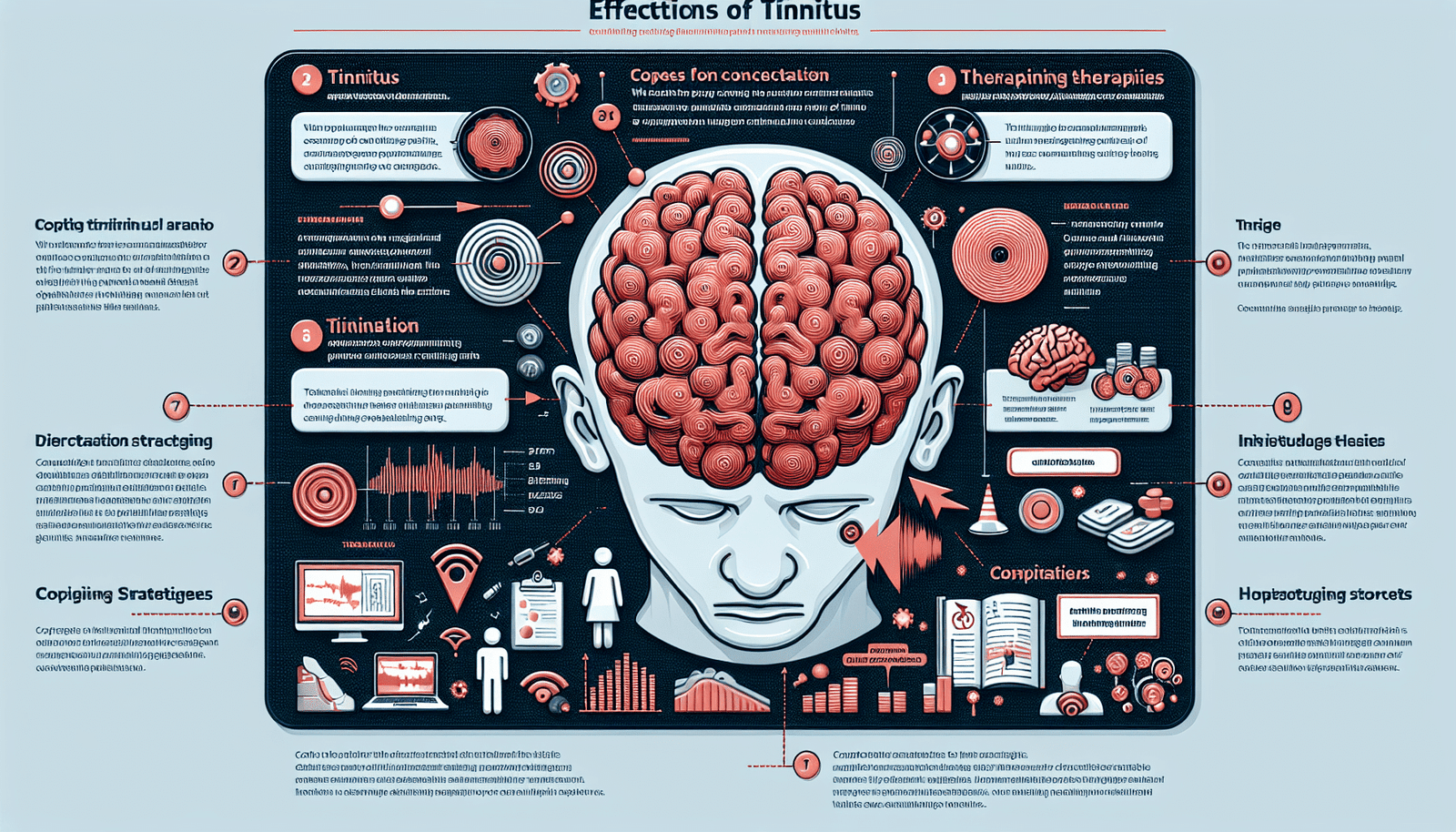
The Definition and Symptoms of Tinnitus
Understanding Tinnitus
Tinnitus is a common condition characterized by the perception of ringing, buzzing, hissing, or other phantom sounds in the ears or head. It is not a disease itself, but rather a symptom of an underlying issue, such as hearing loss, exposure to loud noises, or certain medical conditions. Tinnitus can be intermittent or constant, and the severity can vary from person to person.
Common Symptoms of Tinnitus
Individuals experiencing tinnitus may have different perceptions of the sound, ranging from a low whisper to a loud, persistent noise. Some common symptoms of tinnitus include:
- Ringing, buzzing, hissing, or roaring sounds in the ears or head
- Sensation of the sound coming from inside the ears or head
- Difficulty hearing or understanding conversations due to the presence of tinnitus
- Increased sensitivity to loud noises
- Trouble sleeping or concentrating due to the constant noise
It is important to note that tinnitus affects individuals differently, and the symptoms can vary in intensity and impact on daily life.
The Relationship Between Tinnitus and Concentration
The Impact of Tinnitus on Concentration
Tinnitus can have a significant impact on an individual’s ability to concentrate and maintain focus. The constant presence of intrusive noises can be extremely distracting and make it challenging to concentrate on tasks at hand. This can be particularly problematic in situations that require sustained attention, such as work, studying, or engaging in conversations.
Factors That Influence Concentration with Tinnitus
There are various factors that can influence the impact of tinnitus on concentration. These factors may include the loudness and intensity of the tinnitus sound, the presence of other co-existing conditions such as anxiety or depression, and individual coping mechanisms. Additionally, stress, lack of sleep, and anxiety caused by tinnitus can further exacerbate concentration difficulties.
The Impact of Tinnitus on Cognitive Functions
Tinnitus and Attention
Tinnitus can affect attentional processes, making it harder to focus on specific tasks or stimuli. With the persistent presence of phantom noises, individuals with tinnitus may find it challenging to filter out irrelevant stimuli and direct their attention to the task at hand. This can lead to decreased productivity and difficulties in various areas of daily life.
Tinnitus and Memory
Memory can also be impacted by tinnitus. The constant auditory distraction can disrupt the encoding and retrieval processes necessary for effective memory formation. Difficulty remembering information, forgetfulness, or reduced ability to concentrate on the details can be common experiences for those dealing with tinnitus.
Tinnitus and Executive Functions
Executive functions, which involve higher-order cognitive processes such as planning, decision-making, and problem-solving, can be affected by tinnitus. The intrusive sounds can divert attention away from these cognitive tasks, leading to difficulties in initiating and executing complex activities. This can result in decreased efficiency and frustration for individuals with tinnitus.
Psychological Effects of Tinnitus on Concentration
Tinnitus-Induced Stress and Anxiety
The constant presence of tinnitus can induce stress and anxiety in individuals. The never-ending noise can be distressing and overwhelming, leading to increased levels of general anxiety. This heightened emotional state can further interfere with concentration and reduce overall cognitive functioning.
Effect of Sleep Disturbances on Concentration
Tinnitus can disrupt sleep patterns, causing difficulties in falling asleep or staying asleep throughout the night. Sleep disturbances can significantly impair concentration and overall cognitive performance. Fatigue and daytime sleepiness caused by inadequate sleep quality further contribute to decreased concentration levels.
Strategies and Coping Mechanisms for Improving Concentration
Creating a Supportive Environment
Creating a supportive environment is essential for individuals struggling with tinnitus-related concentration difficulties. Some strategies include:
- Minimizing external noise: Reducing background noise in the environment can help individuals focus better on their tasks. Utilizing noise-cancelling headphones or finding quiet spaces to work or relax can be beneficial.
- Establishing a calm workspace: Organizing a clutter-free workspace can promote concentration. Creating an aesthetically pleasing and calming environment can also help reduce stress and distractions.
- Seeking understanding and support: Communicating your needs to friends, family, and colleagues can help create a supportive network. Educating others about tinnitus can foster empathy and understanding, leading to a more accommodating environment.
Utilizing Sound Masking Techniques
Sound masking involves introducing background sounds that help drown out or mask the perception of tinnitus. Some techniques that can be effective in improving concentration include:
- Background noise generators: Using devices that produce soothing sounds, such as nature sounds or white noise, can help mask the tinnitus and provide a more peaceful auditory environment.
- Music therapy: Listening to calming or instrumental music can be helpful in redirecting attention away from tinnitus. Selecting music without lyrics or with a slow tempo can minimize distractions and improve concentration.
Stress Management Techniques
Stress management techniques can aid in reducing the psychological impact of tinnitus on concentration. Some effective strategies include:
- Relaxation exercises: Engaging in relaxation techniques, such as deep breathing, progressive muscle relaxation, or guided imagery, can help reduce stress levels and enhance concentration abilities.
- Mindfulness and meditation: Practicing mindfulness and meditation techniques can assist in redirecting attention away from tinnitus and promoting a sense of calm and focus.
Medical Interventions and Devices for Tinnitus
Hearing Aid Devices
Hearing aid devices can be beneficial for individuals with both hearing loss and tinnitus. These devices assist in amplifying external sounds, making them easier to hear, and reducing the perceived loudness of tinnitus. By improving overall hearing abilities, hearing aids can indirectly enhance concentration and minimize the impact of tinnitus-related distractions.
Sound Therapy
Sound therapy involves the use of external stimuli to mask or distract from the perception of tinnitus. Some common sound therapy techniques include:
- White noise machines: These devices produce a consistent background noise that can help mask the sound of tinnitus and create a more soothing auditory environment.
- Personal sound machines: Portable devices that play relaxing sounds, such as ocean waves or rainforest sounds, can be used to promote relaxation and minimize the perception of tinnitus.
Tinnitus Retraining Therapy
Tinnitus retraining therapy (TRT) aims to retrain the brain’s response to tinnitus through a combination of sound therapy and counseling. TRT involves the use of low-level sounds to habituate the brain to tinnitus, reducing its impact on concentration and overall well-being. Counseling sessions focus on cognitive techniques to alter the emotional and psychological responses to tinnitus.
The Importance of Seeking Professional Help for Tinnitus
Understanding the Underlying Causes of Tinnitus
It is crucial to seek professional help for tinnitus to understand the underlying causes and potential treatment options. A healthcare professional, such as an audiologist or otolaryngologist, can perform a comprehensive evaluation to determine the cause of tinnitus, whether it be hearing loss, an underlying medical condition, or another factor. Identifying the root cause allows for more targeted and effective treatment approaches.
Individualized Treatment Plans
Professional help ensures the development of individualized treatment plans tailored to each person’s unique needs. Depending on the severity and impact of tinnitus on concentration, professionals can recommend various interventions, including medical treatments, counseling, or a combination of approaches. Seeking professional guidance ensures a comprehensive and personalized approach to managing tinnitus-related concentration difficulties.
Cognitive and Behavioral Therapies to Enhance Concentration
Cognitive Behavioral Therapy
Cognitive behavioral therapy (CBT) is an evidence-based therapy approach commonly used to help individuals cope with the psychological effects of tinnitus. CBT can address negative thought patterns, enhance coping strategies, and improve overall emotional well-being. Through CBT, individuals can learn to challenge and reframe their thoughts related to tinnitus, which can positively impact concentration and focus.
Mindfulness-Based Techniques
Mindfulness-based techniques, such as mindfulness-based stress reduction (MBSR), can be beneficial in managing tinnitus-related concentration difficulties. By practicing present-moment awareness and non-judgmental acceptance of tinnitus, individuals can reduce the impact of intrusive sounds on concentration. Mindfulness techniques enhance attentional control and assist in redirecting attention to the task at hand.
Tips for Enhancing Concentration and Focus with Tinnitus
Establishing a Routine
Establishing a regular routine can help improve concentration and focus for individuals with tinnitus. Some tips include:
- Setting specific times for work or study: Allocating dedicated time slots for tasks can create structure and enhance productivity.
- Prioritizing tasks: Breaking down tasks into smaller, manageable parts and prioritizing them can help maintain focus and prevent feelings of overwhelm.
- Scheduling breaks: Taking short breaks between tasks can help recharge and maintain concentration throughout the day.
Minimizing Distractions
Minimizing distractions is crucial when trying to concentrate with tinnitus. Some strategies to reduce distractions include:
- Turning off notifications: Temporarily disabling notifications on electronic devices can prevent interruptions and maintain focus.
- Finding a quiet space: Selecting a quiet environment, free from loud noises or excessive visual distractions, can improve concentration abilities.
- Organizing surroundings: Keeping the workspace tidy and free from unnecessary clutter can promote an environment conducive to concentration.
Taking Breaks
Taking regular breaks is important for individuals with tinnitus to prevent mental fatigue and restore concentration. Some helpful tips for taking breaks include:
- Engaging in relaxation exercises: Using break time to practice relaxation techniques can help reduce stress levels and enhance overall well-being.
- Changing surroundings: Stepping outside for fresh air or engaging in a different activity during breaks can provide mental refreshment and enhance subsequent concentration.
Support Groups and Resources for Tinnitus Patients
Online Support Communities
Online support communities provide a valuable platform for individuals with tinnitus to connect with others facing similar challenges. These communities offer a space to share experiences, seek advice, and find emotional support. Engaging with others who understand the impact of tinnitus on concentration can be empowering and provide a sense of belonging.
Tinnitus Associations and Organizations
Tinnitus associations and organizations dedicate themselves to raising awareness, providing resources, and supporting individuals affected by tinnitus. These associations often offer educational materials, counseling services, and access to professional guidance. Connecting with reputable associations can provide valuable information and guidance on managing tinnitus-related concentration difficulties.
Tinnitus Education and Counseling Programs
Tinnitus education and counseling programs can be essential in equipping individuals with the knowledge and skills to cope with the impact of tinnitus on concentration. These programs often involve educational sessions, coping strategies, and counseling support. Participating in these programs can empower individuals and provide a sense of control over managing their tinnitus-related concentration challenges.
In conclusion, tinnitus can significantly impact an individual’s ability to concentrate and focus. The constant presence of phantom noises, along with associated psychological effects such as stress and anxiety, can make it challenging to maintain attention and cognitive functioning. However, with the right strategies, professional help, and support, individuals can improve their concentration abilities and minimize the impact of tinnitus on their daily lives. Remember, you are not alone in this journey, and there are resources available to help you navigate and manage tinnitus-related concentration difficulties.