Have you ever wondered how long it takes to find relief from acid reflux? Whether you’ve been suffering from this condition for a while or have just recently been diagnosed, understanding the timeframe for curing acid reflux can provide you with much-needed reassurance. In this article, we will explore the factors that influence the duration of treatment and provide insights on how long it typically takes to alleviate the discomfort associated with acid reflux. So, sit back, relax, and let’s dive into the timeline of curing acid reflux.

Natural Remedies
Lifestyle Changes
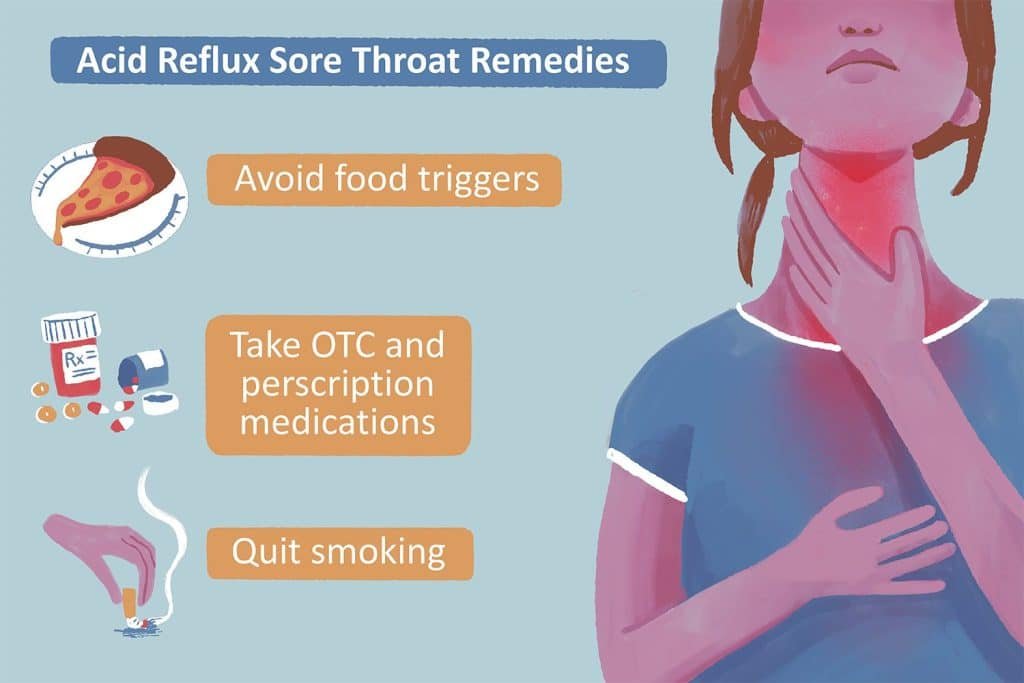
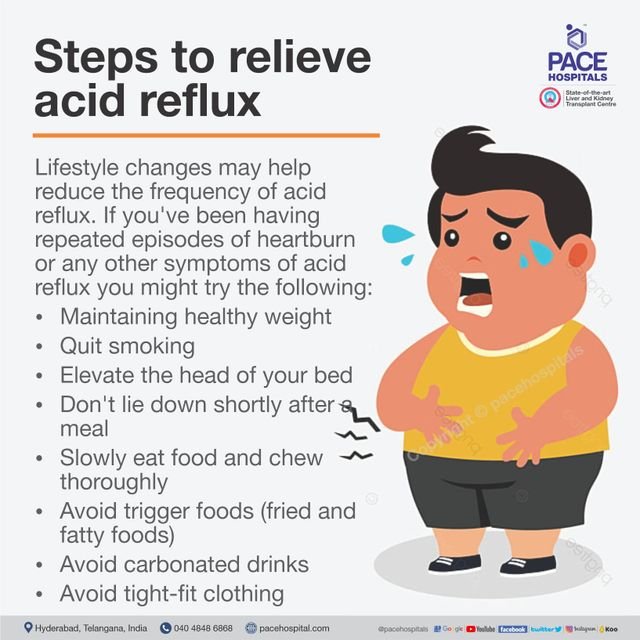
When it comes to finding relief for acid reflux, making some positive lifestyle changes can go a long way. Committing to a healthier lifestyle can help reduce the frequency and severity of acid reflux episodes. Start by evaluating your diet and making adjustments where necessary. Avoid trigger foods such as spicy or fatty foods, citrus fruits, caffeine, and alcohol. Instead, opt for a diet rich in vegetables, lean proteins, and whole grains. Additionally, it’s important to maintain a healthy weight, as excess weight can contribute to acid reflux symptoms. Engaging in regular exercise not only helps with weight management but also supports overall digestion and may provide symptom relief.
Dietary Modifications
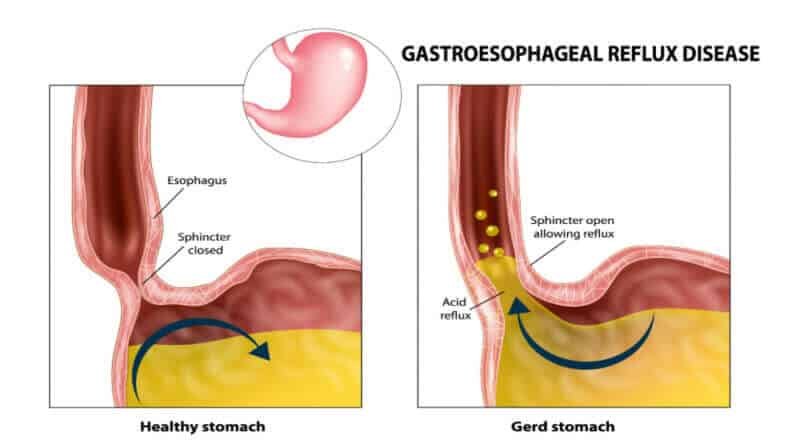
Beyond simply avoiding trigger foods, there are specific dietary modifications that can be made to help alleviate acid reflux symptoms. One popular approach is to follow a low-acid diet. This involves consuming foods that are less likely to trigger acid production. Examples of low-acid foods include oatmeal, bananas, melons, poultry, fish, and non-citrus fruits. It’s also recommended to eat smaller, more frequent meals rather than large, heavy meals. This helps prevent excessive pressure on the lower esophageal sphincter (LES), which can lead to acid reflux.
Herbal and Homeopathic Remedies
For those who prefer a more natural approach, herbal and homeopathic remedies may provide relief for acid reflux symptoms. Some commonly recommended herbal remedies include chamomile, ginger, slippery elm, and licorice root. These herbs are believed to help soothe the lining of the esophagus and reduce inflammation. Homeopathic remedies, such as Natrum Phosphoricum and Nux Vomica, may also be considered to alleviate symptoms. It’s important to consult with a healthcare professional or naturopath before incorporating these remedies into your treatment plan.
Medications
Antacids
Antacids are a commonly used over-the-counter medication for treating acid reflux symptoms. These medications work by neutralizing stomach acid, providing quick relief from heartburn and indigestion. Antacids are typically taken as needed, with fast-acting formulations available in tablet, liquid, and chewable forms. It’s important to note that while antacids provide short-term relief, they do not address the underlying causes of acid reflux and may not be sufficient for long-term management.
Proton Pump Inhibitors
Proton pump inhibitors (PPIs) are a type of medication that reduce the production of stomach acid. These medications are often prescribed for individuals with chronic or severe acid reflux. PPIs work by inhibiting the enzyme responsible for producing stomach acid, providing long-lasting relief and allowing the esophagus time to heal. Examples of commonly prescribed PPIs include omeprazole, pantoprazole, and esomeprazole. It’s important to follow the prescribed dosing instructions and consult with a healthcare professional for long-term use, as PPIs may have potential side effects and interactions with other medications.
H2 Receptor Blockers
H2 receptor blockers, also known as H2 blockers, are another group of medication commonly used to treat acid reflux symptoms. These medications work by blocking the action of histamine, which stimulates the production of stomach acid. By reducing acid production, H2 blockers help alleviate symptoms and promote healing of the esophagus. Examples of H2 blockers include ranitidine, famotidine, and cimetidine. It’s important to note that H2 blockers provide relief for a shorter duration compared to PPIs and may require more frequent dosing.
Surgical Interventions
Fundoplication
In cases where lifestyle modifications and medications are not providing sufficient relief, surgical interventions may be considered. One common surgical procedure for treating acid reflux is fundoplication. This procedure involves wrapping the upper part of the stomach around the lower esophageal sphincter (LES) to strengthen it and prevent acid reflux. Fundoplication can be performed using open surgery or minimally invasive techniques such as laparoscopy. While this surgical intervention can provide long-term relief, it is typically reserved for individuals with severe acid reflux or complications from the condition.
LINX Procedure
Another surgical option for acid reflux treatment is the LINX procedure. This involves implanting a small ring of magnetic beads around the LES to help strengthen its function and prevent acid reflux. The magnetic beads allow for normal swallowing and the passage of food but create a barrier to prevent the backflow of stomach acid. The LINX procedure is minimally invasive and can be adjusted or removed if necessary. It is important to consult with a surgeon to determine if you are a suitable candidate for this procedure.
Endoscopic Treatments
In recent years, endoscopic treatments have emerged as an alternative to traditional surgical interventions for acid reflux. These minimally invasive procedures, such as radiofrequency ablation and endoscopic suturing, aim to strengthen the LES and reduce acid reflux symptoms. Endoscopic treatments can often be performed on an outpatient basis, offering a quicker recovery time compared to traditional surgeries. However, the effectiveness and suitable candidates for these procedures may vary, so it is important to consult with a gastroenterologist or specialist to determine the best course of action.
Factors Influencing Duration
Severity of Acid Reflux
The duration of acid reflux treatment can be influenced by the severity of the condition. Individuals with mild or occasional acid reflux may find relief through lifestyle changes, dietary modifications, and short-term medication use. However, those with chronic or severe acid reflux may require long-term management and potentially surgical interventions to achieve symptom control. It is important to consult with a healthcare professional to determine the most appropriate treatment plan based on the severity of your acid reflux.
Underlying Causes
The underlying causes of acid reflux can also play a role in the duration of treatment. Acid reflux can be caused by a variety of factors, including hiatal hernia, obesity, pregnancy, certain medications, and delayed gastric emptying. Identifying and addressing these underlying causes can help improve treatment outcomes and reduce the frequency and severity of acid reflux episodes. Your healthcare professional will work with you to identify and manage any underlying factors contributing to your acid reflux.
Compliance with Treatment Plan
The level of compliance with the prescribed treatment plan can greatly impact the duration and success of acid reflux treatment. Consistently following lifestyle changes, taking medication as directed, and attending regular doctor visits are essential for long-term management. It is important to communicate any concerns or difficulties with your healthcare professional to ensure that your treatment plan is optimized for your individual needs. Compliance with the recommended treatment plan can greatly increase the chances of achieving symptom relief and preventing further complications.
Short-Term Relief
Antacids as Symptomatic Relief
For quick relief from acid reflux symptoms, antacids can provide short-term relief. These over-the-counter medications work by neutralizing stomach acid and can help alleviate heartburn, indigestion, and other discomfort. Antacids are generally safe to use as needed, but it’s important to follow the recommended dosing instructions and consult with a healthcare professional if symptoms persist or worsen. While antacids can provide immediate relief, addressing the root causes of acid reflux through lifestyle changes and other interventions is essential for long-term management.
Quick Response to Medications
Certain medications, such as proton pump inhibitors (PPIs) and H2 receptor blockers, can provide a quick response in relieving acid reflux symptoms. These medications work by reducing the production of stomach acid, allowing the esophagus time to heal and providing relief from symptoms. However, it’s important to note that the duration of symptom relief may vary depending on the individual and the specific medication used. Regular monitoring and adjustments to the treatment plan may be necessary to ensure optimal relief.
Long-Term Management
Maintenance Medications
For individuals with chronic acid reflux, long-term management may involve the use of maintenance medications. Proton pump inhibitors (PPIs) and H2 receptor blockers are commonly prescribed medications for long-term control of acid reflux symptoms. These medications help reduce acid production and promote healing of the esophagus. It’s important to follow the prescribed dosing instructions and consult with a healthcare professional for proper long-term use of these medications, as they may have potential side effects and interactions with other medications.
Periodic Doctor Visits
Regular visits to your healthcare professional are an important aspect of long-term acid reflux management. These visits allow your healthcare professional to monitor your progress, adjust medications if necessary, and address any concerns or questions you may have. By maintaining open communication with your healthcare professional, you can work together to optimize your treatment plan and ensure ongoing symptom relief. Additionally, periodic visits may also involve monitoring for potential complications or underlying factors contributing to your acid reflux.
Lifestyle Modifications
In addition to medication, making ongoing lifestyle modifications is crucial for long-term acid reflux management. This includes adhering to a healthy diet that is low in trigger foods, maintaining a healthy weight, and engaging in regular exercise. Avoiding late-night eating and elevating the head of the bed while sleeping can also help reduce acid reflux symptoms. Lifestyle modifications not only provide symptom relief but also support overall digestive health and can help prevent further complications. It’s important to work with your healthcare professional to develop a personalized plan that suits your individual needs.
Individual Variations
Variation in Treatment Response
It’s important to note that individual responses to acid reflux treatment can vary. While certain lifestyle changes and medications may work well for some individuals, others may require additional interventions or different approaches. The effectiveness of treatment can be influenced by factors such as the severity of the condition, underlying causes, and individual differences in metabolism and healing capacity. Your healthcare professional will work closely with you to monitor your treatment response and make adjustments as needed to achieve optimal symptom relief.
Differences in Healing Capacity
The healing capacity of the esophagus can also vary among individuals, affecting the duration of treatment required for acid reflux. While some individuals may experience rapid healing and symptom relief, others may require more time for the esophagus to heal and for symptoms to subside. It’s important to have realistic expectations and to work closely with your healthcare professional to monitor progress and adjust treatment as necessary. Patience and consistent adherence to the treatment plan are crucial for achieving long-term relief from acid reflux symptoms.
Treatment Trial
Monitoring Symptoms
When determining the most effective treatment plan for acid reflux, a treatment trial may be necessary. This involves closely monitoring your symptoms and response to different interventions over a period of time. By keeping track of your symptoms and any changes or improvements, you and your healthcare professional can identify which treatments are providing the most relief. This allows for adjustments to the treatment plan as needed to optimize symptom control and overall management of acid reflux.
Adjustments to Treatment
As part of the treatment trial, adjustments to the treatment plan may be necessary to achieve optimal symptom relief. This may involve changes in medication dosages or types, as well as modifications to lifestyle and dietary factors. It’s important to communicate any concerns or difficulties you may be experiencing with your healthcare professional, as they can provide guidance and make appropriate adjustments based on your individual needs. Regular follow-up appointments are essential during this trial period to monitor progress and ensure that the treatment plan is effectively addressing your acid reflux symptoms.
Seeking Professional Advice
Consulting a Gastroenterologist
When dealing with acid reflux, it is advisable to seek professional advice from a gastroenterologist. Gastroenterologists specialize in diagnosing and treating gastrointestinal disorders, including acid reflux. They have the expertise and resources to conduct a comprehensive evaluation, provide an accurate diagnosis, and develop an individualized treatment plan. A gastroenterologist can help identify any underlying factors contributing to your acid reflux and guide you through the various treatment options available. Consulting a gastroenterologist is essential for effective long-term management of acid reflux.
Getting a Comprehensive Evaluation
A comprehensive evaluation is an important step in determining the most appropriate treatment for acid reflux. This evaluation may include a medical history review, physical examination, and diagnostic tests such as upper endoscopy or pH monitoring. These tests help identify any structural abnormalities or underlying causes of acid reflux, allowing for a targeted treatment approach. By undergoing a comprehensive evaluation, you can ensure that your treatment plan is tailored to your specific needs and provides the best chance for symptom relief and improved quality of life.
Monitoring and Maintenance
Periodic Endoscopies
Periodic endoscopies may be recommended as part of the monitoring and maintenance of acid reflux. These procedures allow the gastroenterologist to visualize the esophagus and monitor for any changes or complications. During an endoscopy, the gastroenterologist may also take biopsies to rule out other conditions or monitor for any signs of damage caused by acid reflux. Regular endoscopic examinations provide valuable information on the progress of treatment and allow for adjustments to the treatment plan if necessary.
Managing Future Acid Reflux Episodes
While effective treatment can provide relief from acid reflux symptoms, there is always a chance of future episodes. It’s important to be aware of potential triggers and to have strategies in place to manage future episodes. This may include having over-the-counter antacids on hand as symptomatic relief, making dietary adjustments to avoid trigger foods, and having a plan for when symptoms occur. By being proactive and prepared, you can effectively manage future acid reflux episodes and minimize their impact on your daily life.
In conclusion, the duration of acid reflux treatment can vary depending on factors such as the severity of the condition, underlying causes, and individual responses to treatment. Natural remedies, lifestyle modifications, medication use, and surgical interventions can all play a role in managing and alleviating acid reflux symptoms. It’s important to work closely with a healthcare professional, such as a gastroenterologist, to develop an individualized treatment plan that addresses your specific needs and provides long-term relief. Regular monitoring, adjustments to the treatment plan, and proactive management strategies are essential for achieving and maintaining symptom control and improved quality of life.