Are you tired of dealing with those pesky head lice? Well, fret no more because we have got you covered! In this article, you will discover effective and easy-to-follow methods to get rid of those annoying little creatures once and for all. From natural remedies to over-the-counter treatments, we will provide you with all the necessary information and step-by-step instructions to banish head lice from your life. Say goodbye to the itchiness and embarrassment, and say hello to a lice-free future!

Identifying Head Lice
Physical Characteristics of Head Lice
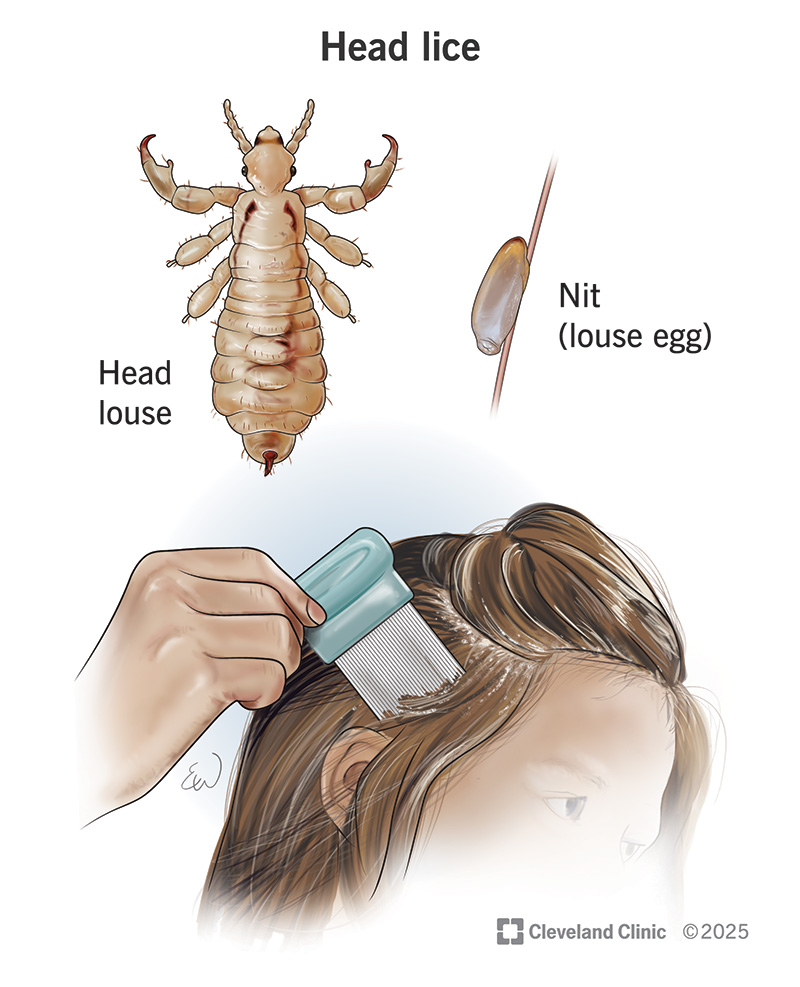
Head lice are small, wingless insects that infest the hair and scalp. They typically measure about 2 to 3 millimeters in length and are light brown or grayish-white in color. These tiny creatures have six legs equipped with claws that allow them to grasp onto the hair shafts. Head lice can move quickly and are adept at avoiding detection, making them a challenge to identify.
Signs and Symptoms of Head Lice
If you suspect that you or someone you know may have head lice, there are several signs and symptoms to look out for. The most common indication is a persistent and intense itching of the scalp. This itching is often accompanied by red bumps or sores caused by scratching. Additionally, you may notice small white or yellowish eggs, known as nits, attached to the hair shafts near the scalp. Live lice may also be visible as they crawl near the scalp or on the hair strands. It’s important to note that the presence of nits or lice does not necessarily indicate an active infestation, as these can remain on the hair even after successful treatment.
Transmission of Head Lice
How Head Lice Spread
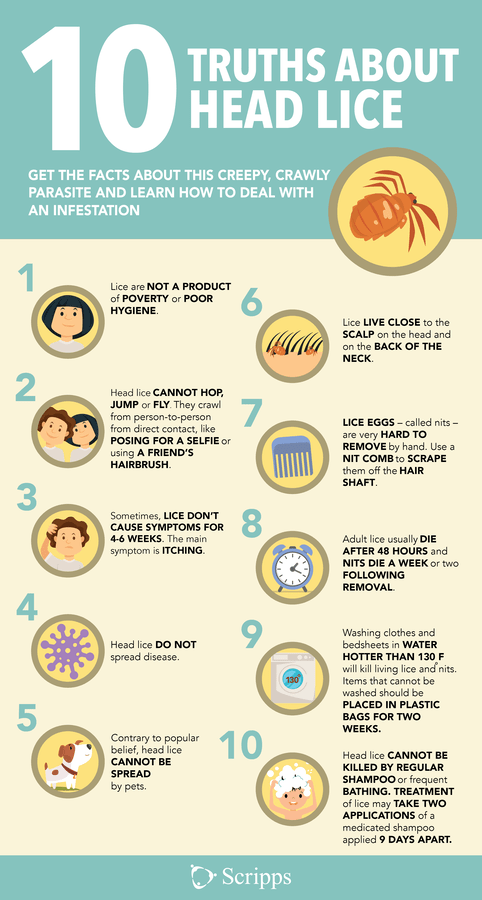
Head lice are primarily transmitted through direct head-to-head contact. This means that if your hair comes into contact with an infested individual’s hair, there is a high chance of getting head lice. It’s common for head lice to spread among children, particularly in close quarters such as schools, playgrounds, and sleepovers. While head lice can survive for a short period of time away from the human scalp, they cannot survive on inanimate objects such as hats or brushes.
Common Places for Head Lice Transmission
Understanding the common places where head lice transmission often occurs can help you take preventive measures. Schools, daycares, and summer camps are environments where close contact among children is frequent, making them susceptible to lice infestations. Sporting activities, sleepovers, and other social gatherings where individuals may come into close contact with one another also pose a risk. Sharing personal items like combs, brushes, and hats can also facilitate the transmission of head lice.
Prevention of Head Lice
Avoiding Head-to-Head Contact
One of the most effective ways to prevent head lice is to avoid direct head-to-head contact with an infested individual. Encourage children to maintain their personal space during activities where head-to-head contact may occur, such as when taking group photos or engaging in playtime. Remind them not to share hats, combs, hair accessories, or other personal items that come into contact with the hair. By minimizing these interactions, you can reduce the risk of spreading head lice.
Sharing Prevention Tips with Others
It’s essential to educate others about head lice prevention techniques to help control the spread of infestations. Talk to parents, teachers, and caregivers at schools and daycares about the importance of checking for head lice regularly and maintaining good hygiene practices. Emphasize the significance of avoiding head-to-head contact and discourage the sharing of personal items. By sharing this information, you can contribute to a proactive approach in preventing the spread of head lice.
Checking for Head Lice
Step-by-Step Guide to Checking for Head Lice
Checking for head lice should be a routine practice, especially if there have been recent cases of infestation in your community or if you notice any signs and symptoms mentioned earlier. To effectively check for head lice, follow these simple steps:
-
Begin by parting the hair into sections using a comb or your fingers.
-
Look closely at the scalp, particularly around the ears, nape of the neck, and crown of the head, as these are the most common areas where lice and nits are found.
-
In well-lit conditions, use a fine-toothed comb to carefully comb through the hair from roots to ends, wiping it on a white towel or tissue after each stroke.
-
Examine the hair strands and the material on the towel or tissue for any signs of lice or nits.
-
Repeat this process for all sections of the hair, paying close attention to any areas that seem itchy or irritated.
Tools for Effective Head Lice Detection
Having the right tools can greatly facilitate the process of checking for head lice. Here are some items that can help improve your detection efforts:
-
Fine-Toothed Comb: A fine-toothed comb is essential for combing through the hair and removing lice and nits. Look for a comb specifically designed for lice detection, as it will have closely spaced teeth that can capture even the smallest nits.
-
Magnifying Glass or Head Lice Check Mirror: These tools can assist in identifying lice and nits that may be difficult to see with the naked eye. They magnify the image, allowing for a more detailed examination.
-
Bright Light Source: Adequate lighting is crucial for inspecting the hair and scalp. Using a bright light source, such as a lamp or flashlight, can help you spot any lice or nits that may be present.
Natural Remedies for Head Lice
Essential Oils for Treating Head Lice
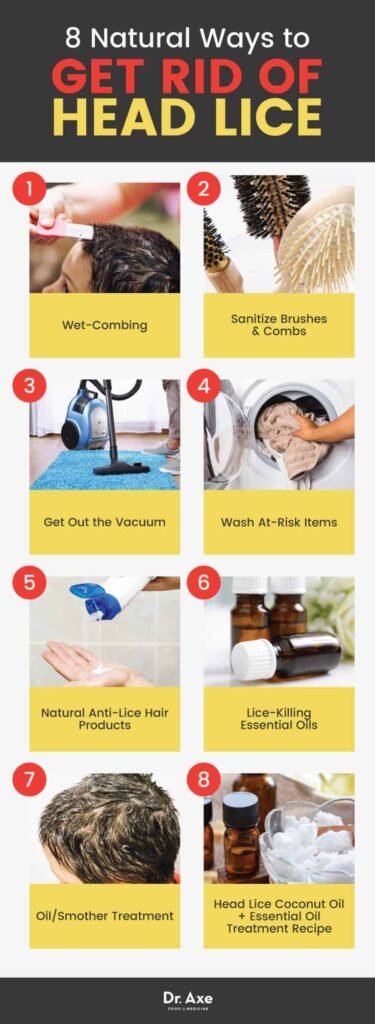
For those seeking natural remedies, essential oils can be a potential solution for treating head lice. Certain essential oils, such as tea tree oil, lavender oil, and eucalyptus oil, contain properties that are known to repel or suffocate lice. To use essential oils effectively, dilute a few drops in a carrier oil, such as coconut oil or olive oil, and massage it into the scalp and hair. Leave the mixture on for at least 30 minutes before rinsing it out. While essential oils may offer some relief, it’s important to note that they may not eliminate all lice and nits.
Home Remedies to Suffocate Lice
Other home remedies involve suffocating lice by applying substances that smother them. These remedies often involve using common household ingredients, such as mayonnaise, olive oil, or petroleum jelly. Apply a generous amount of the chosen substance onto the scalp, ensuring that all hair is completely coated. Cover the hair with a shower cap or plastic wrap and leave it on overnight. The following morning, use a fine-toothed comb to carefully remove the dead lice and nits. Repeat the process several times to ensure all the lice have been eliminated.
Over-the-Counter Treatment Options
Types of Over-the-Counter Head Lice Treatments
Over-the-counter (OTC) treatments for head lice typically contain active ingredients that target lice and their eggs. These treatments are available in various forms, such as shampoos, lotions, and sprays. Two common ingredients found in OTC treatments are pyrethrin and permethrin. Pyrethrin is derived from chrysanthemum flowers and works by paralyzing and killing lice, while permethrin is a synthetic pesticide that acts in a similar manner. It’s important to carefully read and follow the instructions provided with the OTC treatment product for optimal effectiveness.
Proper Application and Usage Instructions
To ensure the OTC treatment effectively eliminates lice, it’s vital to follow the application and usage instructions provided. Here are some general guidelines:
-
Begin by thoroughly washing the hair and scalp with a regular shampoo. Do not use any conditioner at this stage, as it may decrease the effectiveness of the treatment.
-
Towel dry the hair and apply the OTC treatment according to the instructions on the package. Make sure to cover the entire scalp and hair, ensuring product contact with all lice and nits.
-
Leave the treatment on for the recommended duration specified in the instructions. This can range from a few minutes to several hours, depending on the product.
-
After the specified time, rinse out the treatment using warm water. Use a fine-toothed comb to carefully remove any dead lice and nits from the hair.
-
Repeat the treatment as recommended to ensure any surviving lice are eradicated.
Prescription Treatment Options
When to Consult a Healthcare Provider
In some cases, over-the-counter treatments may not effectively eliminate a head lice infestation. If this occurs, it may be necessary to consult a healthcare provider for prescription treatment options. Additionally, if you or your child have certain medical conditions or are pregnant or breastfeeding, it is advisable to seek professional advice before using any treatment products. Healthcare providers can assess the severity of the infestation and recommend appropriate prescription treatments that may include stronger topical or oral medications.
Commonly Prescribed Head Lice Treatments
Prescription treatments for head lice often contain stronger active ingredients, such as benzyl alcohol, malathion, or spinosad. These medications are specifically designed to target lice and nits that may be resistant to over-the-counter treatments. As with any medication, it’s crucial to strictly follow the instructions provided by the healthcare provider. Applying the treatment correctly and adhering to the prescribed course of treatment is essential in order to effectively eliminate lice.
Cleaning and Disinfecting Infested Items
Laundry Tips for Eliminating Lice
To prevent reinfestation, it’s important to thoroughly clean and disinfect any items that may have come into contact with lice. Follow these laundry tips to eliminate lice from infested items:
-
Soak infested clothing, bedding, and towels in hot water (at least 130°F or 54°C) for about 20 minutes. This high temperature will effectively kill lice and nits.
-
Wash the items in a regular washing machine cycle with hot water and a heavy-duty detergent.
-
Dry the items on high heat for at least 20 minutes. The high temperature will further ensure the elimination of any remaining lice or nits.
-
For items that cannot be washed, such as stuffed animals or delicate fabrics, place them in a sealed plastic bag and leave them for at least 48 hours. This will suffocate any lice or nits.
Cleaning Hair Accessories and Furniture
Infested hair accessories, such as combs, brushes, and hair ties, should be soaked in hot water for at least 10 minutes to kill any lice and nits. After soaking, remove any remaining lice or nits with a fine-toothed comb. It’s also important to clean and disinfect furniture, such as chairs or pillows, that may have come into contact with infested individuals. Vacuuming upholstered furniture and using hot water to wash removable covers can eliminate lice and nits from these items.

Dealing with Lice in Schools and Daycares
Guidelines for Controlling Lice Outbreaks
Controlling lice outbreaks in schools and daycares requires a collaborative effort from staff, parents, and healthcare professionals. Here are some guidelines to help manage lice infestations in these settings:
-
Educate staff and parents about head lice, including how to identify signs and symptoms and proper prevention techniques.
-
Conduct routine head checks to promptly identify any infestations and prevent the spread of lice.
-
If a child is found to have head lice, inform their parents and provide guidance on proper treatment and prevention methods.
-
Maintain confidentiality to avoid social stigmatization of affected individuals.
-
Implement policies that promote good hygiene practices, discourage the sharing of personal items, and educate children on the importance of avoiding head-to-head contact.
Educating Staff and Parents
Educating staff and parents is crucial in effectively managing lice infestations in schools and daycares. Providing information on head lice, its identification, and prevention strategies can help create a supportive and informed community. Regularly communicate with staff and parents through newsletters, workshops, and informational materials to ensure everyone is aware of the necessary steps to prevent and address head lice infestations. By working together and maintaining open lines of communication, schools and daycares can successfully manage lice outbreaks.
Managing the Emotional Impact of Head Lice
Supporting Children Dealing with Head Lice
Discovering head lice can be an emotionally distressing experience for children. It’s essential to provide them with the necessary support and reassurance during this time. Be empathetic and understanding, emphasizing that having lice does not reflect personal hygiene habits. Remind children that lice are a common occurrence and reassure them that steps are being taken to treat and prevent further infestations. Encourage open dialogue, allowing them to express their thoughts and concerns. Offering a safe space for discussion can help alleviate their emotional distress.
Coping Strategies for Parents
For parents, dealing with head lice can be overwhelming and stressful. It’s important to remember that lice infestations can happen to anyone and are not a reflection of their parenting abilities. To cope with the situation, consider the following strategies:
-
Stay calm and composed, as children often mimic their parents’ reactions.
-
Seek support from other parents who have gone through similar experiences. Sharing experiences and advice can be comforting.
-
Educate yourself about head lice to better understand the condition and the steps involved in treatment and prevention.
-
Maintain open communication with healthcare providers and school staff to ensure you are receiving accurate information and support.
-
Prioritize self-care and stress management techniques to reduce anxiety and maintain overall well-being.
By approaching head lice with a friendly, informative tone, this comprehensive article provides a thorough understanding of how to identify, prevent, treat, and manage head lice infestations. Following the outlined sections and expanding on each topic, readers will be equipped with the knowledge and tools necessary to effectively deal with head lice while maintaining a friendly and supportive approach. Remember, with the right information and proactive measures, head lice can be effectively managed and eliminated.