
Are nits causing you frustration and embarrassment? No worries, we’ve got you covered! In this article, you will discover simple and effective methods to say goodbye to those pesky nits for good. From tried-and-true natural remedies to professional treatments, we’ll provide you with all the information you need to reclaim the health and beauty of your hair. Say hello to nit-free locks and embrace the confidence that comes with it!
Understanding Nits
What are nits?
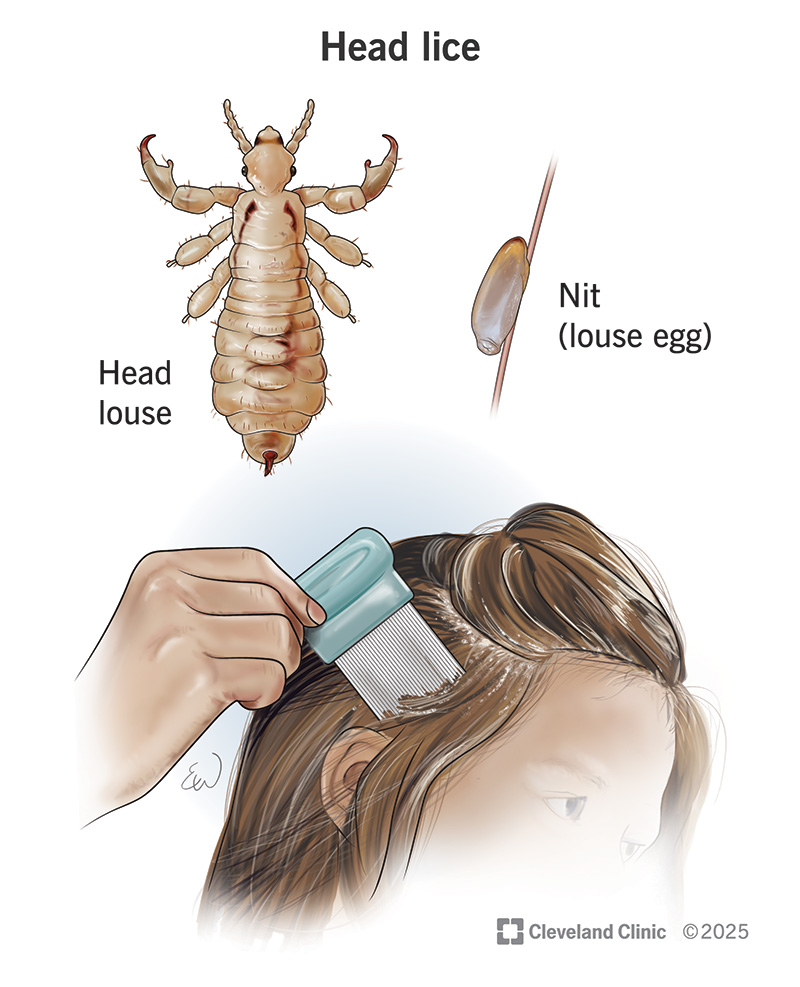
Nits are the eggs of head lice, tiny insects that infest the hair and scalp. Head lice lay their eggs close to the base of the hair shafts, typically behind the ears or at the nape of the neck. Nits are attached to the hair shafts with a sticky substance, making them difficult to remove.
How long do nits live?
Nits take about 8-9 days to hatch into nymphs, which are young lice. Once hatched, the empty nit shell remains attached to the hair. Nits can survive for up to two weeks before hatching, making it crucial to remove them to prevent further infestation.
Why are nits a problem?
Nits may not cause any immediate discomfort, but they can lead to intense itching and discomfort when they hatch into lice. Head lice infestations can spread easily, especially in environments where people are in close proximity. This makes nits a common issue among school-age children. It is essential to address nits promptly to prevent the spread of lice and minimize the associated discomfort and embarrassment.
Identifying Nits in Your Hair
What do nits look like?
Nits are small and oval-shaped, similar in appearance to tiny grains of sand. They are usually light brown or yellowish in color and can sometimes be mistaken for dandruff. However, unlike dandruff, nits are firmly attached to the hair shaft and do not easily flake off.
How can you tell if you have nits?
You may have nits if you experience persistent itching on your scalp, notice small white or yellowish specks attached to your hair shafts, or if you see adult lice crawling in your hair. It is important to check your hair thoroughly, especially behind your ears and at the back of your neck, as these are common areas where nits are found.
Where do nits typically appear in the hair?
Nits are usually found close to the scalp, within a centimeter or two from the hair roots. They are commonly seen behind the ears, at the nape of the neck, or around the crown of the head. Nits may also be present throughout the hair, particularly if the infestation is severe.

Effective Treatment Options
Over-the-counter treatments
Over-the-counter treatments are readily available and can be an effective way to eliminate nits. These treatments often contain chemicals that kill lice and their eggs. It is crucial to follow the instructions provided with the product and repeat the treatment as recommended to ensure all nits and lice are eradicated.
Prescription treatments
In cases where over-the-counter treatments fail to eliminate nits, prescription treatments may be necessary. These treatments usually contain stronger chemicals to effectively kill lice and their eggs. It is important to consult a healthcare professional to determine the most suitable prescription treatment based on your specific situation.
Home remedies for nits
Alternatively, some individuals prefer to use home remedies to treat nits. Tea tree oil, neem oil, and coconut oil are commonly suggested natural remedies for lice infestations. These oils are believed to have insecticidal properties that can help suffocate and kill lice. However, it is important to note that the efficacy of home remedies may vary and they may not be as reliable as clinically proven treatments.
Using Over-the-Counter Treatments
Choosing the right product
When selecting an over-the-counter treatment for nits, it is important to consider the ingredients, the age restrictions, and the effectiveness of the product. Look for treatments that specifically mention their ability to kill both lice and nits. Reading reviews and seeking recommendations from healthcare professionals or other individuals who have successfully treated nits can also be helpful.
How to apply the treatment
Before applying the treatment, carefully read and follow the instructions provided with the product. Typically, the treatment is applied to dry hair and left on for a specified amount of time. Afterward, the hair should be thoroughly rinsed and combed to remove any dead lice or eggs. It is crucial to completely cover the scalp and hair strands while applying the treatment to ensure all nits and lice are targeted.
Follow-up care and reapplication
Even with successful initial treatment, it is important to continue monitoring the hair for any signs of reinfestation. Regularly combing the hair with a nit comb can help to remove any missed nits or newly hatched lice. If necessary, follow the instructions for reapplication of the treatment to fully eliminate any remaining nits.
Understanding Prescription Treatments
When to consider prescription treatments
Prescription treatments are typically recommended when over-the-counter options have failed to eliminate nits or when the infestation is severe. A healthcare professional can assess the situation and determine if a prescription treatment would be the most effective course of action.
Types of prescription treatments available
There are several types of prescription treatments available for nits, including lotions, shampoos, and sprays. These treatments usually contain stronger chemicals, such as malathion, benzyl alcohol, or spinosad, which are more potent in killing lice and nits. The healthcare professional will prescribe the most appropriate treatment based on the individual’s age, health condition, and the severity of the infestation.
Consulting a healthcare professional
It is essential to consult a healthcare professional before using prescription treatments for nits. They will be able to provide guidance on the proper application and usage of the prescribed treatment. They can also address any concerns or questions you may have, ensuring a safe and successful outcome.
Natural Remedies to Get Rid of Nits
Tea tree oil
Tea tree oil is a popular natural remedy for treating various skin conditions and may also be effective in combating nits. It is believed that tea tree oil’s strong scent and antiseptic properties can suffocate and kill lice. To use tea tree oil as a treatment, dilute a few drops in a carrier oil, like olive oil or coconut oil, and apply it to the scalp and hair. Leave it on for a few hours or overnight, then comb through the hair with a fine-tooth comb to remove dead lice and nits.
Neem oil
Neem oil is derived from the neem tree and has been traditionally used in Ayurvedic medicine for its insecticidal properties. It is thought to disrupt the life cycle of lice and inhibit their ability to lay eggs. To use neem oil as a treatment, mix it with a carrier oil and apply it generously to the scalp and hair. Leave it on for several hours, then comb through the hair to remove dead lice and nits.
Coconut oil
Coconut oil is a versatile natural remedy that is widely used for its moisturizing and antimicrobial properties. While coconut oil alone may not directly kill lice, it is believed to suffocate them by clogging their breathing holes. To use coconut oil as a treatment, apply it generously to the scalp and hair, ensuring all strands are covered. Leave it on overnight to allow the oil to suffocate the lice and nits, then comb through the hair to remove them.

Combing Techniques to Remove Nits
Wet combing
Wet combing involves applying a generous amount of conditioner to wet hair and using a fine-toothed comb, also known as a nit comb, to carefully comb through the hair from the roots to the ends. This method helps to remove both dead and live lice, as well as any nits that may be attached to the hair shafts. It is essential to repeat wet combing regularly to ensure complete removal.
Dry combing
Dry combing is similar to wet combing but is performed on dry hair. However, dry combing is typically less effective than wet combing, as the comb may not glide as smoothly through the hair. Dry combing can be used as a preventive measure to catch any missed nits or lice, but it is recommended to combine it with wet combing for optimal results.
Using a nit comb
A nit comb is a specialized comb designed with fine, closely spaced teeth. When combing through the hair, the nit comb catches and removes nits and lice from the hair shafts. It is important to thoroughly clean the nit comb after each use to prevent reinfestation. Soaking the comb in hot water or using a disinfectant solution can help eliminate any lice or nits that may be trapped in the teeth.
Preventing Reinfestation
Cleaning and disinfecting your belongings
To prevent reinfestation, it is crucial to wash and disinfect any personal items that may have come into contact with the infested hair. This includes bedding, clothing, hats, hair accessories, and brushes or combs. Items should be washed in hot water and dried on high heat or placed in a sealed bag for at least two weeks. Vacuuming upholstered furniture, car seats, and carpets can also help remove any stray lice or nits.
Avoiding head-to-head contact
To minimize the risk of spreading nits and lice, it is important to avoid head-to-head contact with infested individuals. This includes avoiding activities that involve close contact, such as sharing hats, combs, or headphones. Educating family members or friends about the risk and importance of prevention can also help prevent reinfestation.
Regularly checking for nits
Regularly checking the hair and scalp for nits can help detect any early infestations before they become more severe. Implementing routine checks, especially in environments where head lice may be common, such as schools or daycare centers, can help identify nits early on and prevent the spread to others.

Dealing with Nits in the Household
Washing bedding and clothing
To eliminate any potential nits or lice from bedding and clothing, it is recommended to wash them in hot water. Use an appropriate detergent and tumble dry on high heat. If washing is not possible, placing infested items in a sealed bag for at least two weeks can also help suffocate any remaining nits or lice.
Vacuuming and cleaning
Vacuuming the floors, furniture, and any other areas where infested individuals may have come into contact can help remove stray nits and lice. Pay extra attention to carpets, upholstery, and car seats. Additionally, regular cleaning of the living areas can reduce the likelihood of nits and lice finding a new host.
Freezing or bagging infested items
If certain items cannot be washed or vacuumed, freezing them for at least two days can effectively kill any nits or lice. Alternatively, sealing infested items in a plastic bag and leaving them untouched for two weeks can also suffocate the nits and lice.
Seeking Professional Help
When to consult a healthcare professional
If over-the-counter treatments or home remedies have not successfully eliminated nits or if the infestation persists despite multiple attempts, it is advisable to consult a healthcare professional. They can assess the situation, provide expert advice, and prescribe stronger treatments if necessary.
Visiting a lice removal salon
Lice removal salons specialize in the identification and removal of nits and lice. They use various techniques and products to effectively eliminate the infestation. If you prefer professional assistance, visiting a lice removal salon can ensure a thorough and efficient treatment.
Working with a school nurse
In school settings where nits and lice infestations are common, the school nurse can be a valuable resource. They are well-versed in identifying and treating nits and lice, and can provide guidance and support to affected individuals and their families. The school nurse can also assist in implementing preventive measures to minimize the spread of nits and lice within the school community.
In conclusion, understanding nits is crucial in effectively treating and preventing their infestation. By familiarizing yourself with the appearance of nits, selecting the appropriate treatment option, and implementing preventive measures, you can successfully tackle nits and prevent their reinfestation. Remember, early detection and prompt action are key in eradicating nits and keeping your hair and scalp healthy and lice-free.
