
ACL injuries can be a major setback for athletes of any level, causing pain, decreased mobility, and a long road to recovery. However, there are steps you can take to protect yourself from these common injuries. In this article, you will discover effective strategies and exercises that can help prevent ACL injuries, allowing you to stay active and perform at your best. Whether you’re a professional athlete or simply enjoy staying active, these tips will guide you towards a stronger and more resilient body.
Proper Warm-up and Stretching
Dynamic warm-up exercises
To prevent ACL injuries, it is crucial to properly warm up your body before engaging in any physical activity. Dynamic warm-up exercises are an effective way to prepare your muscles and joints for the movements they will encounter during sports or exercise. These exercises involve active movements that increase your heart rate and warm up your muscles. Examples of dynamic warm-up exercises include jogging in place, high knees, butt kicks, and leg swings. By incorporating dynamic warm-up exercises into your routine, you can improve your flexibility, coordination, and overall performance.
Stretching exercises
Stretching is an essential component of injury prevention, particularly for the ACL. To ensure the flexibility and mobility of your muscles and joints, it is crucial to perform stretching exercises regularly. Static stretching, where you hold a stretch for a certain amount of time, can improve your range of motion and decrease muscle tightness. Focus on stretching your quadriceps, hamstrings, calves, and hip flexors – the key muscle groups that surround and support the knee joint. Incorporating these stretching exercises into your warm-up routine can significantly reduce the risk of ACL injuries.
Strength Training and Conditioning
Specific exercises to strengthen the lower body
Building strength in the lower body is vital for ACL injury prevention. It helps to stabilize the knee joint and reduce strain on the ligaments. Incorporating exercises that target the quadriceps, hamstrings, glutes, and calf muscles can enhance balance, stability, and overall strength. Examples of lower body strengthening exercises include squats, lunges, deadlifts, leg press, calf raises, and step-ups. By regularly incorporating these exercises into your routine, you can improve your ability to withstand the demands of sports and activities, reducing the risk of ACL injuries.
Core strengthening exercises
A strong core plays a significant role in preventing ACL injuries. Your core muscles provide stability and support to your entire body, including your lower back and pelvis. When your core is weak, it can lead to poor posture and improper movement patterns, increasing the risk of ACL injuries. Incorporating exercises such as planks, Russian twists, bicycle crunches, and supermans can help strengthen your core muscles. By maintaining a strong core, you can enhance your body’s stability and alignment, reducing the strain on your knees and minimizing the risk of ACL injuries.
Balance and stability training
Improving your balance and stability is essential for ACL injury prevention. By enhancing your proprioception – your body’s ability to sense its position in space – you can reduce the risk of sudden movements that may cause ACL tears or strains. Balance and stability exercises challenge your body’s ability to maintain equilibrium and control its position. Examples of balance and stability exercises include single-leg reaches, single-leg squats, and Bosu ball exercises. By incorporating these exercises into your training routine, you can improve your body’s awareness, control, and stability, reducing the risk of ACL injuries.
Plyometric exercises
Plyometric exercises, also known as jump training, can help prevent ACL injuries by improving your lower body power and control. These exercises involve quick and explosive movements that strengthen the muscles and tendons surrounding the knee joint. Examples of plyometric exercises include box jumps, squat jumps, lateral bounds, and depth jumps. When performing plyometric exercises, it is important to ensure proper landing techniques, such as landing softly with bent knees. By gradually incorporating plyometric exercises into your training program, you can enhance your neuromuscular control and reduce the risk of ACL injuries.
Proper Footwear and Equipment
Choose appropriate shoes for your activity
Selecting the right footwear is crucial for ACL injury prevention. Different sports and activities require specific types of shoes that provide proper support, cushioning, and stability for the feet and ankles. For example, if you participate in activities that involve a lot of running or jumping, opt for shoes with good shock absorption and ankle support. Basketball players may benefit from high-top shoes that provide additional stability for quick lateral movements. Keep in mind that the proper fit and comfort of the shoes are equally important. Wearing shoes that are too big or too small can lead to instability and increase the risk of ACL injuries. Choose shoes that are specifically designed for your activity and ensure they fit you properly.
Wear knee braces or supports if necessary
In some cases, wearing knee braces or supports may be recommended for ACL injury prevention. Knee braces can provide additional stability and support to the knee joint, reducing the risk of excessive movements that may lead to ACL tears. They can also be beneficial for individuals who have had previous knee injuries or are at a higher risk of ACL injuries due to their sport or activity. Consult with a healthcare professional or sports medicine specialist to determine if wearing knee braces or supports is appropriate for you. They can assess your specific needs and recommend the right type of brace or support for your situation.
Proper Technique and Form
Learn the correct technique for your sport or activity
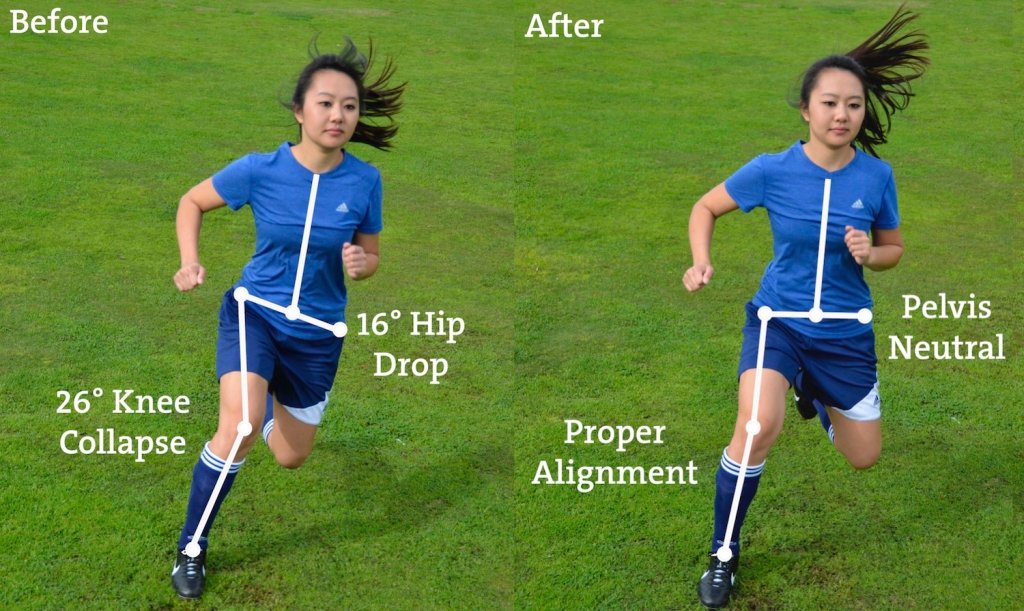
Proper technique and form are essential in preventing ACL injuries. Understanding and mastering the correct movement patterns specific to your sport or activity can significantly reduce the risk of ACL tears or strains. It is important to work with a qualified coach or trainer who can teach you the proper techniques and help you develop the necessary skills. Whether it is proper landing techniques in basketball or correct cutting and pivoting in soccer, focusing on proper technique can minimize the strain on your knee joints and lower the risk of ACL injuries.
Maintain proper posture during movements
Maintaining proper posture and body alignment is crucial for ACL injury prevention. Poor posture can lead to imbalances and misalignments in the body, increasing the risk of ACL strains or tears. When engaging in physical activities, pay attention to your body’s alignment and posture. Keep your shoulders back, chest lifted, core engaged, and knees in line with your toes. Avoid excessive forward leaning or rounding of the shoulders, as these positions put unnecessary stress on your knees. By maintaining proper posture and body mechanics during movements, you can minimize the strain on the ACL and other supporting structures, reducing the risk of injury.

Gradual Progression and Training
Avoid sudden increases in intensity or duration of activity
Gradual progression is key to ACL injury prevention. Avoid making sudden increases in the intensity or duration of your activities, as this can put significant stress on your knee joints and increase the risk of ACL injuries. Instead, focus on gradually progressing your training program, allowing your body time to adapt to the new demands. Whether it is increasing the speed, distance, or duration of your activities, take a gradual approach. Slowly build up your strength, endurance, and skill level to minimize the risk of ACL injuries.
Allow adequate rest and recovery time
Rest and recovery are vital components of ACL injury prevention. Giving your body enough time to rest and recover between training sessions allows your muscles, ligaments, and joints to repair and regenerate. Overtraining and insufficient rest can lead to fatigue, muscle imbalances, and increased injury risk. Aim to incorporate rest days into your training schedule and prioritize quality sleep to ensure adequate recovery. Additionally, consider incorporating active recovery activities, such as gentle stretching or low-impact exercises, to promote blood flow and aid in muscle repair. By allowing your body enough rest and recovery time, you can optimize your performance and reduce the risk of ACL injuries.
Reduce Risk Factors
Maintain a healthy body weight
Maintaining a healthy body weight is crucial for ACL injury prevention. Excess weight puts additional stress on your knee joints, increasing the risk of ACL strains or tears. By maintaining a healthy weight through regular exercise and a balanced diet, you can reduce the strain on your knees and minimize the risk of ACL injuries. Consult with a healthcare professional or nutritionist to develop a personalized plan that suits your individual needs and goals.
Avoid excessive impact on the knees
Excessive impact on the knees can significantly increase the risk of ACL injuries. Activities such as jumping from heights, landing on hard surfaces, or participating in high-impact sports can place excessive stress on your knee joints. It is important to be mindful of the impact forces your knees are subjected to and take appropriate precautions. When possible, opt for low-impact activities or modify high-impact activities to reduce strain on your knees. For example, instead of pounding the pavement during a run, consider running on softer surfaces such as grass or trails.
Modify activities if needed to reduce strain on the knees
It is crucial to listen to your body and modify activities if needed to reduce the strain on your knees. If you experience discomfort, pain, or fatigue in your knees during certain sports or activities, consider modifying or replacing them with lower-impact alternatives. For instance, if running causes knee pain, consider swimming or cycling as alternative cardiovascular exercises that put less stress on your knees. By making these modifications, you can continue to stay active while reducing the risk of ACL injuries.

Proper Nutrition and Hydration
Eat a balanced diet
Proper nutrition plays a significant role in ACL injury prevention. Eating a balanced diet that provides your body with essential nutrients, vitamins, and minerals can support overall musculoskeletal health and reduce the risk of injuries. Ensure that your diet includes a variety of fruits, vegetables, whole grains, lean proteins, and healthy fats. These nutrients provide the building blocks your body needs for muscle repair, bone strength, and joint health. Consult with a healthcare professional or registered dietitian to develop a personalized nutrition plan that meets your individual needs and supports your athletic performance.
Stay hydrated before, during, and after exercise
Staying hydrated is crucial for preventing ACL injuries. Dehydration can lead to muscle cramps, fatigue, and reduced coordination, increasing the risk of ACL strains or tears. It is important to drink enough fluids before, during, and after exercise to maintain proper hydration. Aim to drink water or sports drinks regularly, especially during intense physical activities or in hot weather conditions. Hydrating adequately before, during, and after exercise helps ensure optimal muscle function, joint lubrication, and overall performance, reducing the risk of ACL injuries.
Listen to Your Body
Recognize and address any pain or discomfort
Listening to your body is essential for ACL injury prevention. Pay attention to any pain, discomfort, or unusual sensations you may experience in your knees. Pain and discomfort can be warning signs of underlying issues or potential ACL injuries. If you notice any symptoms, it is important to address them promptly by resting, applying ice, and seeking medical attention if needed. Ignoring pain or pushing through discomfort can lead to further damage and prolong your recovery time.
Seek medical attention if necessary
If you suspect an ACL injury or experience severe pain, swelling, or instability in your knee, it is crucial to seek medical attention promptly. ACL injuries typically require a professional diagnosis and appropriate treatment plan. A healthcare professional or orthopedic specialist can evaluate your condition, conduct any necessary imaging tests, and recommend the best course of action for your specific situation. Early intervention and proper medical care can significantly improve your chances of recovering fully from an ACL injury.
Follow a rehabilitation program if recovering from a previous ACL injury
If you have previously experienced an ACL injury, following a comprehensive rehabilitation program is essential to prevent reinjury. Rehabilitation programs typically involve a combination of strength training, flexibility exercises, balance and stability training, and gradual return to activity protocols. Working with a physical therapist or sports medicine specialist can help ensure that you follow a structured and effective rehabilitation program tailored to your specific needs. By diligently following a rehabilitation program, you can rehabilitate your knee, rebuild strength and stability, and reduce the risk of future ACL injuries.

Regular Performance Assessments
Regularly evaluate your physical condition and performance
Regular performance assessments are essential for ACL injury prevention. By evaluating your physical condition and performance periodically, you can identify any weaknesses, imbalances, or areas for improvement. Assessments may include measurements of strength, endurance, flexibility, agility, and balance. Having a baseline understanding of your current physical capabilities allows you to set realistic goals and track your progress over time. Regular assessments can help you identify areas that require additional attention or modification in your training program, leading to a reduced risk of ACL injuries.
Identify areas for improvement and implement appropriate training techniques
Following performance assessments, it is important to identify areas for improvement and implement appropriate training techniques. Based on the assessment results, you can target specific weaknesses or imbalances by incorporating exercises or training methods that address those areas. For example, if your assessment reveals poor balance or asymmetry, you can focus on balance and stability training exercises to improve those areas. By addressing these weaknesses and implementing targeted training techniques, you can enhance your overall performance and reduce the risk of ACL injuries.
Proper Rest and Recovery
Include rest days in your training schedule
Rest is an integral part of ACL injury prevention. Incorporating rest days into your training schedule allows your body to recover and repair from the physical stress placed on it during exercise. Rest days give your muscles, ligaments, and joints time to regenerate, reducing the risk of overuse injuries, including ACL strains or tears. It is important to listen to your body and recognize the signs of fatigue or overtraining. Plan rest days strategically, ensuring you have at least one or two days of rest each week, depending on the intensity and volume of your training.
Get enough sleep and prioritize recovery
Adequate sleep is crucial for ACL injury prevention and overall athletic performance. During sleep, your body undergoes essential processes that promote tissue repair, hormone production, and immune function. Getting enough sleep allows your body to recover from physical exertion, reducing the risk of fatigue-related injuries. Aim for seven to nine hours of quality sleep per night. Additionally, prioritize recovery activities such as foam rolling, stretching, or massage to further enhance your body’s repair and regeneration processes. A well-rested and recovered body is better equipped to withstand the demands of physical activities, reducing the risk of ACL injuries.
In conclusion, preventing ACL injuries requires a comprehensive approach that encompasses proper warm-up and stretching, strength training, proper footwear and equipment, technique and form, gradual progression and training, risk reduction strategies, proper nutrition and hydration, listening to your body, regular performance assessments, and adequate rest and recovery. By following these guidelines and implementing the suggested strategies, you can significantly reduce the risk of ACL injuries and ensure a safer and more enjoyable experience during your sports and physical activities. Remember to consult with healthcare professionals, coaches, or trainers for personalized guidance and advice to optimize your injury prevention efforts. Stay active, stay safe, and enjoy the many benefits of an active lifestyle!
