
In today’s fast-paced world, it’s becoming increasingly important to understand how to prevent ADHD, also known as Attention Deficit Hyperactivity Disorder. This article aims to provide you with valuable tips and strategies that can help both children and adults manage their symptoms and promote healthy cognitive development. By implementing simple lifestyle changes, creating supportive environments, and utilizing effective coping mechanisms, you can take proactive steps towards preventing ADHD and nurturing a balanced mind. Get ready to embark on a journey of self-discovery and explore the power of preventative measures against ADHD.

1. Understanding ADHD
Attention Deficit Hyperactivity Disorder (ADHD) is a neurodevelopmental disorder that affects both children and adults. It is characterized by persistent patterns of inattention, hyperactivity, and impulsivity that can significantly impact daily functioning and quality of life. Understanding the basics of ADHD can help in recognizing and addressing the challenges associated with this condition.
1.1 What is ADHD?
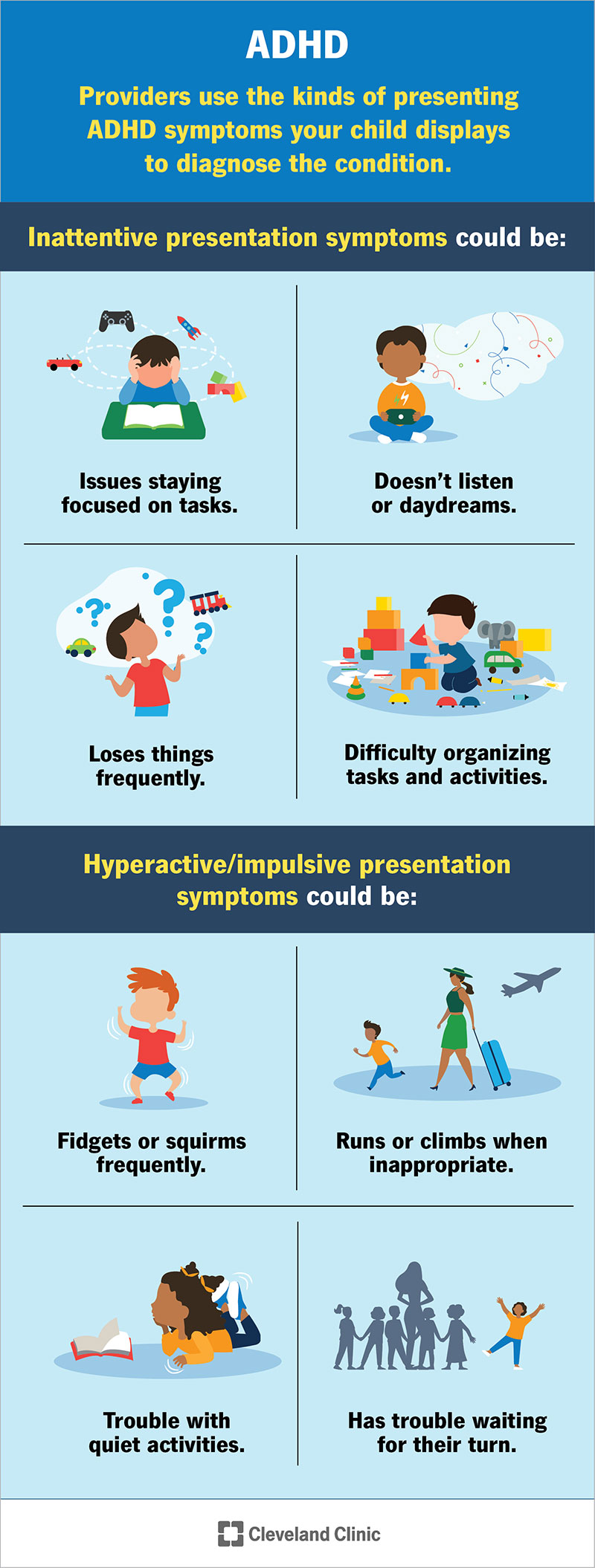
ADHD is a condition that affects the brain’s executive functions, which are responsible for managing tasks, organizing thoughts, and regulating emotions. People with ADHD often struggle with paying attention, staying organized, and controlling impulses. There are three main types of ADHD: predominantly inattentive, predominantly hyperactive-impulsive, and combined presentation.
1.2 Causes of ADHD
While the exact cause of ADHD is unknown, research suggests that a combination of genetic, environmental, and neurological factors may contribute to its development. Studies have found that certain genes involved in the regulation of dopamine, a neurotransmitter linked to attention and reward, may play a role in ADHD. Additionally, factors such as exposure to tobacco smoke during pregnancy, premature birth, and early childhood lead exposure have been associated with an increased risk of developing ADHD.
1.3 Risk factors for ADHD
There are several known risk factors that may increase the likelihood of developing ADHD. These include a family history of ADHD or other mental health disorders, exposure to environmental toxins during pregnancy, low birth weight, a history of traumatic brain injury, and certain prenatal and perinatal complications. Understanding these risk factors can help identify individuals who may be at a higher risk of developing ADHD and allow for early intervention and support.
1.4 Common symptoms of ADHD
The symptoms of ADHD can vary depending on the individual and the type of ADHD they have. Some common symptoms include difficulty paying attention, forgetfulness, impulsivity, hyperactivity, disorganization, poor time management, and difficulty staying focused on tasks. It is important to note that not everyone with ADHD will experience all these symptoms, and the severity and impact can also vary widely. If you suspect you or someone you know may have ADHD, it is crucial to seek a professional diagnosis from a healthcare provider or mental health specialist.
2. Promoting a Healthy Lifestyle
Maintaining a healthy lifestyle is essential for individuals with ADHD as it can help manage symptoms and improve overall wellbeing. Here are some key areas to focus on:
2.1 Balanced Diet
A well-balanced diet can provide the necessary nutrients to support brain function and minimize symptoms of ADHD. Including a variety of fruits, vegetables, whole grains, proteins, and healthy fats in your diet can help regulate energy levels, enhance concentration, and support overall cognitive health. It is also beneficial to limit the consumption of sugary foods and drinks, as they can contribute to hyperactivity and impulsivity.
2.2 Regular Exercise
Engaging in regular physical activity has shown to be beneficial for individuals with ADHD. Exercise helps release endorphins, which are natural mood enhancers and can reduce symptoms of anxiety and depression often associated with ADHD. It also promotes better sleep, improves focus and attention, and helps manage excess energy. Encouraging activities such as swimming, biking, hiking, team sports, or even regular walks can make a significant difference in managing ADHD symptoms.
2.3 Adequate Sleep
Getting enough quality sleep is crucial for individuals with ADHD. Lack of sleep can worsen symptoms such as inattention, irritability, and impulsivity. Establishing a consistent sleep routine and creating a calm and conducive bedroom environment can help improve sleep quality. Avoiding electronic devices, caffeine, and stimulating activities before bedtime can also contribute to better sleep hygiene.
2.4 Minimizing Screen Time
Excessive screen time, such as TV, video games, and online activities, can interfere with attention and contribute to ADHD symptoms. It is important to set limits on screen time and encourage other activities that promote focus and engagement, such as reading, puzzles, arts and crafts, or outdoor play. Creating a screen-free zone during mealtimes and enforcing regular breaks from screens throughout the day can also be beneficial.
3. Parenting Strategies
Parenting a child with ADHD can present unique challenges, but there are effective strategies that can help support their development and wellbeing.
3.1 Establishing routines
Establishing consistent routines and structures can provide a sense of predictability and help children with ADHD better manage their time and tasks. Setting specific times for meals, homework, chores, and bedtime can create a sense of order and reduce stress. Using visual cues, such as checklists, calendars, or timers, can also aid in keeping track of daily activities and responsibilities.
3.2 Effective discipline techniques
Discipline strategies for children with ADHD should focus on positive reinforcement and clear expectations. Offering praise and rewards for desired behaviors can encourage motivation and build self-esteem. Implementing logical consequences for unwanted behaviors, such as loss of privileges, can help teach responsibility and accountability. It is important to remember that discipline should be consistent, fair, and tailored to the individual needs and abilities of the child.
3.3 Setting clear expectations
Clear and concise communication is essential when setting expectations for children with ADHD. Breaking tasks into smaller, more manageable steps and providing visual aids or verbal reminders can help improve understanding and follow-through. Using clear and specific language and reinforcing instructions with visual cues can minimize confusion and frustration.
3.4 Encouraging positive behavior
Fostering a positive and supportive environment can greatly benefit children with ADHD. Praising and recognizing their efforts, strengths, and accomplishments can boost self-confidence and encourage positive behavior. Encouraging activities that align with their interests and strengths can also help build their self-esteem and improve their overall sense of competence.
4. Creating a Supportive Environment
Creating a supportive environment at home and school can greatly enhance the success and well-being of individuals with ADHD.
4.1 Organizational strategies
Implementing organizational strategies can help individuals with ADHD manage their belongings and minimize distractions. Using color-coding systems, labels, bins, or shelves can aid in decluttering and maintaining an organized space. Creating designated areas for specific activities, such as studying, playing, or relaxing, can also help establish structure and promote focus.
4.2 Reducing clutter
A clutter-free environment can help reduce sensory overload and improve concentration. Regular decluttering sessions and creating designated storage spaces for belongings can make it easier to find and manage items. Teaching and reinforcing organizational skills, such as using calendars, planners, or digital tools, can further support individuals with ADHD in staying organized and on top of their responsibilities.
4.3 Eliminating distractions
Minimizing external distractions can significantly improve attention and task completion for individuals with ADHD. Creating a quiet and calm study area, removing unnecessary noise or visual stimuli, and providing noise-cancelling headphones can help create a focused environment. It is also beneficial to limit access to electronic devices or online distractions during specific times or until particular tasks or responsibilities are complete.
4.4 Proper seating arrangements
Choosing the right seating arrangements can enhance focus and attention, especially in learning environments. For individuals with ADHD, seating them away from distractions, such as windows or high-traffic areas, can help minimize environmental stimuli. Providing comfortable seating options that allow for movement, such as stability balls or standing desks, can also promote better engagement and concentration.

5. Identifying and Addressing Learning Difficulties
Individuals with ADHD may face challenges in the classroom, but with appropriate support and accommodations, they can thrive academically.
5.1 Early detection and intervention
Early detection and intervention are crucial for identifying learning difficulties related to ADHD. Regular communication between parents, teachers, and healthcare professionals can help identify any areas of concern and develop appropriate strategies or interventions. Early interventions, such as educational support, behavior therapy, or tutoring programs, can help address specific learning challenges and prevent academic setbacks.
5.2 Individualized education plans
Individualized education plans (IEPs) or 504 plans can provide students with ADHD the necessary accommodations and support in the educational setting. These plans outline specific goals, modifications, and resources that can optimize learning and minimize barriers. Examples of accommodations may include extended time for assignments or exams, preferential seating, or the use of assistive technologies.
5.3 Classroom accommodations
Teachers can implement various classroom accommodations to support students with ADHD. Providing visual aids, such as visual schedules or charts, can enhance understanding and organization. Allowing frequent breaks or movement opportunities can help manage restlessness and improve focus. Breaking down complex tasks into smaller steps and providing clear instructions can also aid in task completion.
5.4 Specialized tutoring programs
Specialized tutoring programs can offer targeted support for individuals with ADHD who may require additional academic assistance. These programs can provide personalized instruction, strategies for organization and time management, and guidance in developing effective study skills. Tutoring sessions can focus on areas of weakness and promote academic success and confidence.
6. Managing Stress and Anxiety
Stress and anxiety can significantly impact individuals with ADHD, but there are effective strategies to help manage and cope with these challenges.
6.1 Stress reduction techniques
Implementing stress reduction techniques can alleviate anxiety and promote overall well-being. Activities such as deep breathing exercises, mindfulness, yoga, or engaging in hobbies and interests can help regulate emotions and reduce stress levels. Encouraging regular physical activity and providing opportunities for relaxation and downtime can also contribute to stress reduction.
6.2 Teaching coping skills
Teaching individuals with ADHD effective coping skills can empower them to better manage stress and anxiety. Techniques such as problem-solving strategies, positive self-talk, and stress management techniques can help individuals develop resilience and better navigate challenging situations. Encouraging open communication and providing a supportive and non-judgmental environment can also foster healthy coping mechanisms.
6.3 Relaxation exercises
Practicing relaxation exercises can be beneficial in reducing anxiety and promoting calmness. Techniques such as progressive muscle relaxation, guided imagery, or listening to calming music can help individuals with ADHD unwind and regain focus. Engaging in activities that promote relaxation, such as taking baths, reading, or spending time in nature, can also aid in stress management.
6.4 Encouraging open communication
Creating an environment where individuals with ADHD feel comfortable expressing their thoughts, concerns, and emotions is crucial. Encouraging open communication and active listening can foster a sense of trust and support. Regular check-ins and conversations about feelings and challenges can provide opportunities for problem-solving and offer emotional validation.
7. Utilizing Assistive Technologies
Assistive technologies can be valuable tools in helping individuals with ADHD manage their tasks, time, and overall organization.
7.1 Assistive devices for organization
Various assistive devices can aid in organization and task management for individuals with ADHD. Digital calendars, reminder apps, or task management tools can provide visual cues and alerts to keep track of important dates and deadlines. Voice recorders or note-taking apps can assist in capturing and organizing important information. The use of timers and alarms can also help with time management and task completion.
7.2 Tools for time management
Time management tools can greatly benefit individuals with ADHD in staying on track and managing their schedules effectively. Visual timers or countdown clocks can provide a sense of time passing and aid in transitioning between activities. Breaking tasks into smaller time increments and using timers to allocate specific amounts of time for each task can enhance focus and productivity.
7.3 Digital apps and reminders
Numerous digital apps and reminders specifically designed for individuals with ADHD are available today. These apps can help manage various aspects of daily life, such as medication reminders, habit trackers, or organization tools. Some apps offer features like color-coding, visual schedules, or customizable notifications to suit individual needs. Exploring different apps and finding ones that work best for you can significantly enhance organization and productivity.
7.4 Text-to-speech and speech-to-text tools
Text-to-speech and speech-to-text tools can assist individuals with ADHD in managing written tasks. Speech-to-text software allows users to dictate their thoughts and ideas, which can be especially helpful for those who struggle with handwriting or typing speed. Text-to-speech software can read out written content, making it easier to proofread and catch errors. These tools can make studying, writing papers, and taking notes more accessible and efficient.
8. Seeking Professional Help
Seeking professional help is crucial in managing ADHD effectively and ensuring optimal support and care.
8.1 Psychological evaluations
Psychological evaluations conducted by healthcare professionals or psychologists specializing in ADHD can help determine an accurate diagnosis and understand the individual’s unique strengths and challenges. These evaluations may include intellectual or cognitive assessments, behavioral observations, interviews, and questionnaires. The results can inform the development of personalized treatment plans and guide appropriate interventions.
8.2 Cognitive-behavioral therapy
Cognitive-behavioral therapy (CBT) is a widely recognized therapeutic approach that can benefit individuals with ADHD. CBT aims to identify and modify negative thought and behavior patterns and develop effective coping strategies. It can help individuals with ADHD understand the connection between their thoughts, emotions, and behaviors, and provide tools for managing impulsivity, improving focus, and building resilience.
8.3 Medication options
Medication may be recommended for managing ADHD symptoms, especially when other interventions have proven insufficient. Stimulant medications, such as methylphenidate or amphetamines, are commonly prescribed to help increase attention and reduce hyperactivity and impulsivity. Non-stimulant medications, such as atomoxetine or guanfacine, may also be prescribed when stimulants are not appropriate or well-tolerated. It is important to consult with a healthcare professional to discuss the benefits, potential risks, and side effects of medication options.
8.4 Support groups and counseling services
Joining support groups or seeking counseling services can provide individuals with ADHD and their families a sense of community, understanding, and emotional support. Support groups offer a platform for sharing experiences, gaining valuable insights, and learning effective coping strategies from others facing similar challenges. Counseling services provide a safe space to discuss personal concerns, emotions, and stressors and can help individuals develop skills for managing ADHD and navigating their everyday lives.

9. Building Strong Relationships
Developing strong relationships is essential for individuals with ADHD as it promotes social support and overall well-being.
9.1 Family involvement and support
Family involvement and support play a crucial role in the success and well-being of individuals with ADHD. Creating an open and non-judgmental environment for communication and expressing emotions can foster healthy relationships and enhance self-esteem. Educating family members about ADHD, its challenges, and effective strategies can promote understanding and empathy. Collaborating with family members in implementing routines, organization strategies, and discipline techniques can ensure consistency and support.
9.2 Collaboration with teachers and educators
Collaborating with teachers and educators is vital in optimizing academic success for individuals with ADHD. Regular communication and sharing of information about the student’s needs, accommodations, and progress can facilitate tailored support and interventions. Open lines of communication allow for a collaborative approach in addressing challenges and promoting effective learning strategies. Working together with teachers can help create an inclusive and supportive learning environment.
9.3 Peer relationships and social skills
Building and maintaining positive peer relationships is a significant aspect of a child’s social and emotional development. Individuals with ADHD may face challenges in social situations due to impulsivity, distractibility, or difficulty with social cues. Encouraging the development of social skills, such as active listening, self-control, and empathy, can help improve interpersonal relationships. Engaging children in activities that promote social interaction, such as team sports, clubs, or community programs, can provide opportunities for skill development and building friendships.
10. Education and Awareness
Raising awareness about ADHD is essential to promote understanding, reduce stigma, and ensure access to necessary resources and support.
10.1 Raising awareness about ADHD
Raising awareness involves educating the general public about ADHD, its symptoms, and the challenges individuals face. Increasing awareness can foster empathy, reduce misconceptions, and encourage early identification and intervention. Engaging in conversations, sharing personal experiences, or participating in ADHD awareness campaigns can help combat stigma and promote an inclusive and understanding society.
10.2 Educating communities and schools
Educating communities and schools about ADHD can lead to improved support and accommodations for individuals with ADHD. Sharing information with teachers, administrators, and school personnel can help ensure that appropriate strategies and resources are available to support students with ADHD in the learning environment. Facilitating workshops or training sessions on ADHD for educators and parents can further enhance awareness and empower stakeholders to provide optimal support.
10.3 Accessibility to ADHD resources
Ensuring accessibility to resources such as books, websites, and support services is crucial for individuals with ADHD and their families. Providing easy access to informational materials, evidence-based strategies, and resource directories can help individuals navigate their ADHD journey effectively. Collaborating with healthcare organizations, schools, and community centers can improve the availability and dissemination of useful resources.
10.4 Early education on ADHD
Early education and intervention on ADHD can contribute to better outcomes for individuals with the condition. Promoting ADHD awareness and education in schools, pediatric clinics, and community settings can facilitate early identification and intervention. Teaching children about ADHD, its symptoms, and effective strategies for managing its challenges can foster empathy, reduce stigma, and provide a supportive environment for those affected by ADHD.
In conclusion, understanding ADHD and implementing supportive strategies in various aspects of life can greatly benefit individuals with the condition. By promoting a healthy lifestyle, utilizing effective parenting strategies, creating supportive environments, addressing learning difficulties, managing stress and anxiety, utilizing assistive technologies, seeking professional help, building relationships, and promoting education and awareness, individuals with ADHD can thrive and reach their full potential. Remember, every individual is unique, and it is important to tailor strategies to meet their specific needs and preferences. With the right support, individuals with ADHD can lead fulfilling and successful lives.
