
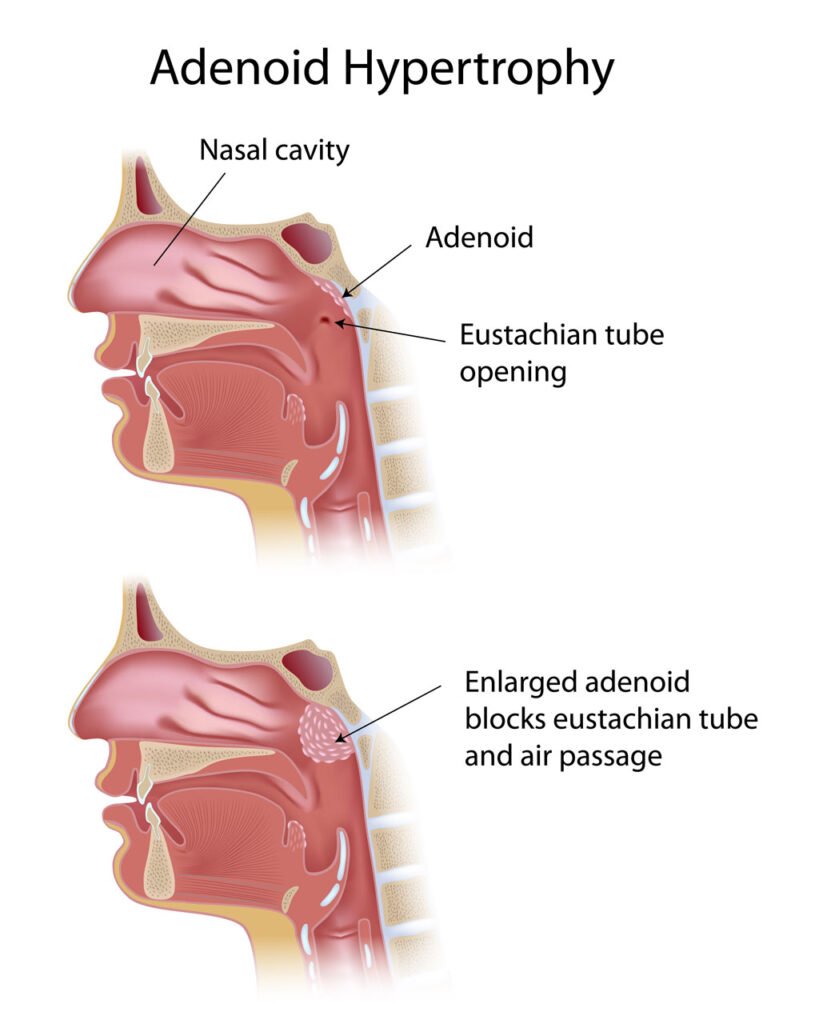
Hey, did you know that there’s a simple way to keep yourself protected from a common ailment called Adenoiditis? Adenoiditis is the inflammation of the adenoids, which are small glands located at the back of your throat. If you want to steer clear of this uncomfortable condition, all you need to do is take a few simple steps. By maintaining good hygiene, boosting your immune system, and avoiding certain irritants, you can significantly reduce the risk of developing Adenoiditis. So, let’s dive in and explore these preventive measures that will help keep you healthy and happy!
Maintain Good Hygiene
Wash Hands Frequently
One of the simplest yet most effective ways to prevent the spread of infections is by washing your hands frequently. Make it a habit to wash your hands before eating, after using the restroom, and after being in public places. Use soap and warm water, and scrub your hands for at least 20 seconds. This helps to get rid of any harmful bacteria or viruses that may be present on your hands.
Avoid Close Contact with Sick Individuals
Adenoiditis, like many other infections, is highly contagious. To reduce your risk of contracting the infection, it’s important to avoid close contact with individuals who are sick. If someone in your household or workplace has adenoiditis or a respiratory infection, try to maintain at least three feet of distance from them. This can significantly lower the chances of transmitting the infection to you.
Cover Mouth and Nose when Sneezing or Coughing
When you sneeze or cough, the droplets expelled from your nose or mouth can carry various bacteria and viruses, including those that cause adenoiditis. To prevent the spread of these infectious droplets, cover your mouth and nose with a tissue or cough/sneeze into the crook of your elbow. Dispose of used tissues properly and immediately wash your hands afterward. By practicing good respiratory hygiene, you can protect yourself and those around you from infections.
Maintain a Healthy Lifestyle
Eat a Balanced Diet
A well-balanced diet plays a crucial role in maintaining a strong immune system, which is essential for preventing infections like adenoiditis. Make sure to include a variety of fruits, vegetables, whole grains, lean proteins, and healthy fats in your daily meals. These nutritious foods provide your body with important vitamins, minerals, and antioxidants that support your immune system’s ability to fight off infections.
Stay Active
Regular physical activity is not only beneficial for your overall health but also helps strengthen your immune system. Engaging in moderate-intensity exercises like brisk walking, cycling, or swimming can enhance the circulation of immune cells in your body and improve your body’s defense against infections. Aim for at least 150 minutes of moderate exercise or 75 minutes of vigorous exercise per week to stay healthy and reduce the risk of adenoiditis.
Get Enough Sleep
Adequate sleep is essential for maintaining a strong immune system and overall well-being. When you sleep, your body repairs and rejuvenates itself, including the immune system. Aim for 7-9 hours of quality sleep every night to support your immune function and reduce the likelihood of infections, including adenoiditis. Establish a consistent sleep routine and create a sleep-friendly environment to ensure you get the restorative sleep your body needs.

Avoid Irritants
Avoid Exposure to Secondhand Smoke
Secondhand smoke is harmful to your respiratory health and can weaken your immune system, making you more susceptible to infections like adenoiditis. Avoid environments where smoking is permitted, and if you are a smoker, consider quitting for the sake of your health. By eliminating exposure to secondhand smoke, you protect your respiratory system and reduce the risk of developing adenoiditis.
Minimize Exposure to Allergens
Allergens such as pollen, dust mites, and pet dander can trigger allergies and respiratory infections, including adenoiditis. Take steps to minimize your exposure to these allergens by keeping your living space clean and dust-free, using allergy-proof bedding covers, and keeping windows closed during high pollen seasons. If your allergies are severe, consult with a healthcare professional for further advice and treatment options.
Keep Indoor Air Quality High
Maintaining good indoor air quality is essential for your respiratory health and preventing infections. To achieve this, ensure proper ventilation in your home by opening windows or using air purifiers. Regularly clean and replace air filters in your HVAC system to remove any pollutants or allergens. By creating a clean and fresh indoor environment, you reduce the risk of respiratory infections like adenoiditis.
Immunize
Follow Immunization Schedule
Immunizations are a vital aspect of preventing infections and strengthening your immune system. Make sure to follow the recommended immunization schedule provided by your healthcare provider. Vaccines for diseases like influenza, measles, mumps, rubella, and pertussis help protect you and those around you from infections. By staying up-to-date with your immunizations, you can reduce the likelihood of contracting adenoiditis and other preventable diseases.
Get Vaccinated against Flu and Other Infections
Influenza, commonly known as the flu, can lead to complications and weaken your immune system, making you more susceptible to adenoiditis and other respiratory infections. It is crucial to get vaccinated against the flu annually, as the virus evolves and new strains emerge. Additionally, consult with your healthcare provider about other recommended vaccinations based on your age, occupation, and lifestyle factors.

Adopt Healthy Habits
Practice Good Oral Hygiene
Maintaining good oral hygiene is not only important for your dental health but also plays a role in preventing infections like adenoiditis. Brush your teeth twice a day with a fluoride toothpaste, floss daily, and visit your dentist regularly for check-ups and cleanings. By keeping your mouth clean and free from harmful bacteria, you reduce the risk of bacterial infections in your respiratory system.
Quit Smoking and Avoid Passive Smoking
Smoking weakens your immune system, damages your respiratory system, and increases the risk of infections, including adenoiditis. If you are a smoker, consider quitting to protect your health. Furthermore, avoid exposure to secondhand smoke as it can have similar harmful effects. By eliminating smoking and passive smoking from your life, you minimize the risk of developing adenoiditis and other respiratory conditions.
Drink Plenty of Water
Proper hydration is essential for maintaining a healthy immune system and promoting overall well-being. Water helps flush out toxins from your body and keeps your respiratory system hydrated and functioning optimally. Aim to drink at least eight glasses of water per day and increase your intake if you engage in physical activity or live in a hot climate. By staying properly hydrated, you support your body’s defense mechanisms and reduce the likelihood of adenoiditis.
Manage Stress
Find Healthy Ways to Manage Stress
Unmanaged stress can have a negative impact on your immune system, making you more vulnerable to infections. It is important to find healthy ways to manage and reduce stress in your life. Engage in activities that bring you joy and relaxation, such as practicing mindfulness, deep breathing exercises, yoga, or spending time in nature. By managing stress effectively, you support your immune system and reduce the risk of adenoiditis.
Practice Relaxation Techniques
Incorporating relaxation techniques into your daily routine can significantly reduce stress and promote overall well-being. Try activities like meditation, progressive muscle relaxation, or listening to calming music. These techniques help activate the relaxation response in your body, which counteracts the negative effects of stress. By practicing regular relaxation, you create a balanced and harmonious state that supports your immune system’s ability to fend off infections.
Stay Hydrated
Drink Sufficient Water Throughout the Day
Staying hydrated is essential for maintaining optimal body functions, including a healthy immune system. Aim to drink water throughout the day, even when you are not feeling thirsty. This helps to keep your mucous membranes moist, which can prevent the entry of harmful bacteria and viruses into your respiratory system. By staying properly hydrated, you support your body’s natural defense mechanisms and reduce the chances of developing adenoiditis.
Avoid Overexertion and Exhaustion
Avoid Overexerting Yourself
Overexertion can weaken your immune system and make you more susceptible to infections. It is important to listen to your body’s signals and avoid pushing yourself beyond your limits. Pace yourself and ensure you have adequate breaks during physical activities or work. By avoiding overexertion, you maintain a balanced immune system and reduce the risk of developing adenoiditis.
Get Adequate Rest
Rest and proper sleep are important for maintaining a strong immune system. Ensure you allocate enough time for restorative rest every day, especially after periods of physical or mental exertion. Give yourself the opportunity to recharge and allow your immune system to regenerate during sleep. By prioritizing adequate rest, you support your body’s resilience and decrease the likelihood of infections like adenoiditis.

Practice Respiratory Hygiene
Cover Mouth and Nose while Sneezing or Coughing
When you cough or sneeze, respiratory droplets containing infectious particles can spread in the surrounding environment. To prevent the transmission of infections, cover your mouth and nose with a tissue or your elbow when coughing or sneezing. This helps to contain the droplets and minimizes the risk of infecting others. Remember to dispose of used tissues immediately and practice proper hand hygiene afterward.
Dispose of Tissues Properly
Used tissues can harbor infectious particles, so it’s important to dispose of them properly. Avoid leaving used tissues lying around or in open trash cans where others may come into contact with them. Immediately discard them in a covered trash bin and wash your hands thoroughly afterward. By proper disposal of tissues, you reduce the chances of contaminating your surroundings and spreading infections like adenoiditis.
Avoid Touching Your Face Frequently
Touching your face, especially your eyes, nose, and mouth, can introduce infectious particles into your body. Try to minimize touching your face, as it can be a common way for infections to enter your respiratory system. Be conscious of this habit and use alternatives like a tissue or handkerchief if you need to wipe your face. By practicing good respiratory hygiene and avoiding unnecessary face touching, you reduce the risk of infections.
Maintain Adequate Moisture
Use a Humidifier in Dry Environments
Dry environments can irritate your respiratory system and make it more susceptible to infections. To combat dryness, especially during the winter months or in arid climates, consider using a humidifier in your home. A humidifier adds moisture to the air, which helps keep your respiratory system moist, reducing the risk of adenoiditis and other respiratory infections.
Stay Hydrated
Proper hydration is crucial for maintaining adequate moisture levels in your body. In addition to drinking sufficient water, incorporating hydrating foods and beverages into your diet can further support your body’s hydration. Consume fruits and vegetables with high water content, such as watermelon, cucumber, and lettuce. Herbal teas and broths can also contribute to your hydration. By staying adequately hydrated, you promote a healthy respiratory system and minimize the risk of adenoiditis.
By following these preventive measures and incorporating healthy habits into your everyday life, you can significantly reduce the risk of adenoiditis and other respiratory infections. Remember, prevention is always better than cure, and prioritizing your health is a lifelong investment. Stay proactive, take care of your immune system, and enjoy a healthier, happier life.
