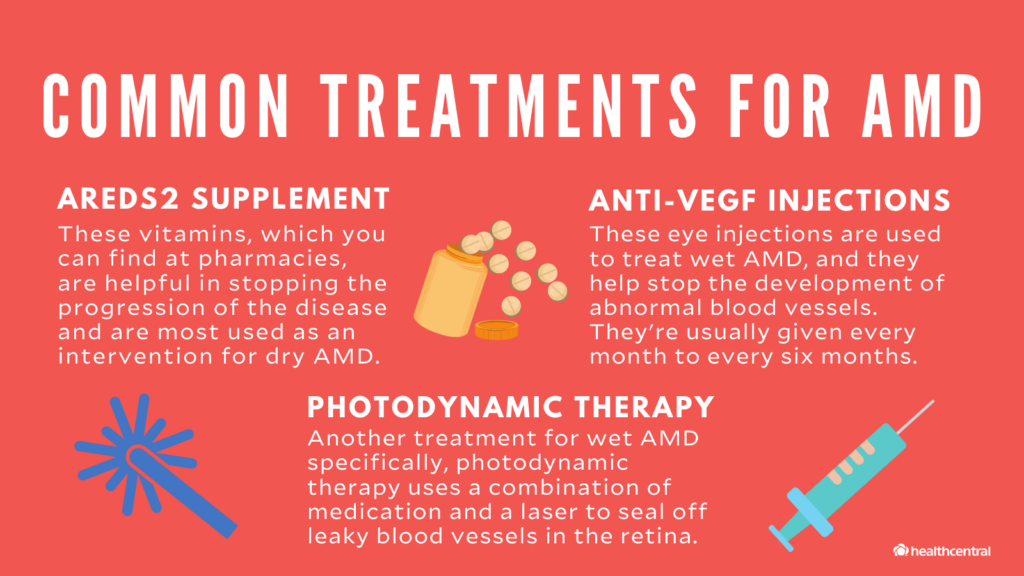
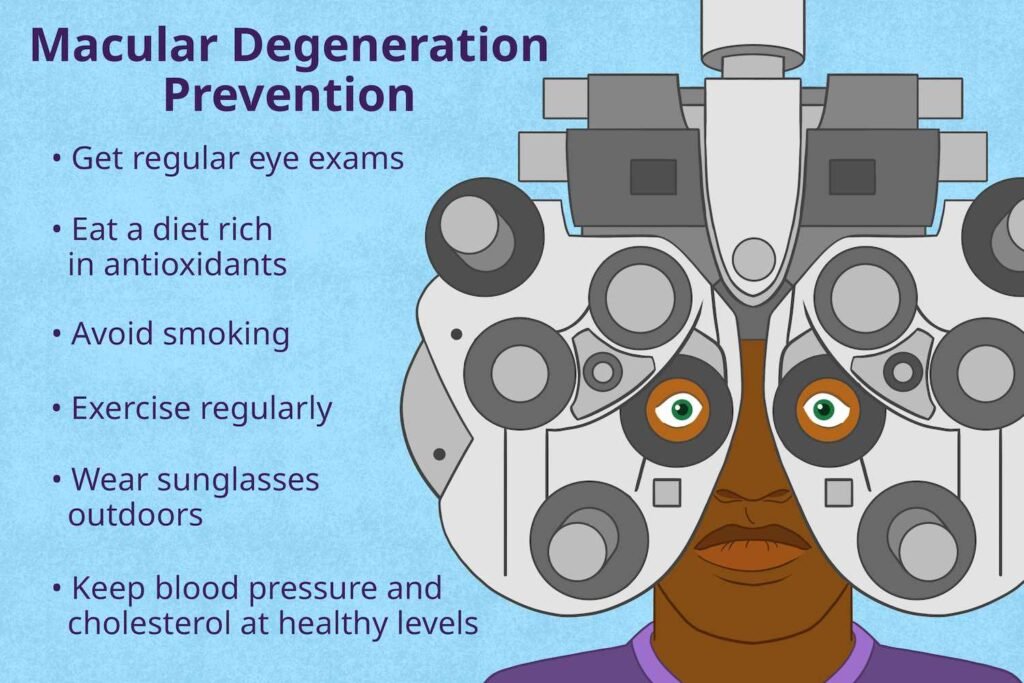
Age-Related Macular Degeneration (AMD) can be a daunting prospect, but there are steps you can take to keep your eyes healthy and prevent its onset. In this article, we will explore some practical and effective techniques that you can incorporate into your daily routine to safeguard your vision. From making simple dietary adjustments to adopting eye-friendly habits, this guide will provide you with valuable insights on how to prevent Age-Related Macular Degeneration and maintain clear, sharp eyesight for years to come. So let’s get started on this journey towards healthier eyes!
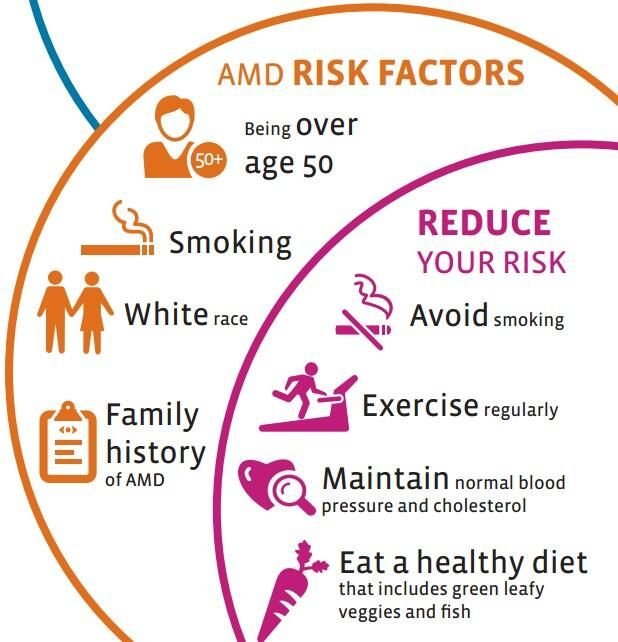
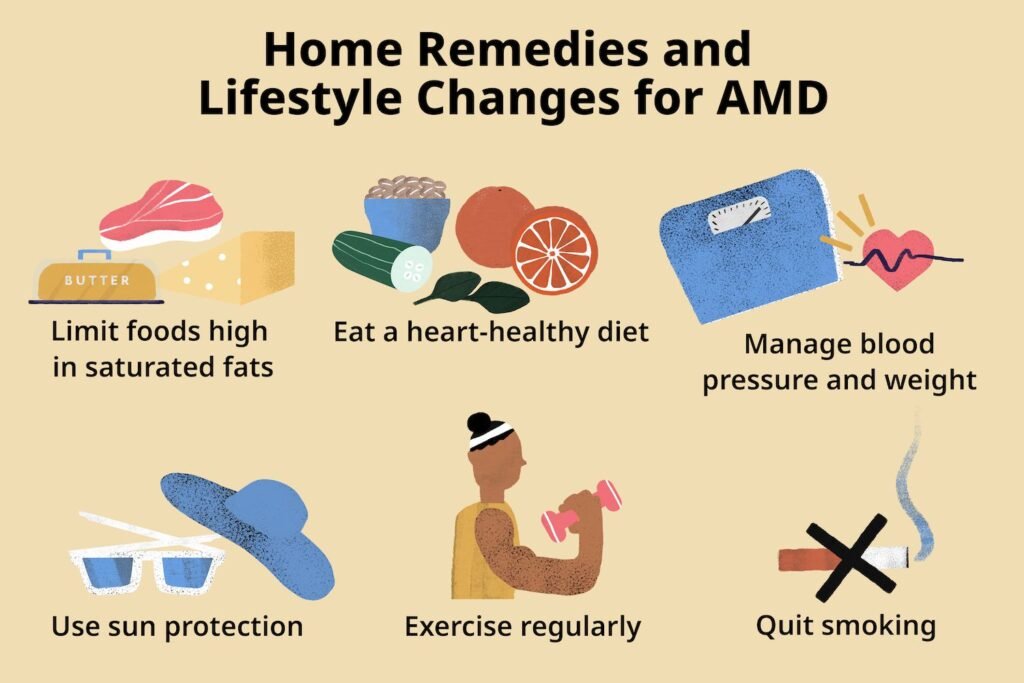
Eat a Healthy Diet
Include a Variety of fruits and vegetables
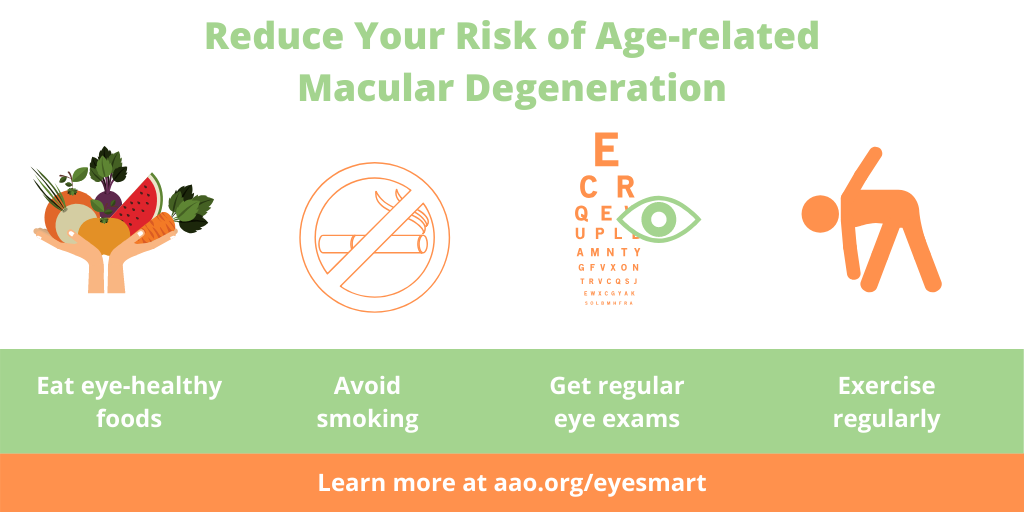
Eating a variety of fruits and vegetables is essential for maintaining good overall health and promoting eye health. Fruits and vegetables are rich in vitamins, minerals, and antioxidants that can help protect your eyes from damage caused by free radicals. Aim to include a colorful assortment of fruits and vegetables in your daily diet, such as leafy greens, carrots, bell peppers, berries, and citrus fruits. These foods are not only delicious but also beneficial for your eye health.
Eat Fish rich in omega-3 fatty acids
Omega-3 fatty acids are essential for the health of your eyes. Consuming fish that is rich in omega-3 fatty acids, such as salmon, mackerel, and tuna, can help reduce the risk of age-related macular degeneration (AMD). These fatty acids have anti-inflammatory properties and can support the maintenance of healthy blood vessels in the eyes. If you don’t consume fish, consider adding flaxseeds, chia seeds, or walnuts to your diet as plant-based sources of omega-3 fatty acids.
Choose whole grains over refined grains
When it comes to maintaining good eye health, choosing whole grains over refined grains is a smart choice. Whole grains, such as brown rice, quinoa, and whole wheat bread, are rich in fiber, vitamins, and minerals. These nutrients can promote healthy blood vessels and improve blood flow to the eyes, reducing the risk of age-related eye diseases. Opting for whole grains in your diet can also help maintain stable blood sugar levels, which is important for preventing or managing diabetes-related eye conditions.
Limit processed foods and sugary snacks
Processed foods and sugary snacks may be convenient and tasty, but they can have a negative impact on your overall health, including your eye health. These types of foods often lack essential nutrients and can lead to weight gain, inflammation, and an increased risk of developing chronic conditions such as diabetes or cardiovascular diseases. Instead of reaching for processed snacks, opt for healthier alternatives like fresh fruits, vegetables, nuts, and seeds. These choices will not only support your eye health but also contribute to your overall well-being.
Drink alcohol in moderation
Enjoying an occasional alcoholic beverage can be a part of a balanced lifestyle, but it’s important to moderate your alcohol consumption for the sake of your eye health. Excessive alcohol consumption can have detrimental effects on various aspects of your health, including your eyes. Chronic heavy drinking can increase the risk of developing conditions like cataracts, macular degeneration, and optic neuropathy. To protect your eyes and overall health, it’s advised to drink alcohol in moderation. The American Heart Association recommends limiting alcohol intake to one drink per day for women and up to two drinks per day for men.
Maintain a Healthy Weight
Engage in regular physical activity
Regular physical activity is crucial for maintaining a healthy weight and promoting good overall health. Physical activity can help regulate blood pressure, reduce the risk of chronic conditions, and improve cardiovascular health. When it comes to eye health, engaging in regular exercise can help promote blood circulation to the eyes and reduce the risk of developing eye-related conditions. Aim for at least 150 minutes of moderate-intensity aerobic activity, such as brisk walking or cycling, each week. Additionally, incorporate strength training exercises into your routine to enhance muscle function and overall well-being.
Monitor your caloric intake
Maintaining a healthy weight requires a balanced approach to your caloric intake. Consuming more calories than your body needs can lead to weight gain and increase the risk of chronic conditions, including eye diseases. To maintain a healthy weight, it’s important to be mindful of your caloric intake. Start by understanding your daily caloric needs based on factors such as age, sex, activity level, and overall health. Keep track of your food intake to ensure you’re not consuming excessive calories. Consider consulting a registered dietitian who can provide personalized guidance and help you create a balanced meal plan.
Manage portion sizes
Controlling portion sizes is essential for maintaining a healthy weight and preventing overeating. Many of us tend to eat larger portions than necessary, which can contribute to weight gain and negatively affect our overall health, including our eyes. To manage portion sizes effectively, it’s helpful to understand proper serving sizes and practice mindful eating. Be aware of your hunger and fullness cues and aim to eat until you’re satisfied, not overly full. Using smaller plates and bowls can also help control portion sizes and prevent overeating.
Avoid crash diets
While it may be tempting to try crash diets or quick fixes for weight loss, they can be detrimental to your overall health and have negative effects on your eyes. Crash diets often involve extreme calorie restriction and can lead to nutrient deficiencies. This can impact the health of your eyes, as certain vitamins and minerals are necessary for maintaining good eye health. Instead of resorting to crash diets, focus on adopting a balanced and sustainable approach to eating that supports your overall well-being, including your eye health.
Consult a healthcare professional for personalized advice
Maintaining a healthy weight is a journey that may require personalized guidance. If you’re struggling to reach or maintain a healthy weight, it’s important to consult a healthcare professional, such as a registered dietitian, who can provide personalized advice and support. They can help you create a tailored meal plan, recommend appropriate exercise routines, and address any underlying health concerns that may be affecting your weight. Remember, everyone’s bodies are different, so it’s crucial to seek individualized guidance for optimal results.
Quit Smoking
Understand the risks associated with smoking
Smoking is not only harmful to your overall health but also poses significant risks to your eyes. Smoking has been linked to various eye conditions, including cataracts, macular degeneration, dry eyes, and optic nerve damage. The chemicals present in cigarette smoke can damage the blood vessels in the eyes, leading to reduced blood flow and oxygen supply. By understanding the risks associated with smoking, you can become more motivated to quit and protect your precious vision.
Seek professional help if needed
Quitting smoking can be challenging, but it’s not impossible. If you’re struggling to quit smoking on your own, don’t hesitate to seek professional help. Your healthcare provider can provide guidance, support, and resources to assist you on your journey to becoming smoke-free. They may also recommend medications or nicotine replacement therapies to help manage withdrawal symptoms and cravings. Remember, you don’t have to face this challenge alone, and seeking professional help can greatly increase your chances of successfully quitting smoking.
Set a quit date and create a plan
Quitting smoking requires planning and commitment. Setting a quit date can provide a concrete goal to work towards and increase your motivation. Choose a date that’s meaningful to you, such as a birthday or anniversary, and mark it on your calendar. Once you’ve set a quit date, create a plan to support your journey. Identify your triggers and develop strategies to cope with cravings. Consider finding healthier alternatives to smoking, such as chewing gum or engaging in physical activity, to redirect your focus. Surround yourself with a support system of friends and family who can offer encouragement during the challenging moments.
Find healthy alternatives to cope with cravings
Quitting smoking often involves managing cravings and finding alternatives to help cope with the urge to smoke. When you experience a craving, distract yourself by engaging in healthy activities that keep your hands and mind occupied. Take a walk, practice deep breathing exercises, or enjoy a healthy snack. Drinking water, chewing on sugar-free gum, or sucking on hard candy can also help alleviate cravings. Experiment with different strategies to find what works best for you and remember that cravings typically last only a few minutes, so ride out the wave and stay focused on your goal of quitting.
Join a support group
Quitting smoking can be a challenging journey, and it’s beneficial to connect with others who are going through or have successfully quit smoking. Joining a support group can provide a safe space to share experiences, seek advice, and gain encouragement from individuals who understand the challenges of quitting smoking. Support groups may be available in your local community, or you can explore online forums and social media groups dedicated to smoking cessation. Surrounding yourself with a supportive community can provide the strength and motivation needed to quit smoking for good.
Protect Your Eyes from UV Rays
Wear sunglasses that block UV rays
Exposure to ultraviolet (UV) rays from the sun can damage the delicate tissues of your eyes and increase the risk of developing conditions such as cataracts and macular degeneration. To protect your eyes from harmful UV rays, wear sunglasses that block 100% of both UVA and UVB rays. Look for sunglasses labeled with UV 400 or 100% UV protection to ensure optimal eye protection. Additionally, choose sunglasses with larger frames or wrap-around styles to provide maximum coverage and minimize UV exposure from the sides.
Use hats or visors for added protection
In addition to wearing sunglasses, using hats or visors can provide extra protection for your eyes from UV rays. Wide-brimmed hats or caps with flaps that cover your ears can shield your eyes from direct sunlight and reduce the amount of UV radiation reaching your eyes. This is especially important during peak sun hours when the UV rays are strongest. By combining sunglasses with hats or visors, you can create a comprehensive sun protection strategy for your eyes.
Avoid prolonged exposure to sunlight
While it’s important to spend time outdoors for overall health and well-being, it’s essential to avoid prolonged exposure to sunlight, especially during peak sun hours. The sun’s UV rays are strongest between 10 am and 4 pm, so try to plan outdoor activities in the early morning or late afternoon when the sun’s rays are less intense. If you need to be outdoors during peak sun hours, take extra precautions to protect your eyes by wearing sunglasses, using hats or visors, and seeking shade whenever possible.
Seek shade during peak sun hours
Seeking shade during peak sun hours can significantly reduce your exposure to harmful UV rays and protect your eyes. When outdoors, look for shaded areas under trees, canopies, or umbrellas. Taking breaks from direct sunlight and resting in shady spots can help reduce eye strain and decrease the risk of sun-related eye damage. By finding shade, you can still enjoy the outdoors while prioritizing the health and safety of your eyes.
Protect your eyes even on cloudy days
It’s a common misconception that UV rays are only harmful on sunny days. In reality, UV rays can still penetrate through clouds and cause damage to your eyes on cloudy days as well. Therefore, it’s important to protect your eyes even when the sun is hiding behind clouds. Don’t forget to wear sunglasses that block UV rays and use hats or visors for added protection, regardless of the weather conditions. By incorporating sun protection measures into your daily routine, you ensure that your eyes are shielded from harmful UV radiation year-round.
Manage Chronic Conditions
Control high blood pressure
High blood pressure, also known as hypertension, can increase the risk of developing eye conditions such as hypertensive retinopathy and macular degeneration. To manage high blood pressure effectively, it’s important to follow a heart-healthy diet low in sodium and saturated fats, maintain a healthy weight, engage in regular physical activity, limit alcohol consumption, and avoid smoking. Additionally, closely monitor your blood pressure levels with regular check-ups, and consult with your healthcare provider for appropriate medication or lifestyle modifications to keep your blood pressure within a healthy range.
Monitor and manage diabetes
Diabetes can have detrimental effects on your eye health if not properly managed. High blood sugar levels can damage the blood vessels in the eyes and lead to conditions like diabetic retinopathy and cataracts. To effectively manage diabetes, it’s crucial to monitor your blood sugar levels regularly, follow a balanced meal plan, engage in regular physical activity, take prescribed medications, and attend regular check-ups with your healthcare provider. By maintaining stable blood sugar levels, you can significantly reduce the risk of diabetes-related eye complications.
Maintain a healthy cholesterol level
High cholesterol levels can contribute to the development of eye conditions such as atherosclerosis, which can lead to blockages in the blood vessels that supply the eyes. To maintain a healthy cholesterol level, it’s important to follow a heart-healthy diet that includes a good balance of healthy fats, lean proteins, whole grains, fruits, and vegetables. Regular exercise, limiting saturated fats and cholesterol in your diet, and avoiding smoking are also essential for managing cholesterol levels. Regular cholesterol screenings and consultations with your healthcare provider can help you stay on top of your cholesterol management.
Follow your healthcare provider’s advice
When managing chronic conditions, it’s important to follow your healthcare provider’s advice and guidance. They have the expertise to tailor treatment plans specific to your needs and provide necessary interventions to manage your health effectively. Attend regular check-ups, adhere to prescribed medications, and follow lifestyle modifications recommended by your healthcare provider. Communicate openly with them about your concerns, symptoms, and any changes in your overall health or eye health. It’s crucial to work together as a team to maintain optimal health and manage any chronic conditions that may affect your eyes.
Attend regular check-ups
Regular check-ups with your healthcare provider, including routine eye exams, are crucial in managing chronic conditions and maintaining good eye health. Routine eye exams allow eye care professionals to assess your vision, screen for eye diseases, monitor the progression of any existing eye conditions, and detect early signs of potential problems. Additionally, routine check-ups with your primary care physician can help identify and manage underlying health conditions that can impact your eyes. Remember to schedule and attend regular check-ups to ensure comprehensive care and early detection of any potential eye-related complications.
Exercise Your Eyes
Practice eye exercises regularly
Exercising your eyes regularly can help improve their flexibility, strengthen eye muscles, and enhance overall vision. Eye exercises can be particularly beneficial if you spend extended periods looking at screens or engage in activities that strain your eyes, such as reading for long hours. Simple eye exercises include focusing on near and distant objects, rolling your eyes in circular motions, and blinking rapidly to refresh your tear film. Consult with an eye care professional to learn specific eye exercises suitable for your needs and incorporate them into your daily routine.
Give your eyes breaks during screen time
Spending long hours in front of screens, whether it’s a computer, phone, or television, can cause eye strain and discomfort. To prevent this, it’s important to give your eyes regular breaks during screen time. Follow the 20-20-20 rule: every 20 minutes, take a 20-second break to look at something 20 feet away. This simple practice helps relax your eye muscles and reduces eye strain. Additionally, adjust your screen’s brightness and contrast settings to improve visual comfort and reduce eye fatigue.
Avoid eye strain by adjusting lighting and screen brightness
Proper lighting and screen brightness can significantly reduce eye strain and help maintain good eye health. When working or reading, ensure that your environment is well-lit, avoiding harsh lighting or excessive glare. Position your computer monitor or other screens at a comfortable distance and angle. Adjust the brightness and contrast settings of your screens to a level that feels comfortable to your eyes. By optimizing lighting conditions and screen brightness, you can minimize eye strain and improve overall visual comfort.
Follow the 20-20-20 rule
Continuously focusing on near tasks, such as reading or working on a computer, can strain your eye muscles and contribute to eye fatigue. To alleviate this strain, follow the 20-20-20 rule. This rule suggests taking a break every 20 minutes to look at something 20 feet away for 20 seconds. This short break allows your eye muscles to relax and readjust, reducing fatigue and minimizing the risk of eye strain. Incorporating the 20-20-20 rule into your daily routine can make a significant difference in maintaining the health and comfort of your eyes.
Visit an eye care professional if needed
If you experience persistent or concerning eye symptoms, it’s important to visit an eye care professional for a comprehensive eye examination. An eye care professional can assess your visual acuity, screen for eye diseases, and provide personalized recommendations specific to your needs. They can diagnose and manage any underlying eye conditions or vision problems that may require specialized treatments, tools, or interventions. Regular visits to an eye care professional are essential, as they can help detect early signs of potential problems, prevent vision loss, and ensure optimal eye health.
Take Supplements
Consider taking vitamins and minerals
Taking certain vitamins and minerals as supplements can support your eye health, especially if you’re unable to get enough through your regular diet. Vitamins A, C, and E, as well as minerals like zinc and copper, are particularly important for maintaining good eye health. These nutrients have antioxidant properties that help protect the eyes from damage caused by free radicals. Before starting any new supplement regimen, it’s important to consult with your doctor to determine the appropriate dosage and ensure it won’t interfere with any medications or medical conditions you may have.
Consult your doctor for appropriate supplements
When considering taking supplements for your eye health, it’s crucial to consult with your doctor or a registered dietitian to determine the most appropriate choices for you. They can evaluate your individual needs, overall health, and any underlying conditions to guide you in selecting the right supplements. Depending on your specific requirements, they may recommend specific brands, dosages, or combinations of vitamins and minerals. Remember that supplements should not replace a healthy diet but rather complement it when necessary.
Include antioxidants such as vitamin C and E
Antioxidants are crucial for protecting your eyes from harmful free radicals that can contribute to age-related eye diseases. Including antioxidants such as vitamin C and E in your diet can help reduce the risk of conditions like macular degeneration and cataracts. Foods rich in vitamin C include citrus fruits, strawberries, bell peppers, and broccoli. Vitamin E can be obtained from sources like almonds, sunflower seeds, spinach, and avocados. By incorporating these antioxidant-rich foods into your diet, you can support your eye health and overall well-being.
Include minerals like zinc and copper
Zinc and copper are essential minerals that play a vital role in maintaining good eye health. Zinc helps transport vitamin A from the liver to the retina, which is important for night vision and overall visual health. Copper, on the other hand, aids in the production of melanin, a pigment responsible for protecting the eyes from harmful UV radiation. Foods rich in zinc include oysters, lean meats, legumes, and whole grains, while copper can be obtained from sources like shellfish, nuts, seeds, and dark chocolate. Including these minerals in your diet can support optimal eye health.
Follow recommended dosage
When taking supplements for your eye health, it’s important to follow the recommended dosage indicated on the packaging or as advised by your healthcare provider. Taking excessive amounts of certain vitamins and minerals can be harmful and may lead to adverse effects. It’s always best to obtain nutrients from a well-balanced diet whenever possible, and supplements should only be used as a complement when dietary intake is insufficient. If you have any concerns or questions about supplement dosage, consult with your doctor or a registered dietitian for professional guidance.
Limit Screen Time
Set boundaries for screen usage
In today’s digital age, it’s easy to become absorbed in screens, whether it’s for work or leisure. However, excessive screen time can strain your eyes and negatively impact your overall well-being. Set boundaries for screen usage by scheduling regular breaks away from screens, particularly during long work or gaming sessions. Establish screen-free zones in your home, such as in the bedroom or during meals, to reduce unnecessary exposure. By setting boundaries for screen usage, you can maintain a healthy balance and minimize the potential negative effects on your eyes and overall health.
Take regular breaks
Taking regular breaks from screens is essential for preventing eye strain and maintaining good eye health. The American Optometric Association recommends following the 20-20-20 rule: every 20 minutes, take a 20-second break to look at something 20 feet away. These short breaks allow your eyes to rest and refocus, reducing fatigue and minimizing the risk of developing conditions such as digital eye strain or computer vision syndrome. Additionally, use break times to stretch your body, practice relaxation techniques, or engage in other activities that give your eyes a rest and promote overall well-being.
Adjust screen settings for eye comfort
Adjusting your screen settings can significantly enhance eye comfort and reduce eye strain. Ensure that your screen is positioned at an appropriate distance from your eyes to reduce the need for excessive focusing or eye movement. Adjust the brightness, contrast, and color temperature settings of your screen to a level that feels comfortable and minimizes glare. If necessary, consider using specialized features like night mode or blue light filters, which can reduce the exposure to high-energy blue light emitted by screens. By optimizing screen settings, you can reduce eye fatigue and promote better overall visual comfort.
Engage in other activities
To minimize screen time and promote a healthier lifestyle, it’s important to engage in other activities that don’t involve screens. Set aside dedicated time each day for hobbies, exercise, reading, or spending quality time with loved ones. Explore outdoor activities, such as walking, gardening, or playing sports, that not only reduce screen time but also provide additional benefits for your physical and mental health. By diversifying your activities, you can reduce reliance on screens and create a more balanced and fulfilling lifestyle.
Encourage outdoor activities
Encouraging outdoor activities is an effective way to limit screen time and promote good eye health. Spending time outdoors exposes your eyes to natural light, which has numerous benefits for vision and overall well-being. Natural light stimulates the production of vitamin D, which plays a role in bone health and immune function. Additionally, exposure to natural light helps regulate your sleep-wake cycle and promotes healthier sleep patterns. Encourage yourself and your loved ones to engage in outdoor activities, such as walks, hikes, or picnics, to reap the benefits of both nature and reduced screen time.
Stay Hydrated
Drink an adequate amount of water daily
Staying hydrated is essential for overall health, including your eye health. Dehydration can cause dry eyes, eye fatigue, and reduced tear production, leading to discomfort and potential eye problems. To ensure adequate hydration, drink an adequate amount of water daily. The National Academies of Sciences, Engineering, and Medicine recommend a daily water intake of about 3.7 liters (125 ounces) for men and 2.7 liters (91 ounces) for women. Keep a water bottle with you throughout the day to remind yourself to drink water regularly and maintain optimal hydration.
Include hydrating foods in your diet
In addition to drinking water, including hydrating foods in your diet can contribute to your overall hydration level. Foods like fruits and vegetables have high water content and can help keep you hydrated. Opt for water-rich foods such as watermelon, cucumbers, strawberries, oranges, and leafy greens. These foods not only provide hydration but also contain important vitamins, minerals, and antioxidants that support general health and eye health. By incorporating hydrating foods into your diet, you ensure that your body and eyes receive the hydration they need.
Avoid excessive caffeine and alcohol consumption
While it’s important to stay hydrated, it’s equally important to moderate your consumption of dehydrating beverages such as caffeine and alcohol. Both caffeine and alcohol have diuretic effects, meaning they can increase urine production and potentially lead to dehydration. Excessive consumption of these substances can exacerbate dry eye symptoms and negatively affect your eye health. To maintain optimal hydration, limit your intake of caffeinated beverages like coffee, tea, and energy drinks, as well as alcoholic beverages. If you do indulge in these beverages, be sure to balance them with an increased intake of water.
Consider humidifying your living environment
Dry air can worsen dry eye symptoms and contribute to eye discomfort. Consider using a humidifier in your living environment, especially during dry seasons or in arid climates. A humidifier adds moisture to the air, helping to alleviate dryness in your eyes and prevent eye-related problems. Place the humidifier in areas where you spend the most time, such as the bedroom or office. Ensure that the humidity level remains within a comfortable range to avoid excessive moisture, which can promote the growth of mold or other irritants. By humidifying your living environment, you can create a more comfortable atmosphere for your eyes.
Use moisturizing eye drops if needed
If you experience persistent dryness or discomfort in your eyes, consider using moisturizing eye drops or artificial tears. These over-the-counter products can provide temporary relief by lubricating your eyes and reducing dryness. Choose preservative-free eye drops to minimize the risk of irritation, especially if you plan to use them frequently. If eye dryness persists or worsens despite the use of over-the-counter eye drops, consult an eye care professional for further evaluation and personalized recommendations. They can identify any underlying causes contributing to your dry eye symptoms and suggest appropriate treatments or interventions.
Manage Stress Levels
Engage in stress-reducing activities
Chronic stress can have a negative impact on your overall health, including your eye health. Engaging in stress-reducing activities can help minimize stress levels and promote overall well-being. Find activities that help you relax and unwind, such as practicing yoga, meditation, deep breathing exercises, or engaging in hobbies that bring you joy. Taking time for yourself and prioritizing self-care can significantly reduce stress and contribute to better eye health. Experiment with different stress-reducing activities to find what works best for you and incorporate them into your daily routine.
Practice relaxation techniques
Practicing relaxation techniques can help reduce stress and its impact on your eye health. Techniques such as deep breathing exercises, progressive muscle relaxation, and guided imagery can help promote a sense of calm and relaxation. Incorporate these techniques into your daily routine or use them during times of increased stress or anxiety. By practicing relaxation techniques regularly, you can manage stress levels more effectively and support the health of your eyes along with your overall well-being.
Get enough sleep
Adequate sleep is crucial for your overall health, including your eye health. Lack of sleep can contribute to eye strain, dryness, and eye fatigue. Aim for 7-8 hours of quality sleep each night to support optimal eye function and overall well-being. Establish a regular sleep schedule, create a relaxing bedtime routine, and ensure that your sleep environment is comfortable and conducive to restful sleep. If you have difficulty sleeping or suspect that an underlying sleep disorder may be affecting your eye health, consult with a healthcare professional for evaluation and appropriate interventions.
Seek support from loved ones
When managing stress, it’s important to seek support from loved ones. Talking about your feelings and concerns with trusted family members or friends can provide emotional support and help alleviate stress. Share your thoughts, seek advice or guidance, and allow yourself to be vulnerable. By opening up to loved ones, you can relieve emotional burdens, gain new perspectives, and foster strong social connections that contribute to better mental and emotional health. Remember, you don’t have to face stress alone, and your loved ones can be valuable sources of support during challenging times.
Consider therapy or counseling if needed
If stress becomes overwhelming or begins to significantly impact your quality of life, consider seeking therapy or counseling. Therapy can help you develop effective coping mechanisms, learn stress management techniques, and gain insights into underlying factors contributing to your stress levels. A licensed therapist or counselor can provide a safe and confidential space to explore your feelings and develop personalized strategies to manage stress. Remember, seeking professional help is a sign of strength, and therapy can be a valuable tool in achieving and maintaining good mental and emotional well-being.