
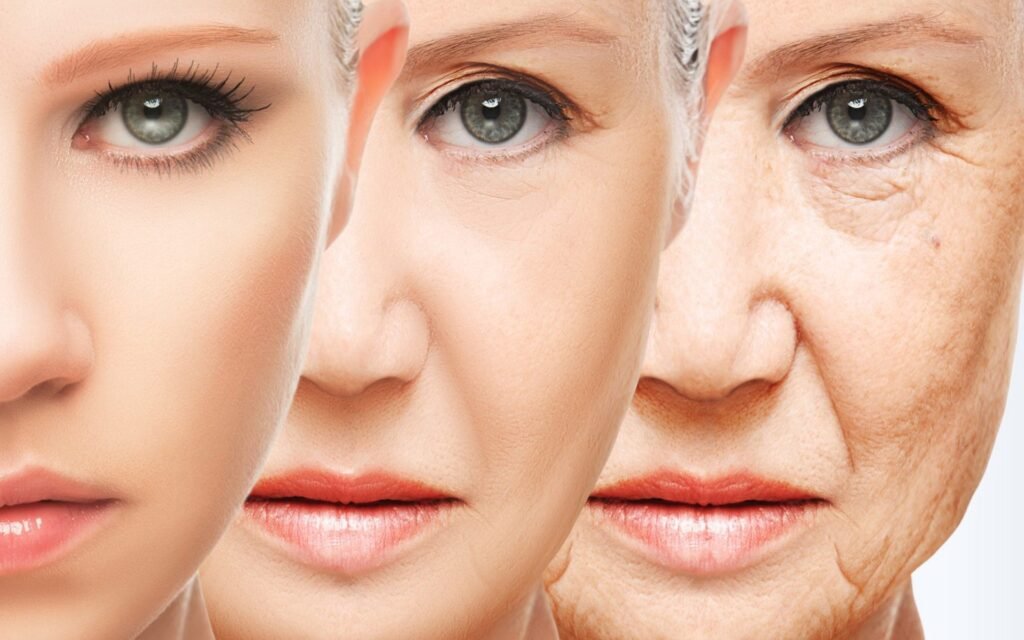
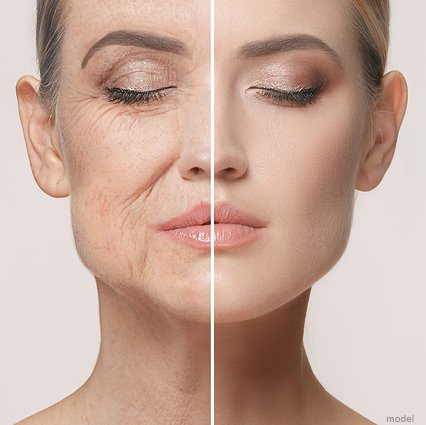
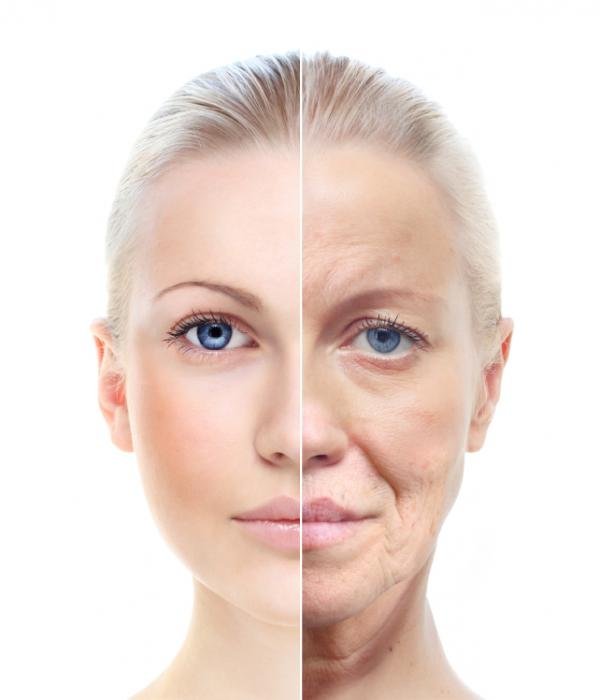
Imagine being able to turn back the clock and preserve your youthful looks for years to come. In this article, you will find simple yet effective strategies to combat the inevitable process of aging. From maintaining a healthy diet and staying active to adopting a skincare routine tailored to your needs, these practical tips will show you how to prevent aging and embrace the beauty of age gracefully. Say goodbye to dull skin and hello to a vibrant, youthful appearance as you discover the secrets to defying time.
Maintain a Healthy Lifestyle
Maintaining a healthy lifestyle is key to preventing aging and promoting overall well-being. By following a few simple guidelines, you can ensure that you’re taking care of your body inside and out.
Eat a Balanced Diet
Eating a balanced diet is essential for providing your body with the nutrients it needs to function properly and stay healthy. Incorporate a variety of fruits, vegetables, whole grains, lean proteins, and healthy fats into your meals. Avoid excessive amounts of processed foods, sugary snacks, and unhealthy fats. By nourishing your body with wholesome foods, you can support healthy aging and maintain optimal physical and mental health.
Stay Hydrated
Staying hydrated is often overlooked but plays a crucial role in maintaining overall health. Make sure to drink an adequate amount of water throughout the day to keep your body hydrated. Water helps flush out toxins, supports digestion, and keeps your skin looking youthful and radiant. Don’t forget that staying hydrated also includes limiting your intake of sugary beverages and caffeinated drinks, as they can dehydrate your body.
Exercise Regularly
Regular exercise is paramount to maintaining a healthy lifestyle and preventing the signs of aging. Engaging in physical activity not only helps you maintain a healthy weight but also boosts your cardiovascular health, strengthens your muscles and bones, and improves your overall mood. Aim for at least 150 minutes of moderate aerobic exercise or 75 minutes of vigorous aerobic exercise each week, along with strength training exercises twice a week.
Get Adequate Sleep
Quality sleep is essential for your overall health and well-being. Aim to get 7-9 hours of uninterrupted sleep each night. Lack of sleep can impact your mood, cognitive function, and even your physical appearance. Develop a relaxing bedtime routine, create a sleep-friendly environment, and prioritize sleep as an integral part of your daily routine.
Avoid Smoking and Excessive Alcohol Consumption
Smoking and excessive alcohol consumption have detrimental effects on your health and greatly accelerate the aging process. Smoking not only damages your lungs but also leads to premature wrinkles and skin damage. Excessive alcohol consumption can dehydrate your body, affect your liver, and contribute to a tired appearance. By avoiding these harmful habits, you can promote healthy aging and protect your overall well-being.
Protect Your Skin
Taking care of your skin is crucial in preventing premature aging and maintaining a youthful appearance. Here are some tips to help protect your skin from external and internal factors:
Apply Sunscreen Daily
Sunscreen should be an essential part of your skincare routine, regardless of the weather or season. Apply a broad-spectrum sunscreen with a minimum SPF of 30 to protect your skin from harmful UV rays. Remember to reapply every two hours and seek shade during peak sun hours.
Avoid Direct Sun Exposure
While sunlight is a natural source of Vitamin D, excessive sun exposure can cause skin damage and accelerate the aging process. Minimize your time in direct sunlight, especially between 10 am to 4 pm when the sun’s rays are the strongest. Wear protective clothing, such as hats and sunglasses, and seek shade whenever possible.
Moisturize Regularly
Keeping your skin well-hydrated is a vital step in maintaining a healthy and youthful appearance. Moisturize your skin daily with a nourishing moisturizer suited for your skin type. This will help retain moisture, improve skin elasticity, and reduce the appearance of fine lines and wrinkles.
Avoid Harsh Chemicals
When selecting skincare products, opt for gentle and natural options that are free from harsh chemicals and fragrances. Harsh chemicals can strip the skin of its natural oils, leading to dryness and irritation. Read product labels carefully and choose products that are suitable for your skin’s specific needs.
Stay Hydrated
Hydrating your body internally is just as important as moisturizing externally. Drink an adequate amount of water throughout the day to keep your skin hydrated from within. This can help combat dryness, improve skin elasticity, and promote a healthy, youthful complexion.

Manage Stress Levels
High levels of stress can have a detrimental impact on your overall health and speed up the aging process. It is essential to find effective ways to manage and reduce stress in your daily life.
Practice Relaxation Techniques
Incorporate relaxation techniques such as deep breathing exercises, meditation, or yoga into your routine. These practices can promote relaxation, reduce stress levels, and improve overall well-being. Find what works for you and make it a regular part of your self-care routine.
Engage in Stress-Relieving Activities
Engaging in activities that bring you joy and help you unwind is essential for managing stress. Whether it’s going for a walk in nature, listening to music, reading a book, or pursuing a hobby, find activities that help you relax and take your mind off stressors.
Maintain a Supportive Social Network
Having a strong support system is crucial for managing stress and maintaining mental well-being. Surround yourself with positive and supportive individuals who uplift and encourage you. Share your feelings and concerns with trusted friends or family members, as they can provide valuable support during challenging times.
Get Sufficient Rest and Relaxation
Rest and relaxation are crucial for managing stress and promoting overall health. Make sure to prioritize downtime and allow yourself moments of rest throughout the day. Incorporate activities such as taking a bath, practicing mindfulness, or enjoying a quiet evening at home to recharge and rejuvenate.
Maintain Mental and Cognitive Health
Caring for your mental and cognitive health is vital for overall well-being and preventing age-related decline. Here are some practices to help maintain mental sharpness and cognitive function:
Engage in Brain-Stimulating Activities
Challenge your brain regularly by engaging in activities that stimulate cognitive function. This can include puzzles, reading, learning a new language, playing musical instruments, or engaging in strategic games. These activities help keep your brain active, enhance memory, and promote mental flexibility.
Stay Mentally Active
Continuously learning and acquiring new knowledge is an excellent way to maintain mental sharpness. Enroll in courses, attend workshops or seminars, or pursue a new hobby that requires mental engagement. By challenging your mind, you can improve cognitive function and prevent age-related cognitive decline.
Manage Chronic Conditions
Chronic health conditions can impact cognitive function and overall mental health. It is crucial to manage these conditions effectively through medication, lifestyle modifications, and regular check-ups with your healthcare provider. By keeping chronic conditions under control, you can protect your brain health and overall well-being.
Seek Emotional Support If Needed
If you’re experiencing emotional distress or mental health concerns, seek professional help. Don’t hesitate to reach out to a mental health professional who can provide guidance, support, and therapeutic interventions. Taking care of your mental health is just as important as caring for your physical health.
Stay Active and Engaged
Keeping an active and engaged lifestyle is essential for healthy aging and a sense of fulfillment. Here are some tips to help you stay active and engaged:
Continue Learning and Challenging Yourself
Never stop learning! Engage in activities that challenge you intellectually and emotionally. Take up new hobbies, enroll in courses or workshops, or read books on topics that interest you. By continuing to learn and grow, you can maintain a sense of purpose and fulfillment.
Volunteer or Get Involved in Community
Contributing to your community through volunteering or getting involved in local organizations can bring immense satisfaction and a sense of purpose. Find causes that resonate with you and dedicate your efforts to make a positive impact. Engaging with others and giving back creates a sense of connection and can improve overall mental well-being.
Keep a Positive Outlook
Maintaining a positive mindset and optimistic outlook on life can greatly influence your overall well-being. Practice gratitude and focus on the positive aspects of your life. Surround yourself with positive influences and seek opportunities to uplift others. A positive mindset can make a significant difference in how you perceive and experience the aging process.
Maintain Hobbies and Interests
Nurturing your hobbies and interests is crucial for personal fulfillment and mental well-being. Dedicate time to activities that bring you joy and make you feel alive. Whether it’s painting, gardening, playing a musical instrument, or exploring new recipes, maintaining hobbies and interests can enhance your overall quality of life.
Take Care of Your Eyes
Proper eye care is vital for maintaining good vision and preventing age-related eye conditions. Here are some tips to help you protect your eyes:
Visit an Eye Specialist Regularly
Schedule regular check-ups with an eye specialist to monitor your eye health and detect any potential issues early on. They can evaluate your vision, test for common eye conditions, and provide necessary treatments or recommendations to maintain healthy eyes.
Protect Your Eyes from UV Rays
Wear sunglasses that provide UV protection whenever you are outdoors, as prolonged exposure to UV rays can increase the risk of cataracts and other eye conditions. Additionally, consider wearing a wide-brimmed hat to further shield your eyes from direct sunlight.
Use Proper Lighting
Ensure that your environment is well-lit, especially when reading or working on electronic devices. Adequate lighting minimizes strain on your eyes and reduces the risk of eye fatigue and discomfort. Adjust the brightness and contrast settings on your electronic devices to optimize eye comfort.
Take Breaks from Electronic Devices
Extended exposure to screens can lead to eye strain and dryness. Take regular breaks when working on a computer or using electronic devices. Practice the 20-20-20 rule: every 20 minutes, look away from the screen and focus on an object 20 feet away for at least 20 seconds.
Practice Eye Exercises
Performing simple eye exercises can help maintain good eye health. These exercises involve focusing on different distances, eye rotations, and blinking exercises. Consult with an eye specialist or refer to reputable sources for specific eye exercises to strengthen your eye muscles and reduce eye strain.
Maintain a Healthy Heart
Taking care of your heart is crucial for overall health and well-being. By prioritizing heart health, you can prevent various cardiovascular diseases and promote healthy aging. Here are some tips to maintain a healthy heart:
Eat a Heart-Healthy Diet
Consume a diet rich in fruits, vegetables, whole grains, lean proteins, and healthy fats. Limit your intake of saturated and trans fats, cholesterol, and sodium to maintain healthy cholesterol levels and blood pressure. Incorporate heart-healthy foods such as fish, nuts, and legumes into your meals.
Exercise Regularly
Engage in regular aerobic exercises such as brisk walking, jogging, swimming, or cycling to keep your heart strong and improve cardiovascular health. Aim for at least 150 minutes of moderate-intensity aerobic activity or 75 minutes of vigorous-intensity aerobic activity per week, along with strength training exercises twice a week to strengthen your heart and muscles.
Manage Blood Pressure and Cholesterol
Monitor your blood pressure and cholesterol levels regularly and follow your healthcare provider’s recommendations to keep them within a healthy range. High blood pressure and cholesterol levels can increase the risk of heart disease and other cardiovascular conditions. If necessary, incorporate lifestyle modifications and medication as prescribed by your healthcare provider.
Maintain a Healthy Weight
Maintaining a healthy weight is essential for heart health. Achieve and maintain a weight that is appropriate for your height, age, and body composition. Focus on a balanced diet, portion control, and regular physical activity to achieve and maintain a healthy weight. Consult with a healthcare professional or registered dietitian for personalized guidance on weight management.
Get Regular Check-ups
Regular check-ups with your healthcare provider are essential for preventive care and early detection of any health issues. Here are some key areas to focus on during check-ups:
Visit Your Healthcare Provider Annually
Schedule annual evaluations with your primary healthcare provider to assess your overall health, review your medical history, and address any concerns or questions you may have. These visits typically involve physical examinations, health screenings, and discussions about your lifestyle and habits.
Screen for Age-Related Diseases
As you age, the risk of certain age-related diseases increases. Regular screenings, such as mammograms, colonoscopies, prostate exams, and bone densitometry scans, can help detect these conditions early when they are most treatable. Discuss with your healthcare provider the appropriate screenings based on your age, gender, and individual risk factors.
Monitor Hormone Levels
Hormone imbalances can affect various aspects of your health and contribute to the aging process. Regularly monitor your hormone levels, especially during perimenopause, menopause, or andropause, and discuss any concerns with your healthcare provider. Hormone replacement therapy may be considered if necessary.
Do Regular Dental Check-ups
Don’t forget about your oral health! Regular dental check-ups are essential for maintaining healthy teeth and gums. Schedule cleanings and check-ups at least twice a year to prevent dental issues, keep your smile bright, and ensure good oral hygiene practices. Your dental professional can also check for signs of oral cancer during these visits.
Prioritize Bone Health
Maintaining strong and healthy bones is crucial for preventing osteoporosis and fractures as you age. Here are some tips to prioritize bone health:
Consume Adequate Calcium and Vitamin D
Calcium and vitamin D are essential for bone health. Include calcium-rich foods such as dairy products, leafy greens, and fortified products in your diet. Additionally, ensure sufficient vitamin D intake by spending time outdoors or taking vitamin D supplements as recommended by your healthcare provider.
Engage in Weight-Bearing Exercises
Weight-bearing exercises such as walking, jogging, dancing, or weightlifting help improve bone density and strength. Incorporate these types of exercises into your routine regularly to promote bone health. Consult with a healthcare professional or fitness expert for guidance on appropriate exercises based on your fitness level and any specific considerations.
Avoid Habits that Weaken Bones
Certain habits can weaken bones and increase the risk of osteoporosis. Avoid excessive alcohol consumption, smoking, and consuming excessive caffeine, as they can negatively impact bone health. Instead, opt for healthier alternatives such as moderation in alcohol intake, quitting smoking, and reducing caffeine consumption.
Get Bone Density Tests
Bone density tests, such as dual-energy x-ray absorptiometry (DXA) scans, can assess your bone health and detect signs of osteoporosis or low bone density. Discuss with your healthcare provider the appropriate timing and frequency of these tests based on your risk factors and overall health.
Maintain a Healthy Hormonal Balance
Hormonal balance is vital for overall health and well-being, especially as you age. Here are some tips to maintain a healthy hormonal balance:
Monitor Hormone Levels
Regularly monitor your hormone levels, especially during transitional phases such as perimenopause, menopause, or andropause. Hormone imbalances can lead to various symptoms and health concerns. If you suspect a hormonal imbalance, discuss your concerns with your healthcare provider and consider appropriate testing to assess your hormone levels.
Consider Hormone Replacement Therapy
In certain situations, hormone replacement therapy (HRT) may be recommended to restore hormonal balance and alleviate symptoms associated with hormonal changes. Discuss the potential benefits and risks of HRT with your healthcare provider to determine if it’s a suitable option for you.
Manage Stress
Chronic stress can disrupt hormonal balance and contribute to various health issues. Implement stress management techniques such as exercise, relaxation techniques, and engaging in activities you enjoy to mitigate the negative effects of stress on your hormones. Finding healthy ways to cope with stress promotes overall well-being and hormonal harmony.
Eat a Balanced Diet
Maintaining a healthy and balanced diet rich in fruits, vegetables, whole grains, lean proteins, and healthy fats supports hormonal balance. Avoid processed foods, sugary snacks, and excessive caffeine, as they can disrupt hormonal functions. Consult with a registered dietitian for personalized dietary recommendations tailored to your hormonal health.
Conclusion
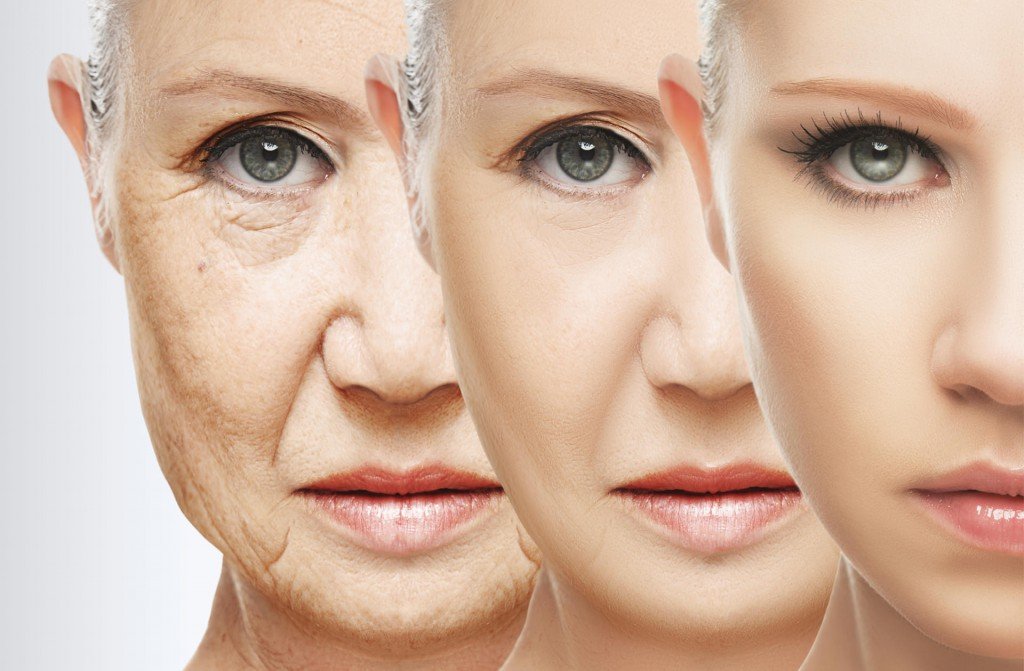
Preventing aging and promoting a healthy lifestyle is within your reach. By incorporating these tips into your daily routine, you can maintain optimal health and well-being as you age. Remember to eat a balanced diet, protect your skin, manage stress levels, maintain mental and cognitive health, stay active and engaged, take care of your eyes, prioritize heart health, get regular check-ups, prioritize bone health, and maintain a healthy hormonal balance. Embrace these habits and make them part of your life for a vibrant and fulfilling journey through the years.