
You may not think about it often, but bladder incontinence is a common issue that many people face at some point in their lives. Whether it’s a minor inconvenience or a major disruption, there are steps you can take to prevent bladder incontinence from impacting your daily life. From simple lifestyle changes to targeted exercises, this article will explore various strategies and tips that can help you maintain optimal bladder health and prevent embarrassing leaks. So, if you’re tired of constantly worrying about accidents and want to regain control, keep reading to discover how you can take charge and prevent bladder incontinence.

Maintain a Healthy Lifestyle
Bladder incontinence can often be prevented or managed by maintaining a healthy lifestyle. By incorporating a few simple habits into your daily routine, you can significantly reduce the risk of developing bladder control issues.
Stay Hydrated
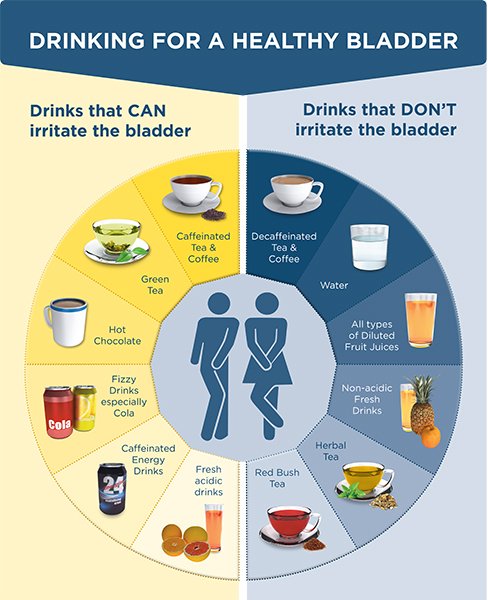
It may seem counterintuitive, but staying hydrated is crucial for maintaining bladder health. Drinking enough water helps to keep your urine diluted, reducing irritation of the bladder lining and preventing urinary tract infections. Aim to drink at least 8 glasses of water per day, or more if you engage in intense physical activity or live in a hot climate.
Eat a Balanced Diet
A well-balanced diet is not only important for overall health but also plays a role in bladder control. Certain foods, such as spicy and acidic foods, and beverages like caffeine and alcohol, can irritate the bladder and worsen incontinence symptoms. Incorporate a variety of fruits, vegetables, lean proteins, and whole grains into your diet to promote good bladder health.
Exercise Regularly
Regular exercise is beneficial for many aspects of health, including bladder control. Physical activity helps to strengthen the pelvic floor muscles, which play a crucial role in bladder control. Aim for at least 30 minutes of moderate-intensity exercise, such as brisk walking or swimming, most days of the week.
Maintain a Healthy Weight
Maintaining a healthy weight is important for overall health and can also reduce the risk of bladder incontinence. Excess weight puts pressure on the bladder, making it more difficult to control urine flow. If you are overweight, focus on adopting a healthy eating plan and incorporating regular exercise to achieve and maintain a healthy weight.
Avoid Smoking and Alcohol
Smoking and alcohol consumption can have a negative impact on bladder health. Smoking irritates the bladder and increases the risk of developing bladder-related conditions. Alcohol is a diuretic, which can lead to increased urine production and a more frequent need to urinate. By quitting smoking and minimizing alcohol intake, you can reduce the risk of bladder incontinence and related issues.
Practice Healthy Habits
Developing healthy habits in terms of bathroom routines and techniques can make a significant difference in preventing and managing bladder incontinence.
Empty Your Bladder Regularly
Make it a habit to empty your bladder regularly, even if you don’t feel an immediate need to urinate. By avoiding holding urine for too long, you can help prevent overstretching of the bladder muscles and decrease the risk of accidents.
Avoid Holding Urine for Too Long
Holding urine for extended periods can lead to a weak bladder, making it more difficult to control urine flow. If you feel the urge to urinate, try to find a bathroom as soon as possible and avoid delaying it unnecessarily.
Use the Bathroom Before and After Activities
To help minimize the risk of accidents, make it a habit to use the bathroom before participating in activities that may put pressure on your bladder. This includes activities such as exercise, long car trips, or before going to bed.
Learn Proper Bathroom Techniques
Proper bathroom techniques can help improve bladder control and reduce the risk of accidents. For example, when urinating, ensure that you fully empty your bladder by leaning forward slightly and relaxing your pelvic floor muscles. Afterward, gently wipe from front to back to prevent the spread of bacteria and reduce the risk of urinary tract infections.
Strengthen Your Pelvic Floor Muscles
Weak pelvic floor muscles can contribute to bladder incontinence. Strengthening these muscles through specific exercises and other techniques can significantly improve bladder control.
Perform Pelvic Floor Exercises (Kegels)
Kegel exercises are a popular method for strengthening the pelvic floor muscles. To perform these exercises, contract and hold the muscles you would use to stop the flow of urine for a few seconds, then release. Repeat this process several times a day to gradually strengthen and tone the muscles.
Try Biofeedback Therapy
Biofeedback therapy is a technique that allows you to become more aware of your body’s physiological changes, such as bladder muscle contractions. During biofeedback sessions, a healthcare professional uses special sensors to monitor your muscle activity and provides feedback to help you learn how to better control your muscles.
Consider Electrical Stimulation
Electrical stimulation is a method that involves applying a mild electrical current to the pelvic floor muscles. This helps to stimulate and strengthen the muscles, improving bladder control. Consult a healthcare professional to determine if this method is suitable for you and to receive guidance on how to safely perform electrical stimulation.
Use Vaginal Weights or Cones
Vaginal weights or cones are small weights or devices that you insert into your vagina and hold in place using your pelvic floor muscles. By doing this, you can strengthen the muscles over time. Start with lighter weights or smaller cones and gradually increase the weight or size as your muscles become stronger.
Manage Chronic Health Conditions
Certain chronic health conditions can contribute to bladder incontinence. Managing these conditions properly can help alleviate or prevent the onset of bladder control issues.
Treat Urinary Tract Infections (UTIs) Promptly
Urinary tract infections can irritate the bladder and lead to increased frequency and urgency of urination. Promptly treating UTIs with antibiotics can help prevent them from worsening and potentially causing bladder incontinence. If you experience symptoms of a UTI, such as pain or a burning sensation during urination, cloudy urine, or a strong urge to urinate, consult a healthcare professional for proper diagnosis and treatment.
Control Chronic Coughing
Chronic coughing can put strain on the pelvic floor muscles and lead to bladder incontinence. If you have a persistent cough, seek medical advice to identify the underlying cause and develop a treatment plan to manage it effectively.
Manage Diabetes Properly
Uncontrolled diabetes can lead to nerve damage, including the nerves that control bladder function. By managing diabetes through proper diet, exercise, and medication as prescribed by your healthcare provider, you can help prevent or minimize the risk of bladder incontinence.
Seek Help for Chronic Constipation
Chronic constipation can contribute to bladder control issues, as the hard stool can put pressure on the bladder and lead to urinary leakage or bladder spasms. If you experience chronic constipation, consult a healthcare professional for strategies to improve bowel regularity and prevent complications.

Avoid Potential Irritants
Certain foods and beverages can irritate the bladder and worsen incontinence symptoms. By limiting or avoiding these potential irritants, you can reduce the risk of bladder control issues.
Limit or Avoid Caffeine
Caffeine is a diuretic and can increase urine production, leading to more frequent urination and potentially worsening incontinence symptoms. Consider reducing or eliminating caffeine intake from sources such as coffee, tea, soda, and chocolate.
Cut Down on Alcohol and Carbonated Drinks
Alcohol and carbonated drinks can irritate the bladder and exacerbate incontinence symptoms. Reduce your alcohol consumption and opt for non-carbonated alternatives to help improve bladder control.
Minimize Spicy and Acidic Foods
Spicy and acidic foods, such as tomatoes, citrus fruits, and spices like chili, can irritate the bladder and lead to increased urgency and frequency of urination. Pay attention to how these foods affect your symptoms and consider minimizing their consumption if they worsen your bladder control.
Stay Away from Artificial Sweeteners
Artificial sweeteners, commonly found in diet sodas and sugar-free products, can irritate the bladder and worsen incontinence symptoms in some individuals. It is advisable to limit or avoid the consumption of products containing artificial sweeteners and opt for natural alternatives whenever possible.
Reduce Fluid Intake at Specific Times
Managing fluid intake at specific times can help improve bladder control and minimize the risk of accidents during certain situations.
Decrease Fluid Intake Before Bedtime
To prevent nocturnal accidents, limit your fluid intake in the evening, particularly before bedtime. However, ensure that you are still adequately hydrated throughout the day to promote overall bladder health.
Limit Drinking Before Physical Activity
If you are planning to engage in physical activities that could put pressure on your bladder, such as running or jumping, consider reducing your fluid intake beforehand to minimize the risk of leakage.
Modify Fluid Intake During Long Travels
During long travels, it may be necessary to modify your fluid intake to prevent the urgency to urinate when access to bathrooms is limited. Drink fluids in moderation and plan strategic bathroom breaks to help manage your bladder function effectively.
Wear and Maintain Appropriate Absorbent Products
For individuals experiencing bladder incontinence, wearing and maintaining appropriate absorbent products can help manage accidents and protect your skin.
Choose the Right Type of Incontinence Products
There are various types of incontinence products available, including pads, protective underwear, and adult diapers. Choose the type that suits your needs and lifestyle, ensuring that they provide adequate absorbency and leak protection.
Ensure Proper Fit and Size
Properly fitting incontinence products are essential for optimal comfort and effectiveness. Take accurate measurements and choose the size that fits snugly without being too tight or too loose.
Regularly Change and Clean Products
Regularly changing and cleaning your incontinence products is crucial to maintain hygiene and prevent skin irritation. Follow the manufacturer’s instructions for product usage, and change products promptly whenever they become soiled or saturated.
Consider Skin Protection and Moisture Control
Prolonged exposure to moisture can increase the risk of skin irritation and infections. Use products such as barrier creams or ointments to protect your skin and promote moisture control. Ensure that you practice good hygiene by cleaning the genital area thoroughly during each product change.
Train Your Bladder
Bladder retraining techniques can help improve bladder control and increase the time between bathroom visits.
Practice Bladder Retraining Techniques
Bladder retraining involves gradually increasing the time between bathroom visits to improve bladder capacity and reduce the frequency of urination. Start by delaying urination by a few minutes, then gradually increase the intervals over time.
Use Scheduled Voiding
Scheduled voiding involves urinating at fixed intervals rather than waiting for the urge to urinate. By adhering to a regular schedule, you can train your bladder to hold urine for longer periods and reduce the risk of accidents.
Gradually Increase Time Between Bathroom Visits
As you progress with bladder retraining, gradually increase the time between bathroom visits. Listen to your body and avoid pushing beyond your comfort level or causing discomfort. Everyone’s bladder capacity and tolerance differ, so find a routine that works best for you.
Implement Urgency-Delay Techniques
When you feel the urge to urinate but are not in a position to reach a bathroom immediately, practice urgency-delay techniques. These techniques involve distracting yourself, performing pelvic floor exercises, or using relaxation techniques like deep breathing to help delay the urge until you can reach a restroom.

Seek Professional Help
If you are struggling with bladder incontinence, it is essential to seek professional help from a healthcare provider who specializes in bladder health.
Consult a Healthcare Provider
Schedule an appointment with a healthcare provider who has experience in managing bladder control issues. They will conduct a comprehensive evaluation of your condition, including a medical history review and potentially order further tests to determine the underlying cause and develop an appropriate treatment plan.
Undergo a Comprehensive Evaluation
A comprehensive evaluation may include physical examinations, urine and blood tests, bladder function tests, and possibly imaging studies. These tests can help identify any underlying conditions or factors contributing to your bladder incontinence.
Follow Medical Treatment Plans
Once diagnosed, follow the medical treatment plan prescribed by your healthcare provider. This may include medications, bladder training exercises, dietary modifications, or other interventions specific to your condition.
Consider Physical Therapy or Specialized Programs
In some cases, physical therapy or specialized programs may be recommended to address specific bladder control issues. Physical therapists with expertise in pelvic floor rehabilitation can provide targeted exercises, techniques, and therapies to improve bladder function and reduce incontinence symptoms.
Address Emotional and Psychological Factors
Emotional and psychological factors can influence bladder control and the overall management of bladder incontinence. Taking steps to address these factors can greatly improve your quality of life.
Identify and Manage Stress
Stress can exacerbate bladder control issues, so it is important to identify and manage stress effectively. Incorporate stress management techniques into your routine, such as deep breathing, meditation, or engaging in activities you enjoy.
Address Anxiety and Depression
Bladder incontinence can be emotionally challenging, leading to anxiety or depression. If you are experiencing these symptoms, reach out to a mental health professional who can provide support and guidance in managing your emotional well-being.
Join Support Groups
Joining a support group can provide a sense of community and support from individuals who understand what you are going through. Sharing experiences, tips, and coping strategies with others can be immensely helpful in managing bladder incontinence.
Consider Therapy or Counseling
If bladder incontinence is significantly impacting your emotional well-being or relationships, consider therapy or counseling. A mental health professional can help you explore coping mechanisms, provide guidance in dealing with the emotional aspects of incontinence, and assist you in developing a positive mindset towards managing the condition.
In conclusion, bladder incontinence can be prevented, managed, and improved through various lifestyle modifications and interventions. By incorporating healthy habits, strengthening pelvic floor muscles, managing chronic health conditions, avoiding irritants, and addressing emotional factors, you can take proactive steps towards achieving better bladder control and improving your overall quality of life.
