You’re about to discover the ultimate guide on preventing blisters. Whether you’re an athlete, hiker, or simply someone who wants to avoid the discomfort of these pesky skin irritations, this article will provide you with practical tips and tricks to keep your feet blister-free. From choosing the right footwear to applying protective measures, you’ll learn everything you need to know to ensure smooth and painless strides. So, get ready to bid farewell to blisters and embrace comfortable walking and running experiences like never before.
Footwear
Choose the right footwear
When it comes to preventing blisters, choosing the right footwear is crucial. The shoes you wear should provide proper support and cushioning for your feet. Look for shoes that are specifically designed for the activity you will be engaging in, whether it’s hiking, running, or walking. Additionally, make sure the shoes have a roomy toe box to avoid friction and pressure on your toes.
Ensure proper fit
Ensuring that your shoes fit properly is equally important in preventing blisters. If your shoes are too tight, they can cause unnecessary friction and rub against your skin, leading to blisters. On the other hand, if your shoes are too loose, your feet may slide around, creating friction as well. Take the time to try on different sizes and styles of shoes to find the perfect fit for your feet.
Break-in new shoes gradually
If you’ve purchased a new pair of shoes, it’s essential to break them in gradually. Wear them for short periods each day, gradually increasing the duration over time. This allows your feet to adjust to the shoes and helps prevent blisters caused by stiff or ill-fitting footwear. Remember that even the most comfortable shoes may require a break-in period, so be patient and take it slow.
Wear moisture-wicking socks
Moisture-wicking socks are a fantastic tool for preventing blisters. These socks are designed to pull moisture away from your skin, keeping your feet dry and reducing the risk of friction. Look for socks made of synthetic materials like polyester or nylon, as they are excellent at wicking away moisture. Avoid cotton socks as they tend to retain moisture and can exacerbate blister formation.
Consider orthotic inserts
If you are prone to blisters or have specific foot conditions, considering orthotic inserts may be beneficial. These inserts can provide extra cushioning, arch support, and stability, reducing the friction and pressure on your feet. Consult with a podiatrist or foot specialist to determine if orthotic inserts would be suitable for your specific needs.
Socks
Avoid cotton socks
Cotton socks are notorious for retaining moisture, which can lead to blisters. When your feet sweat, the moisture gets trapped in the cotton fibers, creating a damp environment that promotes friction and blister formation. Instead, opt for moisture-wicking socks made of synthetic materials like polyester or nylon. These socks will keep your feet dry and minimize the risk of blisters.
Wear moisture-wicking socks
Moisture-wicking socks not only help prevent blisters but also keep your feet comfortable during physical activities. These socks are designed to pull moisture away from your skin, allowing it to evaporate quickly. By keeping your feet dry, moisture-wicking socks reduce friction and the likelihood of blister formation.
Double layer socks
Another option to consider is wearing double layer socks. These socks have an inner layer that hugs your feet and absorbs friction, while the outer layer moves independently to prevent rubbing against your shoes. The double layer design provides additional protection against blisters, particularly during more intense physical activities.
Toe socks
For those who are prone to blisters between their toes, toe socks can be a game-changer. Toe socks have individual compartments for each toe, reducing the friction and pressure that can lead to blisters. They also help to keep the toes properly aligned and prevent skin-on-skin contact, further minimizing the risk of blisters.
Foot Care
Keep feet clean and dry
Maintaining clean and dry feet is essential in preventing blisters. After any physical activity, make sure to thoroughly wash your feet with mild soap and warm water. Pay attention to drying them properly, especially between the toes. Excess moisture left on your skin can contribute to blister formation, so take the time to dry your feet thoroughly.
Apply petroleum jelly or lubricants
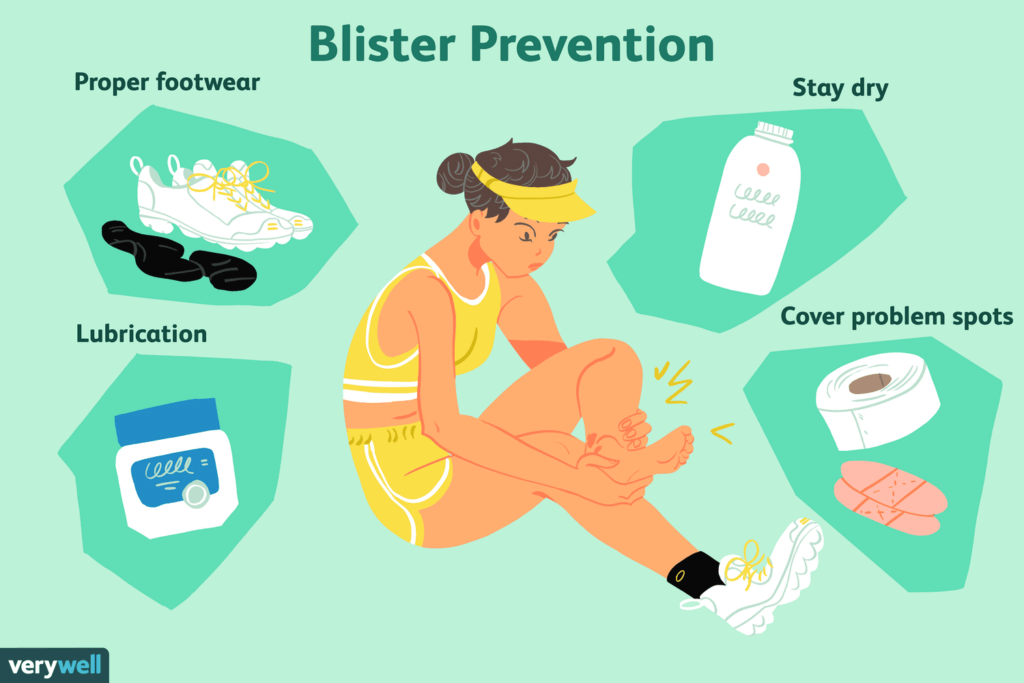
Applying petroleum jelly or other lubricants can help reduce friction and prevent blisters. Before putting on your socks and shoes, liberally apply petroleum jelly or a specialized foot lubricant to areas prone to blister formation, such as the heel or the sides of your feet. This creates a protective barrier between your skin and your footwear, significantly reducing the risk of blisters.
Use talcum powder or cornstarch
Using talcum powder or cornstarch on your feet can help keep them dry and reduce friction. After washing and drying your feet, sprinkle some powder or cornstarch on them, paying extra attention to areas where you tend to develop blisters. These powders will absorb moisture and keep your feet cool and comfortable, minimizing the risk of blisters.
Wear blister pads or bandages
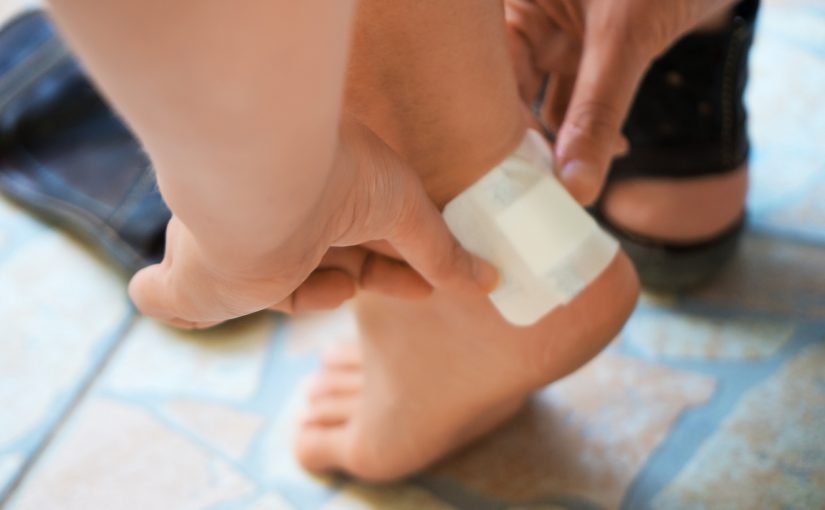
If you know you have an area on your feet that is prone to blister formation, wearing blister pads or bandages can provide an extra layer of protection. These pads and bandages are designed to cushion and protect the skin, reducing friction and preventing blisters from developing. Make sure to place them over the vulnerable areas before putting on your socks and shoes.
Friction Prevention
Use blister prevention patches or tapes
Blister prevention patches or tapes are highly effective in reducing friction and preventing blisters. These patches or tapes are usually made of special fabrics or silicone that adhere to your skin or socks, creating a barrier between your skin and footwear. Apply the patches or tapes to areas that are prone to blister formation before engaging in any physical activity.
Apply moleskin or adhesive pads
Moleskin or adhesive pads are another excellent option for preventing blisters. These soft, cushioned pads can be applied directly to your skin or stuck onto your socks to reduce friction. Moleskin is particularly helpful in protecting blister-prone areas, such as the heels or the balls of your feet. Cut the moleskin or adhesive pads to fit the desired area and secure them in place.
Reduce friction with powders or creams
Using powders or creams specifically designed to reduce friction can be an effective way to prevent blisters. These products create a protective layer on your skin, reducing the chance of friction and blister formation. Apply the powder or cream to areas prone to blisters, such as the toes or heels, before putting on your socks and shoes.
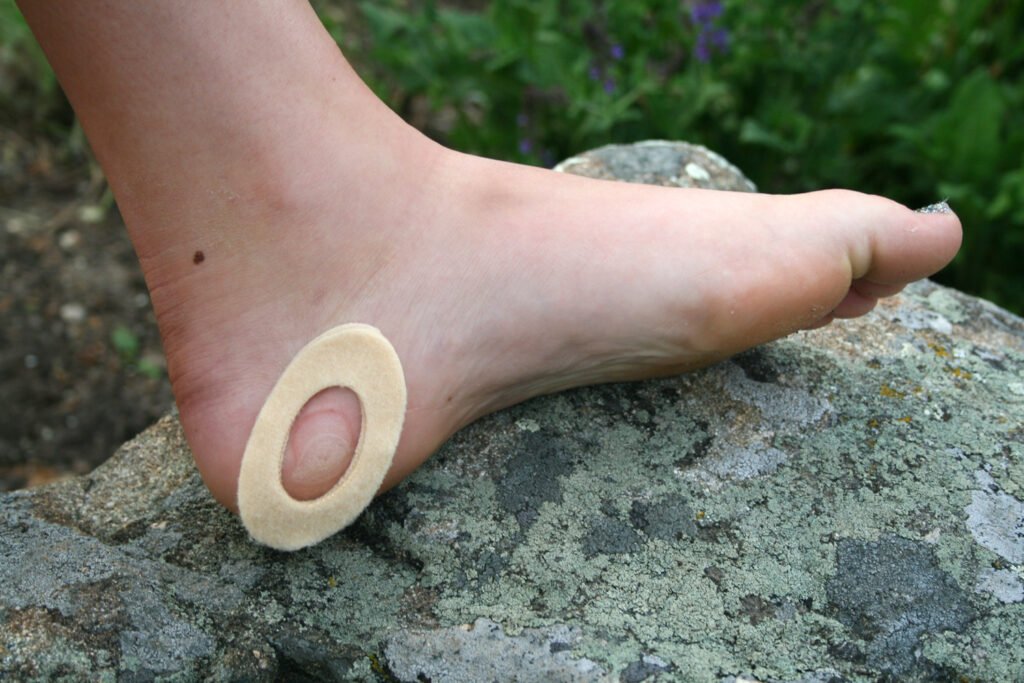
Placing moleskin on blister-prone areas
If you have areas on your feet that are consistently susceptible to blisters, placing moleskin directly on those areas can prevent friction and blister formation. Moleskin is a thick, soft material that can be cut into customized shapes to fit your specific needs. Secure the moleskin over the blister-prone areas, providing a layer of protection against friction and pressure.

Proper Technique
Break-in shoes gradually
When you get a new pair of shoes, it’s essential to break them in gradually to avoid blisters. Start by wearing the shoes for short periods each day, gradually increasing the duration over time. This allows your feet to adjust to the shoes and helps prevent blisters caused by stiff or ill-fitting footwear. It’s crucial to be patient and avoid jumping into long, intense activities with brand new shoes.
Use hiking poles for balance and weight distribution
For hikers or individuals engaging in activities that require prolonged periods of walking or hiking, using hiking poles can be beneficial. Hiking poles provide stability, balance, and help distribute your weight more evenly. By reducing the pressure on your feet, hiking poles can help prevent blisters caused by excessive friction and strain.
Wear appropriate socks and footwear
Wearing appropriate socks and footwear is key in preventing blisters, regardless of the activity you are undertaking. Choose socks made of moisture-wicking materials and shoes designed for the specific activity you will be engaging in. By ensuring the right combination of socks and footwear, you can minimize the risk of friction and keep your feet comfortable and blister-free.
Practice proper running or walking techniques
Practicing proper running or walking techniques can significantly reduce the risk of blisters. When walking or running, make sure to maintain a correct posture and your feet in proper alignment. Avoid dragging your feet or shuffling, as this can create unnecessary friction. By adopting proper techniques, you can reduce the stress on your feet and minimize the chances of blister formation.
Moisture Control
Keep feet dry during activities
Moisture control is essential in preventing blisters, especially during physical activities that cause your feet to sweat. Take regular breaks and remove your shoes and socks to allow your feet to air out and dry off. Consider bringing an extra pair of socks to change into if your feet become excessively sweaty. Keeping your feet dry during activities helps reduce friction and minimize the risk of blisters.
Change socks when they become damp or sweaty
If your socks become damp or sweaty during physical activities, it’s crucial to change into a fresh pair. Damp socks increase the likelihood of friction and blister formation. By changing into dry socks, you maintain a dry and comfortable environment for your feet, reducing the risk of blisters caused by excess moisture.
Use moisture-absorbing insoles
Moisture-absorbing insoles are a great addition to your footwear arsenal when it comes to preventing blisters. These insoles are designed to absorb excess moisture and keep your feet dry during physical activities. They also provide extra cushioning and support, reducing the pressure and friction that can lead to blisters.
Apply antiperspirant or foot powders
To further control moisture and reduce sweating, consider applying antiperspirant or foot powders on your feet before engaging in physical activities. Antiperspirant can help minimize sweating, while foot powders absorb excess moisture. Apply these products specifically to areas prone to sweating, such as the soles and sides of your feet, to keep them dry and comfortable.
Hydration
Drink enough water to prevent dehydration
Staying hydrated is crucial in preventing various health issues, including blisters. When your body is dehydrated, your skin becomes drier, increasing the chances of friction and blister formation. Make sure to drink enough water throughout the day, especially before, during, and after physical activities. Adequate hydration helps keep your skin moist and reduces the risk of blisters.
Stay hydrated before and during activities
In addition to maintaining proper hydration throughout the day, it’s important to stay hydrated before and during physical activities. As you engage in physical exertion, your body loses moisture through sweat, leading to dehydration. By drinking water before and during your activities, you can replenish the lost fluids and help prevent dry skin and blister formation.
Avoid excessive sweating
Excessive sweating can contribute to blister formation, particularly in areas where friction occurs. To avoid excessive sweating, make sure to wear breathable clothing and choose moisture-wicking materials for your socks and footwear. By minimizing sweat, you reduce the risk of moisture build-up and friction, decreasing the chances of blisters.
Limit alcohol and caffeine consumption
Alcohol and caffeine can dehydrate your body, which in turn can lead to dry skin and increase the likelihood of blisters. While it’s essential to stay hydrated, it’s equally important to limit your consumption of alcoholic and caffeinated beverages, as they can contribute to dehydration. Opt for water or other hydrating alternatives to keep your body properly hydrated and help prevent blisters.
Skin Protection
Avoid prolonged exposure to moisture
Prolonged exposure to moisture can soften the skin, making it more susceptible to friction and blister formation. Avoid sitting with wet feet for an extended period and ensure your shoes and socks are dry before putting them on. By protecting your skin from prolonged moisture, you reduce the risk of blisters caused by excessive friction and pressure.
Protect against extreme temperatures
Extreme temperatures can have adverse effects on your skin, including the formation of blisters. Protect your feet from extreme heat or cold by wearing appropriate footwear and socks. In hot weather, opt for breathable shoes and moisture-wicking socks to keep your feet cool and dry. In cold weather, choose insulated and waterproof shoes to keep your feet warm and dry.
Apply sunscreen to exposed skin
When engaging in activities that expose your feet to the sun, such as hiking or walking, it’s crucial to protect your skin from harmful UV rays. Apply sunscreen to any exposed areas of your feet to prevent sunburn and reduce the risk of blister formation. Choose a sunscreen with a high SPF rating and reapply it regularly, particularly if you are sweating or in water.
Use shoes or sandals in wet areas
Walking barefoot in wet areas can increase the risk of blisters due to friction against wet surfaces. Whenever possible, wear appropriate footwear such as water shoes or sandals in wet areas like public showers or swimming pools. This protects your feet from excess moisture and reduces the chances of friction and blister development.
Professional Advice
Consult a podiatrist or foot specialist
If you have persistent issues with blisters or underlying foot conditions that predispose you to blister formation, it’s essential to seek professional advice. Consult a podiatrist or foot specialist for a thorough evaluation of your feet. They can provide customized recommendations, such as orthotic inserts, to address any abnormalities and reduce the occurrence of blisters.
Get a proper shoe fitting
To ensure you are wearing shoes that properly fit your feet, it’s a good idea to get a proper shoe fitting. Visit a specialty shoe store or consult with a shoe fitting expert to find the right size and style for your feet. A proper shoe fitting takes into account factors such as foot shape, arch support, and individual needs, reducing the chances of blisters caused by ill-fitting footwear.
Seek guidance for specific activities
If you are engaging in specific activities that require extra precautions, such as hiking or running long distances, seek guidance from professionals with expertise in those areas. They can provide valuable insights and tips to prevent blisters and ensure that you are properly equipped for the activity. Whether it’s a hiking guide or a running coach, their expertise can help you navigate potential blister-inducing situations.
Address any foot abnormalities or conditions
If you have any existing foot abnormalities or conditions, such as bunions, calluses, or deformities, it’s crucial to address them appropriately to prevent blisters. Consult with a podiatrist or foot specialist to develop a customized treatment plan to manage these conditions and reduce the risk of blisters. By addressing the underlying issues, you can significantly enhance your foot health and prevent discomfort caused by blisters.
Certain Activities
Gradually increase intensity and duration
When engaging in physical activities, it’s essential to progressively increase both the intensity and duration. Sudden or drastic increases in intensity or duration can put excessive strain on your feet, increasing the chances of blister formation. By gradually building up your activities, you allow your feet to adapt and minimize the risk of blisters caused by overexertion.
Use appropriate protective gear
Depending on the activity you are participating in, it’s crucial to wear appropriate protective gear to prevent blisters. This may include wearing knee pads, ankle supports, or other protective equipment that can reduce the risk of friction and pressure on your feet. Choose gear that is specifically designed for the activity and provides adequate cushioning and support.
Take regular breaks
Taking regular breaks during physical activities allows your feet to rest and recover, reducing the risk of blister formation. Resting gives your feet a chance to cool off and minimizes the friction caused by continuous movement. Listen to your body and take breaks whenever you start to feel discomfort or fatigue in your feet.
Listen to your body for signs of discomfort
Finally, it’s crucial to listen to your body and pay attention to any signs of discomfort. If you start to feel hot spots, rubbing, or any pain on your feet, address it immediately. Stop and assess the situation, adjusting your socks or shoes if necessary. Ignoring these warning signs can lead to more significant issues like blisters, so be proactive in addressing any discomfort you feel.
By following these comprehensive tips and practices, you can greatly minimize the chances of developing blisters and ensure that your feet stay comfortable and healthy. Remember that each person’s feet are unique, so it may take some trial and error to find the perfect combination of preventive measures that work best for you. With proper footwear, moisture control, skin protection, and professional guidance, you can enjoy your activities blister-free!