Are you tired of feeling uncomfortable and bloated after every meal? If so, you’re not alone. Bloating is a common digestive issue that can leave you feeling sluggish and self-conscious. However, fret not, as there are simple and effective ways to prevent bloating and enjoy your meals without discomfort. In this article, we will explore some practical tips and lifestyle changes that you can incorporate into your daily routine to keep bloating at bay. Say goodbye to that post-meal bloat and hello to a happier, healthier digestive system!

Understanding Bloating
What is bloating?
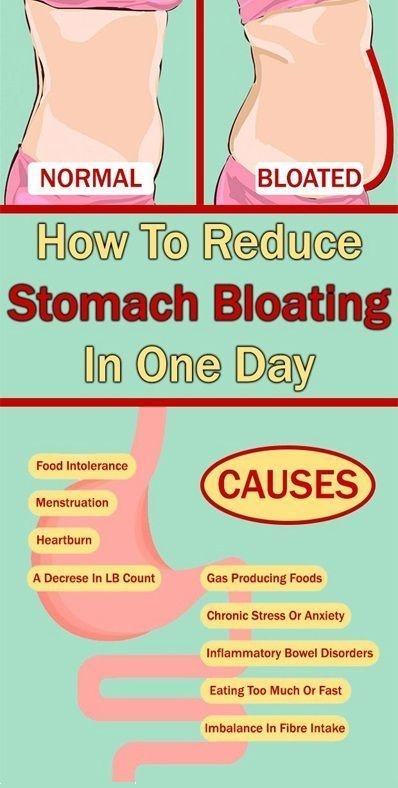
Bloating refers to the feeling of fullness and tightness in the abdomen that is often accompanied by gas and excessive flatulence. It is a common and uncomfortable condition that many people experience from time to time. Bloating can be caused by a variety of factors, including digestive issues, dietary choices, and underlying medical conditions. Understanding the causes and symptoms of bloating is essential in finding effective ways to prevent and manage this uncomfortable condition.
Common causes of bloating
Bloating can be caused by several factors, including:
- Overeating: Consuming large portions of food can put excessive strain on the digestive system, leading to bloating.
- Eating too quickly: Eating too fast can cause you to swallow air, which can contribute to bloating.
- Carbonated beverages: The bubbles in carbonated drinks can accumulate in the digestive system, leading to bloating and discomfort.
- Gas-producing foods: Certain foods such as beans, lentils, broccoli, cabbage, onions, and carbonated drinks can produce excess gas in the digestive system, leading to bloating.
- Food intolerances or allergies: Some individuals may experience bloating due to specific food intolerances or allergies, such as lactose intolerance or gluten sensitivity.
- Medical conditions: Certain medical conditions like irritable bowel syndrome (IBS), constipation, gastroesophageal reflux disease (GERD), or inflammatory bowel disease (IBD) can cause chronic bloating.
Symptoms of bloating
Bloating can manifest in various ways, and the symptoms may vary from person to person. Some common symptoms of bloating include:
- Feeling of fullness and tightness in the abdomen.
- Excessive burping or belching.
- Increased flatulence.
- Abdominal pain or cramping.
- A visibly distended or swollen abdomen.
- Changes in bowel movements, such as constipation or diarrhea.
Eating Habits
Eat smaller meals
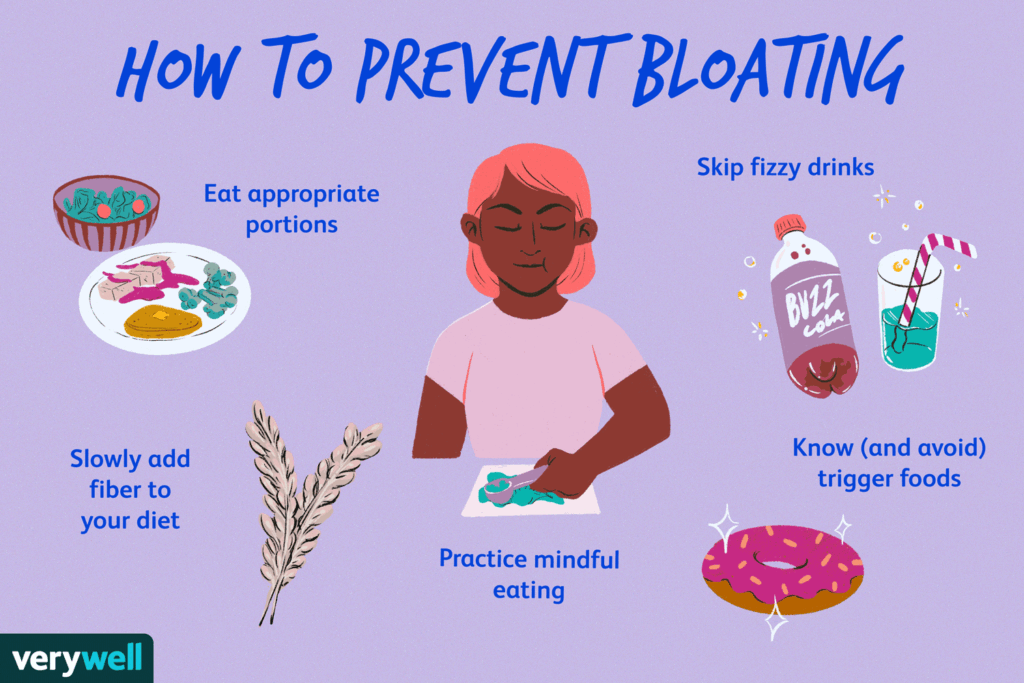
One effective way to prevent bloating is to consume smaller meals throughout the day rather than three large meals. When you eat large portions, your stomach has to work harder to digest the food, leading to an increased likelihood of bloating. By opting for smaller, more frequent meals, you can give your digestive system a break and minimize the chances of bloating.
Chew food thoroughly
Chewing your food thoroughly is essential for proper digestion. When you chew food properly, it breaks down into smaller particles, making it easier for your stomach and intestines to digest. By taking the time to chew your food thoroughly, you can reduce the amount of air you swallow, which can contribute to bloating.
Avoid overeating
Overeating is a common cause of bloating. By listening to your body’s hunger and fullness cues, you can avoid consuming excessive amounts of food that can strain your digestive system. It is important to eat until you feel satisfied, rather than eating until you feel uncomfortably full.
Slow down while eating
Eating too quickly can lead to bloating, as it can cause you to swallow air. By slowing down and savoring each bite, you can prevent excessive air intake and support healthier digestion. Putting your utensils down between bites and taking the time to chew and enjoy your meal can make a significant difference in preventing bloating.
Avoid drinking carbonated beverages
Carbonated beverages contain bubbles of gas that can accumulate in your digestive system, leading to bloating and discomfort. It is advisable to avoid or limit your intake of carbonated drinks if you are prone to bloating. Opting for water, herbal teas, or other non-carbonated beverages can help prevent bloating.
Limit intake of gas-producing foods
Certain foods are known to produce excess gas in the digestive system, leading to bloating. It is important to be mindful of your consumption of gas-producing foods, especially if you are prone to bloating. Some common gas-producing foods include beans, lentils, broccoli, cabbage, onions, and carbonated drinks. Reducing your intake of these foods or finding alternative options can help alleviate bloating.
Dietary Considerations
Increase fiber intake gradually
Fiber is an essential component of a healthy diet, as it promotes regular bowel movements and supports digestive health. However, increasing your fiber intake too quickly can cause bloating and gas. It is recommended to gradually increase your fiber intake over time and ensure you are drinking plenty of water to prevent bloating.
Stay hydrated
Staying hydrated is crucial for maintaining optimal digestive function. Drinking an adequate amount of water throughout the day can help prevent constipation and promote regular bowel movements. Aim to drink at least eight glasses of water per day to support healthy digestion and reduce the likelihood of bloating.
Limit processed foods
Processed foods often contain high levels of sodium, artificial additives, and preservatives, which can contribute to bloating. Opting for whole, unprocessed foods can help reduce bloating and support overall digestive health. Fresh fruits, vegetables, lean proteins, and whole grains should be prioritized in your diet to prevent bloating.
Identify food intolerances or allergies
Food intolerances or allergies can cause bloating in some individuals. If you suspect that certain foods are triggering your bloating episodes, consider keeping a food diary to identify potential culprits. Common food intolerances include lactose intolerance, gluten sensitivity, and fructose intolerance. Consulting with a healthcare professional or registered dietitian can help you determine if you have any food intolerances or allergies that may be contributing to your bloating.
Reduce salt intake
Excess salt intake can cause your body to retain water and contribute to bloating. Therefore, it is important to limit your consumption of salt and salty foods. Instead, opt for herbs, spices, and other natural flavorings to enhance the taste of your meals without adding excess salt.
Limit consumption of high-fat foods and fried foods
High-fat foods and fried foods can take longer to digest, potentially leading to bloating and discomfort. It is advisable to limit your intake of these types of foods to avoid bloating. Instead, focus on incorporating healthier fats, such as avocados, nuts, and seeds, into your diet.
Meal Planning
Include probiotic-rich foods
Probiotics are beneficial bacteria that can help support a healthy gut and reduce bloating. Including probiotic-rich foods in your meals can promote a balanced gut microbiome and support optimal digestion. Yogurt, kefir, sauerkraut, kimchi, and tempeh are excellent sources of probiotics that can be easily incorporated into your meal planning.
Ensure balanced meals
Eating balanced meals that include a combination of carbohydrates, protein, and healthy fats can support optimal digestion and prevent bloating. Aim to include a variety of nutrient-dense foods in each meal to provide your body with the necessary nutrients for efficient digestion.
Use herbs and spices
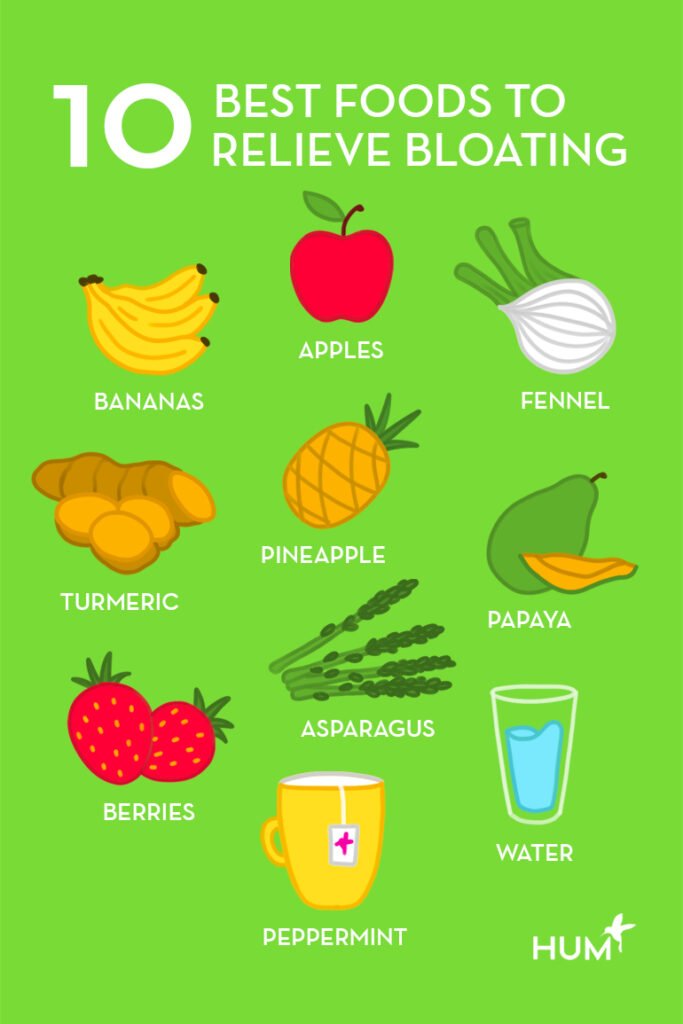
Herbs and spices not only enhance the flavor of your meals but can also support healthy digestion and reduce bloating. Ginger, peppermint, fennel, and chamomile are among the herbs and spices known for their digestive benefits. Adding these ingredients to your meals or enjoying them as herbal teas can help alleviate bloating.
Plan meals ahead of time
Planning your meals ahead of time can help you make healthier choices and avoid overeating. By preparing balanced meals in advance, you can ensure that you have nutritious options readily available and reduce the likelihood of reaching for processed or unhealthy foods that can contribute to bloating.
Avoid skipping meals
Skipping meals can disrupt your digestive system and lead to overeating later in the day. To prevent bloating, it is important to eat regular meals and avoid prolonged periods of fasting. Aim to have three balanced meals a day and incorporate healthy snacks if needed to maintain stable blood sugar levels and support healthy digestion.

Lifestyle Modifications
Exercise regularly
Regular exercise is not only beneficial for your overall health but can also support healthy digestion and prevent bloating. Engaging in moderate-intensity exercises, such as brisk walking, cycling, or swimming, can help stimulate your digestive system and promote regular bowel movements.
Manage stress levels
Stress can have a significant impact on your digestive health and contribute to bloating. Practicing stress management techniques, such as deep breathing exercises, meditation, or engaging in hobbies you enjoy, can help reduce stress levels and prevent bloating. Prioritizing self-care and finding healthy outlets for stress can support optimal digestion.
Get enough sleep
Adequate sleep is essential for maintaining optimal overall health, including digestive health. Lack of sleep can disrupt your body’s natural rhythms and lead to digestive issues, including bloating. Aim to get at least seven to eight hours of quality sleep each night to support healthy digestion and reduce the likelihood of bloating.
Avoid smoking
Smoking can have a detrimental effect on your digestive system, causing various digestive issues, including bloating. Quitting smoking or avoiding exposure to secondhand smoke can significantly improve your digestive health and reduce bloating.
Limit alcohol consumption
Excessive alcohol consumption can cause dehydration and disrupt the natural balance of bacteria in your gut, leading to bloating. It is important to limit your alcohol intake and drink in moderation to support optimal digestive function and prevent bloating.
Avoid tight-fitting clothing
Wearing tight-fitting clothing, especially around the waist, can put pressure on your abdomen and contribute to bloating. Opt for looser, more comfortable clothing that allows your digestive system to function properly and prevents unnecessary pressure on your abdomen.
Digestive Health
Optimize gut health
Maintaining a healthy gut is crucial for preventing bloating and promoting overall digestive health. Consuming a diet rich in fiber, probiotics, and prebiotic foods can help support a balanced gut microbiome. Additionally, avoiding excessive use of antibiotics and reducing stress levels can improve gut health and minimize the risk of bloating.
Consider digestive enzymes
Digestive enzymes can be beneficial for individuals who struggle with digestive issues, including bloating. These enzymes help break down food more efficiently and can support healthy digestion. Consulting with a healthcare professional or registered dietitian can help determine if digestive enzyme supplements are appropriate for your individual needs.
Avoid excessive use of laxatives
While laxatives can provide temporary relief for constipation, overuse can disrupt the natural functioning of your digestive system and lead to dependency. It is important to avoid excessive reliance on laxatives and focus on promoting regular bowel movements through a balanced diet, hydration, and regular exercise.
Stay active after meals
Engaging in light physical activity after meals, such as going for a walk, can help stimulate digestion and prevent bloating. Avoiding immediate rest or lying down after eating can support healthy digestion and reduce the likelihood of bloating.
Practice mindful eating
Mindful eating involves paying attention to your body’s hunger and fullness cues and savoring each bite. By practicing mindful eating, you can reduce the risk of overeating, promote healthy digestion, and prevent bloating. Take the time to appreciate the flavors, textures, and smells of your food, and listen to your body’s signals of satisfaction.
Medical Conditions
Discuss with a healthcare professional
If you experience frequent or severe bloating, it is advisable to consult with a healthcare professional. They can help evaluate your symptoms, identify any underlying medical conditions, and provide appropriate guidance and treatment options.
Understand underlying medical conditions
Bloating can be a symptom of underlying medical conditions such as irritable bowel syndrome (IBS), constipation, gastroesophageal reflux disease (GERD), or inflammatory bowel disease (IBD). It is essential to understand these conditions and their potential impact on your digestive health to effectively manage bloating. Working with a healthcare professional can help you gain a deeper understanding of these conditions and their treatment options.
Seek appropriate treatment
If an underlying medical condition is causing your bloating, it is crucial to seek appropriate treatment. Following the prescribed treatment plan recommended by your healthcare professional can help alleviate bloating and manage any underlying digestive issues.
Follow prescribed medications
If you have been prescribed medications for an underlying medical condition that causes bloating, it is essential to take them as directed. Medications can play a vital role in managing symptoms and preventing bloating. It is important to follow your healthcare professional’s instructions and communicate any concerns or side effects to them.
Natural Remedies
Try herbal teas
Herbal teas, such as peppermint, chamomile, or ginger tea, can provide natural relief for bloating. These teas have been traditionally used for their digestive properties and can help alleviate bloating symptoms. Sipping on a warm cup of herbal tea after a meal can support healthy digestion and reduce bloating.
Use peppermint oil
Peppermint oil is known for its soothing and calming properties on the digestive system. Applying a few drops of peppermint oil diluted in a carrier oil and massaging it onto your abdomen can help alleviate bloating and promote healthy digestion. However, it is important to consult with a healthcare professional before using any essential oils, especially if you have underlying health conditions.
Consume ginger
Ginger has long been used as a natural remedy for digestive issues, including bloating. Consuming ginger in various forms, such as fresh ginger slices, ginger tea, or ginger supplements, can help reduce bloating and improve digestion. Ginger can also have anti-inflammatory properties, which may further support digestive health.
Avoid excessive use of home remedies
While natural remedies can provide relief for bloating, it is important to avoid excessive reliance on home remedies without proper guidance. Some remedies may have potential side effects or interactions with medications. It is always best to consult with a healthcare professional or registered dietitian before incorporating any new remedies into your routine.
When to Seek Medical Help
While occasional bloating is normal, persistent or severe bloating may require medical attention. It is essential to seek medical help if you experience:
- Persistent or severe bloating that does not resolve on its own or with lifestyle modifications.
- Unexplained weight loss accompanied by bloating.
- Blood in your stool.
- Severe abdominal pain that is not relieved with over-the-counter medications.
These symptoms may indicate an underlying medical condition that requires medical evaluation and treatment.
Conclusion
Bloating can be both uncomfortable and disruptive to daily life. By understanding the causes and symptoms of bloating, making dietary and lifestyle modifications, and seeking appropriate medical attention when needed, you can effectively prevent and manage bloating. Remember to prioritize healthy eating habits, maintain a balanced and varied diet, manage stress levels, and listen to your body’s signals to promote optimal digestive health and minimize the occurrence of bloating.