
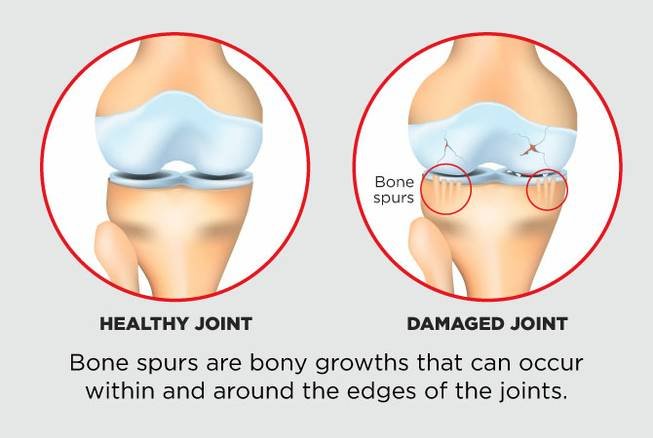
In this article, you will discover simple and effective methods to prevent the formation of bone spurs. These bony protrusions, which often occur near joints, can cause discomfort and limit your mobility. By implementing easy-to-follow strategies, such as maintaining a healthy weight, practicing proper posture, and incorporating regular exercise in your routine, you can safeguard yourself against the development of bone spurs. Let’s explore these preventive measures for a pain-free and active lifestyle.
Maintain a Healthy Lifestyle
Exercise Regularly
Regular exercise is essential for maintaining a healthy lifestyle. It not only helps in managing weight but also promotes overall physical and mental well-being. Engaging in activities such as walking, jogging, swimming, or cycling can help strengthen your bones and muscles, improve flexibility, and enhance cardiovascular health. Aim for at least 150 minutes of moderate-intensity exercise or 75 minutes of vigorous-intensity exercise each week to reap the benefits. Remember to consult with a healthcare professional before starting any new exercise routine, especially if you have any underlying health conditions.
Maintain a Healthy Weight
Maintaining a healthy weight is crucial for the health of your bones and joints. Excess body weight puts extra pressure on your joints, increasing the risk of developing conditions such as osteoarthritis and bone spurs. To maintain a healthy weight, focus on a balanced diet, portion control, and regular exercise. Incorporate a variety of nutrient-rich foods into your meals, including fruits, vegetables, whole grains, lean proteins, and healthy fats. Additionally, limit your intake of processed foods, sugary drinks, and high-fat snacks.
Eat a Balanced Diet
A balanced diet plays a significant role in promoting bone and joint health. Ensure that you consume a wide array of nutrients to provide your body with the essential building blocks for strong bones and joints. Calcium, vitamin D, and protein are particularly important for maintaining healthy bones. Incorporate calcium-rich foods such as dairy products, leafy greens, and fortified foods into your diet. Vitamin D can be obtained through exposure to sunlight or in foods like fatty fish, eggs, and fortified dairy products. Lastly, include sources of lean protein, such as poultry, fish, beans, and nuts, to support bone and muscle health.
Maintain Proper Posture
Practice Good Posture
Maintaining good posture is vital for the health of your spine and overall musculoskeletal system. Poor posture can contribute to musculoskeletal imbalances and increase the risk of developing conditions like spinal misalignment, back pain, and bone spurs. To practice good posture, align your ears, shoulders, and hips in a straight line while standing or sitting. Avoid slouching or slumping, and make a conscious effort to keep your spine in a neutral position. Regularly remind yourself to check your posture throughout the day and make necessary adjustments.
Use Ergonomic Equipment
Using ergonomic equipment can significantly help in maintaining proper posture and reducing the strain on your joints. Whether you’re working in an office or at home, invest in ergonomically designed furniture and equipment. Use an adjustable chair that supports your lower back, keeps your feet flat on the floor, and allows your arms to be at a comfortable height for typing or writing. Adjust your computer monitor to eye level and use a keyboard and mouse that promote a neutral wrist position. Making these adjustments can help prevent muscle imbalances and reduce the risk of developing bone spurs or other musculoskeletal issues.
Take Frequent Breaks
Taking frequent breaks from prolonged sitting or repetitive tasks can help alleviate strain on your bones and joints. Whether you’re working at a desk, engaging in manual labor, or participating in hobbies, make sure to incorporate regular breaks into your daily routine. Stand up, stretch, and move around every 30 minutes to reduce the risk of developing muscle imbalances and joint stiffness. This simple habit can also help prevent bone spurs from forming and relieve any existing discomfort.
Avoid Repetitive Movements and Overuse
Take Regular Breaks
When engaged in repetitive movements or tasks that involve continuous use of certain muscles or joints, taking regular breaks is crucial. Repetitive movements and overuse can lead to strain on your bones, joints, and surrounding tissues, increasing the risk of developing conditions like bone spurs. Allow yourself short breaks every hour to rest and stretch the affected muscles or joints. This practice can help reduce the strain and prevent the accumulation of excessive stress on specific areas of your body.
Use Proper Body Mechanics
Proper body mechanics are essential in minimizing the risk of developing bone spurs and other musculoskeletal issues. Whether you’re lifting heavy objects, performing physical activities, or engaging in repetitive tasks, it’s important to use the correct body mechanics to avoid placing excessive stress on your bones and joints. Lift objects using your leg muscles and keep the weight close to your body. Maintain a neutral spine position for activities that involve bending or twisting. By practicing proper body mechanics, you can minimize the risk of overuse injuries and promote the health of your bones and joints.
Alternate Tasks
To prevent overuse injuries and reduce the risk of developing bone spurs, it’s important to alternate between different tasks and activities. Performing the same repetitive movement for an extended period can lead to strain and stress on specific joints or muscles. By incorporating variety into your daily routine, you can distribute the workload across different areas of your body and prevent excessive strain on any single joint or muscle group. For example, if you spend a lot of time typing, take breaks to stretch your fingers and wrists, and engage in other activities that involve different movements.
Protect Your Feet
Wear Supportive Shoes
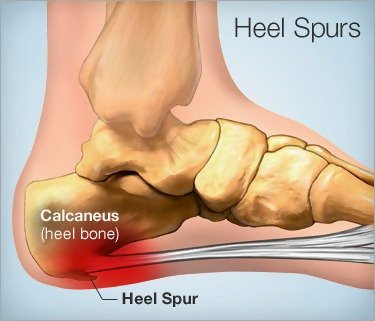
Taking care of your feet is crucial for maintaining proper bone and joint health. Wearing supportive shoes that provide adequate cushioning and arch support can help alleviate stress on your feet and lower limbs, reducing the risk of developing conditions like plantar fasciitis or bone spurs. Choose shoes that fit well and provide proper stability for your specific foot type. It’s also important to replace worn-out shoes to ensure continued support. If you have specific foot conditions or abnormalities, consult with a podiatrist to determine the most appropriate footwear for your needs.
Avoid High Heels
High heels may look fashionable, but they can significantly impact the health of your feet and contribute to the development of bone spurs. Wearing high heels alters the natural alignment of your feet and puts excessive pressure on the forefoot, leading to instability and various foot-related issues. Opt for low-heeled shoes or flats that provide better support and allow your feet to maintain a more natural position. If you must wear high heels for special occasions, limit the duration and give your feet a break by wearing more comfortable shoes before and after.
Use Orthotic Inserts
Orthotic inserts can be an effective way to support your feet and reduce the risk of developing bone spurs. These customized shoe inserts help distribute pressure evenly, correct alignment issues, and provide additional cushioning for your feet. There are various types of orthotic inserts available, from over-the-counter options to custom-made inserts. Consult with a podiatrist or orthopedic specialist to determine the most suitable orthotic inserts for your specific foot needs and to ensure proper alignment and support.
Use Proper Sports Techniques
Warm Up and Cool Down
When engaging in any sports or physical activities, it’s crucial to warm up and cool down properly. Warming up prepares your body for physical exertion, increases blood flow to your muscles, and helps prevent injuries like bone spurs. Start with light aerobic exercises, followed by dynamic stretches to loosen your muscles and joints. Cooling down helps your body gradually return to its resting state and prevents the buildup of lactic acid. It should include static stretches and gentle movements to relax and stretch your muscles, promoting flexibility and preventing stiffness.
Use Appropriate Equipment
Using appropriate sports equipment is essential for preventing injuries, including bone spurs. Whether you’re participating in team sports, individual activities, or recreational hobbies, make sure to wear the necessary protective gear and use equipment that is suitable for your chosen activity. Helmets, pads, and guards can help protect your head, joints, and other vulnerable areas from impact. Additionally, ensure that your equipment, such as footwear, is properly fitted and provides adequate support and stability for your feet, ankles, and lower limbs.
Take Rest Days
Rest days are vital for your body’s recovery and injury prevention. Engaging in high-impact or repetitive activities without giving your body enough time to rest and recover can increase the risk of developing bone spurs and other overuse injuries. Listen to your body and prioritize rest days as part of your exercise or training routine. Resting allows your bones, joints, and muscles to repair and rebuild, promoting their long-term health and reducing the chances of developing conditions such as bone spurs.
Prevent Osteoarthritis
Maintain Joint Health
Maintaining joint health is essential for preventing bone spurs and other degenerative conditions like osteoarthritis. Good joint health can be achieved by staying active, maintaining a healthy weight, and avoiding excessive stress on your joints. Engaging in regular exercise helps strengthen the muscles around your joints, providing better support and stability. Additionally, be mindful of activities that place excessive strain on your joints and modify them accordingly to minimize the risk of joint damage.
Avoid Joint Injuries
Protecting your joints from injuries is crucial in preventing the development of bone spurs and other joint-related issues. Joint injuries, such as ligament tears or fractures, can disrupt the normal functioning of your joints, leading to accelerated joint deterioration and increased risk of bone spurs. Use proper techniques and protective gear when engaging in activities that carry a higher risk of joint injury, such as contact sports or high-impact exercises. Always warm up before physical activities and gradually increase the intensity to reduce the likelihood of joint injuries.
Manage Chronic Conditions
Chronic conditions like rheumatoid arthritis or gout can contribute to the development of bone spurs and other joint-related problems. If you have a chronic condition, it’s essential to work closely with your healthcare provider to actively manage and control your condition. Follow your prescribed treatment plan, take any necessary medications, and attend regular check-ups to monitor the progression of your condition and ensure early intervention or adjustments to your treatment, if needed. Proper management of chronic conditions can help minimize joint damage and reduce the risk of bone spurs.
Avoid Sitting or Standing for Prolonged Periods
Change Positions Regularly
Prolonged sitting or standing in the same position can place excessive stress on your joints, leading to discomfort and an increased risk of bone spurs. To minimize the adverse effects of extended periods of inactivity, make a conscious effort to change your position regularly. If you have a desk job, get up and walk around for a few minutes every hour. If you’re standing for prolonged periods, try shifting your weight from one leg to another or using a footrest to provide relief. These simple adjustments can help prevent joint stiffness and reduce the likelihood of developing bone spurs.
Use Appropriate Support
Sitting or standing with proper support is essential for maintaining good posture and minimizing strain on your joints. When sitting, use a chair that provides adequate back support and ensures proper alignment of your spine. Consider using a lumbar roll or cushion if necessary to maintain the natural curve of your lower back. If you’re standing for extended periods, wear supportive shoes and use anti-fatigue mats or cushioned surfaces to reduce the impact on your joints. Providing proper support can help alleviate pressure on your joints and prevent the formation of bone spurs.
Perform Stretching Exercises
Incorporating stretching exercises into your daily routine can help alleviate joint stiffness, increase flexibility, and reduce the risk of developing bone spurs. Perform gentle stretching exercises that target your major muscle groups and joints, particularly those that are frequently subjected to prolonged sitting or standing. Focus on areas like your neck, shoulders, lower back, hips, and ankles. Stretching regularly improves joint mobility, promotes circulation, and helps maintain the health and integrity of your musculoskeletal system.
Take Care of Your Spine
Maintain Proper Spinal Alignment
Maintaining proper spinal alignment is crucial in preventing conditions such as bone spurs and back pain. Your spine has a natural curvature that should be maintained to distribute the forces evenly throughout your vertebral column. To promote proper spinal alignment, ensure that your workstation is ergonomically set up to support a neutral spine position. Additionally, practice good posture habits throughout the day and avoid activities that strain your spine, such as excessive bending, twisting, or heavy lifting. By maintaining proper spinal alignment, you can minimize the risk of developing bone spurs and maintain a healthy spine.
Strengthen Core Muscles
Strengthening your core muscles is essential for supporting your spine and minimizing the risk of developing bone spurs and other back problems. Your core muscles, including your abdominal, back, and pelvic muscles, provide stability and take the load off your spine during physical activities. Engage in exercises that target your core, such as planks, bridges, and Pilates, to strengthen these muscles. It’s important to perform exercises correctly and gradually increase the intensity to avoid strain or injury. Strong core muscles can help maintain proper spinal alignment and reduce the risk of developing bone spurs.
Avoid Heavy Lifting
Heavy lifting, especially when performed with poor lifting techniques, can place excessive stress on your spine and lead to the development of bone spurs and other back-related issues. When lifting heavy objects or performing manual labor, make sure to use proper lifting techniques to protect your spine. Bend your knees and use the strength of your legs to lift, keeping the object close to your body. Avoid twisting or jerking motions while lifting, as they can strain your back. When in doubt about your ability to lift heavy objects safely, seek assistance or use mechanical aids to avoid potential injury.
Wear Protective Gear
Use Helmets and Pads
When participating in activities with a risk of head or joint injuries, wearing appropriate protective gear is essential. For sports such as cycling, skateboarding, or contact sports like football or hockey, always wear a helmet to protect your head from impact and reduce the risk of traumatic brain injuries. Additionally, use appropriate pads and protective equipment to safeguard your joints and minimize the likelihood of fractures or joint damage. Investing in quality protective gear can help prevent serious injuries and related complications, including bone spurs.
Protect Your Joints
Protecting your joints from impact and excessive stress is crucial in preventing the development of bone spurs and other joint-related issues. Depending on the activity you’re engaging in, choose protective gear that provides adequate support and cushioning for your joints. For example, if you’re participating in activities like basketball or volleyball, wear supportive knee pads to protect your knees from landing impact. Assess the potential risks and impact on your joints for each activity and make an informed decision about the necessary protective gear to wear.
Wear Proper Footwear
Proper footwear is essential for protecting your feet, ankles, and lower limbs during physical activities and preventing the development of bone spurs. Choose shoes that provide good shock absorption, stability, and support for your specific activity. Different sports or activities may require different types of footwear, so ensure you have the appropriate shoes for your chosen activity. Pay attention to the fit of the shoes, ensuring they are comfortable, provide adequate arch support, and have proper traction to prevent slips or falls. Wearing proper footwear can help prevent injuries and support the health of your feet and joints.
Avoid Smoking and Excessive Alcohol
Quit Smoking
Smoking not only poses numerous health risks but also negatively impacts bone and joint health. Smoking reduces blood flow to the bones and decreases the absorption of essential nutrients required for bone health, increasing the risk of bone spurs and osteoporosis. Furthermore, smoking impairs the healing process, which can be detrimental if you undergo surgery or sustain an injury. Quitting smoking is one of the most impactful steps you can take to promote your overall health and prevent the development of bone spurs. Reach out to healthcare professionals or support groups to find resources that can assist you in quitting.
Drink Moderately
Excessive alcohol consumption can have detrimental effects on your bone health and increase the risk of developing bone spurs. Alcohol interferes with the absorption of calcium, a vital nutrient for bone strength, and adversely affects bone remodeling. This can lead to decreased bone density, weakening the bones and making them more susceptible to conditions like osteoporosis. Limit your alcohol intake to moderate levels as defined by health guidelines, which typically means up to one drink per day for women and up to two drinks per day for men. By drinking moderately, you can protect your bones and reduce the risk of bone spurs.
In conclusion, maintaining a healthy lifestyle and taking proactive measures to prevent bone spurs is essential for promoting overall bone and joint health. By incorporating regular exercise, maintaining a healthy weight, and adopting a balanced diet, you provide your body with the necessary nutrients and support to keep your bones and joints strong. Practicing good posture, using ergonomic equipment, and taking frequent breaks can help alleviate strain on your bones and joints. Avoiding repetitive movements and overuse, protecting your feet, using proper sports techniques, and preventing osteoarthritis are additional steps to keep in mind. Taking care of your spine, wearing protective gear, and avoiding smoking and excessive alcohol consumption are also vital for preventing bone spurs and promoting a healthy musculoskeletal system. By implementing these measures into your daily life, you can minimize the risk of bone spurs and enjoy an active and pain-free lifestyle for years to come.