
If you want to keep your bones healthy and free from tumors, there are a few simple steps you can take. Regular exercise, especially weight-bearing exercises like walking or jogging, can help strengthen your bones and reduce the risk of tumors. Eating a balanced diet rich in calcium and vitamin D is also crucial for maintaining bone health. Avoiding smoking and excessive alcohol consumption is equally important. By incorporating these habits into your lifestyle, you can take proactive measures to prevent bone tumors and ensure the overall well-being of your skeletal system.
Maintain a Healthy Lifestyle
Exercise Regularly
Regular exercise is crucial for maintaining overall health and preventing a variety of diseases, including bone tumors. Engaging in physical activity helps strengthen your bones, improve blood flow, and enhance your immune system. Aim for at least 150 minutes of moderate-intensity aerobic exercise or 75 minutes of vigorous-intensity aerobic exercise every week. Incorporate weight-bearing exercises such as walking, jogging, dancing, or weightlifting, as these stimulate bone growth and prevent bone loss. Remember to start slowly if you’re new to exercise and gradually increase the intensity and duration over time.
Eat a Balanced Diet
A balanced diet is essential for supporting optimal bone health and lowering the risk of bone tumors. Ensure that your diet includes a variety of nutrient-rich foods such as fruits, vegetables, whole grains, lean proteins, and low-fat dairy products. These foods provide essential vitamins, minerals, and antioxidants that promote bone growth and repair. Pay particular attention to calcium and vitamin D intake, as these nutrients are critical for bone health. Include calcium-rich foods, such as dairy products, leafy greens, and fortified foods, and expose yourself to sunlight or consider vitamin D supplements to ensure adequate levels.
Avoid Smoking and Excessive Alcohol Consumption
Smoking and excessive alcohol consumption are harmful not only to your overall health but also to your bone health. Smoking has been linked to an increased risk of bone loss, delayed bone healing, and reduced effectiveness of treatment for bone tumors. Likewise, excessive alcohol consumption can negatively impact bone health by disrupting bone formation and increasing the risk of fractures. To protect your bones, it’s best to avoid smoking altogether and limit alcohol consumption to moderate levels. If you need support to quit smoking or reduce your alcohol intake, seek help from healthcare professionals or support groups.
Protect Against Exposure to Radiation
Limit X-ray and CT Scans
Radiation exposure from medical imaging tests such as X-rays and CT scans has been associated with an increased risk of certain bone tumors. While these scans are occasionally necessary for diagnosis or treatment monitoring, it is important to limit their use to reduce radiation exposure. Ensure that your healthcare provider only orders imaging tests when absolutely necessary. If you have concerns about radiation exposure, discuss the potential risks and alternatives with your healthcare team.
Use Protective Measures in Radiology and Nuclear Medicine
If you find yourself needing radiation-based procedures such as radiology or nuclear medicine, it’s crucial to take necessary precautions to minimize your exposure. Always follow the instructions given by healthcare professionals and use any protective measures provided, such as lead shielding to protect other parts of your body from unnecessary radiation. Be sure to ask questions and express any concerns you may have to ensure that the appropriate precautions are taken during these procedures.
Be Cautious with Occupational Radiation
Some occupations involve exposure to radiation, such as those working in radiology or nuclear industries. If you work in such an industry, it’s important to adhere to safety guidelines and minimize your exposure to radiation as much as possible. Follow proper safety protocols, wear appropriate protective equipment, and make sure your workplace is compliant with radiation safety regulations. Regularly monitor your radiation exposure levels and report any concerns or anomalies to your employer or occupational health and safety department.

Prevent Inherited Bone Conditions
Undergo Genetic Testing and Counseling
If you have a family history of bone tumors or inherited bone conditions, it is advisable to undergo genetic testing and counseling. Genetic testing can help identify any mutations or abnormalities that may increase your risk of developing bone tumors. By understanding your genetic predisposition, you can take appropriate steps to manage your risk and potentially prevent the onset of bone tumors. Genetic counseling can provide valuable information about the inheritance pattern, available treatment options, and preventive measures that may be suitable for your specific situation.
Consider Prophylactic Surgery or Medications for High-Risk Cases
In high-risk cases, where genetic testing reveals a significant predisposition to bone tumors, prophylactic surgery or medications may be considered. Prophylactic surgery involves the removal of at-risk bone tissue to reduce the chances of tumors forming. Medications such as bisphosphonates or denosumab may also be prescribed to inhibit bone breakdown and lower the risk of tumor development. The decision to undergo prophylactic interventions should be made in close consultation with your healthcare team, taking into consideration your personal circumstances and preferences.
Reduce Environmental Risk Factors
Limit Exposure to Radioactive Materials
Reducing exposure to radioactive materials is crucial in preventing bone tumors. Minimize your exposure to sources of ionizing radiation such as radioactive minerals, nuclear waste, or certain occupational settings. Follow safety protocols when working with radioactive materials, and always ensure that appropriate shielding and containment measures are in place. In cases where exposure cannot be avoided entirely, consult with radiation safety experts who can provide guidance on minimizing the associated risks.
Minimize Exposure to Harmful Chemicals
Certain environmental chemicals have been linked to an increased risk of bone tumors. Minimize your exposure to harmful chemicals by using protective measures such as gloves, masks, and proper ventilation when working with or around toxic substances. Be aware of potential chemical hazards in your household products and choose safer alternatives whenever possible. Stay informed about the potential health risks associated with chemicals commonly used in your profession or hobbies, and take appropriate precautions to protect yourself.
Avoid Prolonged Sun Exposure
While sunlight is a natural source of vitamin D, excessive sun exposure can increase the risk of bone tumors, especially malignant melanoma. Protect your skin by wearing protective clothing, applying sunscreen with a high SPF, and seeking shade during the sun’s peak hours. It’s important to strike a balance between obtaining sufficient vitamin D from sunlight and reducing the risk of skin damage and potentially harmful effects on your bone health. If you’re concerned about vitamin D deficiency, consult your healthcare provider for appropriate recommendations and monitoring.
Maintain a Healthy Weight
Balance Caloric Intake and Physical Activity
Maintaining a healthy weight is essential for overall health and can help prevent the development of bone tumors. Balance your caloric intake with your level of physical activity to achieve and sustain a healthy weight. Consume a diet rich in fruits, vegetables, whole grains, and lean proteins while limiting high-calorie and processed foods. Avoid crash diets or extreme caloric restriction, as these can lead to nutrient deficiencies and negatively impact bone health. Aim for gradual, sustainable weight loss or weight maintenance through a combination of healthy eating and regular exercise.
Monitor Body Mass Index (BMI)
Keeping an eye on your body mass index (BMI) can help you gauge whether your weight falls within a healthy range. BMI is calculated based on your height and weight and is an indicator of whether you’re underweight, normal weight, overweight, or obese. A BMI within the normal range (18.5-24.9) is generally associated with better overall health, including bone health. If you’re not sure about your BMI or need guidance on maintaining a healthy weight, consult with your healthcare provider or a registered dietitian.
Protect Against Osteoporosis
Ensure Sufficient Calcium and Vitamin D Intake
Adequate calcium and vitamin D intake are crucial for maintaining strong and healthy bones and reducing the risk of osteoporosis and related bone tumors. Calcium-rich foods like dairy products, leafy greens, and fortified foods should be included in your daily diet. Additionally, vitamin D can be obtained through sunlight exposure or supplementation if your levels are insufficient. Consult your healthcare provider to determine the appropriate intake of calcium and vitamin D based on your age, sex, and specific health needs.
Engage in Weight-Bearing Exercises
Weight-bearing exercises are essential for building and maintaining bone density, which helps protect against osteoporosis and reduce the risk of bone tumors. Activities such as walking, jogging, dancing, and weightlifting put stress on your bones, stimulating them to become stronger and denser. Aim for at least 150 minutes of moderate-intensity weight-bearing exercises per week, supplemented with muscle-strengthening activities. If you have any concerns about your ability to engage in certain exercises or need guidance on appropriate activities, consult with a healthcare professional or a certified exercise specialist.
Consider Hormone Replacement Therapy if Appropriate
In certain cases, hormone replacement therapy (HRT) may be considered to help prevent osteoporosis and associated bone tumors. HRT involves taking medications that replace declining hormone levels, usually estrogen and progesterone in women. This therapy can help slow down bone loss and reduce the risk of fractures and related complications. However, the decision to undergo HRT should be made in consultation with your healthcare provider, considering your individual circumstances and potential risks and benefits associated with hormone therapy.

Manage Chronic Conditions
Seek Proper Treatment for Paget’s Disease
If you have been diagnosed with Paget’s disease, a chronic condition that affects bone remodeling, it’s crucial to work closely with your healthcare team to manage the condition effectively. Treatment options may include medications such as bisphosphonates to reduce bone breakdown and regulate bone growth. Regular monitoring and follow-up appointments are essential to ensure that your treatment plan is optimized, helping to prevent complications and reduce the risk of bone tumors in affected areas.
Control Chronic Inflammation in Conditions like Arthritis
Chronic inflammatory conditions, such as rheumatoid arthritis, can increase the risk of bone tumors and osteoporosis. It’s important to work closely with your healthcare provider to manage inflammation effectively through medication, lifestyle modifications, and physical therapy. Following your prescribed treatment plan, including taking medications as directed, attending regular check-ups, and reporting any changes or concerns promptly, can help prevent further bone damage and related complications.
Monitor and Manage Chronic Infections
Chronic infections, particularly those affecting the bone or surrounding tissues, can lead to bone loss, weakening the affected areas and increasing the risk of bone tumors. If you have a chronic infection, such as osteomyelitis, it’s crucial to work closely with your healthcare team to monitor and manage the infection effectively. This may involve long-term antibiotic therapy, wound care, or, in severe cases, surgical intervention. Compliance with the prescribed treatment plan and regularly communicating with your healthcare providers are essential to minimize the risk of further complications.
Practice Safe Chemotherapy
Work Closely with Healthcare Providers
If you require chemotherapy as part of your cancer treatment plan, it’s important to work closely with your healthcare providers to ensure safe and effective treatment. Chemotherapy drugs can have various side effects, including potential damage to bone marrow and increased risk of bone tumors. Openly communicate with your healthcare team about any concerns or side effects you may experience. They can provide guidance on managing side effects, adjusting treatment if necessary, and recommending supportive measures to help protect your bone health during chemotherapy.
Follow Recommended Dosages and Schedules
Chemotherapy drugs are prescribed at specific dosages and schedules for a reason. It’s crucial to follow the recommended dosages and adhere to the scheduled treatment plan as closely as possible. Deviating from the prescribed regimen can compromise the effectiveness of chemotherapy and potentially increase the risk of complications, including bone tumors. If you have concerns about the recommended treatment plan or are experiencing difficulties following it, discuss these issues with your healthcare team. They can provide guidance and alternative strategies to ensure the best possible outcomes.
Monitor for Side Effects and Report Any Changes
Chemotherapy can have various side effects, some of which may affect bone health and increase the risk of tumors. It’s important to be vigilant and monitor for any changes in your overall health or specific bone-related symptoms. Bone pain, fractures, or sudden changes in mobility should be reported to your healthcare team immediately. They can evaluate your symptoms, order necessary investigations, and recommend appropriate interventions to mitigate potential adverse effects on your bones.

Stay Alert for Symptoms
Recognize the Warning Signs of Bone Tumors
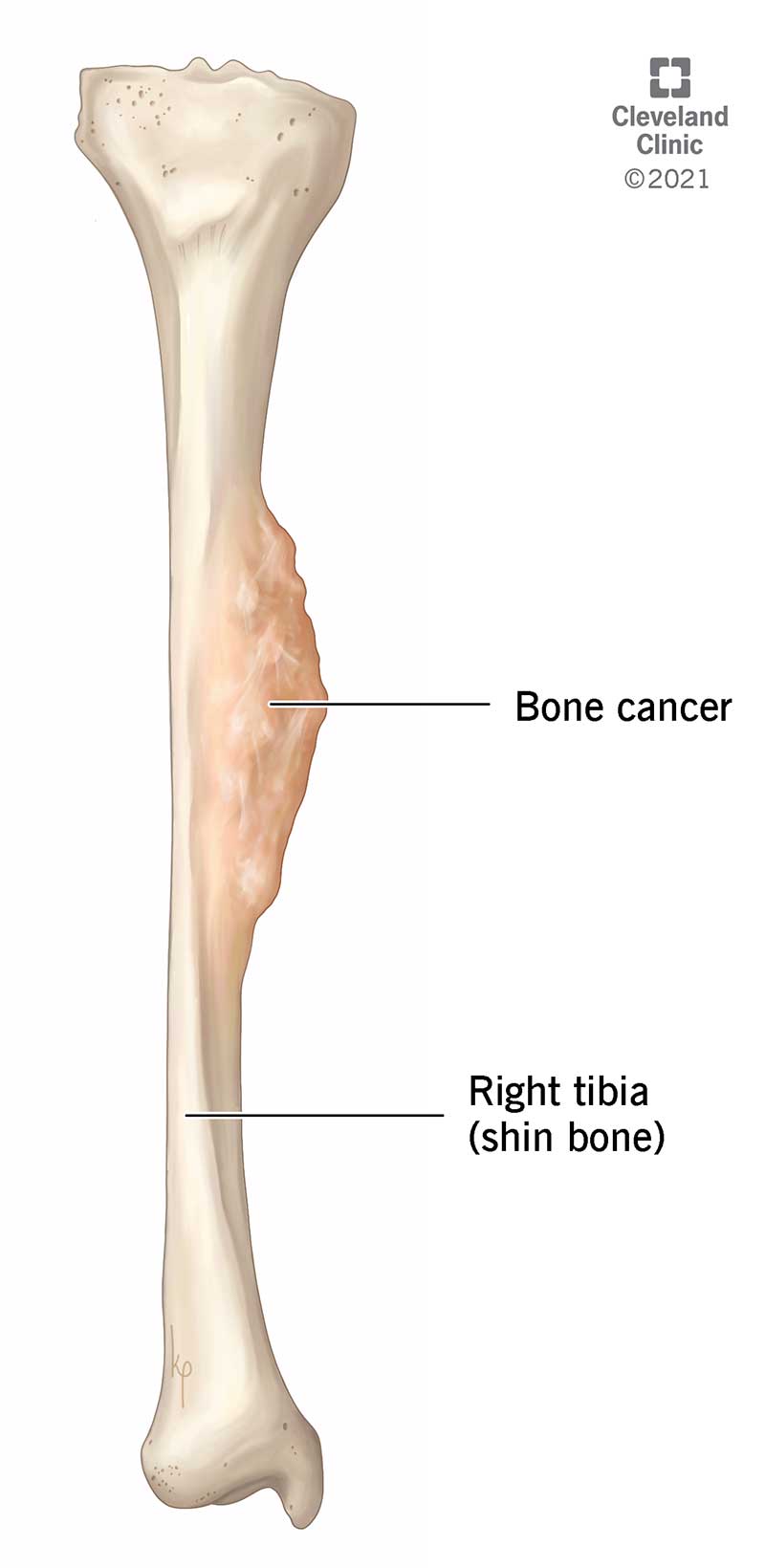
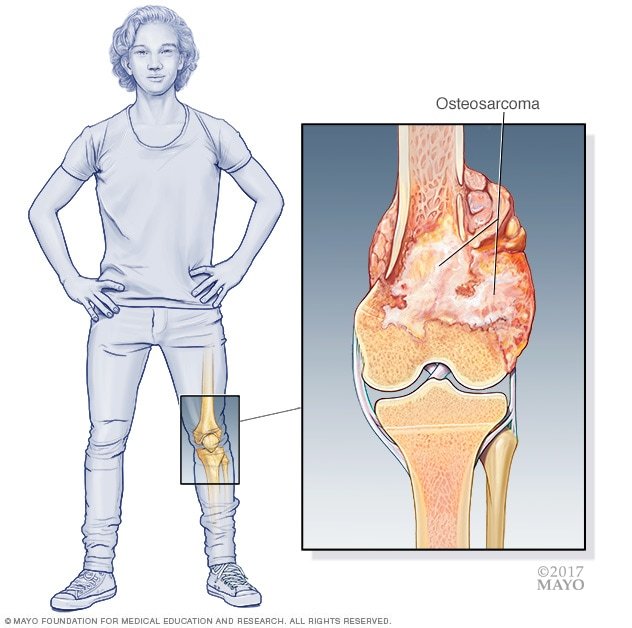
Being aware of the warning signs of bone tumors can help you seek prompt medical attention and potentially prevent the progression of the disease. Common signs and symptoms include persistent bone pain, swelling or lumps over the affected area, fractures with minimal trauma, and unexplained weight loss. If you experience any of these symptoms or have concerns about your bone health, consult your healthcare provider for a comprehensive evaluation. Early detection and intervention can significantly improve treatment outcomes and reduce the risk of complications.
Seek Prompt Medical Attention
If you notice any suspicious symptoms or have concerns about your bone health, don’t hesitate to seek prompt medical attention. Your healthcare provider can evaluate your symptoms, order appropriate tests, and provide necessary referrals to specialists if required. Remember, early detection of bone tumors or related conditions can lead to better treatment options and potentially improve outcomes. Ignoring or delaying medical attention can allow these conditions to progress and cause additional complications.
Follow Healthcare Provider’s Recommendations
Once you’ve sought medical attention and received a diagnosis or evaluation, it’s essential to follow your healthcare provider’s recommendations diligently. Treatment plans for bone tumors or related conditions can vary depending on the specific diagnosis, stage of the disease, and individual factors. Your healthcare team will guide you through the recommended treatment options, including surgery, radiation therapy, chemotherapy, targeted therapy, or a combination of these. Adhering to the treatment plan, attending follow-up appointments, and closely communicating with your healthcare providers are essential for optimizing your outcomes and preventing further bone-related complications.
Regular Check-ups and Screenings
Schedule Routine Visits with Your Healthcare Provider
Regular visits with your healthcare provider are crucial for monitoring your overall health and addressing any potential concerns regarding your bone health. Schedule routine check-ups based on your healthcare provider’s recommendations and adhere to the recommended frequency. During these visits, your healthcare provider can conduct physical examinations, assess your risk factors, and order appropriate screenings or tests to evaluate your bone health. Open communication and collaboration with your healthcare team are vital for early detection and prevention of bone tumors.
Undergo Appropriate Screenings for High-Risk Individuals
Certain individuals may have a higher risk of developing bone tumors due to genetic predisposition or pre-existing conditions. If you fall into a high-risk category, your healthcare provider may recommend specific screenings or tests to monitor your bone health closely. These may include bone density scans (DXA scans) to assess osteoporosis risk, genetic testing for inherited bone conditions, or regular imaging tests to screen for potential tumors. By undergoing these screenings as advised, you can detect any abnormalities or changes early on, enabling timely intervention and reducing the risk of complications.
Maintain Open Communication with Your Healthcare Team
Maintaining open communication with your healthcare team is paramount in preventing bone tumors and managing your bone health effectively. Whether it’s discussing symptoms, treatment options, lifestyle modifications, or concerns, openly communicate with your healthcare providers. Share any changes in your health or new symptoms promptly, even if they seem insignificant. Your healthcare team relies on your input to provide targeted care and recommendations. Regularly update your healthcare providers on any updates to your personal and family medical history, as this information may influence your risk of bone tumors and require adjustments to your preventive measures.
By following these guidelines and adopting a proactive approach to your bone health, you can reduce the risk of bone tumors and related complications. Remember, prevention and early detection are key, so make sure to prioritize regular check-ups, adhere to recommended screenings, and maintain a healthy lifestyle. Your bones will thank you for the care and attention you give them!