
You don’t have to feel helpless when it comes to preventing breast cancer. With a few lifestyle changes and proactive steps, you can take charge of your health and reduce the risk of this life-altering condition. In this article, we will explore various tips and strategies that can help you in preventing breast cancer. From maintaining a healthy weight and exercising regularly to making informed dietary choices, empowering yourself with knowledge about prevention is the first step towards a healthier future. So, let’s delve into this important topic and discover how you can protect yourself against breast cancer.
Maintain a Healthy Lifestyle
When it comes to preventing breast cancer, maintaining a healthy lifestyle is key. Regular exercise, maintaining a healthy weight, and following a nutritious diet are all important factors in reducing your risk of developing breast cancer.
Exercise regularly
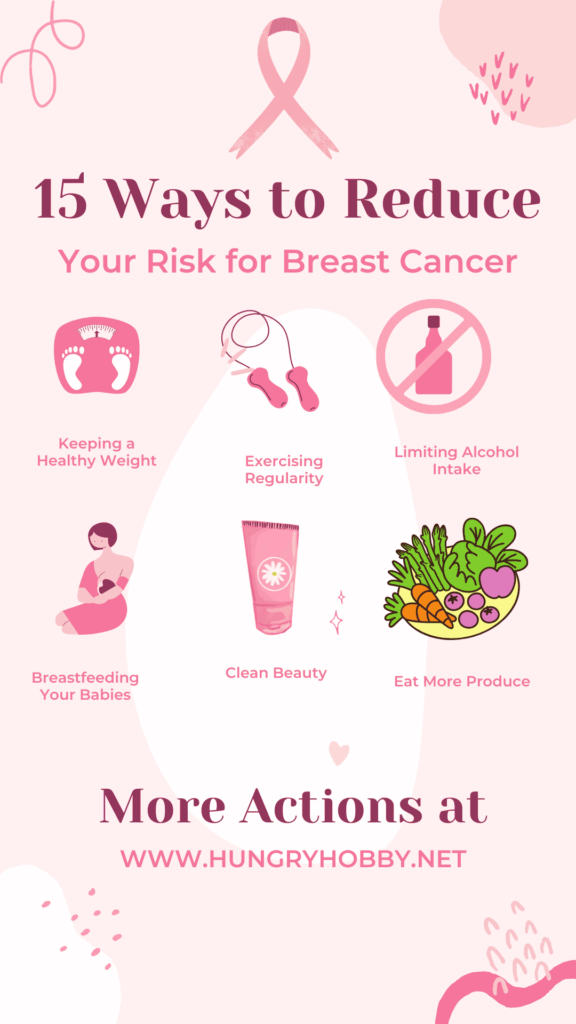
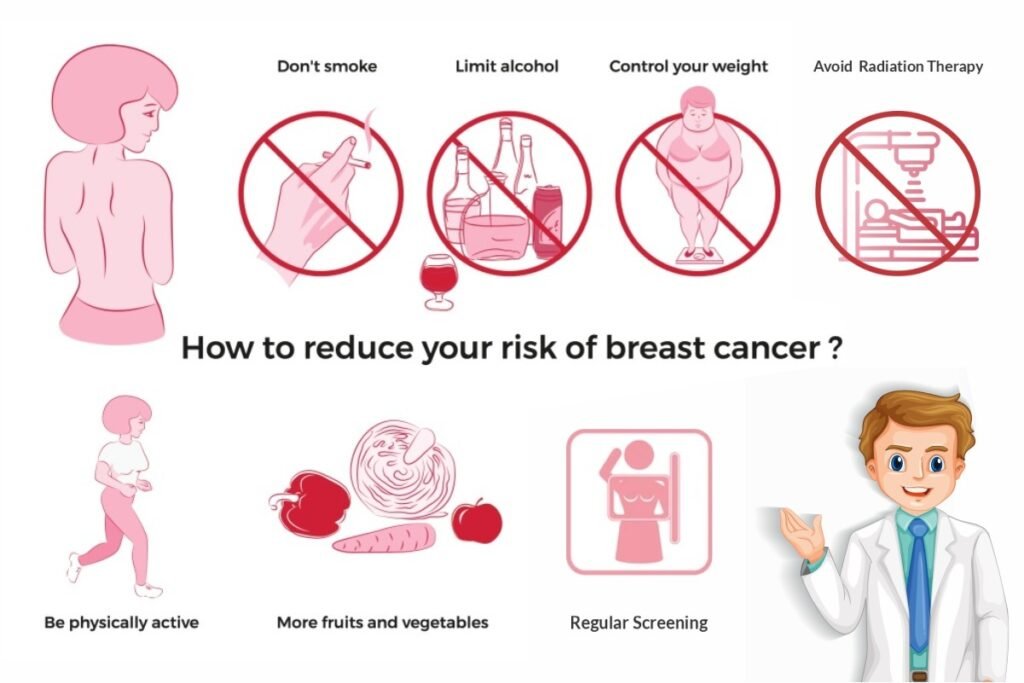
One of the most effective ways to reduce your risk of breast cancer is through regular exercise. Aim for at least 150 minutes of moderate-intensity aerobic activity or 75 minutes of vigorous-intensity aerobic activity per week. Exercise can help regulate hormone levels, improve immune function, and reduce inflammation, all of which contribute to a lower risk of breast cancer.
Maintain a healthy weight
Maintaining a healthy weight is crucial in reducing your risk of breast cancer, as excess body weight has been linked to an increased risk. Adopting a balanced approach to eating, which includes a variety of nutritious foods and appropriate portion sizes, can help you achieve and maintain a healthy weight.
Follow a nutritious diet
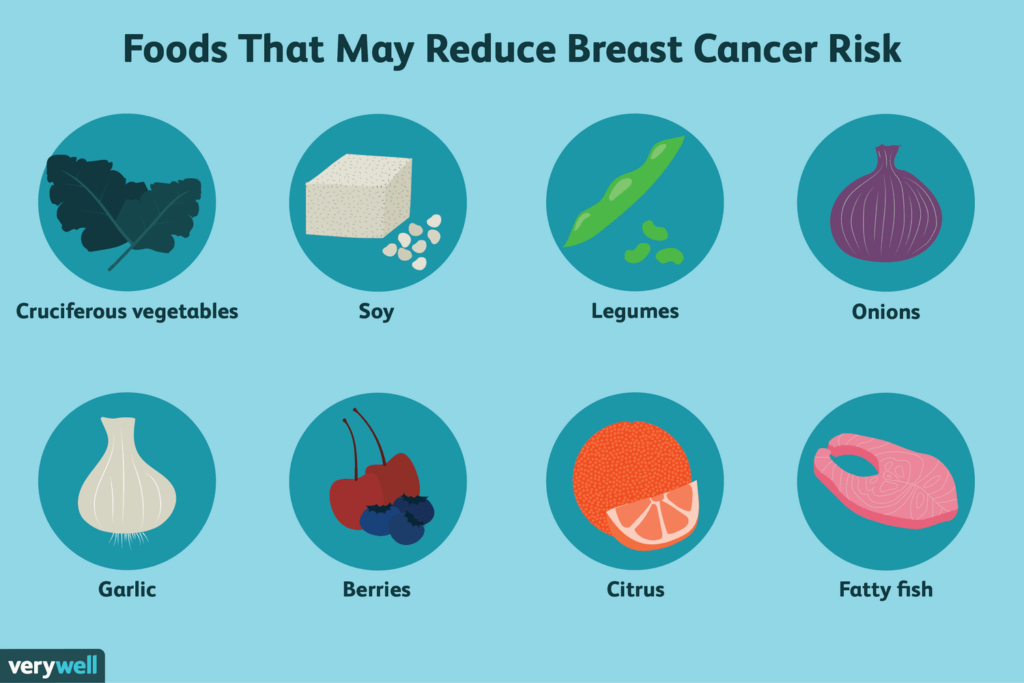
Eating a nutritious diet is vital for overall health and can also play a role in preventing breast cancer. Include plenty of fruits, vegetables, whole grains, lean proteins, and healthy fats in your diet. Limit processed and red meats, as well as sugary drinks and foods high in saturated and trans fats. Opt for water over sugary beverages, and choose whole foods over processed ones whenever possible.
Avoid Harmful Substances
To further reduce your risk of breast cancer, it’s important to avoid harmful substances that have been linked to an increased risk.
Limit alcohol consumption
Research has shown that there is a strong link between alcohol consumption and an increased risk of breast cancer. If you choose to drink alcohol, it’s best to do so in moderation. The American Cancer Society recommends limiting yourself to no more than one drink per day for women.
Quit smoking
Smoking is not only harmful to your overall health but has also been linked to an increased risk of breast cancer. If you smoke, take steps to quit. Seek support from your healthcare provider, use nicotine replacement therapy if necessary, and consider joining a smoking cessation program or support group.
Breastfeeding and Pregnancy
Breastfeeding and considering pregnancies at an earlier age can both have positive effects on reducing the risk of breast cancer.
Breastfeed your baby
Breastfeeding has been shown to have a protective effect against breast cancer. The longer you breastfeed, the greater the protective effect. Breastfeeding can help to regulate hormones and prevent the overexposure of breast tissue to estrogen, which can contribute to the development of breast cancer. If you’re able to breastfeed, make it a priority for both your baby’s health and your own.
Consider pregnancies at an earlier age
Research suggests that a woman’s risk of breast cancer may be reduced if she has her first full-term pregnancy before the age of 30. While this may not be feasible or desirable for everyone, it’s worth considering if you are planning to have children. Consulting with a healthcare professional can provide more insight into the potential benefits of considering pregnancies at an earlier age.
Hormone Replacement Therapy
Hormone replacement therapy (HRT) is a treatment used to relieve menopause symptoms, but it has been associated with an increased risk of breast cancer. Understanding the risks and considering alternative treatments can help you make an informed decision.
Discuss the risks with your doctor
If you are considering hormone replacement therapy to manage menopause symptoms, it’s important to have a thorough discussion with your doctor about the potential risks and benefits. They can help you understand the specific risks based on your medical history and guide you in making an informed decision that takes into account your personal risks for breast cancer.
Consider alternative treatments
If the risks of hormone replacement therapy are a concern for you, exploring alternative treatments can be a viable option. There are non-hormonal therapies available to manage menopausal symptoms, such as lifestyle modifications, natural remedies, and non-hormonal medications. Discuss these options with your healthcare provider to find the best approach for you.
Screening and Early Detection
Screening and early detection are crucial components in the fight against breast cancer. By performing regular self-exams and scheduling mammograms and clinical breast exams, you can identify any potential abnormalities in their early stages.
Perform regular self-exams
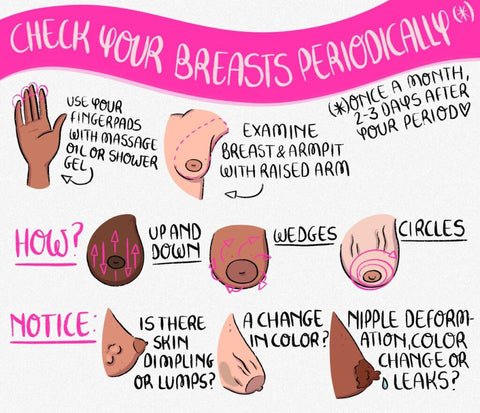
Getting to know your breasts and performing regular self-exams can help you become familiar with what feels normal for you, making it easier to spot any changes or abnormalities. Self-exams should be done on a monthly basis, ideally a few days after your period ends when your breasts are least likely to be tender or swollen.
Schedule mammograms and clinical breast exams
Mammograms are X-ray images of the breast that can detect small abnormalities before they can be felt. It is recommended that women start scheduling mammograms at the age of 40 and continue to have them annually or as per the guidelines provided by healthcare professionals. Clinical breast exams, performed by a healthcare professional, provide an opportunity for a more thorough examination and are usually recommended every three years starting at age 20, and then annually after age 40.
Genetic Counseling and Testing
Understanding your family history and considering genetic testing and counseling can provide valuable information about your risk of developing breast cancer.
Understand your family history
Knowing your family’s medical history, especially as it relates to breast and ovarian cancer, can help determine if there is a potential genetic link. If you have a strong family history of breast or ovarian cancer, it’s important to share this information with your healthcare provider. They can assess your risk and recommend appropriate screening measures or genetic testing if necessary.
Consider genetic testing and counseling
Genetic testing can help identify specific gene mutations, such as BRCA1 and BRCA2, which can increase the risk of developing breast cancer. If you have a family history of breast or ovarian cancer, or if you are simply concerned about your risk, discussing genetic testing and counseling with a healthcare professional can provide you with a clearer understanding of your personal risk factors.
Environmental Factors
While genetics play a role in breast cancer development, environmental factors can also contribute. Minimizing exposure to radiation and avoiding unnecessary exposure to estrogen-like chemicals can help reduce your risk.
Minimize exposure to radiation
Exposure to high levels of radiation, such as undergoing frequent diagnostic imaging tests or living near nuclear power plants, has been linked to an increased risk of breast cancer. While these situations may not be entirely avoidable, it’s important to stay informed, minimize unnecessary exposure, and discuss any concerns with your healthcare provider.
Avoid unnecessary exposure to estrogen-like chemicals
Estrogen-like chemicals, such as those found in certain pesticides, plastics, and personal care products, can mimic the effects of estrogen in the body and potentially increase the risk of breast cancer. To reduce exposure, choose organic fruits and vegetables whenever possible, avoid reusing plastic water bottles or containers, and opt for personal care products that are free from phthalates and parabens.
Manage Stress and Emotional Well-being
Stress and emotional well-being are often overlooked factors in breast cancer prevention, but they can significantly impact your overall health and immune function. Finding healthy ways to cope with stress and prioritizing self-care and support are essential.
Find healthy ways to cope with stress
Stress is a part of life, but chronic and unmanaged stress can have a negative impact on your health, including an increased risk of breast cancer. Find healthy strategies that work for you, such as exercise, mindfulness and meditation, spending time in nature, engaging in hobbies or activities you love, and fostering strong social connections.
Prioritize self-care and support
Taking care of your own physical and emotional well-being is crucial in preventing breast cancer. Prioritize self-care activities that help you relax, recharge, and reduce stress. Surround yourself with a strong support system of family and friends who uplift and encourage you. Reach out for professional help if needed, such as counseling or therapy, to address any emotional challenges and promote overall well-being.
Awareness and Education
Education and awareness are powerful tools in the fight against breast cancer. By educating yourself about breast cancer and spreading awareness in your community, you can empower others to take proactive steps in prevention and early detection.
Educate yourself about breast cancer
Take the time to educate yourself about breast cancer, its risk factors, early signs and symptoms, and available prevention and screening measures. Stay informed about new research, guidelines, and resources provided by reputable sources such as the American Cancer Society, National Breast Cancer Foundation, and Centers for Disease Control and Prevention.
Spread awareness in your community
Once you have a good understanding of breast cancer, use your knowledge to raise awareness in your community. Share information through social media, participate in local events or fundraisers, and encourage others to prioritize their breast health by spreading the importance of regular check-ups and early detection.
Regular Medical Check-ups
Finally, scheduling regular check-ups with your doctor and following recommended guidelines for preventive care are vital for breast cancer prevention.
Schedule regular check-ups with your doctor
Regular check-ups with your doctor are important for not only breast health but overall well-being. Your healthcare provider can perform clinical breast exams, address any concerns or questions you may have, and guide you in making proactive choices for your health.
Follow recommended guidelines for preventive care
Different organizations may have varying recommendations for preventive care, so it’s important to stay informed about the guidelines provided by reputable sources such as the American Cancer Society, the United States Preventive Services Task Force, or your country’s national health institute. Adhering to these guidelines for mammograms, clinical breast exams, and other preventive measures can increase your chances of early detection and successful treatment if necessary.
By implementing these preventive measures and making positive lifestyle choices, you can significantly reduce your risk of developing breast cancer. Remember, prevention is key, and taking proactive steps toward breast health is an investment in your overall well-being.

Related Topics About Prevention In Breast Cancer
Can You Prevent Breast Cancer,
How Can Prevent Breast Cancer,
How Eggs Prevent Breast Cancer,
How Tamoxifen Prevent Breast Cancer,
How To Avoid Breast Cancer Awareness Month,
How To Avoid Breast Cancer Reddit,
How To Avoid Breast Cancer Returning,
How To Avoid Breast Cancer Symptoms,
How To Avoid Breast Cancer Treatment,
How To Eat To Prevent Breast Cancer