
Like a car, the body needs energy to keep it going day in and day out. The body’s primary source of energy is glucose or blood sugar. Without it, our body will not be able to function properly. The same thing happens when you have too much of it in your body.
Having a balanced or normal blood sugar is equivalent to a healthy life. The higher or lower than normal your blood sugar level, the more the body suffers and becomes susceptible to diabetes and other complications. Thus, it is vital that we closely monitor the body’s blood sugar concentration level. Given this, here is some information that you can use to better understand your blood glucose and tips to lower your high blood sugar levels to normal.
Understanding normal blood sugar
Blood sugar or glucose pertains to the sugar that is carried through the bloodstream into the cells of our body to generate energy. Blood glucose level that is either too high or too low can result in instability of the blood’s internal environment which leads to the disruption of the body’s normal functions. Thus, it is essential to uphold a healthy body so that it can regulate and properly maintain a normal blood sugar level.
Through the process of digestion, carbohydrates from the food we eat are broken down into simple sugar or glucose. With the help of insulin, glucose travels to the bloodstream and gets into the body cells where it produces energy.
After eating, blood sugar level increases. The sugar obtained from the food is then distributed to every cell in the body with aid from the insulin produced by our pancreas. As the process continues, more and more cells receive glucose, thus reducing blood glucose levels to normal.
What is a normal glucose level?
Throughout the day, our glucose level changes. The increase and decrease process of the glucose level depends on factors such as the kind of food that we eat and our daily physical activities.
Normal blood sugar refers to a balanced amount of sugar concentration in the blood. Not too high and not too low. Here is the standard measurement for normal blood sugar.
- Normal fasting (eight hours of no food) blood sugar level is between 70 and 99 mg/dl
- Normal blood sugar level two hours after eating is less than 140 mg/dl
Normal blood sugar is attainable with proper diet and regular exercise. For people with diabetes, it is also important to observe proper medication to avoid too high or too low blood sugar levels.
High Blood Sugar, Low Blood Sugar: Definition and Symptoms
Sustaining normal blood sugar is critical. Too high or too low blood glucose levels can lead to unwanted health conditions. Namely, these are:
- High blood sugar or Hyperglycemia is a condition that refers to persistent higher-than-normal concentrations of glucose in the blood. In this case, a high amount of glucose is stranded in the bloodstream, left unabsorbed by the cells either due to the lack of insulin in the body or the body’s resistance to insulin. Remember that without insulin, glucose will just accumulate in the blood, unutilized by the body cells. Hyperglycemia is often seen in people with poorly managed diabetes, Cushing’s syndrome, and other illnesses. Long-term hyperglycemia may lead to more complications that can affect the kidneys, eyes (retina), and other organs.
Hyperglycemia can lead to a more fatal condition such as diabetes coma. With this, it is therefore important that we become aware of the most common symptoms of high blood sugar for the early prevention and control of other complications. If your blood glucose level is too high, you may experience any of the following:
- Frequent urination. The kidney reacts to excess sugar in the blood by dumping it out through urination. Thus, you will notice urinating more frequently than usual because of increased urine production.
- Increased thirst. Dry mouth is a common issue for people with high blood sugar levels. Frequent urination removes too much water from the body resulting in dehydration. In effect, you will experience increased thirst.
- Fatigue. This is characterized by extreme weakness normally felt during the day even if you were able to get enough sleep or rest the night before. This is due to unutilized blood sugar in the blood to energize the body.
- Nausea and vomiting. Because of the high blood sugar concentration, the body reacts abnormally which causes people to experience short-lived or severe nausea which eventually triggers vomiting.
- Shortness of breath and fruity breath odor. Because of the unused glucose in the blood, no energy is produced. In effect, body cells use ketones (toxic acid) to generate energy. As a result of the buildup of ketones in the blood, Ketoacidosis develops which causes shortness of breath and fruit-smelling breath.
- Rapid heart rate. Little or no insulin makes the heart pound faster.
- Shakiness or nervousness
- Fatigue
- Anxiety
- Weakness
- Sweating
- Hunger
- Nausea
- Dizziness
- Confusion
- Difficulty speaking
When a person is experiencing these symptoms, he/she should consult a doctor who can evaluate the condition. This way, further health problems will be prevented. In situations where extremely high or extremely low blood glucose level is experienced, the person must be rushed to the nearest hospital for immediate medical attention, as this could cause the person to pass out and could lead to a diabetes coma.
How to Lower Glucose Level?
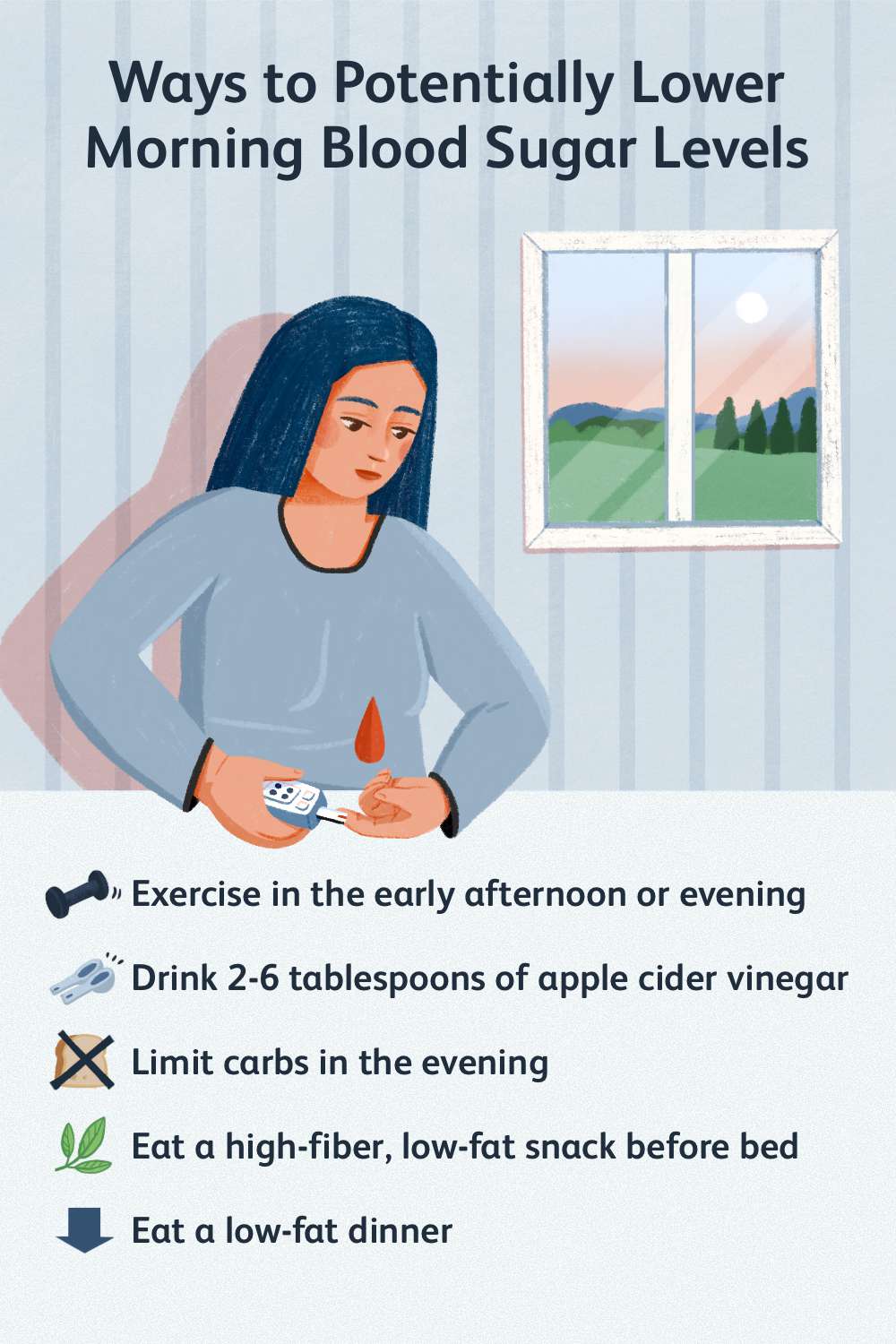
Lowering blood glucose levels to normal is central to managing diabetes and avoiding the danger that hyperglycemia may cause. Aside from regular blood glucose level monitoring, the most fundamental factors in maintaining normal blood sugar are a healthy diet, exercise, and proper medication.
Healthy Diet
One of the first steps a person with high blood sugar can take is to adjust and change his or her diet. Mainly, what makes our glucose hit above normal is the food that we eat. Indulging in a healthy diet does not only make you feel good, but it also effectively controls and manages blood sugar. Foods loaded with carbs are the ones you need to watch. It does not mean that you completely get rid of it. You just need to learn to consume carbs in moderation, depending on the needs of your body. Another way to lower glucose levels is to add low glycemic index food to your diet and avoid high glycemic index food such as white rice and white bread. This is because low-GI foods will not contribute to blood sugar increase. Examples of these are:
- Beans
- Non-starchy vegetables
- Steel cut oats
- Stone-ground wheat
Exercise
In addition to a healthy diet, exercise is needed to lower blood glucose levels. Physical activities help burn excess sugar in the body resulting in normal blood sugar. Activities such as walking, swimming, and biking can help your body effectively burn the food that you eat. In this case, there will be no excessive sugar in the blood because it was properly utilized and converted to body energy. It is also advised to involve yourself in a 30-minute moderate aerobic exercise at least five times a week. Take note though that if your condition is considered Hyperglycemia and ketones are present in your urine, DO NOT exercise as it may result in an increased high blood sugar level.
Medications
Sometimes diet and exercise are not enough to secure normal blood sugar. Based on the severity of your case, your doctor may also recommend medications to properly manage and control your glucose level. Your doctor might recommend oral pills or insulin injectables to aid you in attaining normal blood sugar.
Practical Things to Do to Avoid High Blood Sugar
In addition to the 3 vital parts of controlling high blood sugar levels, here are some practical tips that you can do to prevent your situation from getting worse.
- If under insulin therapy, take it as prescribed. Taking your medication with the right dose at the right time plays a big factor in making sure your blood sugar level will not spike. Skipping or not following prescribed meds is as good as putting your life in danger.
- Avoid consuming too much calories. If you want to live as normal as possible and get the problem solved, stay disciplined when it comes to your calorie consumption. Avoid sugary beverages or alcohol drinks that contain high calories such as beer.
- Observe the right type and amount of carbohydrate consumption. Uncontrolled eating will lead to more serious problems. Make sure that you eat right and balanced; not deprived yet not in excess. Remember that too much of something is bad.
- Avoid stress. Stress can bring so many health problems. Avoiding stress will help you cope better with high blood sugar. A happy life brings good health.
- Stay active. Being lazy is a big NO-NO. Spend enough time exercising. To make it more fun, look for activities you enjoy most. Hiking, biking, walking, and a lot more are beneficial in maintaining normal blood sugar.
- Regular checkup. Do not miss your doctor’s appointments. Your doctor will give you a clear idea of your situation, your improvement, and possible medical adjustments. Always consider the fact that they know more than you do. Doctors provide great help in making sure that you reach your goal of having normal blood sugar.
The Blood Glucose Level Chart
People with diabetes or glucose level issues are advised to regularly monitor and test glucose levels at home. Regular glucose checking enables you to gauge or measure the effectiveness of your diabetes or glucose level management plan. This will tell you if your diet or meal plan, exercise, and medication are all working to your benefit. If there is any adjustment to be made in your management plan, your blood glucose chart record will help your doctor to reveal the things that are not working for you.
Research also shows that the more closely you monitor your glucose level, the more your diabetes management plan becomes effective. The Diabetes Control and Complications Trials (DCCT) results show that diabetes complications such as nerve damage, eye disease, and others can be avoided by closely keeping the body’s glucose to a normal blood sugar level. Thus, for people with diabetes or high blood sugar level, charting your test results is highly recommended.
Through the help of a tool called a blood glucose level chart, you can easily check if your glucose level is higher or lower than normal. Below is a chart that shows the general guidelines or target blood sugar levels for adults with diabetes or high blood sugar levels.
| Age 20+ | |
| Fasting | Less than 100 mg/dl |
| Before Meal | 70-130 mg/dl |
| After Meal (1-2 hrs.) | Less than 180 mg/dl |
| Before Exercise | if taking insulin, at least 100 mg/dl |
| Bedtime | 100-140 mg/dl |
| A1c | Less than or around 7.0% |
It is also important that you keep a record of each test result you’ve conducted to properly verify which factors of your management plan affect your glucose level. Here are some key points that you need to include in your record or notes.
- Date, time, results, and activity
- Medication dosage taken
- Food eaten
- Kind of exercise
- Amount of time per exercise
By charting your test result and recording all of these, you will have an idea of what time of the day or which food and exercise contributes a lot to attaining a normal blood sugar level.
A normal blood sugar is attainable. With the help of a healthy and well-balanced diet, exercise, and other physical activities, and medications, managing diabetes or high blood sugar is never far from reality. The success or failure of controlling the body’s blood sugar greatly depends on one’s willingness to be healthy and live a better life. All the good recommendations from your doctor will be useless if you do not follow them.
Related Topics About Normal Blood Symptoms
How High Blood Sugar Symptoms,
Normal Blood Sugar Level Symptoms,
Normal Blood Sugar Symptoms,
Normal Sugar Level For Prediabetes,
Normal Sugar Level High,
Normal Sugar Level Symptoms,
Normal Sugar Symptoms,
Normal Symptoms Of Blood Sugar,
Symptoms Of Normal Sugar Level,
What Does High Blood Sugar Symptoms,
What Should Be Normal Sugar Level For Diabetes