
If you’re eager to protect yourself and your loved ones from the risks of dengue fever, then this article is your ultimate guide. Packed with practical tips and easy-to-follow advice, it offers a wealth of information on preventing the spread of this mosquito-borne disease. From eliminating stagnant water sources to using insect repellent, you’ll discover simple yet effective measures that can significantly reduce the chances of contracting dengue fever. So, why wait? Join us on this journey to a safer and healthier future, where dengue fever is nothing more than a distant memory.
What is Dengue Fever?
Dengue fever is a viral infection transmitted by the Aedes mosquito. It is a common illness in tropical and subtropical regions, particularly in urban and semi-urban areas. Dengue fever is characterized by symptoms such as high fever, severe headache, joint and muscle pain, rash, and fatigue. In some cases, the infection can progress to dengue hemorrhagic fever or dengue shock syndrome, which can be life-threatening if not treated promptly.
Symptoms of Dengue Fever
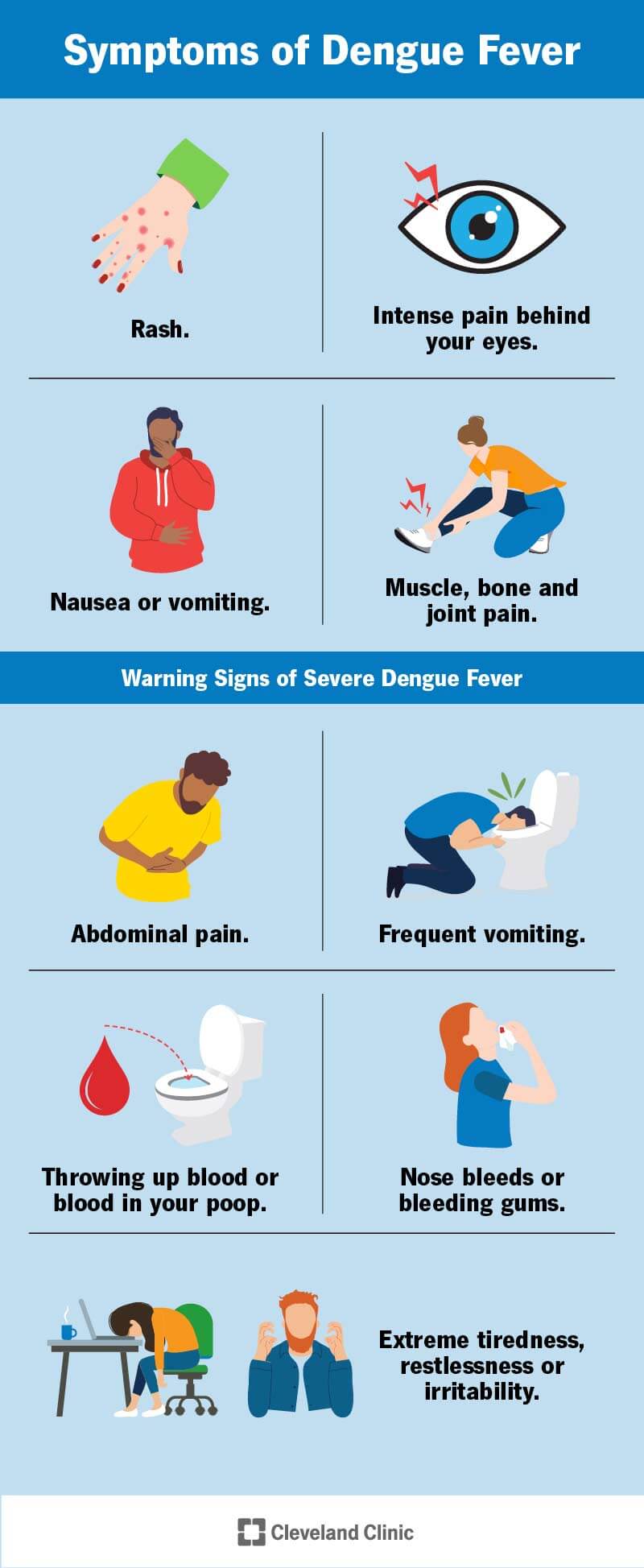
The symptoms of dengue fever usually appear 4 to 7 days after being bitten by an infected mosquito. The most common symptoms include high fever, severe headache, pain behind the eyes, muscle and joint pain, rash, and fatigue. Some individuals may also experience nausea, vomiting, swollen lymph nodes, and mild bleeding from the nose or gums. It is important to seek medical attention if you experience these symptoms, as early diagnosis and treatment can prevent complications.

Causes of Dengue Fever
Dengue fever is caused by the dengue virus, which is transmitted to humans through the bites of infected Aedes mosquitoes. There are four different serotypes of the dengue virus, and infection with one serotype provides lifelong immunity to that specific serotype but only temporary immunity to the other serotypes. The Aedes mosquito primarily breeds in stagnant water, and urban areas with poor sanitation and inadequate waste management provide suitable breeding grounds for these mosquitoes.
Understanding the Aedes Mosquito
The Aedes mosquito is the primary vector for the transmission of dengue fever. Understanding the lifecycle of the Aedes mosquito is crucial in preventing its proliferation. The lifecycle of the mosquito consists of four stages: egg, larva, pupa, and adult. The eggs are laid in and around water, hatch into larvae within a few days, and then transform into pupae. Eventually, adult mosquitoes emerge and start seeking blood meals from humans and animals. The Aedes mosquito has a short lifespan of about 2 to 4 weeks.

Breeding grounds of Aedes Mosquito
To effectively prevent dengue transmission, it is important to eliminate the breeding grounds of the Aedes mosquito. The mosquito prefers to breed in places with stagnant water, such as flower pots, discarded tires, water storage containers, and blocked drains. By ensuring proper water management, covering or removing water containers, and maintaining clean and unclogged drains, you can significantly reduce the breeding sites of the Aedes mosquito and minimize the risk of dengue fever.
Eliminating Mosquito Breeding Sites
One of the key steps in preventing the proliferation of Aedes mosquitoes is removing stagnant water from your surroundings. Regularly emptying and cleaning containers that can collect water, such as flower vases, pet bowls, and birdbaths, will help eliminate potential breeding sites. Additionally, ensuring proper drainage of rainwater and cleaning gutters to prevent water buildup are essential in reducing the mosquito population. By taking these simple measures, you can minimize the chances of Aedes mosquitoes multiplying in your vicinity.

Covering Water Containers
Another effective measure to prevent the breeding of Aedes mosquitoes is by covering water containers. This includes using lids or screens on water storage tanks, drums, and barrels to prevent mosquitoes from laying eggs in the water. It is important to ensure that these covers are tight-fitting and free from any gaps that mosquitoes can exploit. By making it difficult for mosquitoes to access water containers, you can greatly reduce their breeding potential and subsequently lower the risk of dengue fever transmission.
Protective Clothing and Mosquito Repellents
In addition to eliminating breeding sites, protecting yourself from mosquito bites is equally important in preventing dengue fever. Wearing long-sleeved shirts, long pants, socks, and closed-toe shoes can provide a physical barrier that reduces the chances of mosquito bites. Light-colored clothing is also recommended, as mosquitoes are attracted to dark colors. Furthermore, using mosquito repellents containing active ingredients like DEET, picaridin, or oil of lemon eucalyptus can provide additional protection against mosquito bites.

Using Mosquito Repellents
Mosquito repellents are effective in repelling mosquitoes and reducing the risk of dengue fever. It is important to choose a repellent that is approved by health authorities and follow the instructions for proper application. Applying mosquito repellent on exposed skin and clothing can provide hours of protection against mosquito bites. However, it is essential to reapply repellents as instructed, especially after sweating or swimming. By consistently using mosquito repellents, you can significantly reduce the chance of acquiring dengue fever.
Screening and Netting
To prevent mosquitoes from entering your living spaces, installing window screens is an effective measure. Window screens with a mesh small enough to block mosquitoes can help keep them out while allowing fresh air to circulate. Additionally, bed nets treated with insecticides are highly useful in areas with a high prevalence of dengue fever. They create a physical barrier around the bed, protecting individuals from mosquito bites while they sleep.
Using Bed Nets
Using bed nets treated with insecticides is particularly important for individuals living in dengue-prone areas. These nets create a protective barrier that prevents mosquitoes from biting individuals during sleep, when they are most vulnerable. Bed nets should be properly hung and tucked under the mattress to ensure there are no gaps for mosquitoes to enter. By sleeping under treated bed nets, you can significantly reduce your risk of being bitten by infected mosquitoes and contracting dengue fever.
Taking Precautions During Peak Mosquito Hours
Mosquitoes that transmit dengue fever are more active during specific periods. They are most active during dawn and dusk, making it essential to take precautions during these peak mosquito hours. Avoiding outdoor activities during these times, or at least taking measures to prevent mosquito bites, can greatly reduce the risk of exposure to infected mosquitoes. Additionally, using mosquito nets during daytime naps is recommended, as mosquitoes may be active even in daylight, especially in areas with a high mosquito population.
Community Efforts in Dengue Prevention
Preventing dengue fever requires a collective effort from the entire community. Informing your neighbors and the local community about dengue prevention methods and the importance of eliminating mosquito breeding sites is crucial. By creating awareness and encouraging collective action, you can build a more mosquito-free environment. Organizing community clean-up drives to remove potential breeding sites, such as discarded containers or tires, can help maintain a clean and dengue-free community.
Education and Awareness
Education and awareness play a vital role in the prevention of dengue fever. It is important to educate individuals about the symptoms of dengue fever, as early recognition can lead to prompt medical attention. By promoting cleanliness and hygiene practices, such as proper waste disposal and regular cleaning of water containers, you can help minimize the breeding sites of Aedes mosquitoes. Conducting educational campaigns, distributing informative materials, and engaging in community workshops can contribute to reducing dengue infection rates.
Travel Precautions in Dengue-Prone Areas
If you plan to travel to areas known for dengue fever, taking travel precautions can significantly reduce the risk of contracting the disease. Using mosquito nets and beddings in hotels or accommodations can provide an added layer of protection against infected mosquitoes. Packing and using mosquito repellents during your travel is also crucial in preventing mosquito bites. It is advisable to choose accommodations with proper screens and air conditioning to minimize the risk of mosquitoes entering your living space.
Using Mosquito Repellents While Traveling
While traveling, it is important to remain vigilant and use mosquito repellents regularly. Mosquito repellents containing active ingredients like DEET, picaridin, or oil of lemon eucalyptus can be applied on exposed skin and clothing to repel mosquitoes. Remember to reapply the repellent as instructed and follow the guidelines provided by the health authorities. By taking these precautions, you can enjoy your travel experience while reducing the risk of dengue fever transmission.
Seeking Medical Attention
Recognizing the early symptoms of dengue fever is crucial in seeking timely medical attention. If you experience symptoms such as high fever, severe headache, joint and muscle pain, rash, and fatigue, it is important to consult a healthcare professional. Early diagnosis can help prevent complications and ensure appropriate management of the infection. Follow the advice and treatment prescribed by your healthcare provider to facilitate a speedy recovery and prevent further spread of the disease.
In conclusion, preventing dengue fever requires a multi-faceted approach that involves eliminating mosquito breeding sites, protecting oneself from mosquito bites, and promoting community efforts in dengue prevention. By implementing these preventive measures, raising awareness, and taking necessary precautions, you can significantly reduce the risk of dengue fever and create a safer and healthier environment for yourself and your community.