
So you’ve found yourself curious about the topic of cannabis dependency? Well, you’ve come to the right place! In this article, we’ll take a friendly and informative approach to help you understand the complexities of cannabis dependency and provide insights on how to address this issue. Whether you’re personally affected or simply seeking knowledge, our aim is to provide you with a comprehensive understanding of the subject and equip you with tools to effectively navigate this unique form of addiction. So, let’s dive right in!
Understanding Cannabis Dependency
Cannabis Dependency, also known as Cannabis Addiction or Marijuana Addiction, refers to a psychological and physical dependence on cannabis. It is characterized by a compulsive need to use cannabis despite its negative consequences on various aspects of a person’s life. It is important to understand cannabis dependency to identify the signs, causes, effects, risk factors, and treatment options associated with it.
Definition of Cannabis Dependency
Cannabis Dependency can be defined as a chronic pattern of cannabis use that leads to significant impairment or distress in an individual’s life. It is considered a substance use disorder as defined by the Diagnostic and Statistical Manual of Mental Disorders (DSM-5), which outlines specific diagnostic criteria for identifying cannabis dependency.
Prevalence of Cannabis Dependency
Cannabis dependency has become a significant public health concern in recent years, particularly due to the increasing legalization and normalization of cannabis use. According to the National Survey on Drug Use and Health, around 4.5 million Americans met the criteria for cannabis use disorder in 2019 alone. The prevalence of cannabis dependency varies among different populations and is influenced by various factors such as age, gender, and social context.
Common Symptoms of Cannabis Dependency
Identifying the symptoms of cannabis dependency is crucial for early intervention and treatment. Common symptoms include:
- Compulsive use: A strong and uncontrollable urge to use cannabis.
- Loss of control: Difficulty in limiting or controlling cannabis use, resulting in excessive consumption.
- Withdrawal symptoms: Experience of physical and psychological discomfort when trying to quit or reduce cannabis use.
- Tolerance: Needing increasing amounts of cannabis to achieve the desired effect.
- Neglecting responsibilities: Failure to meet obligations at work, school, or home due to cannabis use.
- Interpersonal issues: Difficulties in maintaining healthy relationships due to cannabis use.
Causes of Cannabis Dependency
The development of cannabis dependency can be influenced by various factors, including biological, environmental, and psychological aspects.
Biological Factors
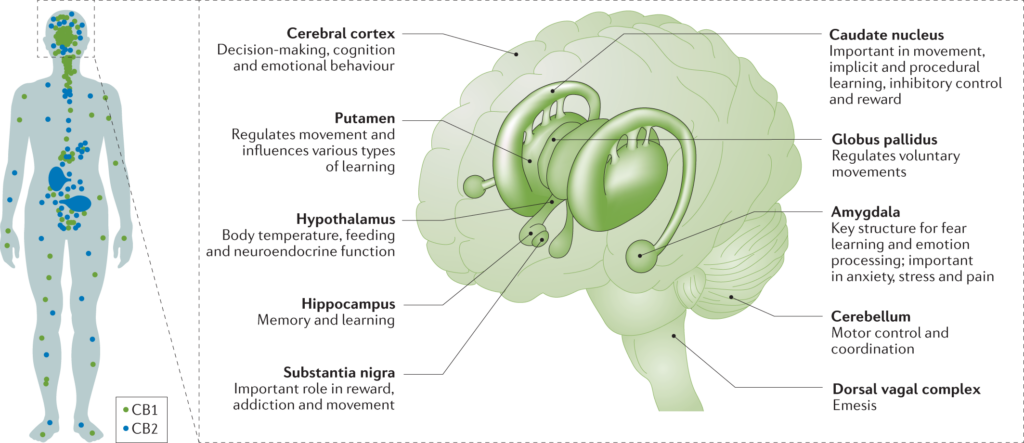
Research suggests that certain individuals may be more biologically predisposed to developing cannabis dependency. Genetic factors can play a role in determining an individual’s vulnerability to addiction. Additionally, the endocannabinoid system in the brain, which is involved in regulating mood, behavior, and reward, may also contribute to the development of cannabis dependency.
Environmental Factors
The environment in which an individual lives and grows up can significantly impact their likelihood of developing cannabis dependency. Factors such as peer influence, access to cannabis, normalization of use, and exposure to high-stress environments can contribute to the initiation and maintenance of cannabis use.
Psychological Factors
Psychological factors, including mental health disorders such as anxiety, depression, or trauma, can increase the risk of developing cannabis dependency. Cannabis may be used as a coping mechanism to alleviate distress or self-medicate symptoms. Additionally, certain personality traits, such as impulsivity or sensation-seeking behavior, can also contribute to the development of cannabis dependency.
Effects of Cannabis Dependency
Cannabis dependency can have profound effects on various aspects of an individual’s life, including physical, psychological, and social domains.
Physical Effects
Regular and prolonged cannabis use can lead to physical health issues. These may include respiratory problems, impaired memory and cognition, decreased motivation and concentration, reduced fertility in both males and females, and an increased risk of developing other substance use disorders.
Psychological Effects
The psychological impact of cannabis dependency can be significant. Individuals may experience a decline in mental health, including an increased risk of developing anxiety, depression, and psychosis. Cannabis use can also impair cognitive functioning, memory, and decision-making abilities.
Social Effects
Cannabis dependency can have detrimental effects on an individual’s social life. It can lead to strained relationships with family and friends, isolation from social activities, difficulties in maintaining employment or academic progress, and legal issues due to the use and possession of cannabis.
Risk Factors for Developing Cannabis Dependency
While cannabis dependency can affect anyone, certain risk factors make individuals more susceptible to developing this condition.
Early and Frequent Cannabis Use
Initiating cannabis use at an early age, especially during adolescence, increases the risk of developing cannabis dependency. The earlier and more frequently an individual uses cannabis, the higher the likelihood of developing dependency.
Genetic Predisposition
Genetic factors can play a significant role in determining an individual’s susceptibility to developing cannabis dependency. Certain genetic variations may impact how the brain’s reward system responds to cannabis, increasing the likelihood of addiction.
Co-occurring Mental Health Disorders
Individuals with co-occurring mental health disorders, such as anxiety, depression, or post-traumatic stress disorder (PTSD), have a higher risk of developing cannabis dependency. Cannabis use may be an attempt to self-medicate symptoms or alleviate emotional distress.
Diagnosing Cannabis Dependency
Accurate diagnosis of cannabis dependency is crucial for effective treatment and support. Several diagnostic tools and criteria are utilized to assess and diagnose this condition.
Diagnostic Criteria
The Diagnostic and Statistical Manual of Mental Disorders (DSM-5) outlines specific criteria for diagnosing cannabis use disorder. These criteria include the presence of symptoms such as impaired control, social impairment, risky use, tolerance, and withdrawal symptoms.
Screening Tools
Various screening tools, such as the Cannabis Use Disorder Identification Test (CUDIT), are used to identify individuals at risk of cannabis dependency. These screening tools help assess the severity of cannabis use and guide further evaluation and intervention.
Assessment Process
The assessment process involves a comprehensive evaluation of the individual’s cannabis use patterns, associated problems, physical and mental health, and social functioning. It may include interviews, questionnaires, and laboratory tests to gather relevant information for an accurate diagnosis.
Treatment Options for Cannabis Dependency
Various treatment options are available to address cannabis dependency. These can range from behavioral therapies to pharmacological interventions.
Behavioral Therapies
Behavioral therapies, such as cognitive-behavioral therapy (CBT) and motivational enhancement therapy (MET), are widely used in the treatment of cannabis dependency. These approaches help individuals develop healthier coping strategies, identify triggers and high-risk situations, and modify cognitive patterns associated with cannabis use.
Motivational Enhancement Therapy
Motivational Enhancement Therapy is a goal-oriented and empathetic approach that focuses on increasing motivation and commitment to change. It aims to enhance self-efficacy and promote internal motivation for positive behavioral changes, such as reducing or quitting cannabis use.
Cognitive-Behavioral Therapy
Cognitive-Behavioral Therapy is a widely used therapeutic approach that helps individuals identify and modify thought patterns and behaviors associated with cannabis use. It focuses on developing coping skills, problem-solving strategies, and relapse prevention techniques.
Contingency Management
Contingency Management is a behavioral intervention that utilizes positive reinforcement to encourage abstinence from cannabis use. Rewards, such as vouchers or privileges, are given to individuals who consistently abstain from using cannabis or meet treatment goals.
Supportive Recovery Programs
Supportive recovery programs, such as Narcotics Anonymous (NA) or SMART Recovery, provide individuals with a supportive and non-judgmental environment to connect with peers facing similar challenges. These programs often incorporate peer support, group therapy, and education on relapse prevention.
Withdrawal Symptoms and Management
When individuals with cannabis dependency attempt to quit or significantly reduce their cannabis use, they may experience withdrawal symptoms. Proper management of these symptoms is essential to support individuals during the recovery process.
Common Withdrawal Symptoms
Withdrawal symptoms associated with cannabis dependency can include irritability, insomnia, loss of appetite, anxiety, restlessness, headaches, and cravings for cannabis.
Timeline of Symptoms
Withdrawal symptoms typically manifest within 24 to 72 hours after discontinuing cannabis use and may peak around 2 to 6 days. Symptoms gradually subside over the course of one to three weeks but can persist for months in some cases.
Pharmacological Interventions
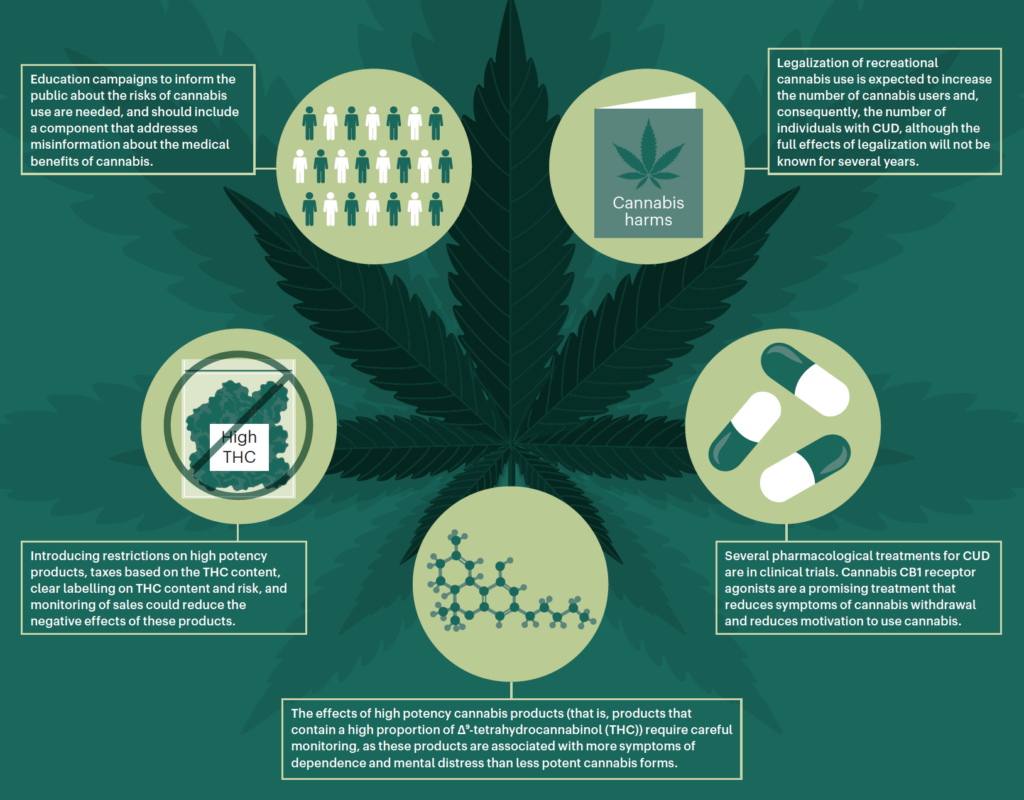
While there are no FDA-approved medications specifically indicated for treating cannabis dependency, certain medications may be prescribed to manage specific withdrawal symptoms like insomnia, anxiety, or depression. However, the primary focus of treatment remains on behavioral therapies and supportive interventions.
Prevention Strategies for Cannabis Dependency
To address cannabis dependency effectively, prevention strategies play a crucial role in minimizing its occurrence and impact.
Education and Awareness Programs
Comprehensive education and awareness programs can provide individuals with accurate information about the risks and potential consequences of cannabis use. These programs can target different populations, including youth, parents, and professionals, to promote informed decision-making.
Early Intervention
Early intervention programs aim to identify and support individuals at the early stages of cannabis use. By intervening early on, professionals can provide appropriate education, counseling, and resources to prevent the progression to dependency.
Promoting Healthy Coping Mechanisms
Promoting healthy coping mechanisms and alternative leisure activities can help individuals develop more effective ways to manage stress and emotional challenges. Encouraging physical activity, hobbies, and social engagement can provide healthier outlets for emotions and reduce the reliance on cannabis.
Support Networks for Individuals with Cannabis Dependency
Support networks play a crucial role in the recovery journey of individuals with cannabis dependency. These networks provide understanding, empathy, and guidance throughout the treatment and recovery process.
Support Groups
Support groups, such as Marijuana Anonymous or SMART Recovery, offer a safe and non-judgmental environment for individuals to share their experiences, challenges, and successes. These groups provide a sense of community and support that can be instrumental in maintaining long-term recovery.
Individual Counseling
Individual counseling, through therapists or addiction specialists, allows individuals to delve deeper into the underlying causes and factors contributing to their cannabis dependency. By addressing individual needs and challenges, counseling can help develop personalized strategies for recovery.
Family Therapy
Involving family members in the treatment process can provide a supportive and understanding environment for individuals with cannabis dependency. Family therapy helps improve communication, address enabling behaviors, and enhance family dynamics to foster a supportive recovery environment.
Dual Diagnosis: Addressing Cannabis Dependency and Co-occurring Mental Health Disorders
Addressing the connection between cannabis dependency and co-occurring mental health disorders is essential for comprehensive treatment and recovery.
Recognizing the Connection
Cannabis dependency often co-occurs with mental health disorders such as anxiety, depression, or PTSD. Recognizing this connection is crucial as it affects the treatment approach and outcomes.
Integrated Treatment Approach
An integrated treatment approach aims to address both cannabis dependency and co-occurring mental health disorders simultaneously. This approach involves a multidisciplinary team of professionals who collaborate to provide comprehensive care that addresses both conditions.
Evidence-Based Interventions
Evidence-based interventions, such as integrated cognitive-behavioral therapy (ICBT) or dialectical behavior therapy (DBT), have been shown to be effective in addressing dual diagnosis cases. These interventions focus on developing skills to manage both substance use and mental health symptoms, promoting long-term recovery and stability.
In conclusion, understanding cannabis dependency is essential for identifying and addressing its impact on individuals and society. By recognizing the signs, causes, effects, risk factors, and available treatment options, individuals struggling with cannabis dependency can find the support and resources they need to overcome this condition and lead a healthier, more fulfilling life. Early intervention, education, and supportive networks play a vital role in preventing and tackling cannabis dependency, ensuring that individuals receive the care and assistance they need to embark on a path of recovery.