
Depression affects millions of people worldwide, causing emotional and physical pain that can be incredibly challenging to overcome. In this article, you will discover effective strategies and techniques on how to prevent depression. By implementing these simple yet powerful practices into your daily life, you will be equipped with the necessary tools to cultivate a positive mindset, enhance your emotional well-being, and minimize the risk of falling into the depths of depression. Are you ready to take control of your mental health and embark on a journey towards a happier and more fulfilling life? Let’s dive in.
Maintain a Healthy Lifestyle
Exercise regularly
Exercise is an important aspect of maintaining a healthy lifestyle and preventing depression. Physical activity releases endorphins, also known as “feel-good” hormones, which can boost your mood and reduce symptoms of depression. Whether it’s going for a jog, joining a fitness class, or simply taking a walk in nature, finding an exercise routine that you enjoy can significantly improve your mental well-being.
Eat a balanced diet
A balanced diet is crucial for both our physical and mental health. Certain nutrients, such as omega-3 fatty acids and vitamin B12, have been found to have a positive impact on mood. Incorporating foods rich in these nutrients, such as fatty fish, nuts, seeds, and dairy products, into your diet can help support your emotional well-being. Avoiding excessive consumption of processed foods, high-sugar snacks, and caffeinated beverages can also contribute to a more stable mood.
Get enough sleep
A good night’s sleep plays a vital role in maintaining a healthy mental state. Lack of sleep can increase the risk of developing depression and intensify existing symptoms. It is recommended that adults aim for at least 7-9 hours of quality sleep per night. Establishing a regular sleep schedule, creating a relaxing bedtime routine, and ensuring a comfortable sleep environment can all contribute to better sleep hygiene and overall mental well-being.
Manage Stress Levels
Practice relaxation techniques
Engaging in relaxation techniques can effectively reduce stress levels and help prevent depression. Techniques such as deep breathing exercises, progressive muscle relaxation, and guided meditation can promote a sense of calm and relaxation. By taking a few minutes each day to practice these techniques, you can counteract the negative effects of stress and build resilience against depressive symptoms.
Prioritize self-care
Self-care is all about taking care of your physical, mental, and emotional well-being. It involves setting aside time for activities that bring you joy, relaxation, and rejuvenation. Whether it’s taking a long bath, reading a favorite book, or spending time with loved ones, prioritizing self-care allows you to recharge and maintain a positive mindset. Remember, taking care of yourself is not selfish – it is essential for preventing depression and promoting overall well-being.
Set realistic goals
Setting and working towards realistic goals can provide a sense of purpose and accomplishment, reducing the risk of developing depression. Whether it’s pursuing a new hobby, advancing in your career, or improving your relationships, having goals to strive for can give you direction and motivation. However, it’s important to set achievable goals that are within your reach, as unrealistic expectations can increase stress and undermine your mental health.

Build Strong Relationships
Maintain close connections
Maintaining strong, meaningful relationships with family, friends, and loved ones is crucial for preventing depression. Social support acts as a protective factor against the development of depression and provides a network of individuals who can offer comfort, encouragement, and assistance during challenging times. Make an effort to nurture your relationships, spend quality time with loved ones, and communicate openly and honestly to foster a strong support system.
Seek social support
In times of difficulty, it’s essential to seek social support from those around you. Sharing your thoughts, feelings, and concerns with trusted individuals can help alleviate stress and prevent feelings of isolation. Reach out to friends, family members, or support groups who can provide a listening ear and offer understanding. By sharing your experiences and seeking support, you can build resilience and decrease the vulnerability to depression.
Join support groups
Joining support groups can be incredibly beneficial for individuals at risk of or currently experiencing depression. These groups offer a safe and compassionate environment where individuals can share their experiences, learn coping strategies, and gain valuable insights from others who have faced similar challenges. Support groups can be found in-person or online, providing an opportunity to connect with like-minded individuals and foster a sense of belonging.
Engage in Meaningful Activities
Find hobbies and interests
Engaging in enjoyable hobbies and interests is an effective way to prevent depression. Discovering activities that bring you joy, fulfillment, and a sense of purpose can significantly enhance your overall well-being. Whether it’s painting, playing a musical instrument, gardening, or practicing yoga, finding activities that align with your interests and passions can boost your mood, provide a creative outlet, and offer a sense of accomplishment.
Volunteer or help others
Helping others not only benefits those in need but also has a positive impact on your own mental health. Engaging in volunteer activities or acts of kindness activates feelings of gratitude, purpose, and fulfillment. Whether it’s volunteering at a local charity, mentoring a youth, or even performing simple acts of kindness in your daily life, helping others can cultivate positive emotions and reduce the risk of depression.
Set and work towards goals
Having goals to work towards can provide a sense of purpose and direction, reducing the likelihood of developing depression. Whether it’s completing a higher education degree, starting a business, or learning a new skill, setting goals can give you motivation, focus, and a sense of accomplishment. Break larger goals into smaller, achievable tasks, and celebrate your progress along the way to stay motivated and maintain a positive mindset.

Practice Self-Care
Take breaks when needed
In our fast-paced world, taking breaks and prioritizing rest is crucial for maintaining mental well-being and preventing depression. Give yourself permission to step away from work, stressors, and responsibilities when needed. Engage in activities that promote relaxation and rejuvenation, whether it’s going for a walk in nature, practicing a hobby, or simply taking a few moments to breathe deeply. By incorporating regular breaks into your routine, you can recharge and protect your mental health.
Practice mindfulness and meditation
Mindfulness and meditation are powerful practices that promote self-awareness, reduce stress levels, and enhance overall mental well-being. Mindfulness involves focusing on the present moment, accepting it without judgment, and cultivating a sense of tranquility. Meditation, on the other hand, involves directing your attention inward, often through techniques such as deep breathing or guided meditation sessions. By incorporating these practices into your daily routine, you can become more in tune with your emotions, reduce anxiety, and prevent depression.
Engage in activities you enjoy
Engaging in activities that bring you joy and satisfaction is an essential aspect of self-care and depression prevention. Whether it’s listening to music, practicing a sport, engaging in arts and crafts, or spending time with loved ones, make time for activities that ignite your passion and bring you happiness. These moments of enjoyment serve as a powerful antidote to the stresses of everyday life and can significantly boost your overall well-being.
Seek Professional Help
Talk to a therapist or counselor
If you are experiencing symptoms of depression or struggling with your mental well-being, seeking professional help is crucial. A therapist or counselor can provide a safe and supportive environment to explore your thoughts and feelings, develop coping strategies, and address any underlying issues contributing to your depressive symptoms. They can offer guidance, support, and evidence-based interventions to help you navigate through difficult times and prevent or manage depression.
Consider medication if necessary
In some cases, medication may be necessary to effectively manage depression. If your symptoms are severe or persist despite other interventions, consulting with a psychiatrist or primary care physician can help determine if medication is a suitable option for you. Medication can help regulate brain chemistry and alleviate depressive symptoms. It’s important to remember that medication should always be prescribed by a qualified healthcare professional and used in conjunction with therapy or counseling.
Attend support groups
Support groups can be a valuable resource for individuals seeking professional help for depression. These groups provide a safe and non-judgmental space where individuals can connect with others facing similar challenges, share experiences, and gain support and encouragement. Support groups can offer a sense of community, reduce feelings of isolation, and provide practical strategies for managing depression. Whether it’s an in-person or online group, attending support sessions can complement professional help and facilitate ongoing support.

Identify and Address Negative Thoughts
Challenge negative thinking patterns
Negative thinking patterns often contribute to and intensify depression. It’s essential to recognize and challenge these negative thoughts to promote mental well-being. Whenever you catch yourself engaging in self-critical or pessimistic thinking, challenge the validity of those thoughts. Ask yourself if there is evidence to support them or if there might be alternative explanations. By reframing negative thoughts in a more realistic and positive light, you can shift your perspective and reduce the impact of depression.
Practice positive affirmations
Positive affirmations are powerful statements that promote self-compassion, self-acceptance, and positive self-beliefs. By repeating affirmations such as “I am worthy,” “I am capable,” or “I am deserving of happiness,” you can counteract negative self-talk and cultivate a more positive mindset. Incorporate positive affirmations into your daily routine by writing them down, saying them aloud, or mentally reciting them. Over time, these affirmations can rewire your brain for positivity and increase your resilience against depression.
Seek cognitive-behavioral therapy
Cognitive-behavioral therapy (CBT) is an evidence-based approach that can be highly effective in treating and preventing depression. CBT focuses on identifying and challenging negative thinking patterns, replacing them with more balanced and realistic thoughts. Through therapy sessions, individuals learn to recognize their cognitive distortions and develop strategies to reframe them. CBT can equip you with valuable tools to better manage your emotions, reduce depressive symptoms, and maintain long-term mental well-being.
Avoid Substance Abuse
Limit alcohol consumption
Excessive alcohol consumption can exacerbate depressive symptoms and increase the risk of developing depression. While alcohol may temporarily mask negative emotions, it ultimately contributes to a cycle of negative thoughts, decreased resilience, and impaired coping skills. Limit your alcohol consumption and be mindful of how it affects your mental well-being. Engage in healthier coping strategies, such as seeking support, engaging in enjoyable activities, or practicing stress management techniques, to protect your mental health.
Avoid recreational drug use
Recreational drug use, including illicit substances, can have detrimental effects on your mental health. Substance abuse alters brain chemistry, impairs cognitive function, and hijacks the brain’s reward system, ultimately increasing the risk of developing depression and exacerbating existing symptoms. It is essential to avoid the use of recreational drugs and seek healthier alternatives to manage stress, cope with emotions, and maintain your mental well-being.
Be cautious with prescription medications
While prescription medications can be an effective treatment option for various medical conditions, some medications may have side effects that impact mental health. Certain medications, including some antidepressants, can increase the risk of developing depressive symptoms or worsen existing depression. If you are taking prescription medication and notice changes in your mood or mental state, consult with your healthcare provider. They can assess whether the medication could be influencing your mental health and explore alternative options if necessary.

Maintain a Supportive Environment
Surround yourself with positive influences
The people we surround ourselves with can significantly impact our mental well-being. Surround yourself with individuals who uplift, support, and encourage you. Seek out positive influences, whether it’s friends, family, or mentors, who bring positivity into your life and promote a healthy mindset. By surrounding yourself with positive influences, you create a supportive environment that contributes to your overall well-being and helps prevent depression.
Set boundaries in relationships
Maintaining healthy boundaries in relationships is vital for protecting your mental health. Be clear about your needs, communicate assertively, and establish boundaries that align with your values and well-being. Setting boundaries helps prevent the buildup of resentment, stress, and negative emotions, reducing the risk of developing depression. Remember, it’s okay to say no and prioritize your mental health and self-care.
Create a calm and organized living space
Our physical environment can greatly impact our mental well-being. Create a calm and organized living space that promotes relaxation and tranquility. Decluttering your surroundings, incorporating elements of nature, and personalizing your space to reflect your interests and values can create a positive environment that supports your mental health. By surrounding yourself with a calm and organized living space, you can reduce stress levels and foster a sense of peace and well-being.
Stay Educated about Depression
Learn about the symptoms and risk factors
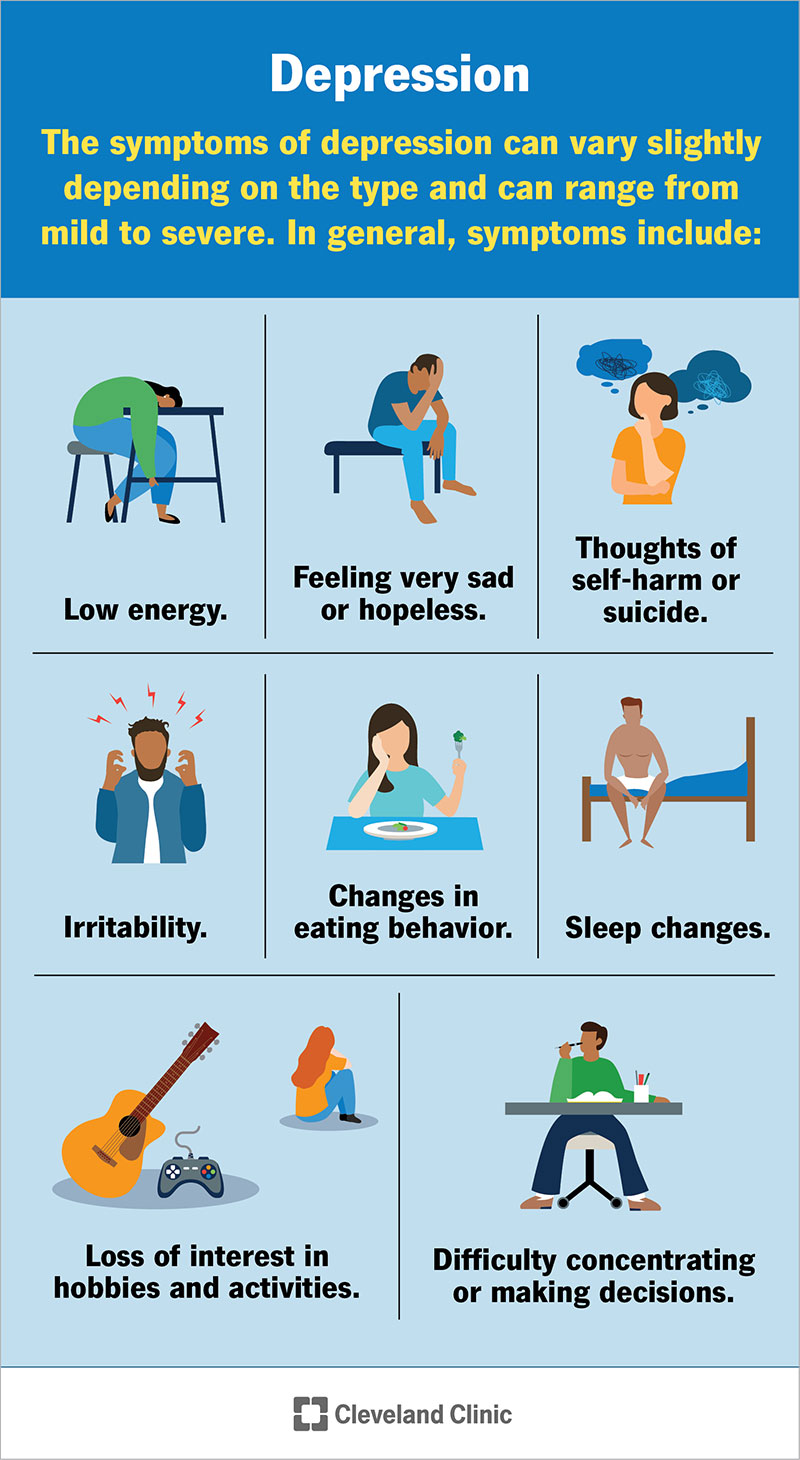
Staying educated about depression is essential for prevention and early intervention. Familiarize yourself with the common symptoms of depression, such as persistent sadness, loss of interest, changes in appetite or sleep patterns, and feelings of hopelessness or worthlessness. Additionally, learn about the risk factors that can contribute to the development of depression, including genetics, traumatic life events, chronic health conditions, and high levels of stress. By staying informed, you can recognize warning signs and seek help before depression escalates.
Stay informed about treatment options
Understanding the available treatment options for depression empowers you to make informed decisions about your mental health. Learn about evidence-based treatments, such as therapy (including cognitive-behavioral therapy and interpersonal therapy) and medication, as well as complementary approaches, such as exercise, mindfulness, and alternative therapies. By being aware of the various treatment options, you can work collaboratively with healthcare professionals to find the most suitable approach for your needs.
Be aware of available resources
In times of need, it’s important to know where to turn for support. Familiarize yourself with the available mental health resources in your community, such as helplines, suicide prevention services, and mental health clinics. Develop a list of emergency contacts and resources that you can reach out to if you or someone you know is experiencing a mental health crisis. By being aware of available resources, you can access the help you need and support others in their mental health journey.