You probably don’t give much thought to your bathroom habits until you find yourself running to the toilet every few minutes. Diarrhea can be incredibly inconvenient and uncomfortable, but the good news is that there are simple steps you can take to prevent it. By practicing good hygiene, staying hydrated, and being mindful of what you eat, you can significantly reduce your risk of experiencing this unpleasant condition. In this article, we will explore some effective strategies that you can easily incorporate into your daily routine to keep diarrhea at bay. So, let’s get started and discover how you can maintain a healthier digestive system!
Maintain proper hygiene
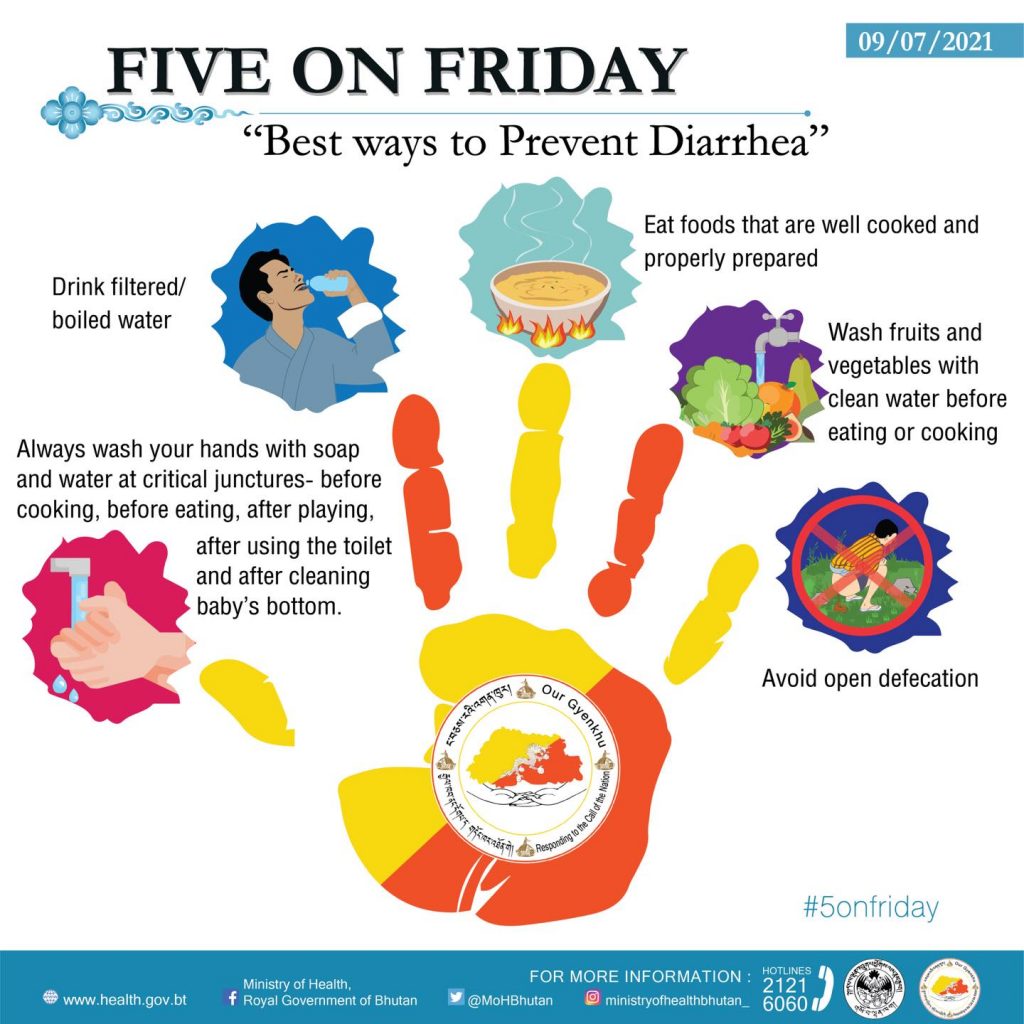
Maintaining proper hygiene is essential in preventing the spread of germs and diseases. One of the most basic yet crucial steps is to wash your hands regularly. Washing your hands with soap and water for at least 20 seconds can help kill germs and bacteria that you may have picked up throughout the day. Make sure to lather the soap and rub your hands thoroughly, including the backs of your hands, between your fingers, and under your nails. Rinse your hands well and dry them with a clean towel or air dryer.
In addition to washing your hands, it is important to clean and disinfect surfaces regularly. Surfaces such as countertops, doorknobs, light switches, and phones can harbor germs and bacteria. Use an appropriate disinfectant spray or wipe to clean these surfaces, paying extra attention to high-touch areas. By keeping your environment clean, you can minimize the risk of coming into contact with harmful pathogens.
Drinking clean water is another crucial aspect of maintaining proper hygiene. Contaminated water can contain harmful bacteria, viruses, and parasites that can lead to diarrheal diseases. Ensure that your water source is safe and, if necessary, use a water filtration system or boil the water before consumption. By taking these precautions, you can reduce the risk of waterborne illnesses and maintain your overall health.
Lastly, using clean utensils and cookware is essential in preventing foodborne illnesses. When handling food, make sure to wash your utensils, cutting boards, and cookware with hot, soapy water. This helps remove any traces of bacteria that may be present. Additionally, make sure to dry them thoroughly before use to prevent any potential contamination. By practicing proper hygiene in the kitchen, you can ensure the safety of your meals and protect yourself from digestive issues.
Practice safe food handling
Practicing safe food handling is vital to prevent foodborne illnesses, including diarrhea. Here are some important practices to incorporate into your daily routine:
First, ensure that fruits and vegetables are washed thoroughly before consumption. Rinse them under running water to remove dirt, debris, and traces of pesticide residue. Use a vegetable brush to scrub any firm produce, such as potatoes or cucumbers. By washing your fruits and vegetables, you can reduce the risk of ingesting harmful bacteria or chemicals.
When cooking, it is crucial to cook food thoroughly to kill any potential pathogens. Use a food thermometer to ensure that meat, poultry, and seafood reach the correct internal temperature. For example, poultry should be cooked to an internal temperature of 165°F (74°C) to ensure any harmful bacteria are eliminated. By cooking your food properly, you can significantly reduce the risk of foodborne illnesses, including those causing diarrhea.
To avoid cross-contamination, always keep raw and cooked foods separate. Use separate cutting boards, utensils, and plates for raw meat, poultry, seafood, and vegetables. This prevents the transfer of harmful bacteria from raw foods to cooked ones. Additionally, make sure to wash your hands, cutting boards, and utensils thoroughly after handling raw foods to avoid any potential contamination.
When it comes to storing food, it is important to keep perishable foods refrigerated at or below 40°F (4°C). Bacteria can multiply rapidly at room temperature, so it is important to refrigerate foods promptly. Leftovers should also be stored properly in airtight containers and consumed within a few days. By following these guidelines, you can prevent the growth of bacteria on your food and reduce the risk of foodborne illnesses.
Ensure a safe water supply
Having access to safe water is crucial for maintaining good health and preventing diarrheal diseases. Here are some measures you can take to ensure a safe water supply:
First, use safe water sources whenever possible. Drinking water from a reliable and tested source, such as a municipal water supply, can significantly reduce the risk of waterborne illnesses. If you are unsure about the safety of your water source, consider using bottled water or installing a water filtration system.
If you are in a situation where safe water is not readily available, it may be necessary to boil water before consumption. Boiling water for at least one minute can kill most types of bacteria, viruses, and parasites. After boiling, allow the water to cool before drinking or use it for cooking or preparing beverages.
Using water filters or purifiers can also be an effective way to ensure the safety of your drinking water. There are various types of filters and purifiers available, such as activated carbon filters, reverse osmosis systems, and ultraviolet (UV) purifiers. These devices can help remove contaminants and make your water safe to drink. However, it is important to choose a filter or purifier that is appropriate for the specific contaminants in your water source.
By following these precautions, you can reduce the risk of waterborne diseases and promote a safe water supply for you and your family.
Follow proper food storage
Proper food storage is essential in preventing foodborne illnesses and maintaining the quality of your food. Here are some important guidelines to follow:
Keep food at safe temperatures to prevent the growth of bacteria. Perishable foods, such as meat, poultry, seafood, dairy products, and cooked leftovers, should be stored in the refrigerator at or below 40°F (4°C). The refrigerator helps slow down the growth of bacteria and keeps your food fresh for a longer period. On the other hand, it is important to keep hot foods hot, maintaining a temperature of 140°F (60°C) or above, to prevent bacterial growth.
When storing leftovers, make sure to place them in airtight containers to maintain their freshness and prevent cross-contamination. Label the containers with the date so that you can keep track of how long the leftovers have been stored. Consuming leftovers within 3-4 days is generally recommended to minimize the risk of foodborne illnesses.
If you are planning to freeze food for later use, make sure to package it properly to prevent freezer burn and maintain its quality. Use freezer-safe containers or bags and remove any excess air to avoid moisture from getting in. Freezing can help preserve the nutritional value and taste of the food, allowing you to enjoy it at a later time.
By following proper food storage practices, you can prevent food spoilage, reduce the risk of foodborne illnesses, and make the most out of your food.
Be cautious while traveling
When traveling, it is important to be cautious about the food and water sources you choose. This is particularly crucial in areas with poor sanitation or where the risk of waterborne and foodborne diseases is higher. Here are some tips to stay safe while traveling:
Choose safe food and water sources. If possible, opt for cooked hot foods from reputable establishments. Avoid street food or food from vendors whose hygiene practices are questionable. Similarly, be cautious when it comes to drinking water. Choose bottled water from trusted brands or use water purification methods like boiling or using a water filter.
Practice good hand hygiene by washing your hands regularly with soap and water, especially before eating or preparing food. If soap and water are not available, use an alcohol-based hand sanitizer that contains at least 60% alcohol.
Avoid raw or undercooked foods, as they can pose a higher risk of foodborne illnesses. Make sure that meat, poultry, seafood, and eggs are thoroughly cooked before consuming them. When it comes to fruits and vegetables, opt for those that can be peeled or washed thoroughly to remove any potential contaminants.
By staying cautious about your food and water choices and practicing good hygiene habits while traveling, you can minimize the risk of diarrhea and other travel-related illnesses.
Maintain a balanced diet
Maintaining a balanced diet is not only important for overall health but can also help prevent digestive issues such as diarrhea. Here are some key principles to incorporate into your diet:
Eat a variety of foods from different food groups to ensure that you are getting a wide range of nutrients. Include fruits, vegetables, whole grains, lean proteins, and healthy fats in your meals to provide your body with essential vitamins, minerals, and antioxidants.
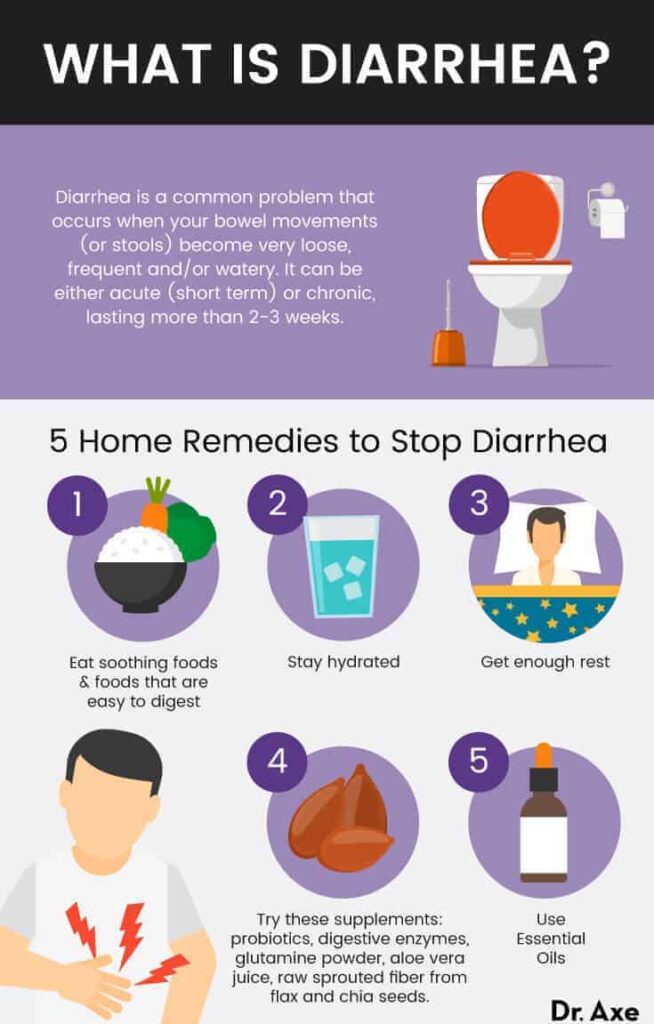
Consume fiber-rich foods like fruits, vegetables, whole grains, and legumes. Fiber adds bulk to your stool and helps regulate bowel movements. Aim for around 25-30 grams of fiber per day, gradually increasing your intake if you are not accustomed to a high-fiber diet. However, make sure to increase your fiber intake gradually to prevent any digestive discomfort.
Limit greasy and spicy foods, as they can irritate the digestive system and potentially lead to diarrhea. Greasy foods can be harder to digest, while spicy foods can trigger gastrointestinal symptoms in some individuals. Moderation is key, so enjoy these foods in smaller portions or opt for healthier cooking methods that reduce the use of added fats and spices.
By maintaining a balanced diet and incorporating these principles into your eating habits, you can promote a healthy digestive system and reduce the risk of experiencing diarrhea.
Stay hydrated
Proper hydration is essential for overall health and can also help prevent digestive issues such as diarrhea. Here are some tips to stay hydrated:
Drink enough fluids throughout the day, especially water. The daily recommended fluid intake varies based on factors like age, sex, and physical activity level, but a general guideline is to drink at least 8 cups (64 ounces) of water per day. Increase your fluid intake if you are in a hot climate, participating in vigorous physical activity, or experiencing diarrhea or vomiting.
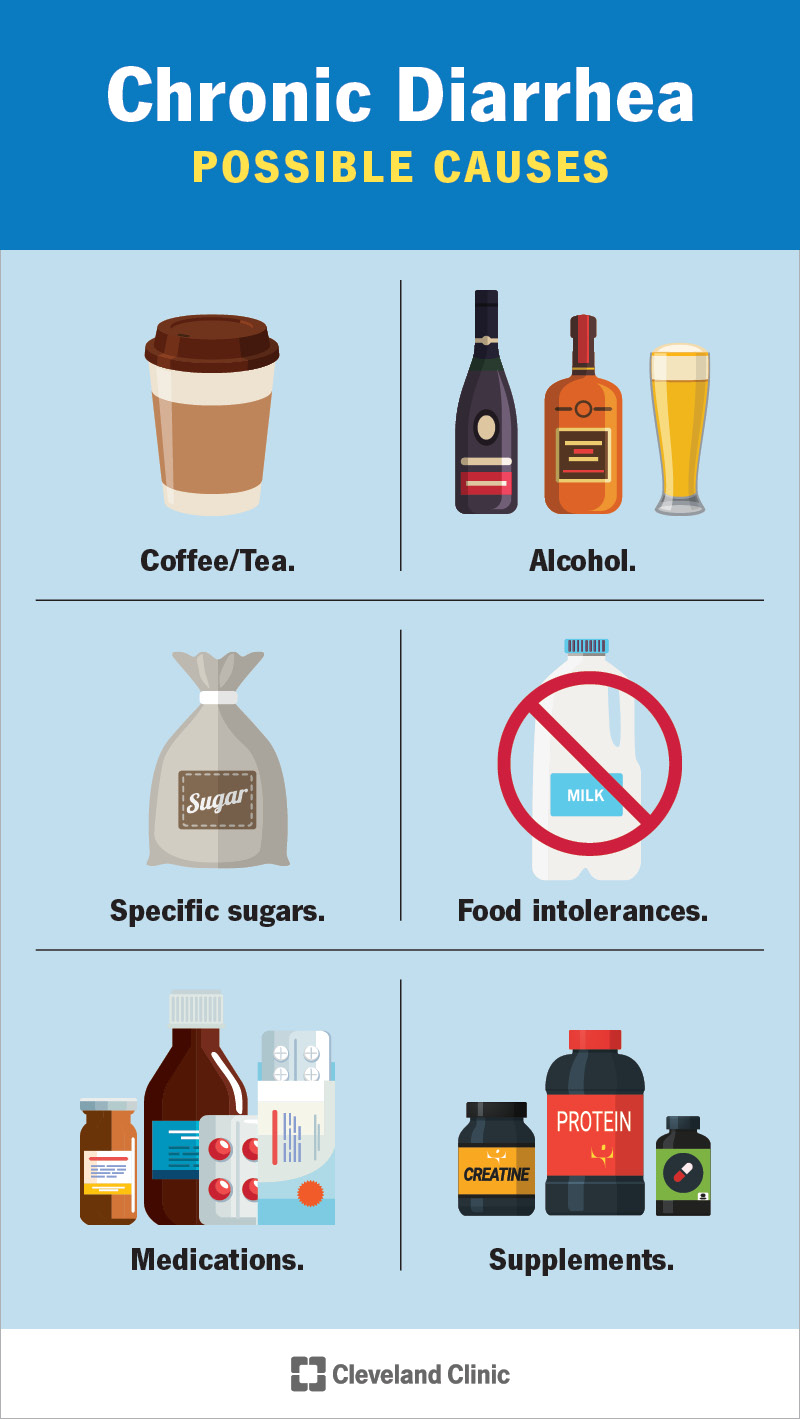
Avoid excessive alcohol and caffeine consumption, as they can contribute to dehydration. Alcohol and caffeinated beverages act as diuretics, promoting increased urine production and potential fluid loss from the body. If consuming these beverages, do so in moderation and make sure to balance them with an adequate intake of water or other hydrating fluids.
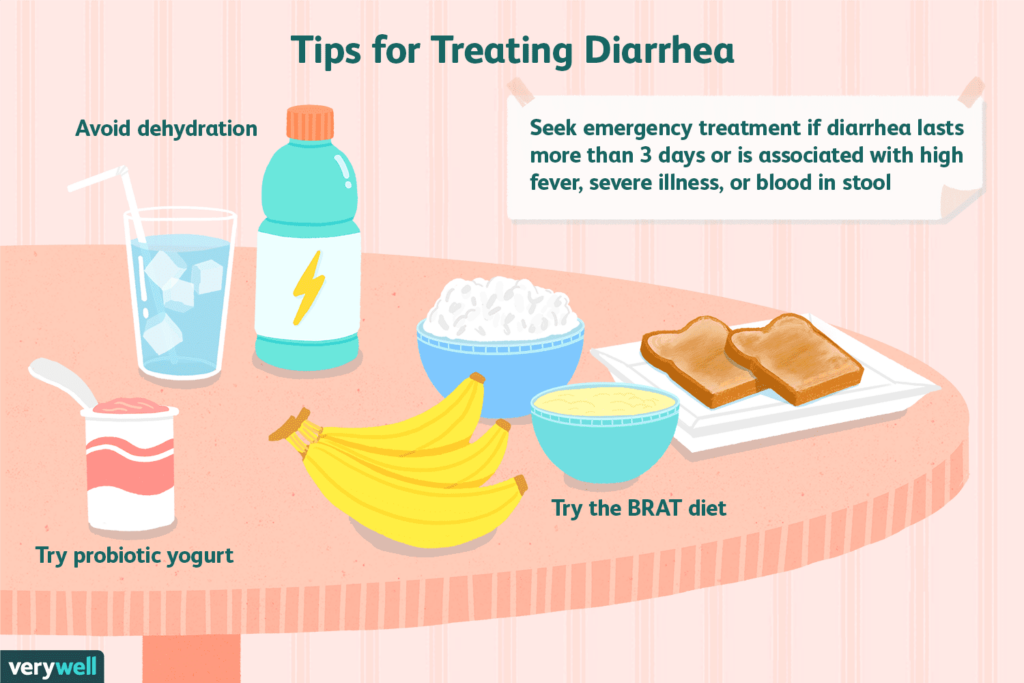
Be mindful of your fluid intake during periods of illness or when experiencing diarrhea. In these situations, small, frequent sips of water or oral rehydration solutions can help replace lost fluids and electrolytes.
By staying properly hydrated, you can support your body’s functions, maintain a healthy digestive system, and minimize the risk of dehydration-related diarrhea.
Manage stress
Stress can impact your overall well-being, including your digestive health. It is important to manage stress effectively to prevent digestive issues, including diarrhea. Here are some techniques to help manage and reduce stress:
Implement stress management techniques such as deep breathing exercises, meditation, or mindfulness practices. These techniques can help relax your mind and body, reducing stress levels and promoting a sense of calm.
Practice relaxation exercises such as yoga or tai chi. These activities combine gentle movements with deep breathing, promoting relaxation and stress reduction. Engaging in these exercises regularly can have a positive impact on your overall well-being.
Engage in activities that you enjoy and that help you relax, such as reading, listening to music, spending time in nature, or pursuing hobbies. Taking time for yourself and engaging in activities that bring you joy can help relieve stress and promote mental and physical well-being.
Seek support from family, friends, or professional counselors if you are feeling overwhelmed or struggling with stress. Talking about your feelings and concerns can provide a sense of relief and perspective.
By effectively managing stress, you can support your digestive health and reduce the risk of stress-related diarrhea.
Avoid risky behaviors
Engaging in risky behaviors can increase the likelihood of contracting infections or diseases that can lead to diarrhea. Here are some important measures to take:
Practice safe sex to reduce the risk of sexually transmitted infections (STIs). Use condoms consistently and correctly, or consider other forms of contraception if necessary. Regular STI testing is also recommended, especially if you have multiple sexual partners.
Stay updated on vaccinations to protect yourself against vaccine-preventable diseases. Vaccinations can significantly reduce the risk of various infections, including those that can cause diarrhea. Follow the recommended vaccination schedule for your age and consult with a healthcare professional for any specific vaccination needs or requirements.
By avoiding risky behaviors and taking necessary precautions, you can protect yourself from infections and diseases that may result in diarrhea.
Seek medical advice
If you experience persistent or severe diarrhea, it is important to seek medical advice from a healthcare professional. They can assess your symptoms, identify any underlying causes, and recommend appropriate treatment. Here are some important points to consider:
Consult a healthcare professional if your diarrhea lasts for more than a few days, if it is accompanied by severe abdominal pain, fever, or bloody stools, or if you experience signs of dehydration, such as excessive thirst, dry mouth, or dark urine.
Be prepared to provide your healthcare professional with information about your symptoms, including when they started, their frequency and severity, and any accompanying symptoms or potential triggers.
Take prescribed medications as directed by your healthcare professional. If prescribed antibiotics, make sure to complete the full course even if your symptoms improve, as stopping prematurely can lead to antibiotic resistance and potential recurrence of the infection.
By seeking medical advice and following the guidance of healthcare professionals, you can effectively address diarrhea and prevent any underlying conditions from worsening.
In conclusion, preventing diarrhea starts with maintaining proper hygiene, practicing safe food handling, and ensuring a safe water supply. By following proper food storage guidelines, being cautious while traveling, and maintaining a balanced diet, you can reduce the risk of diarrhea. Additionally, staying hydrated, managing stress, avoiding risky behaviors, and seeking medical advice when necessary are key components of prevention. By incorporating these practices into your daily life, you can promote good digestive health and overall well-being. Remember, prevention is always better than cure, so take the necessary steps to protect yourself and minimize the risk of diarrhea.