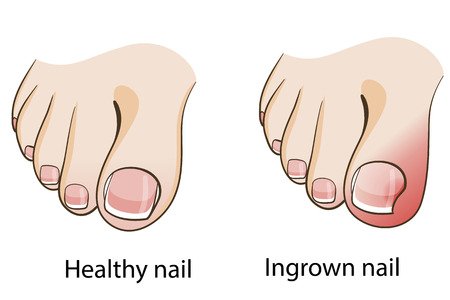
Are you tired of dealing with painful and bothersome ingrown toenails? Look no further! In this article, you will discover simple and effective methods to prevent ingrown toenails from causing you discomfort. By following these easy tips, you can keep your toes happy and healthy, ensuring that you can walk with ease and without any unnecessary pain. Say goodbye to ingrown toenail woes and say hello to comfortable feet!
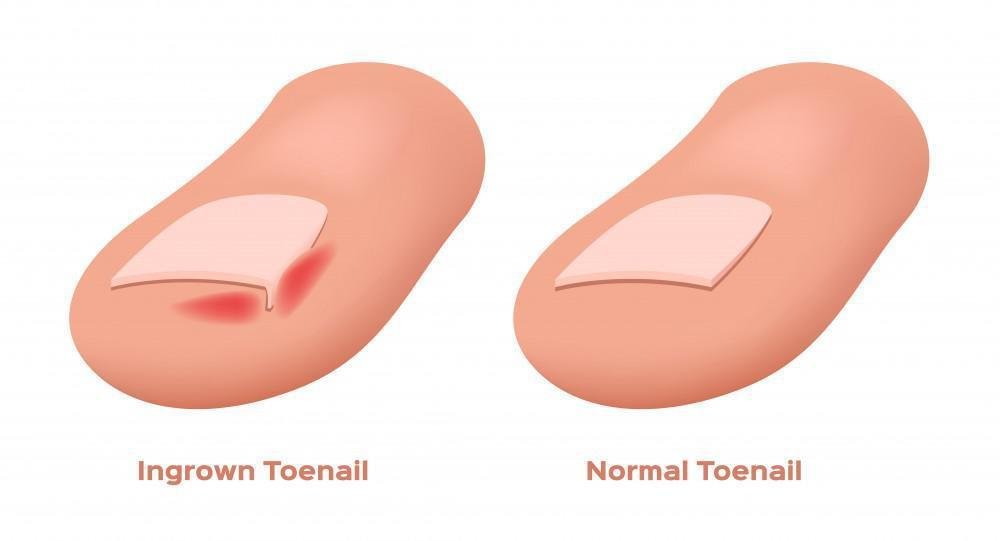
Hygiene Practices
Trimming Toenails Properly
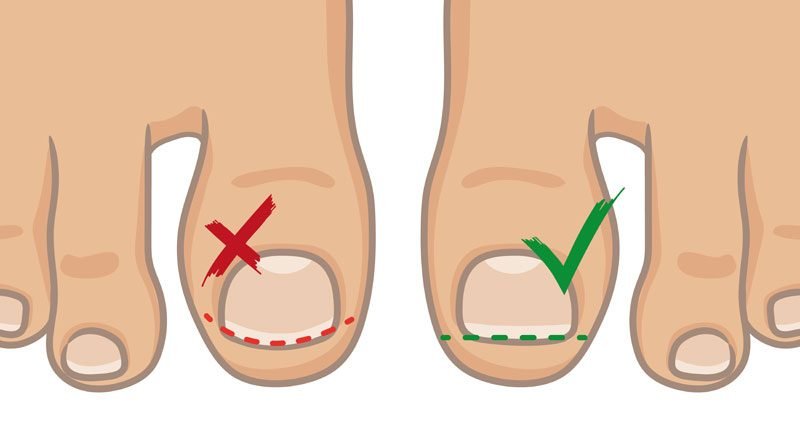
Properly trimming your toenails is crucial in preventing ingrown toenails. To start, use clean and sterilized nail clippers or scissors specifically designed for toenails. Trim your nails straight across instead of rounding the edges. This helps prevent the toenail from growing into the surrounding skin. Avoid cutting the nails too short, as this can also increase the risk of ingrown toenails. If you’re having difficulty reaching your toenails or have thick nails, consider seeking professional help from a podiatrist.
Keeping Feet Clean and Dry
Maintaining clean and dry feet is essential in preventing the growth of bacteria and fungi that can lead to infections and other foot problems. Wash your feet daily with warm water and mild soap, making sure to thoroughly clean between your toes. After washing, pat your feet dry with a clean towel, paying extra attention to the areas between your toes. Moisture between the toes can create a breeding ground for bacteria, so it’s important to keep the feet dry throughout the day. If you have sweaty feet, consider using talcum powder or antiperspirant specifically designed for feet to help keep the moisture at bay.
Wearing Moisture-Wicking Socks
Choosing the right socks can also contribute to preventing ingrown toenails. Opt for moisture-wicking socks made of breathable materials, such as cotton or moisture-wicking synthetic fabrics. These socks help absorb sweat and keep your feet dry, reducing the risk of bacterial and fungal growth. Avoid wearing nylon or tight-fitting socks that can trap moisture and increase the likelihood of developing ingrown toenails. Change your socks daily, especially if your feet tend to sweat excessively.
Avoiding Tight Shoes and High Heels
Wearing properly-fitting shoes is crucial in preventing ingrown toenails. Opt for shoes that provide ample space for your toes, particularly those with a wide toe box. Tight shoes and high heels can put pressure on your toes, forcing them to squeeze together and increasing the risk of the toenails growing into the surrounding skin. Choose shoes with a low heel and a cushioned sole to help distribute the pressure evenly across your feet. If you need to wear heels for an occasion, consider swapping them for more comfortable shoes before and after the event.
Footwear Recommendations
Choosing Shoes with a Wide Toe Box
Choosing shoes with a wide toe box allows your toes to move freely and prevents them from being cramped together. Look for footwear brands that offer specific styles designed with wider toe boxes. This extra space allows your toes to spread naturally, reducing the likelihood of ingrown toenails.
Opting for Breathable Footwear
Breathable footwear promotes airflow and can help keep your feet cool and dry. Look for shoes made of breathable materials, such as leather or mesh, that allow moisture to evaporate. This helps prevent excessive sweating and decreases the chances of developing ingrown toenails. Avoid shoes made of non-breathable materials like plastic or vinyl, as they trap moisture and create an environment favorable to bacteria and fungus growth.
Avoiding Pointed and Narrow Toe Shoes
Pointed and narrow toe shoes squeeze the toes together, increasing the risk of ingrown toenails. Instead, opt for shoes with a rounded or square toe box. These styles provide more room for your toes to naturally spread out, minimizing the chances of the nails growing into the skin. When trying on shoes, make sure there is enough space between the end of your longest toe and the shoe’s tip.
Using Orthotic Insoles
Orthotic insoles can provide additional support and cushioning to your feet, reducing pressure on the nails and toes. They can help distribute your body weight more evenly as you walk or stand, reducing the risk of developing ingrown toenails. Consult with a podiatrist to determine if orthotic insoles are necessary for you based on your foot structure and any existing foot conditions.
Proper Nail Care
Cutting Nails Straight Across
To maintain healthy toenails and prevent ingrown toenails, always cut your nails straight across. Avoid rounding the corners, as this can encourage the nails to grow into the skin. Use sharp, clean nail clippers or scissors specifically designed for toenails. If you have difficulty reaching your toenails or have thick nails, consider seeking professional help from a podiatrist.
Not Trimming Nails Too Short
Trimming your nails too short increases the risk of ingrown toenails. Leave a small portion of the white nail plate intact when cutting your nails. This ensures that the nail edge is not cut too close to the skin, preventing it from digging into the surrounding tissue. Be mindful of the natural curve of your toenails and avoid over-trimming.
Avoiding Rounded Edges
Rounded edges on your toenails can encourage the nails to grow into the surrounding skin. After cutting your nails straight across, use a nail file to gently smooth the edges. By keeping the edges square, you can prevent the nails from becoming ingrown and reduce the chances of pain and infection.
Filing Nails Smoothly
After trimming and shaping your toenails, use a nail file to smooth any rough edges. Ensure that the file is clean and in good condition to avoid causing damage to the nails. File in one direction at a time instead of using a back-and-forth sawing motion, as this can weaken the nails. By filing your nails smoothly, you can prevent rough edges from catching on socks or footwear, reducing the risk of ingrown toenails.
Foot Soak and Moisturization
Soaking Feet in Warm Water
Regular foot soaks can help keep your feet clean, soft, and moisturized. Fill a basin or tub with warm water and immerse your feet for about 15-20 minutes. This not only helps remove dirt and dead skin cells but also soothes tired and achy feet. Warm water can also help soften the nails, making them easier to trim and file.
Adding Epsom Salt or Essential Oils to the Foot Soak
Enhance your foot soak by adding Epsom salt or a few drops of essential oils. Epsom salt, with its magnesium and sulfate content, can help relax muscles and relieve foot discomfort. Essential oils like lavender or tea tree oil have antimicrobial properties that can help combat foot odor and prevent infections. Be mindful of any allergies or sensitivities you may have when using essential oils.
Moisturizing Feet Regularly
After soaking your feet, pat them dry with a clean towel and apply a moisturizer specifically formulated for the feet. Choose a moisturizer that contains ingredients like shea butter, coconut oil, or urea, as these help hydrate and nourish the skin. Gently massage the moisturizer into your feet, paying extra attention to the heels and any areas prone to dryness. Regular moisturization helps prevent cracked and dry skin, reducing the risk of ingrown toenails.
Avoiding Overhydration of the Skin
While moisturizing your feet is important, it’s crucial to strike a balance and avoid overhydration. Excessively moist skin can become soft and susceptible to tearing, making it easier for the nails to grow into the surrounding tissue. Apply moisturizer sparingly and avoid leaving excess product between the toes. If your feet tend to sweat excessively, consider using a foot powder or antiperspirant specifically designed for feet to help keep them dry.
Protective Measures
Using Toe Protectors or Bandages
If you’re prone to ingrown toenails or have experienced one before, using toe protectors or bandages can provide extra cushioning and prevent further irritation. These small silicone or gel devices fit over the affected toe and provide a barrier between the nail and the skin. They help protect the area and reduce pressure, allowing the nail to grow out properly. Bandages can also serve as a temporary solution to cover irritated or painful areas.
Applying Antibacterial Ointment
If you notice any signs of redness, swelling, or infection around your toenail, applying an antibacterial ointment can help prevent or treat the infection. Clean the affected area with mild soap and water, pat it dry, and then apply a thin layer of antibacterial ointment. Cover the area with a sterile bandage to keep it clean and protected. If the infection persists or worsens, consult a healthcare professional for further evaluation and treatment.
Avoiding Nail Biting or Picking
Nail biting or picking can create an entry point for bacteria and lead to ingrown toenails. Resist the urge to bite or pick at your toenails, as this can disrupt their natural growth and increase the risk of infection. If you struggle with these habits, try finding alternative stress-relief techniques such as fidget toys or chewing gum.
Using Proper Techniques for Cutting Cuticles
Cuticles serve as a protective barrier around the base of the nails, preventing bacteria and debris from entering. It’s important to avoid cutting or trimming your cuticles excessively, as this can increase the risk of infection and ingrown toenails. Instead, gently push back your cuticles using a cuticle pusher or washcloth after showering or soaking your feet. This helps keep the area clean without compromising its protective function.
Healthy Lifestyle Habits
Maintaining a Healthy Weight
Excess weight puts extra pressure on your feet, increasing the risk of developing foot problems such as ingrown toenails. Maintaining a healthy weight through a balanced diet and regular exercise can help alleviate the pressure on your feet and reduce the chances of ingrown toenails. Speak with a healthcare professional if you need guidance on managing your weight.
Exercising Regularly
Regular exercise not only benefits your overall health but also promotes good foot circulation. By engaging in activities that get your blood pumping, you help nourish the tissues in your feet, strengthen your muscles, and improve flexibility. Incorporate exercises such as walking, jogging, swimming, or yoga into your routine to promote healthy feet and reduce the risk of foot problems.
Avoiding Excessive Pressure on Feet
Certain activities or occupations may put excessive pressure on your feet, increasing the likelihood of developing ingrown toenails. If your job involves prolonged standing or walking, take breaks throughout the day to rest your feet and shift your weight. Consider using supportive footwear and orthotic inserts to absorb shock and provide cushioning. When participating in sports or physical activities, wear appropriate footwear and use protective gear to reduce the risk of foot injury.
Promoting Blood Circulation
Good blood circulation is vital for maintaining healthy feet and preventing foot problems. Ensure proper blood flow to your feet by avoiding tight socks or hosiery that restrict circulation. Elevate your feet whenever possible, especially after long periods of sitting or standing. Regularly perform foot exercises, such as ankle rotations and toe movements, to promote blood flow and prevent discomfort.
Regular Foot Inspections
Checking for Ingrown Nails
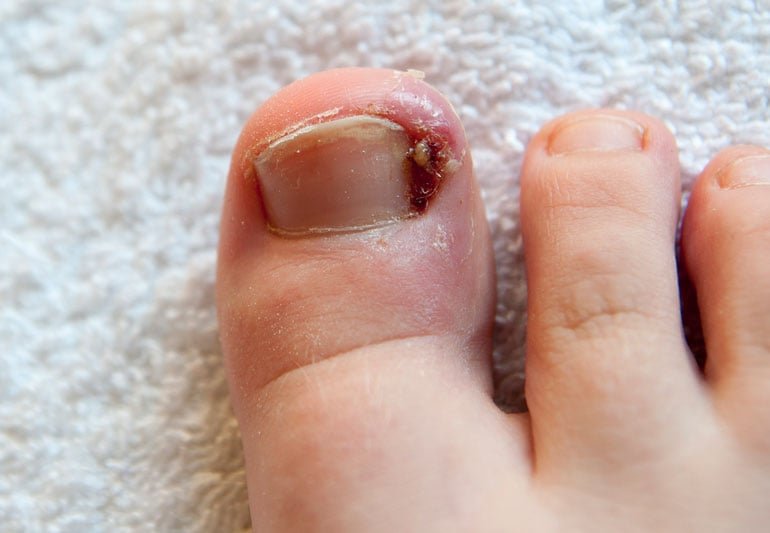
Perform regular foot inspections to check for any signs of ingrown toenails. Examine your nails and the surrounding skin for redness, swelling, or tenderness. If you notice any changes or suspect an ingrown toenail, take action promptly to prevent further complications.
Monitoring Skin Conditions
Alongside checking for ingrown toenails, monitor the condition of your skin on your feet. Look for any signs of dryness, cracking, or peeling, which can make the skin more prone to infections and ingrown toenails. If dry skin is a recurring issue, consider applying a foot moisturizer or petroleum jelly to keep the skin hydrated.
Seeking Professional Help if Necessary
If you’re experiencing persistent pain, recurrent ingrown toenails, signs of infection, or difficulty walking or wearing shoes, it’s essential to seek professional help. A podiatrist can assess your foot condition, provide appropriate treatment, and offer preventative measures to avoid future ingrown toenails. Early intervention can help prevent complications and ensure the health of your feet.
Medical Treatment Options
Partial Nail Avulsion
In cases of severe or recurring ingrown toenails, where conservative measures are ineffective, a partial nail avulsion procedure may be recommended. This procedure involves removing a portion of the nail or the entire affected nail under local anesthesia. It aims to permanently alleviate ingrown toenail problems by preventing the regrowth of the problematic edge.
Total Nail Avulsion
For more severe cases or when conservative measures have failed, a total nail avulsion may be considered. This procedure involves the complete removal of the affected toenail under local anesthesia. While it may seem drastic, total nail avulsion can provide long-term relief from persistent ingrown toenails.
Lifting the Nail Edge
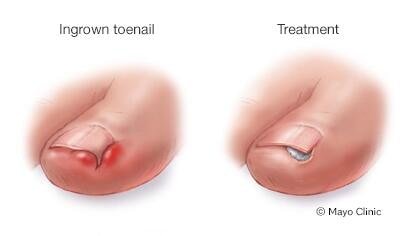
For less severe cases, a podiatrist may suggest lifting the ingrown portion of the nail to relieve pressure and minimize discomfort. This procedure involves gently separating the nail from the inflamed surrounding tissue using a sterile instrument. The lifted nail edge is then padded with sterile gauze to protect it while it grows out.
Prescription Medications
In certain cases, a podiatrist may prescribe medications to treat or manage an ingrown toenail. Antibiotics may be prescribed if there is an infection present, while oral or topical antifungal medications may be recommended for fungal-related ingrown toenails. Follow the prescribed medication instructions carefully and consult with the healthcare professional if you have any questions or concerns.
When to Seek Professional Help
Persistent Pain or Swelling
If you experience ongoing or worsening pain or swelling around your toenail, it’s important to seek professional help. Persistent pain or swelling can be a sign of an infection or another underlying issue that requires medical attention. A podiatrist can properly assess your condition and recommend appropriate treatment.
Signs of Infection
If you notice signs of infection, such as increased redness, drainage of pus, or the presence of an abscess, it’s crucial to seek immediate medical care. Infections can lead to more severe complications if left untreated, and prompt intervention is necessary to prevent further harm.
Difficulty Walking or Wearing Shoes
If your ingrown toenail is causing significant discomfort or making it difficult for you to walk or wear shoes, it’s time to seek professional help. A podiatrist can evaluate your condition and provide relief through appropriate treatment options. Don’t suffer unnecessarily when there are solutions available.
Recurring Ingrown Toenails
If you’re experiencing recurring ingrown toenails despite your efforts to prevent them, it’s essential to consult with a healthcare professional. Recurring ingrown toenails may be a sign of an underlying anatomical issue or other predisposing factors that require medical intervention. A thorough evaluation can help identify the cause and prevent future recurrences.
Conclusion
Taking preventive measures and practicing good foot hygiene and nail care are essential in avoiding ingrown toenails. By following proper hygiene practices, choosing appropriate footwear, taking care of your nails, and incorporating protective measures, you can significantly reduce the risk of developing ingrown toenails. However, if you experience persistent pain or swelling, signs of infection, difficulty walking or wearing shoes, or recurring ingrown toenails, it’s important to seek professional help. Consulting with a podiatrist can provide the necessary guidance and treatment to prevent further complications and keep your feet healthy. Remember, your feet deserve the best care to keep you on your toes and free from discomfort!