
In the great outdoors, it’s no secret that insects can quickly become uninvited guests who are more than eager to leave their mark on your skin. From pesky mosquito bites to itchy bee stings, these tiny creatures can really put a damper on your outdoor adventures. But fear not, because we’ve got you covered with some simple yet effective tips to help you prevent those dreaded insect bites. So grab your bug spray, put on your hiking boots, and get ready to tackle those buzzing annoyances head-on. With a few preventative measures, you’ll be able to enjoy the beauty of nature without the unwanted souvenir of insect bites.
Avoiding Insect-Infested Areas
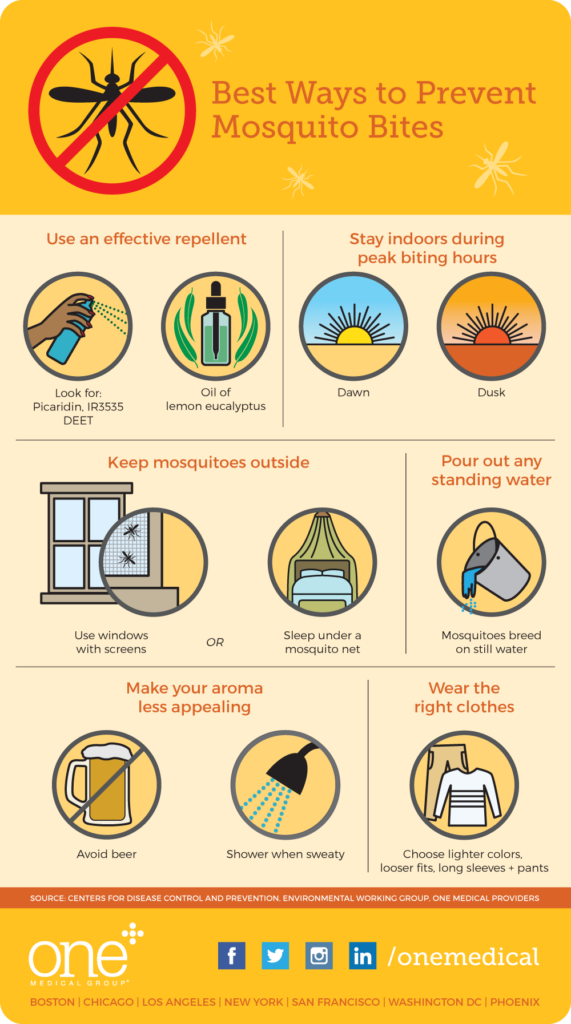
Stay indoors during peak insect activity
During the times of day when insects are most active, it is advisable to stay indoors. Typically, this refers to dawn and dusk, when mosquitoes and other biting insects are out in full force. By remaining indoors during these peak activity times, you can significantly reduce your chances of getting bitten.
Avoid standing water
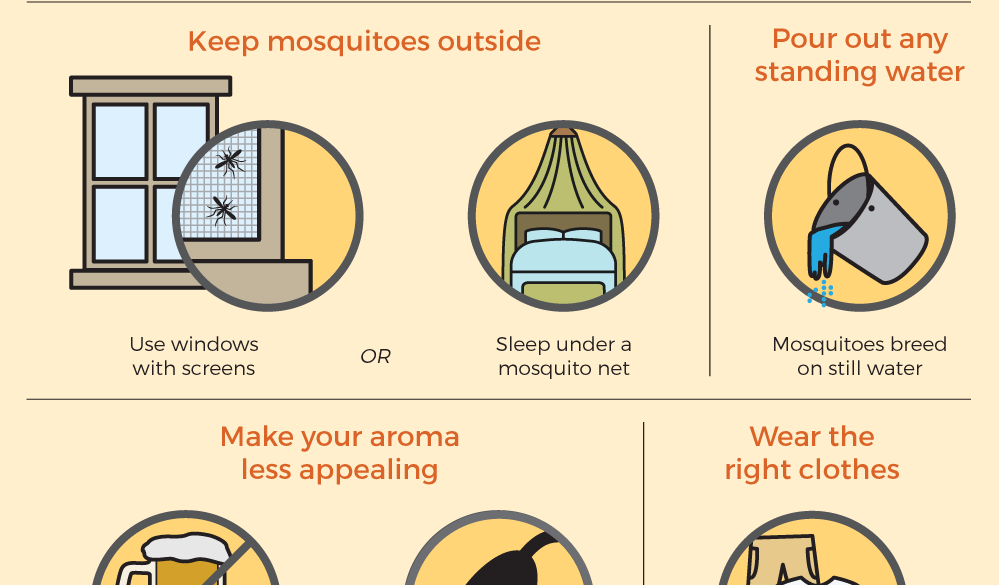
Insects, particularly mosquitoes, thrive and breed in standing water. To minimize the presence of these pesky insects, it is crucial to remove any sources of stagnant water around your home. Empty and clean birdbaths, flower pots, and any containers that collect water. Ensure that gutters and drains are clear and not holding water.
Keep windows and doors closed
To create a barrier between insects and your indoor space, make a habit of keeping windows and doors closed. Use weatherstripping to seal any gaps or openings where insects may enter. This is especially important during the peak insect activity times, as mentioned earlier.
Use screens on windows and doors
Installing screens on windows and doors provides an extra layer of protection against insects while still allowing fresh air to circulate. Ensure that screens are in good condition, without any holes or tears. Regularly clean the screens to prevent the accumulation of debris that may attract insects.
Wearing Protective Clothing
Cover exposed skin
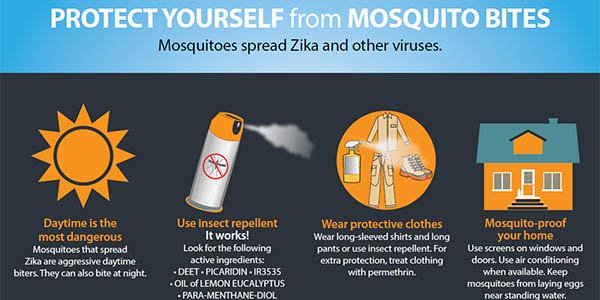
When spending time outdoors in insect-prone areas, it is essential to cover as much exposed skin as possible. Wear long sleeves, long pants, and closed-toe shoes to minimize the surface area available for insects to bite. Tucking in your shirt provides an extra layer of protection to prevent insects from crawling onto your skin.
Choose appropriate clothing colors
Believe it or not, the colors you wear can make a difference in attracting or repelling insects. Opt for light-colored clothing, as dark colors tend to attract insects, particularly mosquitoes. Light colors are less appealing to them and can help reduce the chances of getting bitten.
Wear long sleeves and pants
As mentioned earlier, wearing long sleeves and pants is crucial in protecting your skin from insect bites. These clothing articles provide a physical barrier that insects would have to navigate before reaching your skin. Additionally, lighter, breathable fabrics such as cotton are preferable, as they make it more difficult for insects to pierce through.
Tuck pants into socks or boots
To further safeguard against insects crawling up your legs, consider tucking your pants into your socks or boots. This creates a sealed barrier, making it harder for insects to access your skin. This practice is particularly relevant in areas where ticks or other crawling insects are prevalent.
Wear a hat and sunglasses
In addition to covering your limbs, it is also essential to protect your head and face. Wearing a hat with a wide brim not only shields your face from the sun but also provides some protection against flying insects. Sunglasses can also be useful in preventing insects from flying into your eyes while outdoors.
Using Insect Repellents
Read and follow label instructions
It is critical to carefully read and follow the instructions provided on insect repellent labels. Different repellents may have varying application methods and recommended frequency of use. Make sure to understand how to properly use the repellent to ensure maximum effectiveness and minimize any potential risks.
Choose the right repellent
With several options available, it is important to choose an insect repellent that suits your needs and offers protection against the specific types of insects you are likely to encounter. Look for repellents that contain EPA-registered active ingredients such as DEET, picaridin, or oil of lemon eucalyptus, as these have been proven to be effective against a wide range of insects.
Apply repellent correctly
Once you have selected the appropriate repellent, follow the instructions for application carefully. Apply it evenly to exposed skin, taking care to avoid sensitive areas such as the eyes, mouth, and open wounds. Pay special attention to areas where insects are more likely to bite, such as ankles, wrists, and neck.
Reapply as needed
The effectiveness of insect repellents will diminish over time, especially with factors like sweating or swimming. Therefore, it is important to reapply the repellent according to the recommended frequency or when you notice a decrease in its effectiveness. Be cautious not to overapply, as excessive amounts may not provide additional protection and could potentially be harmful.
Use mosquito nets and bed nets
When sleeping or resting in areas where insects, particularly mosquitoes, are prevalent, consider using mosquito nets or bed nets. These provide a physical barrier between you and the insects, ensuring a peaceful and bite-free slumber. Make sure the nets are properly secured and in good condition to prevent any gaps or tears.
Protecting Your Home
Remove standing water
To minimize the presence of insects around your home, it is crucial to eliminate any sources of standing water. Mosquitoes, in particular, require still water to breed. Regularly inspect your property for any containers or areas where water may collect and promptly remove or properly drain them.
Trim and maintain your lawn
Regularly trim your lawn and remove any overgrown vegetation to reduce the hiding places for insects. Insects, such as ticks or fleas, often hide in tall grass, so keeping your lawn well-maintained can significantly reduce their presence. Properly dispose of lawn waste and debris to avoid creating attractive habitats for insects.
Seal gaps and cracks in windows and doors
Inspect your windows and doors for any gaps or cracks that may provide entry points for insects. Seal these openings using weatherstripping or caulking to prevent insects from finding their way into your home. Pay attention to areas around pipes, utility lines, and vents as well, as these can also be potential entry points.
Use screens on vents and chimneys
In addition to windows and doors, it is important to use screens on vents and chimneys to prevent insects from entering your home. Regularly inspect these openings to ensure the screens are intact and free of any holes or damage that may allow insects to pass through. Additionally, consider installing mesh screens on the outside of attic vents to further deter insects.
Keep outdoor lights off
Outdoor lights, particularly those that emit ultraviolet or blue light, tend to attract insects. Minimize the presence of insects near your home by keeping outdoor lights turned off whenever possible or by using yellow or LED lights, which are less attractive to insects. If outdoor lighting is necessary, consider installing motion sensor lights to reduce their operation time and presence.
Taking Precautions While Traveling
Research your destination
Before traveling to a new destination, take some time to research the local insect population and any prevalent insect-borne diseases. This information will help you better prepare for your trip and take the necessary precautions to avoid insect bites. Obtain information from reliable sources such as travel advisories, health agencies, or local guides.
Stay in well-maintained accommodations
When choosing accommodations, opt for well-maintained hotels or resorts that have measures in place to prevent insects from entering guest rooms. Look for hotels with screens on windows and doors, mosquito nets, or air conditioning. Consider reading reviews or seeking recommendations from fellow travelers to ensure the chosen accommodation meets your expectations.
Use bed nets and insect screens
If you are traveling to an area with a high risk of insect bites, particularly from mosquitoes, using bed nets and insect screens is essential. Bed nets provide a physical barrier between you and potentially disease-carrying insects during sleep, while insect screens on windows and doors help keep insects out of your living space.
Avoid outdoor activities during peak insect activity
Similar to avoiding peak insect activity when at home, it is advisable to avoid outdoor activities during the times of day when insects are most active. If possible, plan your outdoor excursions for early morning or late afternoon, when insects are less active. Take breaks in shaded areas or indoor spaces to minimize exposure to insects.
Pack appropriate clothing and repellents
When packing for your trip, include appropriate clothing and insect repellents. Pack lightweight, long-sleeved shirts, long pants, and closed-toe shoes to protect your skin from bites. Choose insect repellents that are suitable for the destination and the types of insects prevalent there. Ensure that all items meet the local regulations and restrictions regarding liquids or aerosols.
Minimizing Attractive Scents
Avoid wearing strong perfumes or scented lotions
Insects, particularly bees and wasps, are attracted to strong floral scents found in perfumes or scented lotions. To minimize their attraction, opt for unscented or lightly scented products when spending time outdoors. This can help reduce the chances of attracting insects to you.
Use unscented hygiene products
Just like strong perfumes, scented soaps, shampoos, and other hygiene products can attract insects. Consider using unscented or fragrance-free products to minimize the appealing scents that can draw insects near. This simple change in your daily routine can go a long way in preventing insect bites.
Skip scented candles and outdoor fragrances
While scented candles or outdoor fragrances may enhance the ambiance of your outdoor space, they can also act as a magnet for insects. Avoid using scented candles or spraying fragrances in outdoor areas where you are likely to spend time. Instead, opt for natural methods such as citronella oil or mosquito-repelling plants to create a bug-free environment.
Keep food tightly sealed and covered
When enjoying outdoor meals or picnics, it is essential to keep food tightly sealed and covered to prevent insects, especially flies, from landing on or contaminating the food. Use food covers or mesh nets to create a barrier, and promptly clean up any spills or food scraps to discourage insect activity around your outdoor dining area.

Removing Attractive Habitats
Keep garbage sealed and away from the house
Open or unsealed garbage cans attract numerous insects, including flies, ants, and even rodents. To avoid having these pests near your home, ensure that garbage cans are tightly sealed and stored away from your house. Regularly empty and clean the cans to prevent odors that may entice insects.
Clear stagnant water sources
As mentioned earlier, standing water serves as a breeding ground for mosquitoes. Regularly inspect your property for any sources of stagnant water, such as clogged gutters, birdbaths, or empty containers. Clear these areas and ensure proper drainage to eliminate potential habitats for mosquitoes and other water-loving insects.
Maintain a clean and clutter-free living space
A messy and cluttered living space provides numerous hiding places for insects and makes it challenging to detect and eliminate them. Regularly clean and declutter your home, paying special attention to areas like basements, attics, and storage spaces. Vacuum carpets and rugs regularly to remove any potential food sources or hiding spots for insects.
Regularly mow the lawn and trim shrubs
Overgrown lawns and shrubs offer hiding spots and breeding grounds for insects. Keep your lawn well-maintained by regularly mowing and trimming shrubs and hedges. Removing excess foliage and maintaining a tidy outdoor space will help minimize the presence of insects around your home.
Protecting Children and Pets
Dress children appropriately
Children are particularly vulnerable to insect bites, so it is important to dress them appropriately when outdoors. Make sure they wear long sleeves, long pants, and closed-toe shoes. Consider using kid-safe insect repellents on exposed skin, following the age-specific instructions provided on the product.
Apply kid-safe insect repellent
When selecting insect repellents for children, choose those specifically formulated for kids. These repellents usually have lower concentrations of active ingredients that are safe and effective for children. Apply the repellent according to the instructions, ensuring that it is evenly distributed on exposed areas of the child’s skin.
Teach children about insect dangers
Educating children about the dangers of insects and how to prevent bites is vital. Teach them to recognize common harmful insects, such as ticks, mosquitoes, or stinging insects, and explain the importance of taking precautions. Encourage children to avoid touching or swatting at insects and to notify an adult if they notice any insects around them.
Keep pets protected with repellents or barriers
Pets can also be victims of insect bites, particularly fleas and ticks. Consult with a veterinarian to determine the most appropriate repellents or barriers for your pets. Never use insect repellents designed for humans on animals, as they may contain ingredients that are toxic to pets.
Being Vigilant Outdoors
Avoid insect-attracting activities
Certain activities tend to attract insects more than others. Avoid wearing bright or floral-patterned clothing that may attract bees or wasps. Limit the use of scented lotions or perfumes, as they can draw mosquitoes and other insects. By being mindful of the activities you engage in while outdoors, you can minimize your exposure to biting insects.
Stay on cleared trails
When hiking or exploring nature, it is essential to stay on marked trails and avoid venturing off into overgrown or unexplored areas. Cleared trails are less likely to harbor insects, including ticks, and provide a safer environment for outdoor activities. If you do need to leave the trail, take precautions to protect yourself against ticks and other crawling insects.
Use caution around nests and hives
When encountering nests or hives, exercise caution and keep a safe distance. Disturbing these habitats can provoke an aggressive response from insects, leading to potential bites or stings. Be especially wary of wasp nests, as their stings can cause severe reactions in some individuals. If you suspect a nest or hive near your home, contact professional pest control services for safe removal.
Be observant and proactive
While enjoying outdoor activities, it is important to remain observant and proactive in preventing insect bites. Keep an eye out for buzzing insects or signs of their presence, such as stagnant water or nests. Carry insect repellent and administer it as needed. By being proactive and taking necessary precautions, you can significantly reduce the risk of insect bites.
Seeking Medical Attention
Recognize dangerous insect bites
While most insect bites or stings are harmless and cause temporary discomfort, certain reactions can be more severe. Familiarize yourself with common symptoms of dangerous insect bites, such as severe swelling, difficulty breathing, dizziness, or signs of an allergic reaction. If you experience any of these symptoms after an insect bite, seek medical attention immediately.
Monitor symptoms
After getting bitten or stung, monitor the symptoms closely. While some reactions may be immediate, others can develop over time. Keep an eye out for any unusual or worsening symptoms such as excessive swelling, rash, or persistent pain. If you notice any concerning changes, contact a healthcare professional for further advice.
Seek medical help for severe reactions
In the event of a severe reaction to an insect bite or sting, do not hesitate to seek immediate medical help. Symptoms such as difficulty breathing, rapid heartbeat, or loss of consciousness require urgent medical attention. Call emergency services or go to the nearest healthcare facility for prompt treatment.
Follow healthcare provider’s advice
If you seek medical attention for an insect bite, follow the advice provided by your healthcare provider. They may prescribe medication, recommend specific treatments, or suggest further precautions to prevent future bites. It is important to adhere to their guidance to ensure proper healing and minimize the chances of complications.
By following these comprehensive guidelines and taking adequate precautions, you can significantly reduce the risks of insect bites and enjoy your time outdoors with peace of mind. Remember, prevention is key when it comes to minimizing the chances of encountering bothersome and potentially harmful insects.
