
Prostate cancer is a prevalent concern for many men around the world, but the question remains: how can you stay one step ahead and prevent this life-altering disease? In this article, we will explore some practical and effective measures you can take to safeguard your prostate health. From making certain lifestyle adjustments to incorporating key nutrients in your diet, these simple yet powerful strategies will empower you to maintain a proactive approach towards your well-being. So, let’s delve into the world of prostate cancer prevention together and discover the tools you need to live a long, healthy life.
Understanding Prostate Cancer
What is prostate cancer?
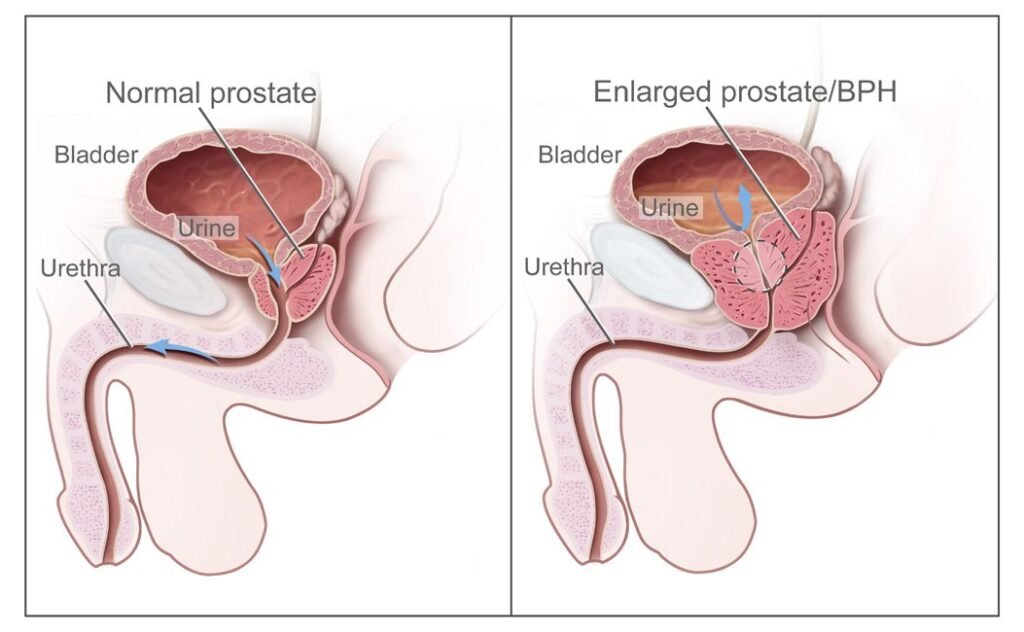
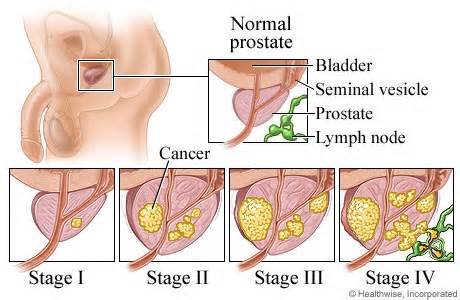
Prostate cancer is a type of cancer that affects the prostate gland, a small walnut-shaped organ situated below the bladder in men. The prostate gland plays a crucial role in producing seminal fluid, which nourishes and transports sperm. When abnormal cells in the prostate gland multiply uncontrollably, it leads to prostate cancer.
Risk factors for prostate cancer
While the exact cause of prostate cancer is still unknown, certain factors can increase your risk of developing this disease. Age is one of the most significant risk factors, with the majority of prostate cancer cases occurring in men aged 65 and older. Family history, ethnicity, and genetic mutations also play a role in prostate cancer risk. African-American men and those with a close relative who has had prostate cancer have an increased likelihood of developing the disease.
Common symptoms of prostate cancer
Prostate cancer often develops slowly, and early-stage prostate cancer may not present any noticeable symptoms. As the disease progresses, you may start experiencing symptoms such as frequent urination, difficulty in initiating and maintaining a steady stream of urine, blood in urine or semen, erectile dysfunction, and discomfort in the pelvic area. It’s important to remember that these symptoms can be caused by other conditions as well, so consulting a healthcare professional for a proper diagnosis is essential.
Maintaining a Healthy Lifestyle
Eating a balanced diet
Proper nutrition plays a crucial role in maintaining overall health, including prostate health. Make sure to include a variety of fruits, vegetables, whole grains, lean proteins, and healthy fats in your diet. Consuming foods rich in antioxidants, such as berries, leafy greens, and nuts, can help protect your cells against damage. Additionally, it’s recommended to limit your intake of saturated fats and cholesterol, as they have been associated with an increased risk of prostate cancer.
Regular exercise
Engaging in regular physical activity is not only beneficial for your cardiovascular health and weight management but also for reducing the risk of prostate cancer. Aim for at least 150 minutes of moderate-intensity aerobic exercise or 75 minutes of vigorous-intensity aerobic exercise each week, along with strength training exercises twice a week. Consider activities like brisk walking, jogging, cycling, swimming, or playing a sport that you enjoy.
Maintaining a healthy weight
Maintaining a healthy weight is an essential component of reducing the risk of various diseases, including prostate cancer. Excess weight, especially around the waistline, has been associated with an increased risk of aggressive prostate cancer. If you are overweight or obese, adopting a balanced diet and regular exercise routine can contribute to achieving and maintaining a healthy weight. This can significantly improve your overall health and potentially reduce the risk of prostate cancer.
Dietary Factors
Consumption of antioxidant-rich foods
Antioxidants are substances that help protect your cells from damage caused by harmful molecules known as free radicals. Including foods rich in antioxidants in your diet can potentially reduce the risk of prostate cancer. Berries, such as blueberries and raspberries, are excellent sources of antioxidants. Other antioxidant-rich foods include dark chocolate, green tea, spinach, kale, and nuts like walnuts and almonds.
Increasing intake of fruits and vegetables
Fruits and vegetables are packed with essential vitamins, minerals, and fiber, making them a cornerstone of a healthy diet. Numerous studies have shown that a higher intake of fruits and vegetables is associated with a lower risk of prostate cancer. Aim to consume a variety of colorful fruits and vegetables, such as tomatoes, broccoli, carrots, and oranges, to ensure you are getting a wide range of nutrients that support prostate health.
Reducing intake of red and processed meats
While lean meats can be part of a healthy diet, excessive consumption of red and processed meats has been linked to an increased risk of prostate cancer. Processed meats, such as hot dogs, bacon, and sausages, contain additives and preservatives that may be harmful to your health. Choose lean cuts of poultry, fish, or plant-based protein sources like beans and legumes as alternatives. If you do consume red meat, opt for lean cuts and limit your portion sizes.
Effective Screening and Early Detection
Understanding the importance of screening
Screening for prostate cancer is crucial for early detection, as it can help identify the disease before symptoms develop. Early-stage prostate cancer is often easier to treat and has a higher chance of successful outcomes. Regular screening can detect abnormalities in the prostate gland, such as elevated levels of prostate-specific antigen (PSA), which may indicate the presence of cancerous cells.
Age-specific screening recommendations
The American Cancer Society recommends that discussions about prostate cancer screening should begin at the age of 50 for most men. However, if you have a higher risk due to factors such as family history or African-American ethnicity, it is recommended to discuss screening options with your healthcare provider starting at the age of 45. For men with a strong family history of prostate cancer, screening may even begin as early as age 40.
Available screening tests
There are two commonly used tests for prostate cancer screening: the PSA blood test and a digital rectal examination (DRE). The PSA test measures the levels of a protein called prostate-specific antigen in your blood. A higher PSA level may indicate the presence of prostate cancer. During a DRE, a healthcare professional will examine the prostate gland by inserting a gloved, lubricated finger into the rectum. If any abnormalities are detected, further diagnostic tests, such as a biopsy, may be recommended.

Environmental Factors and Chemical Exposures
Minimizing exposure to environmental toxins
Exposure to environmental toxins and pollutants can potentially increase the risk of cancer, including prostate cancer. Taking steps to minimize your exposure to these toxins can contribute to maintaining a healthy prostate. Avoid inhaling or coming into contact with harmful chemicals, such as asbestos, certain heavy metals, and contaminated air pollutants. It’s important to be mindful of your surroundings and take necessary precautions, especially in industrial or high-risk environments.
Avoiding exposure to pesticides and herbicides
Some studies suggest a potential link between exposure to certain pesticides and an increased risk of prostate cancer. To reduce exposure, consider using organic products or alternatives to chemically-based pesticides and herbicides in your home and garden. When using potentially harmful substances, follow instructions carefully and wear protective clothing, gloves, and masks to minimize contact.
Preventing exposure to harmful chemicals
Certain chemicals found in everyday products, such as household cleaning products, personal care items, and plastics, may contain harmful substances that can potentially disrupt hormonal balance and increase the risk of prostate cancer. Select products labeled as “green” or “environmentally-friendly” when possible, and choose glass or stainless steel containers instead of plastic containers that may contain harmful chemicals like bisphenol-A (BPA).
Managing Hormonal Levels
Understanding the role of hormones in prostate health
Hormones, particularly testosterone and estrogen, play a crucial role in prostate health. Imbalances in hormonal levels can contribute to the development and progression of prostate cancer. It’s important to maintain a healthy hormonal balance to support overall prostate health. Consult with a healthcare professional to understand the specific hormonal factors related to your prostate health.
Consulting with a healthcare professional about hormone therapy
In certain cases, hormone therapy may be used to manage prostate cancer. This treatment involves lowering the levels of testosterone or blocking its interaction with prostate cells, which can slow down the growth of cancer cells. If you have been diagnosed with prostate cancer or have concerns about your hormone levels, discussing hormone therapy options with a healthcare professional is essential to determine the most appropriate course of action.
Natural ways to balance hormonal levels
In addition to medical interventions, there are natural methods that may help balance hormonal levels and support prostate health. Regular exercise, stress management techniques, and adequate sleep can all contribute to maintaining a healthy hormonal balance. Certain dietary choices, such as consuming foods rich in omega-3 fatty acids (found in fatty fish, flaxseeds, and chia seeds) and zinc (found in oysters, beef, and pumpkin seeds), may also support hormonal health.

Reducing Alcohol Consumption
The link between alcohol and prostate cancer
Studies have suggested a potential association between alcohol consumption and an increased risk of prostate cancer. While the exact mechanisms are not fully understood, it is believed that alcohol may influence hormonal levels and contribute to oxidative stress, both of which can play a role in prostate cancer development. Limiting alcohol intake can help reduce the risk.
Moderate alcohol consumption guidelines
If you choose to consume alcohol, it’s recommended to do so in moderation. According to the National Institute on Alcohol Abuse and Alcoholism, moderate alcohol consumption is defined as up to one drink per day for men. It’s important to be mindful of the size of a standard drink, as it can vary depending on the type of alcohol. One drink typically equates to 1.5 ounces of distilled spirits, 5 ounces of wine, or 12 ounces of beer.
Strategies to reduce alcohol intake
If you find it challenging to limit your alcohol consumption, there are strategies you can employ to gradually reduce your intake. Setting specific goals like having alcohol-free days during the week or alternating alcoholic beverages with non-alcoholic options can help. Additionally, finding alternative activities or hobbies to engage in instead of relying on alcohol as a form of relaxation or socialization can contribute to successfully reducing alcohol consumption.
Quitting Smoking
The association between smoking and prostate cancer
Smoking is not only detrimental to lung health but can also increase the risk of developing various types of cancer, including prostate cancer. The harmful chemicals present in tobacco smoke can potentially damage DNA and result in the growth of cancer cells. Quitting smoking can significantly reduce the risk of prostate cancer and provide numerous other health benefits.
Benefits of quitting smoking
Quitting smoking has immediate and long-term benefits for your health. Within 20 minutes of quitting, your heart rate and blood pressure start to decrease. Within a year, your risk of heart disease is halved compared to that of a current smoker. In terms of prostate cancer, studies have shown that quitting smoking can lower the risk and improve outcomes if you are diagnosed with prostate cancer.
Seeking support to quit smoking
Quitting smoking can be challenging, but you don’t have to do it alone. There are various resources available to provide support and increase your chances of success. Consider reaching out to your healthcare provider, who can offer guidance and recommend smoking cessation programs or medications. Support from friends, family, or support groups can also be valuable during the quitting process.

Maintaining Emotional Well-being
The impact of stress and anxiety on prostate health
Chronic stress and anxiety can have detrimental effects on your overall health, including your prostate health. Prolonged stress can weaken the immune system, disrupt hormonal balance, and impair various bodily functions. While stress alone does not directly cause prostate cancer, it is important to manage stress effectively to support overall well-being.
Practicing stress management techniques
Engaging in stress management techniques can help reduce stress levels and support emotional well-being. Incorporate activities that help you relax and unwind, such as yoga, meditation, deep breathing exercises, or spending time in nature. Social support and maintaining meaningful relationships also play a vital role in managing stress. Find what works best for you and make these practices a regular part of your lifestyle.
Seeking professional help if needed
If you find that stress and anxiety are significantly affecting your daily life or if you are struggling to manage your emotions, it may be beneficial to seek professional help. Mental health professionals, such as psychologists or counselors, can provide guidance, tools, and support to help you navigate the challenges you are facing. Remember that seeking help is a sign of strength, and taking care of your emotional well-being is essential.
Regular Medical Check-ups
Importance of regular check-ups and health screenings
Regular medical check-ups are vital for maintaining your overall health and catching any potential health issues early on. By visiting your primary care physician regularly, you can address any concerns, update your medical history, and undergo necessary health screenings, including those related to prostate health. Early detection and prompt medical intervention can make a significant difference in the outcome of various conditions, including prostate cancer.
Building a relationship with a primary care physician
Having a primary care physician who knows your medical history and understands your health needs is crucial. Regular visits with a primary care physician allow for comprehensive health assessments, preventive care, and timely referrals to specialists if needed. Building a relationship with a healthcare professional who specializes in men’s health or urology can provide you with further guidance and expertise specific to prostate health.
Following recommended medical guidelines
It’s important to follow the recommended medical guidelines for preventive care and health screenings. These guidelines may vary depending on age, personal risk factors, and family history. By staying informed and adhering to the recommended guidelines, you can actively participate in your healthcare and take the necessary steps to prioritize your prostate health. Regular screenings, such as PSA tests and DREs, can help detect any abnormalities early on, improving the chances of successful treatment outcomes if necessary.
In conclusion, understanding prostate cancer and taking proactive measures to maintain a healthy lifestyle can significantly reduce the risk of developing this disease. By adopting a balanced diet, engaging in regular physical activity, minimizing exposure to toxins, managing hormonal levels, and prioritizing emotional well-being, you can contribute to improving your overall prostate health. Remember to seek regular medical check-ups and follow recommended guidelines for screening and early detection. Your proactive efforts can go a long way in safeguarding your prostate health and overall well-being.