
Throat cancer is a serious condition that, if not prevented, can have devastating consequences on your health. But fear not, as in this article, you will discover practical and effective strategies to safeguard yourself against this disease. From adopting a healthy lifestyle to being mindful of certain risk factors, these simple yet powerful recommendations will empower you to take charge of your well-being and reduce the chances of throat cancer interrupting your life. So, let’s take a closer look at the preventive measures that can keep you safe and sound.

Maintain a Healthy Lifestyle
Throat cancer is a serious condition that can significantly impact your quality of life. Fortunately, there are steps you can take to reduce your risk of developing this disease. One of the most important aspects of prevention is maintaining a healthy lifestyle. By adopting healthy habits, you can greatly improve your overall well-being and decrease your chances of developing throat cancer.
Quit Smoking
If you are a smoker, now is the perfect time to quit. Smoking is a well-known risk factor for throat cancer, as the harmful chemicals in tobacco can damage the cells in your throat, leading to the development of cancerous tumors. By quitting smoking, you can significantly reduce your risk of developing throat cancer and improve your overall health. Seek support from friends, family, or even a support group to help you along the way.
Limit Alcohol Consumption
Excessive alcohol consumption is another major risk factor for throat cancer. Alcohol can irritate the cells in your throat, making them more susceptible to developing cancer. If you choose to consume alcohol, it is important to do so in moderation. The recommended limits for alcohol consumption are one drink per day for women and up to two drinks per day for men. By limiting your alcohol intake, you can reduce your risk of throat cancer and maintain a healthier lifestyle.
Avoid Exposure to Secondhand Smoke
Even if you are not a smoker, being exposed to secondhand smoke can still increase your risk of throat cancer. Secondhand smoke contains many of the same harmful chemicals as firsthand smoke, and prolonged exposure can be detrimental to your health. If you find yourself in a situation where you are exposed to secondhand smoke, try to remove yourself from the area or kindly ask the person smoking to do so in a designated smoking area. Protecting yourself from secondhand smoke is an important step in preventing throat cancer.
Eat a Balanced Diet
Maintaining a balanced diet is essential for overall health and can also help reduce your risk of throat cancer. Include a variety of fruits, vegetables, whole grains, and lean proteins in your meals. These foods are rich in vitamins, minerals, and antioxidants that can help strengthen your immune system and protect against cancer. Avoid excessive consumption of processed foods, sugary snacks, and high-fat foods, as they can contribute to weight gain and increase your risk of developing throat cancer.
Exercise Regularly
Regular exercise is not only beneficial for maintaining a healthy weight and keeping your body fit, but it can also reduce your risk of developing throat cancer. Engage in activities that you enjoy, such as walking, swimming, or cycling, for at least 150 minutes per week. Exercise helps boost your immune system, improve circulation, and reduce inflammation, all of which can contribute to a healthier throat. Additionally, it can help manage stress levels, which is essential for maintaining overall well-being.
Practice Safe Sex
In addition to leading a healthy lifestyle, practicing safe sex is crucial for preventing throat cancer, particularly for individuals who engage in oral sex. The following measures can help reduce your risk:
Use Condoms
Using condoms during sexual activity can provide a level of protection against sexually transmitted infections (STIs) that can increase the risk of throat cancer, such as human papillomavirus (HPV). Condoms act as a barrier and help prevent the transmission of STIs.
Get Vaccinated for HPV
The HPV vaccine can protect against certain strains of the virus that are known to cause throat cancer. It is recommended for individuals between the ages of 9 and 45, and in some cases, individuals up to the age of 45 may also benefit from vaccination. Talk to your healthcare provider about the HPV vaccine and its potential benefits for you.
By practicing safe sex and taking appropriate precautions, you can significantly reduce your risk of contracting HPV and lower your chances of developing throat cancer.

Protect Yourself from Environmental Hazards
Throat cancer can also be caused by exposure to various environmental hazards. By taking steps to protect yourself from these hazards, you can minimize your risk:
Avoid Chemical Exposures
Certain chemicals, such as asbestos and formaldehyde, are known to increase the risk of developing throat cancer. If you work in an environment where you are exposed to such chemicals, make sure to follow proper safety protocols and use protective equipment. If you are unsure about the potential hazards at your workplace, consult with your employer or occupational health and safety representative.
Protect Your Voice
If your job involves speaking or using your voice extensively, it is important to take steps to protect it. Overusing or straining your voice can lead to vocal cord damage and increase the risk of developing throat cancer. Stay hydrated, avoid yelling or screaming for extended periods, and practice proper vocal techniques to minimize strain on your vocal cords.
Wear Protective Gear in Hazardous Environments
In certain occupations, such as construction or industrial work, you may be exposed to hazardous environments that can increase your risk of throat cancer. Always wear the appropriate protective gear, such as masks or respirators, to minimize your exposure to harmful substances, dust, and fumes.
By being mindful of potential environmental hazards and taking appropriate precautions, you can protect yourself and reduce your risk of developing throat cancer.
Practice Good Oral Hygiene
Maintaining good oral hygiene is not only important for preventing dental issues but also plays a role in reducing the risk of throat cancer. Follow these guidelines for good oral hygiene:
Brush and Floss Regularly
Brushing your teeth at least twice a day and flossing daily helps remove plaque and bacteria from your mouth, promoting overall oral health. By keeping your mouth clean, you can reduce the chances of bacteria or infections spreading to your throat.
Maintain Regular Dental Check-ups
Regular dental check-ups are essential for identifying and addressing any potential oral health problems early on. Your dentist can examine your mouth and throat for any signs of abnormalities, including precancerous or cancerous lesions. Make sure to schedule regular check-ups and follow any recommendations provided by your dentist.

Be Mindful of GERD
Gastroesophageal reflux disease (GERD) is a condition in which stomach acid flows back into the esophagus, potentially causing damage to the throat. By managing GERD effectively, you can lower your risk of developing throat cancer. Consider the following strategies:
Avoid Trigger Foods
Certain foods, such as spicy or acidic foods, can trigger or worsen GERD symptoms. Identify your trigger foods and limit or avoid them to reduce the likelihood of acid reflux.
Eat Smaller, More Frequent Meals
Eating smaller, more frequent meals can help prevent overeating, which can contribute to acid reflux. Avoid lying down immediately after meals, as this can increase the chances of stomach acid flowing back into your esophagus.
Elevate the Head of Your Bed
Raising the head of your bed by a few inches can help prevent stomach acid from flowing back into your throat while you sleep. This can be achieved by using bed risers or placing a foam wedge under your mattress.
By managing GERD effectively, you can minimize the risk of throat irritation and the potential development of throat cancer.
Stay Hydrated
Maintaining proper hydration is essential for overall health and can help reduce your risk of developing throat cancer. Consider the following tips to stay hydrated:
Drink Plenty of Water
Water is the best choice for staying properly hydrated. Aim to drink at least eight glasses of water per day, or more if you are physically active or in a hot climate. Staying hydrated helps keep your throat moist and healthy, reducing the risk of irritation or damage.
Limit or Avoid Alcohol and Caffeine
Alcoholic and caffeinated beverages can contribute to dehydration and increase the risk of developing throat cancer. Limit your intake of these beverages and opt for water or herbal teas instead.
By staying hydrated, you can support overall throat health and decrease the risk of throat cancer.
Stay Protected from Radiation
Excessive exposure to ultraviolet (UV) radiation, either from the sun or artificial sources like tanning beds, can increase the risk of throat cancer. Protect yourself from UV radiation by following these guidelines:
Limit Exposure to Ultraviolet (UV) Radiation
When spending time outdoors, especially during peak sunlight hours, make sure to protect your skin and throat by seeking shade, wearing protective clothing, and applying sunscreen with a high SPF. Avoid using tanning beds altogether, as they emit harmful UV radiation.
By taking precautions to limit your exposure to UV radiation, you can significantly reduce your risk of developing throat cancer.
Be Aware of Occupational Hazards
Depending on your occupation, you may be exposed to specific hazards that can increase your risk of throat cancer. Take the following measures to protect your throat at work:
Take Measures to Protect Your Throat at Work
If your job involves exposure to airborne irritants, chemicals, or fumes, make sure to follow safety regulations and wear the appropriate protective gear recommended by your employer. This may include masks, respirators, or other protective clothing.
By being aware of the occupational hazards present in your workplace and taking necessary precautions, you can protect your throat and lower your risk of developing throat cancer.

Get Regular Medical Check-ups
Regular medical check-ups are crucial for maintaining your overall health and allowing healthcare professionals to identify any potential issues early on. When it comes to throat cancer prevention, seeking regular throat examinations is particularly important. Follow these guidelines:
Seek Regular Throat Examinations
Make it a priority to schedule regular appointments with your healthcare provider to have your throat examined. During these examinations, your healthcare provider can check for any abnormalities or signs of throat cancer. Early detection of any potential issues is key for successful treatment.
By ensuring regular medical check-ups and throat examinations, you can stay proactive in protecting your throat health.
Educate Yourself and Raise Awareness
To further protect yourself and others, it is essential to educate yourself about throat cancer risk factors and symptoms. The more knowledge you have, the better equipped you will be to take action and encourage others to do the same. Consider the following tips:
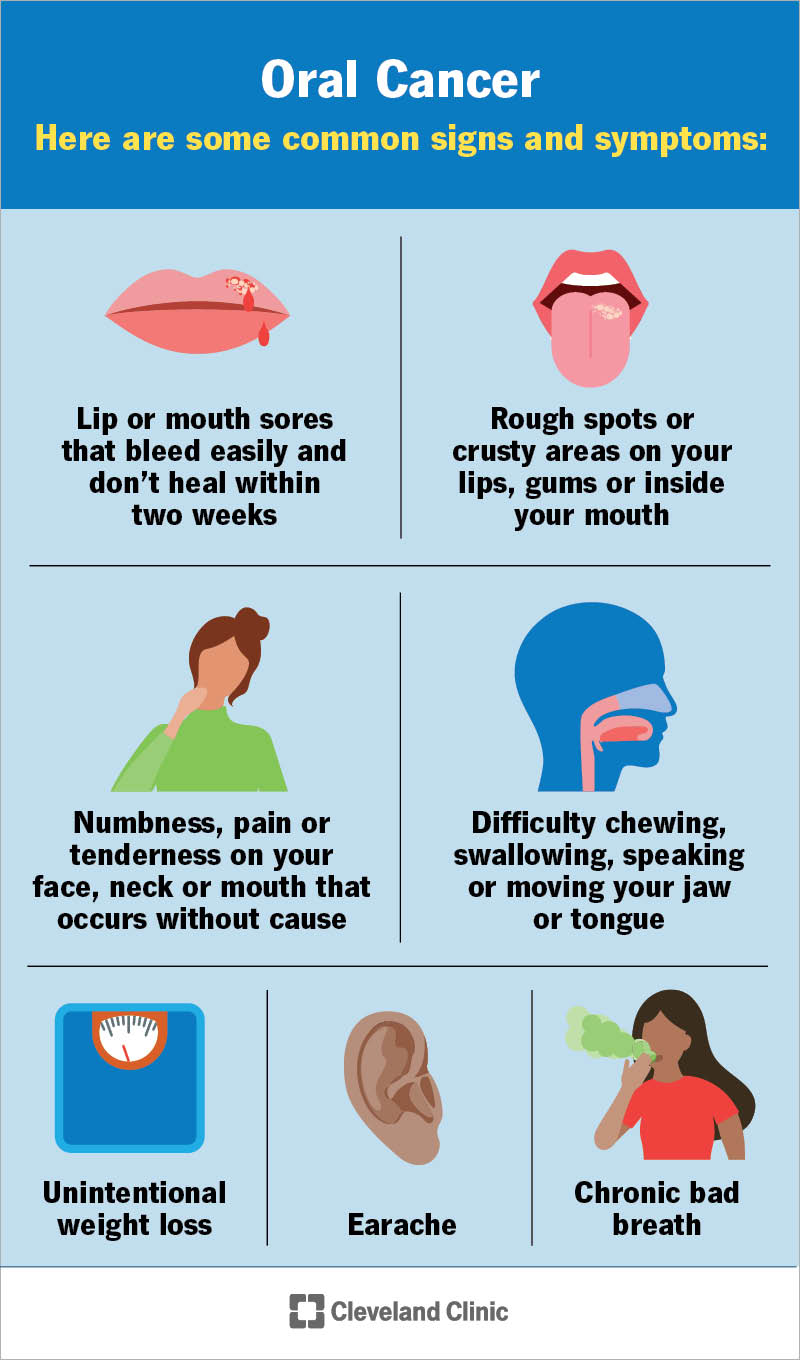
Learn about Throat Cancer Risk Factors and Symptoms
Thoroughly research the risk factors and symptoms associated with throat cancer. Being aware of these factors can help you make informed decisions about your lifestyle and seek medical attention promptly if any symptoms arise.
Promote Throat Cancer Awareness
Spread the word about throat cancer prevention and early detection by sharing your knowledge with friends, family, and colleagues. Encourage others to adopt healthy habits, seek regular medical check-ups, and protect themselves from environmental hazards. Together, we can raise awareness and reduce the prevalence of throat cancer in our communities.
In conclusion, taking preventive measures to reduce your risk of developing throat cancer is crucial. By maintaining a healthy lifestyle, practicing safe sex, protecting yourself from environmental hazards, practicing good oral hygiene, managing GERD, staying hydrated, avoiding excessive radiation exposure, being aware of occupational hazards, getting regular medical check-ups, and educating yourself and others, you can greatly decrease your chances of experiencing this devastating disease. Your health is in your hands, so take charge and prioritize your well-being.