
Are you feeling under the weather and curious about what might be causing it? Look no further than this article on “Enterovirus: Symptoms, Diagnosis, and Treatment.” From a runny nose to body aches, this virus can bring on a range of symptoms. But fret not, as we’ll also explore the diagnostic methods and treatments available to help you feel better in no time. So, sit back, relax, and let’s uncover all there is to know about Enterovirus.

Symptoms
Early Symptoms
When it comes to enterovirus infections, early symptoms can be quite general and may resemble those of the common cold or flu. You might initially experience a runny nose, sneezing, and a mild sore throat. Additionally, you might also feel fatigued, have a low-grade fever, and experience muscle aches.
Respiratory Symptoms
Enterovirus infections can also present with respiratory symptoms. If you have been infected, you may develop a cough and experience difficulty breathing. Wheezing and congestion in the chest may also be present. These respiratory symptoms can range from mild to severe.
Gastrointestinal Symptoms
Gastrointestinal symptoms are common in enterovirus infections. You may experience nausea, vomiting, and diarrhea. Abdominal pain and cramping are also possible. These symptoms can sometimes be mistaken for a stomach bug or food poisoning.
Rash and Skin Symptoms
Some enteroviruses can cause rashes and skin symptoms. You might notice a rash appearing on your skin, which can vary in appearance. The rash can be flat or raised, and may even have a blistery appearance. It can appear on different parts of your body and may be accompanied by redness and itching.
Neurological Symptoms
In some cases, enterovirus infections can affect the nervous system and lead to neurological symptoms. These symptoms may include headache, neck stiffness, and sensitivity to light. You might also experience muscle weakness or paralysis in specific areas of your body. It is important to seek medical attention immediately if you experience any neurological symptoms.
Diagnosis
Clinical Evaluation
To diagnose an enterovirus infection, your doctor will start with a clinical evaluation. They will ask about your symptoms, medical history, and any recent exposure to infectious individuals. During the evaluation, your doctor might perform a physical examination to assess your condition and look for any specific signs related to enterovirus infections.
Laboratory Testing
Laboratory testing is recommended to confirm an enterovirus infection. Various tests can be performed, including throat swabs, blood tests, and stool samples. These tests allow healthcare professionals to identify the specific enterovirus strain causing the infection and rule out other potential causes of your symptoms.

Treatment
Supportive Care
When it comes to enterovirus infections, supportive care plays a crucial role in treatment. This involves managing the symptoms to help you feel more comfortable while your body fights off the virus. Rest, staying hydrated, and taking over-the-counter pain relievers can help alleviate symptoms such as fever, headache, and muscle pain.
Antiviral Medication
In severe cases of enterovirus infections, antiviral medication may be prescribed. These medications can help fight against the virus, reduce the severity of symptoms, and speed up recovery. However, it’s important to note that antiviral medications are not typically required for mild cases of enterovirus infections.
Preventive Measures
Prevention is always a key aspect of managing enterovirus infections. By following certain preventive measures, you can reduce your risk of contracting and spreading the virus. These measures include practicing good hand hygiene, getting vaccinated (if available), and avoiding contamination by disinfecting surfaces and frequently touched objects.
Prevention
Hand Hygiene
Practicing good hand hygiene is crucial in preventing enterovirus infections. Make sure to wash your hands frequently with soap and water for at least 20 seconds. If soap and water are not available, use an alcohol-based hand sanitizer that contains at least 60% alcohol. Avoid touching your face, especially your eyes, nose, and mouth, as this can help prevent the virus from entering your body.
Vaccination
While there is currently no specific vaccine against enterovirus infections, staying up to date with routine vaccinations can help strengthen your immune system and reduce your risk of complications. Talk to your healthcare provider about the recommended vaccinations for you and your family, which can protect against other viral infections and help maintain overall health.
Avoiding Contamination
Enteroviruses can be easily transmitted through contact with contaminated surfaces and objects. To minimize your risk, it is important to avoid close contact with individuals who are sick. Clean and disinfect frequently touched surfaces, such as doorknobs, phones, and countertops, regularly. If you are sick, make sure to cover your mouth and nose with a tissue or your elbow when coughing or sneezing to prevent the spread of the virus.

Risk Factors
Age
Enterovirus infections can affect individuals of all ages, but certain age groups might be at a higher risk of complications. Infants and young children, particularly those under the age of 5, are more susceptible to severe symptoms and complications due to their developing immune systems. Older adults and individuals with underlying health conditions should also take extra precautions.
Season
Enterovirus infections are most common during the summer and fall seasons, although they can occur year-round. Warmer weather tends to create an environment where the virus can thrive and spread more easily. Being aware of the seasonal patterns can help you take the necessary preventive measures to protect yourself and your loved ones.
Crowded Places
Crowded places, such as schools, daycare centers, and nursing homes, can increase the risk of enterovirus transmission. Close contact and shared spaces make it easier for the virus to spread from person to person. Take precautions when in crowded places, such as practicing good hand hygiene and avoiding contact with individuals who appear sick.
Weakened Immune System
Individuals with weakened immune systems are at a higher risk of severe enterovirus infections and complications. This includes individuals with certain medical conditions, such as HIV/AIDS, cancer, or autoimmune diseases, as well as those who are undergoing treatments that suppress the immune system. It is important for individuals with weakened immune systems to take extra precautions and seek medical attention promptly if symptoms develop.
Complications
Meningitis
Meningitis, inflammation of the membranes surrounding the brain and spinal cord, is a potential complication of enterovirus infections. Symptoms of meningitis can include severe headaches, neck stiffness, sensitivity to light, and fever. Prompt medical attention is crucial if meningitis is suspected, as it can be a serious condition requiring immediate treatment.
Encephalitis
Encephalitis, inflammation of the brain, is another possible complication of enterovirus infections. It can lead to neurological symptoms such as confusion, seizures, and even coma. Like meningitis, encephalitis requires urgent medical evaluation and treatment.
Myocarditis
Enterovirus infections can also lead to myocarditis, inflammation of the heart muscle. Symptoms may include chest pain, shortness of breath, and abnormal heart rhythms. It is important to seek immediate medical attention if you experience any heart-related symptoms.
Pericarditis
Pericarditis, inflammation of the lining around the heart, is a less common but potential complication of enterovirus infections. Symptoms may include chest pain, especially upon breathing or lying down, and a dry cough. Medical evaluation is necessary to diagnose and treat pericarditis effectively.
Enterovirus D68
Overview
Enterovirus D68 (EV-D68) is a specific strain of enterovirus that has gained attention in recent years due to its potential to cause severe respiratory illness, especially in children. It is primarily transmitted through respiratory droplets and can cause outbreaks during the late summer and fall seasons.
Symptoms
The symptoms of EV-D68 infection are similar to other enterovirus infections but may be more severe, particularly affecting the respiratory system. Children with EV-D68 may experience wheezing, difficulty breathing, and rapid breathing. Some may develop a severe cough and have decreased energy levels. It is essential to monitor symptoms closely, especially in children, to seek appropriate medical care if necessary.
Treatment
Treatment for EV-D68 infection mainly focuses on providing supportive care to alleviate symptoms and manage complications. This includes rest, maintaining hydration, and using over-the-counter fever reducers or pain relievers under the guidance of a healthcare professional. In severe cases, hospitalization may be required for close monitoring and additional respiratory support.
Enterovirus A71
Overview
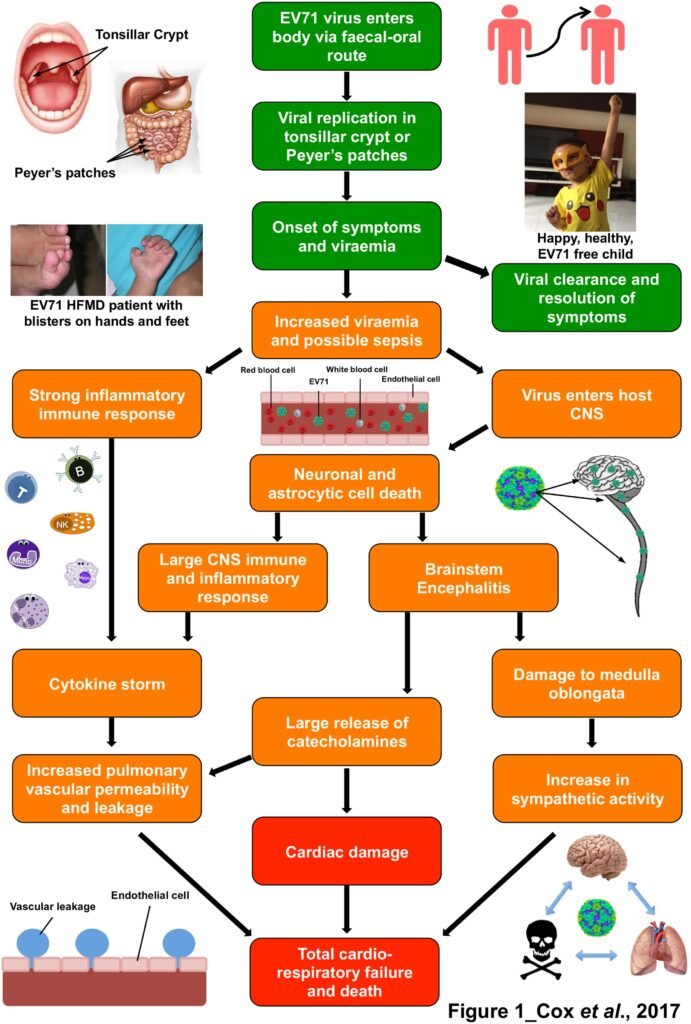
Enterovirus A71 (EV-A71) is another strain of enterovirus that can cause outbreaks, particularly in Asia. It primarily affects young children and can cause hand, foot, and mouth disease (HFMD), as well as more severe neurological complications.
Symptoms
The initial symptoms of EV-A71 infection are similar to other enteroviruses and may include fever, sore throat, and a rash. However, EV-A71 can progress to more severe symptoms, such as painful sores in the mouth, rash on the hands and feet, and possible neurological complications. These complications can include meningitis, encephalitis, and paralysis.
Treatment
Treatment for EV-A71 infection is primarily supportive, focusing on managing symptoms and providing comfort for the affected individuals. Over-the-counter fever reducers and pain relievers may be used under medical guidance. Severe cases and complications, particularly neurological symptoms, require prompt medical attention and may necessitate hospitalization for close monitoring and specialized care.
Enterovirus Infections and Pregnancy
Effects on Pregnancy
Enterovirus infections during pregnancy can potentially pose risks to both the mother and the unborn baby. While mild cases may present with flu-like symptoms, severe infections can lead to complications such as premature birth, low birth weight, and even fetal or neonatal death. Pregnant individuals should take extra precautions to prevent enterovirus infections and promptly seek medical care if symptoms arise.
Prevention and Treatment
Prevention is crucial in protecting both pregnant individuals and the developing fetus from enterovirus infections. Following proper hand hygiene, minimizing exposure to crowded places, and avoiding contact with infected individuals are essential preventive measures. If you are pregnant and suspect an enterovirus infection, it is important to seek medical attention for proper diagnosis and management.
Enterovirus Outbreaks
Recent Outbreaks
Enterovirus outbreaks occur periodically, with various strains causing widespread infections. In recent years, there have been reports of outbreaks caused by enterovirus D68 (EV-D68) and enterovirus A71 (EV-A71). These outbreaks have primarily affected young children and have resulted in an increased number of respiratory and neurological complications.
Preventing Outbreaks
Preventing enterovirus outbreaks relies on a combination of individual and community efforts. Practicing good hand hygiene, encouraging vaccination against other viral infections, and maintaining a clean environment can help reduce the transmission of enteroviruses. In addition, timely reporting, surveillance, and appropriate public health measures can aid in identifying and containing outbreaks efficiently.
Overall, understanding the symptoms, diagnosis, and treatment of enterovirus infections is crucial in managing and preventing the spread of these potentially serious viral infections. By staying informed and following the necessary preventive measures, you can help protect yourself and those around you from enterovirus-related complications. If you suspect an enterovirus infection, be sure to seek medical attention for proper diagnosis and appropriate care.