
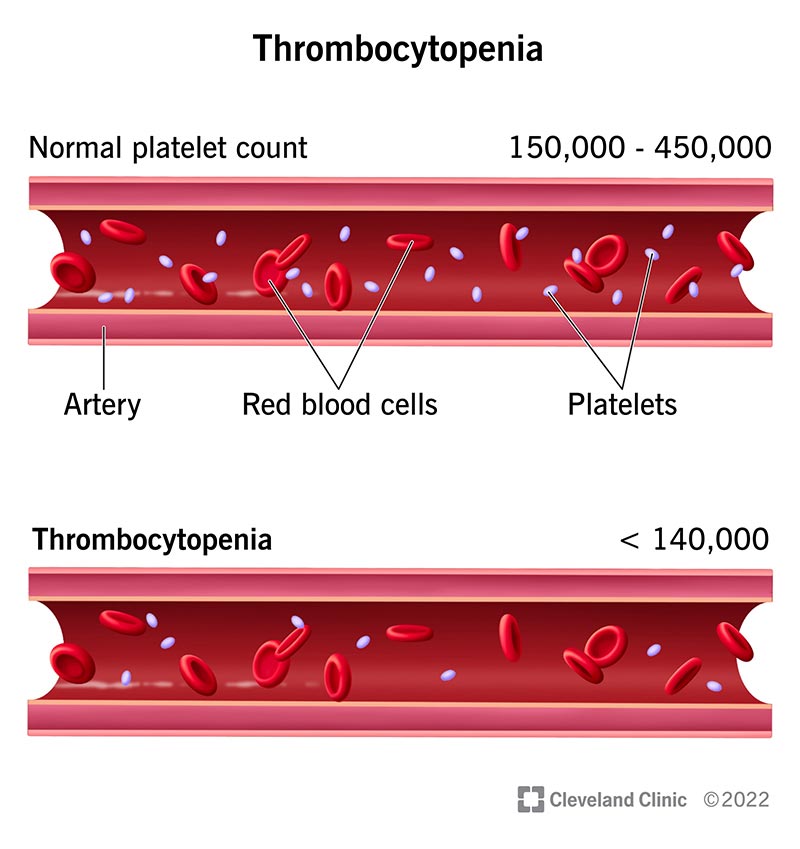
Are you worried about low blood platelet levels? Thrombocytopenia, a condition characterized by a decrease in the number of blood platelets, can lead to excessive bleeding and other health complications. Fortunately, there are simple steps you can take to prevent this condition. From maintaining a healthy diet to adopting certain lifestyle changes, this article will provide you with valuable tips on how to keep your blood platelet levels in check. With these preventative measures, you can ensure a healthier and more robust immune system.

Maintain a Healthy Lifestyle
Maintaining a healthy lifestyle is essential for overall well-being. One of the key factors in staying healthy is to monitor your diet. A balanced diet consisting of fruits, vegetables, whole grains, lean proteins, and low-fat dairy products provides your body with essential nutrients. It is important to avoid excessive intake of processed foods, sugary snacks, and beverages that can lead to weight gain and other health issues. By paying attention to what you eat and making healthier food choices, you can promote a healthy weight and lower your risk of developing various health conditions.
In addition to a healthy diet, regular exercise is crucial for maintaining optimal health. Physical activity helps to strengthen your immune system, improve cardiovascular health, and boost your mood. Engaging in exercises such as walking, jogging, swimming, cycling, or participating in fitness classes not only helps to maintain a healthy weight but also reduces the risk of chronic diseases such as heart disease, diabetes, and certain types of cancer. Set aside some time each day to engage in physical activity, whether it be a brisk walk during your lunch break or a workout session at the gym. Remember to choose activities that you enjoy to make it easier to stick to your exercise routine.
It is well-known that smoking and excessive alcohol consumption are detrimental to one’s health. Smoking harms nearly every organ in your body and increases the risk of various health problems, including thrombocytopenia, which is characterized by low blood platelet levels. Quitting smoking can significantly improve your overall health and reduce your risk of developing many diseases, including thrombocytopenia. Similarly, excessive alcohol consumption can lead to liver damage and affect the production and function of platelets. By avoiding smoking and limiting alcohol intake, you can safeguard your health and decrease the likelihood of developing thrombocytopenia.
Practice Good Hygiene
Practicing good hygiene is essential in preventing the spread of infectious diseases and maintaining your overall health. One of the simplest yet most effective ways to prevent the transmission of germs is to wash your hands frequently. Washing your hands with soap and water for at least 20 seconds helps to eliminate harmful bacteria, viruses, and other pathogens that can cause illnesses. Make it a habit to wash your hands before meals, after using the restroom, after being in public places, and whenever they appear dirty. If soap and water are not readily available, you can use an alcohol-based hand sanitizer instead.
In addition to proper hand hygiene, it is crucial to avoid close contact with sick individuals to minimize exposure to contagious illnesses. If someone in your household or workplace is ill, try to maintain a safe distance and encourage them to practice good hygiene habits. Viral illnesses like the flu or common cold can spread easily through close contact, so it is important to take precautions to protect yourself and prevent the transmission of these infections.
Maintaining a clean environment is another important aspect of practicing good hygiene. Regularly disinfect frequently-touched surfaces such as doorknobs, light switches, countertops, and electronic devices. Clean and sanitize commonly used items, such as towels, bedding, and kitchen utensils, to prevent the spread of bacteria or viruses. By maintaining a clean living and working environment, you can reduce the risk of infections and promote a healthier lifestyle.
Protect Yourself from Infections
Infections can pose a significant threat to your health, but there are several measures you can take to protect yourself. Vaccinations play a crucial role in preventing the spread of infectious diseases. Stay up to date with your immunizations, including routine vaccinations as well as those recommended for specific travel destinations or at certain stages of life. Vaccines help to stimulate your immune system and provide protection against various viruses and bacteria that can cause serious illnesses. By getting vaccinated, you not only protect yourself but also contribute to the overall health and well-being of your community.
When traveling, it is important to take necessary precautions to avoid infections. Research your destination beforehand to understand the potential health risks, such as mosquito-borne illnesses or food and waterborne diseases. Take appropriate preventive measures, such as getting vaccinated or taking prophylactic medications if necessary. Carry hand sanitizers, disinfectant wipes, and practice good hygiene habits, especially in crowded places or areas with poor sanitation. By being proactive and informed about potential health risks during travel, you can minimize the chances of acquiring infections and enjoy a safe journey.
Exposure to pollutants and toxins can have a detrimental effect on your health and increase the risk of developing various conditions, including thrombocytopenia. Be mindful of your environment and take steps to minimize exposure to pollutants. If you live in an area with poor air quality, consider using air purifiers or masks to filter out harmful particles. Limit your exposure to harmful chemicals, such as pesticides or cleaning products, and opt for eco-friendly alternatives whenever possible. By reducing your exposure to pollutants and toxins, you can protect your health and lower the risk of developing thrombocytopenia and other related conditions.
Manage Medications and Treatments
If you have been prescribed medications, it is important to follow the instructions provided by your healthcare provider and take them as directed. Take the prescribed medications at the recommended dosage and frequency to ensure their effectiveness. Skipping doses or altering the dosage without medical advice can compromise the intended benefits of the treatment. If you have any concerns or questions regarding your medications, do not hesitate to discuss them with your doctor or pharmacist.
Some medications may have potential side effects that can impact your health, including thrombocytopenia. It is essential to be aware of these potential side effects and discuss them with your healthcare provider. They can provide valuable information and guidance on how to manage or mitigate these side effects. If you experience any new or concerning symptoms while on medication, notify your doctor immediately. Proper communication with your healthcare provider is crucial in managing your medications effectively and minimizing the risk of potential complications.
For individuals taking blood thinners or aspirin, it is important to exercise caution. These medications are commonly prescribed to prevent blood clots, but they can also increase the risk of bleeding, including thrombocytopenia. Follow your doctor’s instructions closely, and inform them of any unusual bleeding or bruising that you may experience. It is essential to strike a balance between the benefits of these medications in preventing clotting and their potential risks of excessive bleeding. Regular check-ups and monitoring of your platelet levels can help ensure that your medication regimen is appropriate and safe for your specific condition.

Be Mindful of Nutritional Deficiencies
Nutrition plays a vital role in maintaining good health, and certain deficiencies can increase the risk of developing thrombocytopenia. Ensure that your diet is well-balanced and includes a variety of nutrient-rich foods. Fruits, vegetables, whole grains, lean proteins, and low-fat dairy products are excellent sources of essential vitamins and minerals that support optimal health. Aim to incorporate a rainbow of colorful fruits and vegetables into your meals, as they contain antioxidants and other beneficial compounds. By consuming a wide range of nutrients from various food groups, you reduce the likelihood of nutritional deficiencies that could potentially contribute to thrombocytopenia.
Vitamin K is essential for blood clotting, and low levels of this vitamin can lead to clotting problems, including thrombocytopenia. Include foods rich in vitamin K in your diet, such as leafy green vegetables, broccoli, kale, and Brussels sprouts. These foods not only provide ample amounts of vitamin K but also offer other health benefits. By incorporating vitamin K-rich foods into your diet, you can help maintain healthy platelet levels and support proper blood clotting.
Iron deficiency can also contribute to thrombocytopenia. Iron is necessary for the production of healthy red blood cells, and low levels can lead to anemia and decreased platelet counts. Monitor your iron levels and consider supplementation if advised by your healthcare provider. Iron-rich foods, such as lean meats, poultry, seafood, beans, and spinach, can help boost your iron levels naturally. By ensuring an adequate iron intake, you can support healthy blood cell production and reduce the risk of thrombocytopenia related to iron deficiency.
Avoid Trauma and Injury
Accidents and injuries can significantly impact your health and well-being. It is important to follow safety guidelines and take necessary precautions to minimize the risk of trauma. Whether at home, work, or engaging in physical activities, familiarize yourself with safety protocols and adhere to them. Use seat belts in vehicles, wear protective gear when participating in sports or recreational activities, and minimize risks by maintaining a clutter-free environment at home. By prioritizing safety and being cautious, you can significantly reduce the chances of sustaining injuries that can lead to complications, including thrombocytopenia.
When participating in physical activities, especially those with a high risk of injury, it is essential to use appropriate protective gear. For activities such as cycling, skiing, or contact sports, wearing helmets, pads, or other recommended protective equipment can provide an extra layer of safety. These measures help to minimize the impact of potential accidents and reduce the likelihood of sustaining injuries that could affect your platelet count and overall health.

Manage Underlying Medical Conditions
If you have underlying medical conditions such as diabetes, autoimmune disorders, or viral infections, proper management is crucial to prevent complications, including thrombocytopenia. For individuals with diabetes, it is important to control blood sugar levels through proper diet, regular exercise, and medication as prescribed by your healthcare team. Uncontrolled diabetes can lead to various health issues, including complications affecting the blood, such as thrombocytopenia.
Autoimmune disorders can also increase the risk of thrombocytopenia. If you have an autoimmune condition, work closely with your healthcare provider to manage your symptoms and prevent flare-ups. Adherence to prescribed medications, regular check-ups, and necessary lifestyle adjustments are key elements in managing autoimmune disorders and minimizing the risk of complications, including thrombocytopenia.
Viral infections can have a profound impact on platelet levels and overall health. Follow the recommended guidelines for managing viral infections, including proper rest, hydration, and adherence to medications if prescribed. In some cases, antiviral medications may be necessary to treat the underlying infection and alleviate associated symptoms. By staying vigilant and promptly addressing viral infections, you can prevent complications and maintain healthy platelet levels.
Be Aware of Genetic Factors
If you have concerns about genetic factors that may impact your health, it is worth considering consulting a genetic counselor. Genetic counselors are professionals trained to analyze your family history, assess your risk factors, and provide personalized guidance based on your genetic predisposition. They can help you better understand the potential implications of genetic factors on your health and provide recommendations for lifestyle modifications, screenings, or further genetic testing if necessary. With their expertise, you can make informed decisions and take appropriate precautions based on your individual genetic risk profile.
Genetic testing may be recommended in certain situations to gain further insight into your potential genetic predisposition to specific conditions, including thrombocytopenia. The results of genetic testing can provide important information about your health risks, allowing you to take proactive measures to prevent or manage any associated conditions. If recommended by a healthcare professional, consider undergoing genetic testing to gain a deeper understanding of your genetic makeup and make informed decisions regarding your health.
Based on your genetic predisposition and any identified risks, taking necessary precautions becomes crucial in minimizing the likelihood of thrombocytopenia or associated complications. Follow the advice of your healthcare provider, adhere to recommended screenings, and prioritize healthy lifestyle habits that can help offset genetic risks. Knowledge is power, and by being aware of genetic factors, you can take proactive steps towards maintaining your health and well-being.

Stay Attentive to Pregnancy Risks
If you are pregnant or planning to become pregnant, it is important to be aware of potential risks and take steps to protect yourself and your baby’s health. Attending regular prenatal care appointments is vital in monitoring your health and the well-being of your baby. Regular check-ups allow healthcare providers to address any concerns, provide guidance, and ensure that you and your baby are progressing well throughout the pregnancy.
Openly discussing any concerns or questions with your healthcare provider is essential during pregnancy. They are there to support you and provide information and resources to address any pregnancy-related issues or complications. By actively participating in your healthcare and being an advocate for yourself and your baby, you can ensure that you receive the necessary care and support needed for a healthy pregnancy.
Avoiding substances harmful to pregnancy, such as tobacco, alcohol, and illicit drugs, is crucial for the well-being of both you and your baby. These substances can significantly increase the risk of complications, including thrombocytopenia, and have long-lasting effects. It is important to prioritize your health and make choices that promote a healthy pregnancy and a safe delivery. Quitting smoking, avoiding alcohol, and staying away from illicit drugs are essential steps in protecting yourself and your baby from potential harm.
Seek Immediate Medical Attention
Thrombocytopenia, characterized by low blood platelet levels, can have serious health implications. It is important to recognize the symptoms, seek immediate medical attention, and follow medical advice and treatment plans. Symptoms of thrombocytopenia may include easy bruising, prolonged bleeding from cuts, nosebleeds, petechiae (small red or purple spots on the skin), or excessive bleeding during menstruation.
If you experience any of these symptoms or suspect you may have thrombocytopenia, it is vital not to delay seeking medical help. Your healthcare provider can evaluate your symptoms, conduct appropriate diagnostic tests, and develop a treatment plan tailored to your specific condition. Follow their advice closely in terms of lifestyle modifications, medication, or other necessary interventions to manage thrombocytopenia effectively.
Furthermore, understanding the importance of regular follow-up appointments and maintaining open communication with your healthcare provider is crucial in managing thrombocytopenia. Regular check-ups allow healthcare professionals to monitor your platelet levels, assess the effectiveness of the treatment plan, and make any necessary adjustments. Adhering to medical advice and treatment plans ensures that you receive the best care and support for managing thrombocytopenia.
In conclusion, maintaining a healthy lifestyle, practicing good hygiene, protecting yourself from infections, managing medications and treatments, being mindful of nutritional deficiencies, avoiding trauma and injury, managing underlying medical conditions, being aware of genetic factors, staying attentive to pregnancy risks, and seeking immediate medical attention are key factors in preventing thrombocytopenia and promoting optimal health. By incorporating these guidelines into your everyday life, you can take proactive steps towards safeguarding your well-being and reducing the risk of complications associated with thrombocytopenia. Remember, your health is in your hands, and making positive choices today will benefit you in the long run.