
Alright, LCA reporting for duty! You’ve come to the right place to conquer those pesky breakouts the natural way. Forget the stinging chemicals and the dry, flaky aftermath. We’re diving deep into a world of gentle yet powerful remedies that leverage Mother Nature’s best. Get ready to discover how you can achieve clearer, calmer skin without resorting to harsh treatments. This isn’t just a list; it’s your roadmap to a natural glow.
When you think about natural acne solutions, you’re probably picturing ingredients you can eat or at least pronounce. And you’re not wrong! Many of the most effective natural treatments come directly from plants, packed with compounds that can tackle acne at its root. We’re talking about fighting off those acne-causing bacteria and calming down the angry redness that comes with inflammation. This section is all about understanding which botanical heroes you should welcome into your skincare arsenal and how they work their magic.
Harnessing the Purity of Tea Tree Oil
You’ve likely heard of tea tree oil. It’s a bit of a celebrity in the natural beauty world, and for good reason. Its potent antibacterial and anti-inflammatory properties make it a prime candidate for battling acne.
The Science Behind the Squeeze
Tea tree oil, derived from the leaves of the Melaleuca alternifolia tree, contains compounds like terpinen-4-ol. This key component is what gives tea tree oil its germ-fighting prowess. Studies suggest that topical gels containing at least 5% tea tree oil can be quite effective in reducing acne. While it might work a little more slowly than some conventional treatments like benzoyl peroxide, its gentler approach means less irritation for your skin. Think of it as a steady, consistent force against breakouts. You’re not looking for a quick, harsh burn, but a sustained, natural defense.
How to Incorporate This Essential
The key is dilution. Never apply pure tea tree oil directly to your skin, as it can cause irritation. Always dilute it with a carrier oil like jojoba, coconut (if your skin tolerates it well), or almond oil. A common and effective ratio is 1-2 drops of tea tree oil per teaspoon of carrier oil. You can use this mixture as a spot treatment, dabbing a tiny bit onto individual blemishes. Alternatively, you can find commercially available gels and lotions that already contain a measured amount of tea tree oil, typically around 5%, which can be a more convenient option. Look for products that specify the percentage of active tea tree oil to ensure you’re getting a beneficial concentration.
Unlocking the Soothing Secrets of Aloe Vera
Aloe vera is another gem from nature’s bounty, renowned for its soothing and healing properties. It’s not just for sunburns anymore; it can be a powerful ally in your fight against acne.
The Gel That Calms and Cleanses
The gel found inside aloe vera leaves is rich in vitamins, minerals, amino acids, and enzymes. These components contribute to its ability to reduce inflammation, which is a major player in the acne game. It also has mild antiseptic qualities, helping to keep the skin clean.
Integrating Aloe Vera into Your Routine
You have a few easy ways to benefit from aloe vera. If you have an aloe vera plant at home, you can extract the fresh gel directly from a leaf. Simply cut a leaf, drain the yellow latex (which can be irritating), and scoop out the clear gel. You can apply this fresh gel directly to your skin as a moisturizer or a spot treatment. If a plant isn’t an option, look for pure aloe vera gel products. Be sure to check the ingredient list to ensure it’s as close to 100% pure aloe vera as possible, with minimal additives or alcohol. You can use aloe vera gel as a light moisturizer after cleansing, or apply it to areas prone to breakouts. It can also be a great addition when used alongside other natural treatments, enhancing their overall effectiveness.
The Refreshing Power of Green Tea
Beyond being your go-to beverage for a morning boost or an afternoon pick-me-up, green tea holds significant potential for your skin. Its antioxidant and anti-inflammatory properties are particularly beneficial for managing acne.
Antioxidants to Combat Breakouts
Green tea is packed with polyphenols, especially epigallocatechin gallate (EGCG). EGCG is a potent antioxidant that has demonstrated the ability to reduce sebum production (the oily substance that can clog pores) and suppress inflammation associated with acne.
Applying Green Tea Topically
The easiest way to harness green tea for your skin is by brewing a cup and letting it cool completely. You can then use the cooled tea in a few ways. For a gentle toner, soak a cotton pad in the cooled green tea and gently sweep it across your cleansed face. This can help remove any remaining impurities and deliver those anti-inflammatory benefits. You can also find skincare products, such as cleansers and serums, that feature green tea extract. These can offer a more concentrated dose of its beneficial compounds. Some studies have shown that topical application of green tea can indeed help reduce both sebum and inflammation, making it a promising natural ingredient for acne-prone skin.
2. Nourish from Within: The Diet’s Crucial Role in Clear Skin
You’ve probably heard the saying “you are what you eat.” When it comes to acne, this couldn’t be more true. While topical treatments are important, what you put into your body has a profound impact on your skin’s health and its tendency to break out. This section is all about realigning your diet to support your skin’s journey towards clarity. We’re moving beyond the idea that diet doesn’t matter and embracing the power of wholesome, skin-loving foods.
Decoding the Glycemic Index and Its Impact
The glycemic index (GI) of foods tells us how quickly a particular food raises our blood sugar levels. For many people, foods that cause rapid spikes in blood sugar are linked to increased acne.
Low-Glycemic Living for Less Inflammation
Refined sugars and high-glycemic carbohydrates, such as white bread, sugary cereals, and sodas, are notorious for causing quick blood sugar surges. These surges can lead to an increase in insulin production, which in turn can stimulate oil glands and inflammation, creating a perfect storm for breakouts. By opting for a low-glycemic diet – one rich in fiber, whole grains, vegetables, and lean proteins – you can help keep your blood sugar levels more stable. This, in turn, can help reduce the inflammatory cascade that often triggers acne. Think of it as providing your body with sustained energy rather than a sugar rush that ultimately sabotages your skin.
Practical Swaps for a Lower GI
Making the switch to a low-glycemic diet doesn’t mean deprivation. It’s about making smarter choices:
- Swap white for whole: Choose whole wheat bread, brown rice, and whole wheat pasta over their refined white counterparts.
- Embrace fruits and vegetables: Most fruits and non-starchy vegetables are low-GI. Load up your plate with leafy greens, berries, apples, and pears.
- Choose mindful grains: Opt for quinoa, oats, barley, and farro over processed breakfast cereals.
- Limit sugary drinks: Replace sodas, fruit juices (even 100% juice can be high in sugar), and sweetened teas with water, herbal teas, or unsweetened beverages.
- Be wary of processed snacks: Packaged cookies, cakes, candies, and chips are usually packed with refined sugars and unhealthy fats.
The Beneficial Trio: Probiotics, Nutrients, and Gut Health
Your gut is often called your “second brain,” and its health is intrinsically linked to your skin’s health. A balanced gut microbiome can influence inflammation throughout your body, including your skin.
Probiotic Powerhouse for a Healthy Gut
Probiotics are live beneficial bacteria that can significantly improve the health of your digestive system. When your gut is balanced, it can better absorb nutrients and manage inflammation. Consuming foods rich in probiotics can help promote a healthier gut microbiome, which in turn may lead to a reduction in acne.
Nutrient-Dense Foods for Skin Regeneration
Beyond probiotics, a diet rich in essential nutrients is vital for skin health. These nutrients support skin cell turnover, wound healing, and a strong skin barrier, all of which are crucial for managing and preventing acne.
Building Your Acne-Fighting Plate
- Probiotic-Rich Foods:
- Yogurt: Opt for plain, unsweetened yogurt containing live and active cultures.
- Kefir: A fermented milk drink, often containing a wider variety of beneficial bacteria than yogurt.
- Sauerkraut and Kimchi: Fermented cabbage dishes that are packed with probiotics.
- Kombucha: A fermented tea drink that can be a good source of probiotics (watch out for added sugars).
- Nutrient-Dense Foods:
- Zinc-Rich Foods: Zinc is a powerhouse mineral that plays a crucial role in wound healing and reducing inflammation. Excellent sources include oysters, lean beef, pumpkin seeds, chickpeas, and cashews.
- Vitamin A-Rich Foods: Vitamin A is essential for skin cell production and turnover. Sweet potatoes, carrots, spinach, kale, and apricots are fantastic sources.
- Omega-3 Fatty Acids: Found in fatty fish like salmon and mackerel, as well as flaxseeds and walnuts, omega-3s are potent anti-inflammatories.
- Antioxidant-Rich Foods: Berries, dark leafy greens, and colorful vegetables are packed with antioxidants that combat free radical damage, which can exacerbate inflammation.
By consciously integrating these foods into your daily meals, you’re not just feeding your body; you’re actively contributing to a clearer, more resilient complexion from the inside out.
3. Gentle Cleansing and Toning: Setting the Stage for Calm Skin
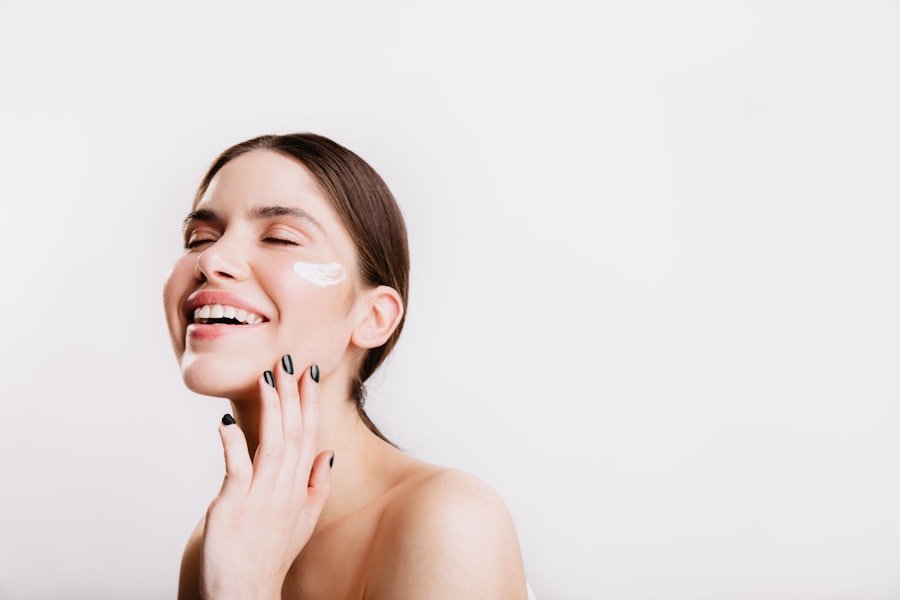
The foundation of any effective skincare routine, natural or otherwise, lies in how you cleanse and tone your skin. Harsh scrubbing and stripping your skin of its natural oils can actually do more harm than good, leading to irritation and even more breakouts. Here, we focus on cultivating a gentle yet thorough cleansing and toning ritual that prepares your skin to receive the benefits of your natural remedies.
The Art of Mindful Cleansing
Think of cleansing as a two-step process: removing impurities and then replenishing moisture. It’s about cleanliness without compromise.
What to Look for in a Natural Cleanser
When choosing a natural cleanser, you want something that effectively removes dirt, oil, and makeup without stripping your skin’s natural barrier.
- Gentle Surfactants: Look for cleansers that use mild, plant-derived surfactants rather than harsh sulfates.
- Hydrating Ingredients: Ingredients like glycerin, hyaluronic acid, and plant-based oils can help your skin retain moisture during cleansing.
- Soothing Botanicals: Ingredients like chamomile, calendula, and oat extract can calm redness and irritation.
- Avoidance is Key: Steer clear of alcohol-based cleansers, artificial fragrances, and parabens, which can be drying and irritating.
Your Cleansing Routine for Clearer Skin
- Start with lukewarm water: Hot water can strip your skin of essential oils, leading to dryness and irritation.
- Apply a small amount of cleanser: You don’t need a lot to get the job done.
- Massage gently: Use your fingertips to gently massage the cleanser into your skin in circular motions. Avoid any harsh scrubbing or pulling.
- Rinse thoroughly: Ensure all traces of the cleanser are removed.
- Pat dry: Gently pat your face dry with a clean, soft towel. Avoid rubbing vigorously.
Toning with Nature’s Refreshing Touches
Toning is often misunderstood as just another step to dry out your skin. However, a good natural toner can rebalance your skin’s pH, provide an extra layer of cleansing, and deliver beneficial ingredients.
The Replenishing Power of Natural Toners
Natural toners can help remove any residual impurities that your cleanser might have missed, prep your skin for better absorption of subsequent treatments, and provide a soothing, refreshing sensation.
Crafting Your Natural Toner Solution
- Apple Cider Vinegar (Diluted): Unpasteurized apple cider vinegar (ACV) contains alpha-hydroxy acids (AHAs) that can help exfoliate dead skin cells and balance pH. Always dilute it significantly. A common ratio is 1 part ACV to 3-4 parts water. Apply with a cotton pad after cleansing. Start with a lower dilution (e.g., 1:4) and increase gradually if your skin tolerates it, or stick with the milder dilution.
- Rose Water: Known for its anti-inflammatory and hydrating properties, rose water offers a gentle and refreshing way to tone your skin. Mist it directly onto your face or apply with a cotton pad.
- Green Tea Brew: As mentioned earlier, cooled green tea can also serve as an excellent natural toner, delivering antioxidants and anti-inflammatory benefits.
- Witch Hazel (Alcohol-Free): Look for alcohol-free witch hazel, as alcohol can be drying. Witch hazel has astringent properties that can help tighten pores and reduce inflammation without stripping the skin.
How to Use Your Natural Toner
After cleansing and patting your skin dry, lightly mist your face with your chosen toner or apply it using a soft cotton pad. Gently sweep the pad across your face, avoiding the immediate eye area. Allow your skin to air dry for a moment before proceeding to the next step of your routine. This simple addition can make a noticeable difference in how calm and prepared your skin feels.
4. Targeted Treatments: Applying Nature’s Remedies Directly

Once you have a solid cleansing and toning routine in place, and you’re supporting your skin from the inside out, it’s time to get specific. This section focuses on how to apply natural ingredients directly to problem areas or to your entire face for more targeted acne management. It’s about precision and utilizing the concentrated power of botanicals where they’re needed most.
Spot Treatments That Actually Work
Sometimes, a breakout hits fast and hard. You need a quick, natural solution to tackle those angry red spots and prevent them from escalating.
The Go-To Natural Spot Treatments
- Tea Tree Oil (Diluted): As discussed, a tiny dab of properly diluted tea tree oil can work wonders. Apply it directly to the blemish with a clean cotton swab. Be precise to avoid irritating surrounding skin.
- Aloe Vera Gel: A small amount of pure aloe vera gel can help reduce redness and inflammation on a specific pimple. It also provides a cooling sensation that can be very soothing.
- Honey (Manuka or Raw): Raw honey, particularly Manuka honey, possesses antibacterial and anti-inflammatory properties. Apply a small amount directly to the blemish and leave it on for 10-20 minutes before rinsing. Its humectant properties also help keep the skin moisturized.
Application Best Practices for Spot Treatments
- Cleanliness is Crucial: Always wash your hands thoroughly before touching your face or applying any spot treatment. Use clean cotton swabs or your clean fingertips.
- Less is More: Start with a very small amount. You can always add a little more if needed, but over-application can lead to irritation.
- Patch Test: Before applying a new spot treatment to your face, especially if using essential oils, test it on a small, inconspicuous area of your skin (like behind your ear or on your inner arm) to check for any adverse reactions.
- Timing: Some spot treatments are best left on overnight, while others are meant for short-term application. Follow the recommended guidelines or use your best judgment based on your skin’s reaction.
Leveraging Nutritional Supplements Wisely
While a balanced diet is paramount, sometimes targeted nutritional support can be incredibly beneficial. It’s important to approach supplements with knowledge and caution, focusing on those with scientific backing for acne management.
The Role of Zinc Supplements
Zinc is a crucial mineral for skin health, known for its anti-inflammatory and wound-healing properties. It can help reduce the bacteria that contribute to acne and may also help regulate oil production.
How to Choose and Use Zinc
- Form Matters: Opt for bioavailable forms of zinc, such as zinc picolinate or zinc gluconate, which are more easily absorbed by the body.
- Dosage: The typical recommended dosage for acne management ranges from 15-30 mg of elemental zinc per day. It’s always best to consult with a healthcare professional or a registered dietitian to determine the right dosage for you, as excessive zinc can have side effects.
- Timing: Many people find it best to take zinc supplements with food to avoid stomach upset.
- Duration: Zinc supplementation can take time to show results, often several months. It’s important to be patient and consistent.
Considering Probiotic Supplements
If you struggle to incorporate probiotic-rich foods regularly, a probiotic supplement can be a convenient way to support your gut health.
What to Look for in a Probiotic
- Strain Diversity: Look for supplements that contain a variety of beneficial bacterial strains, such as Lactobacillus and Bifidobacterium.
- CFU Count: Colony Forming Units (CFUs) indicate the number of live bacteria. A good starting point for an acne-focused probiotic might be in the billions, but it can vary.
- Reputable Brands: Choose brands that are transparent about their sourcing and manufacturing processes.
Remember, supplements are meant to supplement a healthy diet, not replace it. Always discuss any new supplements with your doctor, especially if you have underlying health conditions or are taking other medications.
5. Lifestyle Adjustments for Sustainable Clarity
| Method | Description |
|---|---|
| Proper Skincare | Regularly cleanse, exfoliate, and moisturize to keep skin clean and healthy. |
| Healthy Diet | Eat a balanced diet with plenty of fruits, vegetables, and whole grains to support skin health. |
| Stay Hydrated | Drink plenty of water to keep skin hydrated and flush out toxins. |
| Manage Stress | Practice stress-reducing activities like yoga or meditation to prevent acne flare-ups. |
| Natural Remedies | Use natural ingredients like tea tree oil, aloe vera, or witch hazel to treat acne. |
Beyond what you put on your skin and in your body, your daily habits and overall lifestyle play a surprisingly significant role in your skin’s health. This section dives into the lesser-known but incredibly powerful natural approaches that can create a lasting positive impact on your complexion. These are the sustainable shifts that support your skin’s resilience and prevent breakouts before they even have a chance to form.
The Importance of Stress Management
Stress is a well-documented trigger for acne flare-ups. When you’re stressed, your body releases cortisol, a hormone that can increase oil production and inflammation.
Natural Stress-Busting Techniques
- Mindfulness and Meditation: Even just 5-10 minutes of daily meditation or mindful breathing can significantly reduce stress levels, impacting your skin positively. Apps like Calm or Headspace can be great starting points.
- Yoga and Deep Breathing Exercises: Rhythmic movement and controlled breathing can calm your nervous system and release tension.
- Spending Time in Nature: A walk in the park, a hike in the woods, or simply sitting by the water can be incredibly restorative.
- Journaling: Writing down your thoughts and feelings can help process emotions and reduce anxiety.
- Engaging in Hobbies: Dedicating time to activities you enjoy – whether it’s reading, painting, or playing music – can provide a much-needed mental break.
Connecting Stress to Your Skin
Notice the pattern: when you’re particularly stressed, do you tend to see more breakouts? By actively incorporating stress-reducing practices into your routine, you’re addressing a key underlying factor that often fuels acne. It’s about creating a more peaceful internal environment that reflects on your external appearance.
Prioritizing Sleep for Skin Repair
Sleep is your body’s prime time for healing and repair, and your skin is no exception. During deep sleep, your body renews cells and reduces inflammation.
The Science of Sleep and Skin Health
Lack of sleep can lead to increased cortisol levels, which, as we’ve seen, can worsen acne. Additionally, poor sleep can impair your skin’s natural barrier function, making it more susceptible to irritation and breakouts. Aiming for 7-9 hours of quality sleep per night is crucial.
Creating a Sleep-Conducive Environment
- Stick to a Schedule: Go to bed and wake up around the same time each day, even on weekends, to regulate your body’s natural sleep-wake cycle.
- Create a Relaxing Bedtime Routine: Wind down for an hour before bed with activities like reading, taking a warm bath, or gentle stretching.
- Optimize Your Bedroom: Ensure your bedroom is dark, quiet, and cool. Consider blackout curtains and earplugs if necessary.
- Limit Screen Time Before Bed: The blue light emitted from electronic devices can interfere with melatonin production, a hormone essential for sleep.
Hydration: The Underestimated Hero
Water is fundamental to every bodily function, including maintaining healthy, clear skin. Dehydration can lead to dull, dry skin, which ironically, your body might try to compensate for by producing more oil, potentially leading to breakouts.
How Water Benefits Your Skin
- Flushes Out Toxins: Adequate water intake helps your kidneys and liver function efficiently, aiding in the elimination of waste products and toxins from your body, which can otherwise contribute to skin issues.
- Maintains Skin Elasticity and Suppleness: Hydrated skin is plumper, more elastic, and less prone to fine lines and dryness.
- Supports Nutrient Transport: Water is essential for transporting essential nutrients and oxygen to skin cells.
Simple Ways to Boost Your Water Intake
- Carry a Reusable Water Bottle: Keep it with you throughout the day as a constant reminder to sip.
- Infuse Your Water: Add natural flavors like lemon, cucumber, mint, or berries to make water more appealing.
- Set Reminders: Use your phone or smartwatch to set hourly reminders to drink water.
- Start and End Your Day with Water: Drink a glass of water first thing in the morning and before bed.
- Eat Water-Rich Foods: Fruits and vegetables like watermelon, strawberries, cucumbers, and celery have a high water content and contribute to overall hydration.
By weaving these lifestyle adjustments into your daily life, you’re not just treating acne; you’re building a foundation for consistently healthy, radiant skin. You’re empowering yourself with natural strategies that contribute to your overall well-being, and that, my friend, is the ultimate path to lasting clarity.
FAQs
What are some natural ways to reduce acne?
Some natural ways to reduce acne include maintaining a healthy diet, practicing good skincare habits, using natural ingredients like tea tree oil and aloe vera, and managing stress levels.
How does diet affect acne?
Diet can affect acne by influencing hormone levels, inflammation, and the production of sebum. Consuming a diet high in processed foods, sugar, and dairy may exacerbate acne, while a diet rich in fruits, vegetables, and whole grains can help reduce acne.
What are some natural ingredients that can help reduce acne?
Some natural ingredients that can help reduce acne include tea tree oil, aloe vera, witch hazel, green tea, and honey. These ingredients have anti-inflammatory and antibacterial properties that can help treat acne.
How can stress impact acne?
Stress can impact acne by triggering the release of hormones like cortisol, which can increase inflammation and oil production in the skin. Managing stress through techniques like meditation, exercise, and adequate sleep can help reduce acne.
Are there any natural remedies for acne scars?
Some natural remedies for acne scars include using ingredients like rosehip oil, vitamin E oil, and aloe vera. These ingredients can help promote skin healing and reduce the appearance of acne scars over time.