
You’re tired of waking up to those familiar red bumps, aren’t you? That unwelcome return of acne feels like a personal betrayal, a constant reminder that your skin is just not cooperating. You’ve tried the overnight treatments, the trendy toners, and you’re still locked in this recurring cycle. It’s frustrating, and frankly, it’s time to break free. As your dedicated Listicle Content Architect (LCA) and skincare strategist, I’m here to guide you through a comprehensive plan to finally put an end to persistent breakouts. We’re going to tackle this from every angle, not just dabbing on a spot treatment and hoping for the best. This isn’t about quick fixes; it’s about building sustainable habits for clearer, more resilient skin.
Get ready to understand the “why” behind your recurring acne and, more importantly, the “how” to stop it for good. We’ll delve into the science, the lifestyle adjustments, and the product choices that can make a real difference. Consider this your ultimate roadmap to a complexion that’s finally at peace.
Before you can effectively combat recurring acne, you need to understand what’s fueling it. It’s not just about a single pimple; it’s about identifying the underlying triggers that keep bringing them back. Think of your skin as a sensitive ecosystem, and recurring acne signals an imbalance that needs addressing. We’re going to dig deep here, beyond the superficial.
1. The Hormonal Rollercoaster: Understanding Hormonal Acne
You’ve likely heard the term “hormonal acne,” and it’s a significant player in recurring breakouts, especially for women. Hormonal fluctuations are a natural part of life, but they can wreak havoc on your skin.
Androgen Power Surge
Androgens, often referred to as “male hormones” (though present in both sexes), play a key role. When their levels spike, they can signal your sebaceous glands to produce more sebum – the oil that, in excess, can clog pores and lead to acne.
Menstrual Cycle Synchrony
Is your acne a predictable companion to your period? This is a classic sign of hormonal acne. The rise and fall of estrogen and progesterone throughout your cycle can lead to increased inflammation and sebum production in the days leading up to menstruation.
Stress-Induced Hormonal Shifts
When you’re stressed, your body releases cortisol, the stress hormone. High levels of cortisol can, in turn, stimulate androgen production, creating a vicious cycle of stress leading to breakouts. You might notice that during particularly demanding periods, your acne gets worse.
Polycystic Ovary Syndrome (PCOS)
For some, recurring acne can be a symptom of an underlying hormonal imbalance like PCOS. This condition can lead to chronically elevated androgen levels, making persistent acne a common and challenging manifestation. If you suspect PCOS, it’s crucial to consult with a doctor for diagnosis and treatment.
The Impact of Hormonal Changes at Different Life Stages
It’s not just your monthly cycle. Hormonal acne can manifest at various points in your life.
Puberty’s Onslaught
This is the most common time for acne to appear, driven by the dramatic surge in sex hormones. Stopping it requires consistent management.
Adulthood’s Persistent Pests
Many people experience adult-onset hormonal acne, often around their jawline, chin, and cheeks. This can be due to ongoing hormonal fluctuations, stress, or underlying conditions.
Pregnancy and Postpartum Peaks
Fluctuating hormones during pregnancy and the postpartum period can trigger or worsen acne for some individuals.
2. The Culprits Lurking in Your Daily Routine: Lifestyle Triggers
Your everyday actions, habits, and even the products you use can inadvertently contribute to your recurring acne. It’s about being mindful of what your skin is exposed to.
The Diet-Acne Connection: Fact or Fiction?
While the direct link between specific foods and acne is complex and varies by individual, certain dietary patterns can influence inflammation and hormone levels.
High Glycemic Index Foods
Foods that rapidly spike your blood sugar, like white bread, sugary drinks, and pastries, can lead to increased insulin production. Insulin, in turn, can stimulate androgen production and inflammation, both of which can exacerbate acne.
Dairy’s Potential Role
Some studies suggest a correlation between dairy consumption and acne. The hormones and growth factors present in milk, as well as the impact of dairy on insulin levels, might be contributing factors for sensitive individuals.
The Importance of a Balanced Diet
Focusing on whole, unprocessed foods, fruits, vegetables, and lean proteins can help regulate blood sugar and reduce inflammation, potentially benefiting your skin.
Stress Management: A Crucial, Often Overlooked Factor
As mentioned earlier, stress is a significant acne aggravator. Chronic stress has tangible effects on your skin.
The Cortisol Cascade Explained
When stressed, your body releases cortisol, which can increase oil production and inflammation. This creates a perfect breeding ground for acne.
Developing Stress-Reduction Techniques
Finding healthy ways to manage stress is paramount. This can include mindfulness, meditation, yoga, deep breathing exercises, spending time in nature, or engaging in hobbies you enjoy.
Sleep: The Unsung Hero of Skin Health
You wouldn’t build a house without a solid foundation, and you shouldn’t expect clear skin without adequate sleep.
The Regenerative Power of Sleep
During sleep, your body, including your skin, undergoes repair and regeneration. Lack of sleep can impair this process, leading to increased inflammation and breakouts.
Prioritizing Quality Sleep
Aim for 7-9 hours of quality sleep per night. Establish a regular sleep schedule, create a relaxing bedtime routine, and ensure your bedroom is dark, quiet, and cool.
The Power of Hygiene (But Not Too Much!)
Proper hygiene is vital, but overdoing it can strip your skin and cause more harm than good.
The Danger of Over-Washing
Washing your face too frequently or too aggressively can strip away natural oils, leading to dryness and irritation. This can paradoxically trigger your skin to produce more oil to compensate.
The Right Way to Cleanse
Use a gentle, non-foaming cleanser twice a day. Avoid harsh scrubbing or using hot water, which can exacerbate inflammation.
Don’t Forget Your Pillowcases and Phones!
These are breeding grounds for bacteria and oil. Changing your pillowcases regularly (at least once a week) and wiping down your phone screen can significantly reduce your exposure to acne-causing germs.
3. The Unseen Allergens and Irritants: Identifying External Factors
Sometimes, the culprits aren’t inside you but in the environment and products you use. These can cause inflammation and trigger breakouts.
Ingredient Sensitivity: What’s in Your Products?
Certain ingredients, even in otherwise good skincare, can be problematic for your specific skin.
Comedogenic Ingredients to Avoid
Look out for ingredients known to clog pores. These often include petroleum jelly, mineral oil, isopropyl myristate, and various silicones. “Non-comedogenic” labels can be helpful, but always patch test new products.
Fragrance and Dye Sensitivities
Artificial fragrances and dyes are common irritants that can lead to redness, inflammation, and breakouts for sensitive individuals. Opt for fragrance-free and dye-free products.
Harsh Chemicals and Alcohol
Ingredients like denatured alcohol can be overly drying and irritating, disrupting your skin barrier and leading to compensatory oil production.
Environmental Pollution’s Role
The air you breathe, especially in urban environments, can impact your skin.
Pollutants as Pore Blockers
Pollutants, such as particulate matter, can settle on your skin, contributing to pore congestion and inflammation.
The Importance of Cleansing Post-Exposure
Thoroughly cleansing your skin at the end of the day is crucial to remove these environmental aggressors.
Fabric and Laundry Product Irritants
Even the fabrics you wear and the detergents you use can be to blame.
Tight or Synthetic Fabrics
Clothing that’s too tight or made of synthetic materials can trap heat and sweat, creating a breeding ground for acne-causing bacteria, especially on your body.
Detergent Residues
Harsh laundry detergents or insufficient rinsing can leave behind residues that irritate your skin, particularly on clothes that have prolonged contact with your face and body.
Your Targeted Skincare Arsenal: Building an Effective Routine
Now that you’ve got a better understanding of the “why,” let’s focus on the “how.” Building an effective skincare routine is about using the right ingredients in the right way, consistently. This isn’t a one-size-fits-all situation; it’s about tailoring your approach.
1. The Powerhouse Actives: Ingredients That Make a Difference
These are the stars of the show, the ingredients specifically designed to fight acne. You need to use them strategically and patiently.
Salicylic Acid (BHA): The Pore-Penetrating P.I.
Salicylic acid is a beta-hydroxy acid (BHA) that is oil-soluble, meaning it can penetrate deep into your pores.
How It Works
It exfoliates inside the pore, breaking down the bonds between dead skin cells and oil that cause clogs. It also has anti-inflammatory properties.
Where to Find It
Look for it in cleansers, toners, serums, and spot treatments. Start with lower concentrations (1-2%) to avoid irritation.
When to Use It
Incorporate salicylic acid into your routine 2-3 times a week, gradually increasing frequency if tolerated. Avoid using it at the same time as other strong exfoliants like AHAs or retinoids to prevent over-exfoliation.
Benzoyl Peroxide: The Bacteria Buster
Benzoyl peroxide is a potent antibacterial agent that kills Cutibacterium acnes (formerly Propionibacterium acnes), the bacteria commonly associated with acne.
How It Works
It works by releasing oxygen into the pore, creating an environment that bacteria can’t survive in. It also has mild exfoliating properties.
Where to Find It
Available in various strengths (2.5% to 10%) in cleansers, creams, and gels. Lower concentrations are often as effective and less irritating.
When to Use It
It’s often used as a spot treatment or in leave-on products. Be aware it can bleach fabrics, so be careful with bedding and towels. Start with a lower concentration and use it daily or every other day as tolerated.
Retinoids (Retinol & Prescription Tretinoin): The Cell Turnover Superstars
Retinoids are vitamin A derivatives that accelerate skin cell turnover and prevent pores from becoming clogged.
How They Work
By speeding up cell turnover, retinoids prevent dead skin cells from accumulating and clogging pores. They also help to reduce inflammation and can stimulate collagen production over time, improving skin texture.
Where to Find Them
Retinol is available over-the-counter in various strengths. Prescription-strength retinoids, like tretinoin, are significantly more potent and effective but require a dermatologist’s prescription.
When to Use Them
Retinoids are typically used at night. Start with a low concentration and introduce it slowly (1-2 times a week), gradually increasing frequency. You’ll likely experience a “purging” period where acne temporarily worsens, which is normal. They are best used as a long-term treatment for recurring acne. Be diligent with sunscreen when using retinoids, as they increase sun sensitivity.
Niacinamide: The Inflammation Tamer and Barrier Booster
Niacinamide, also known as vitamin B3, is a multi-tasking ingredient that’s excellent for acne-prone skin.
How It Works
It helps to reduce inflammation, regulate sebum production, improve the skin barrier function, and minimize the appearance of pores. It also has mild antioxidant properties.
Where to Find It
Commonly found in serums, moisturizers, and toners. It’s generally well-tolerated and can be used daily.
When to Use It
Niacinamide can be used in both your morning and evening routines. It’s a great complementary ingredient to other acne treatments.
2. The Gentle Foundation: Cleansing and Moisturizing Essentials
Even with powerful actives, a gentle, consistent approach to cleansing and moisturizing is crucial for maintaining a healthy skin barrier.
Cleansing: The First Step to Clarity
Your cleanser sets the stage for your entire routine. Accuracy is key.
Choosing the Right Cleanser
Opt for a gentle, non-foaming, sulfate-free cleanser. Look for terms like “mild,” “hydrating,” or “for sensitive skin.” If you have oily skin, a gel-based cleanser can be effective without being overly stripping.
Cleansing Technique Matters
Wash your face twice a day, morning and night. Use lukewarm water, not hot. Gently massage the cleanser into your skin for about 30-60 seconds, then rinse thoroughly and pat your skin dry with a clean towel. Avoid harsh scrubbing or rubbing.
Moisturizing: Don’t Skip This Crucial Step!
It might seem counterintuitive to moisturize acne-prone skin, but it’s absolutely essential.
The Importance of Hydration
When your skin is dehydrated, it can overcompensate by producing more oil, leading to breakouts. A good moisturizer helps to balance oil production and keeps your skin barrier healthy.
Selecting the Right Moisturizer
Look for lightweight, oil-free, non-comedogenic moisturizers. Gel or gel-cream formulations are often ideal for acne-prone skin. Ingredients like hyaluronic acid and ceramides can provide hydration without clogging pores.
When to Moisturize
Apply moisturizer immediately after cleansing, while your skin is still slightly damp, to help lock in hydration. This should be done both in your morning and evening routines.
3. Sun Protection: The Non-Negotiable Skin Saver
This is perhaps the most overlooked, yet critical, step in preventing post-acne marks and protecting your skin from further damage.
Why Sunscreen is Essential for Acne-Prone Skin
Sun exposure can exacerbate inflammation, darken acne scars (hyperpigmentation), and slow down the healing process.
Preventing Post-Inflammatory Hyperpigmentation (PIH)
When acne heals, it can leave behind dark spots. Sun exposure significantly worsens these marks, making them more persistent.
Protecting Against Further Inflammation
UV radiation can increase skin inflammation, which is already a major component of acne.
Choosing the Right Sunscreen
Look for broad-spectrum protection (UVA and UVB) with an SPF of 30 or higher.
Formulations for Acne-Prone Skin
Opt for oil-free, non-comedogenic, and mineral-based sunscreens (zinc oxide and titanium dioxide), which are generally less likely to clog pores and irritate the skin. Look for “matte finish” options if shine is a concern.
Daily Application is Key
Apply sunscreen every single morning as the last step of your skincare routine, even on cloudy days or if you’re staying indoors near windows. Reapply every two hours if you’re outdoors.
Beyond the Bathroom Cabinet: Lifestyle Tweaks for Lasting Clarity
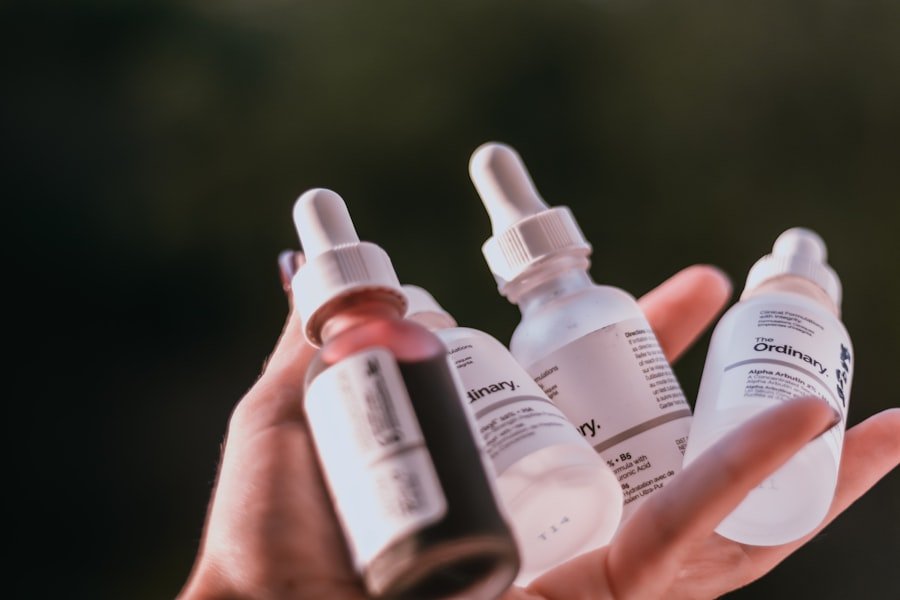
Your skincare routine is only one piece of the puzzle. Sustainable improvements come from addressing your overall lifestyle. These are the daily habits that can dramatically impact your skin’s health and resilience.
1. Nutrition for a Clearer Complexion: Fueling Your Skin from Within
What you eat directly impacts your body’s inflammatory response and hormonal balance, both of which are intrinsically linked to acne.
Embrace Anti-Inflammatory Foods
Focus on foods that combat inflammation, which is a core problem in acne.
Omega-3 Fatty Acids
Found in fatty fish (salmon, mackerel), flaxseeds, and chia seeds, omega-3s are powerful anti-inflammatories. Aim to incorporate these into your diet regularly.
Antioxidant-Rich Fruits and Vegetables
Berries, leafy greens, bell peppers, and tomatoes are packed with antioxidants that fight free radical damage and reduce inflammation.
Probiotics
Yogurt with live cultures, kefir, and fermented foods like sauerkraut can support gut health, which has a surprising connection to skin health. A healthier gut can lead to a less inflamed body, and consequently, clearer skin.
Mindful Carbohydrate Choices
The type and amount of carbohydrates you consume can influence insulin levels.
Prioritize Complex Carbohydrates
Opt for whole grains like quinoa, oats, and brown rice over refined grains like white bread and pasta. These have a lower glycemic index and cause a slower, more even rise in blood sugar.
Limit Sugary Drinks and Processed Snacks
These cause rapid blood sugar spikes and contribute to systemic inflammation.
Hydration is Non-Negotiable
Water is essential for all bodily functions, including maintaining healthy, clear skin.
The Role of Water in Detoxification
Adequate water intake helps your body flush out toxins that can contribute to skin issues.
Aim for Consistent Intake
Carry a reusable water bottle and sip throughout the day. Aim for at least 8 glasses (64 ounces) of water daily, and more if you’re exercising or in a hot climate.
2. Stress Reduction: Creating an Oasis of Calm
The mind-body connection is undeniable, and chronic stress is a significant contributor to recurring acne. Finding effective stress management techniques is not a luxury; it’s a necessity for clear skin.
Mindfulness and Meditation: Training Your Brain
These practices help you become more aware of your thoughts and feelings without judgment, reducing the body’s stress response.
Daily Practice Benefits
Even 5-10 minutes of daily meditation or mindfulness can make a difference. There are numerous free apps and guided meditations available to get you started.
Focus on Your Breath
When you feel overwhelmed, a few moments of deep, conscious breathing can help calm your nervous system. Inhale slowly and deeply through your nose, hold for a moment, and exhale slowly through your mouth.
The Power of Movement and Exercise
Physical activity is a fantastic stress reliever.
Endorphin Release
Exercise triggers the release of endorphins, your body’s natural mood boosters.
Finding a Routine You Enjoy
You don’t need to run marathons. Walking, dancing, swimming, or team sports can all be effective. The key is consistency and finding something you look forward to.
Prioritizing Sleep Hygiene: Recharge Your Skin and Your Life
This cannot be stressed enough. Sleep is when your body and skin repair themselves.
Establish a Consistent Sleep Schedule
Go to bed and wake up around the same time each day, even on weekends. This helps regulate your body’s natural sleep-wake cycle (circadian rhythm).
Create a Relaxing Bedtime Routine
Wind down for an hour before bed. This could include reading a book, taking a warm bath, listening to calming music, or journaling. Avoid screens (phones, tablets, laptops) as the blue light can interfere with melatonin production.
3. Optimizing Your Environment: Reducing External Stressors
The spaces where you spend your time can unknowingly contribute to skin issues.
Air Quality and Your Skin
Pollution and dryness can impact your skin’s barrier function.
Humidifiers for Dry Climates
If you live in a dry climate or use a lot of indoor heating, a humidifier can add moisture to the air and prevent your skin from becoming overly dry.
Air Purifiers for Polluted Areas
If you live in a heavily polluted area, an air purifier can help reduce airborne irritants.
Cleanliness is Crucial for Your Skin
Regularly cleaning items that come into contact with your face can significantly reduce the spread of bacteria.
Pillowcase Powerhouse
Change your pillowcase at least once a week, or even more frequently if you’re prone to breakouts. Cotton can absorb oils and bacteria, so consider silk or satin pillowcases which are less absorbent and may reduce friction.
Phone Hygiene
Your phone is a germ magnet. Wipe down your phone screen daily with an antibacterial wipe to reduce the transfer of bacteria to your face.
Don’t Touch Your Face!
Be conscious of how often you touch your face throughout the day. Your hands carry oils and bacteria from various surfaces.
When to Seek Professional Help: Knowing Your Limits
While this guide provides comprehensive strategies, there are times when professional intervention is necessary for effective and lasting acne management. Don’t hesitate to reach out to experts.
1. Consulting a Dermatologist: Your Skin’s Best Advocate
A dermatologist is a medical doctor specializing in skin conditions and is your most valuable resource for persistent or severe acne.
Accurate Diagnosis and Assessment
A dermatologist can accurately diagnose the type and severity of your acne, identifying underlying causes that might not be apparent.
Identifying Hormonal Imbalances
They can perform tests to check for hormonal imbalances like PCOS and recommend appropriate treatments.
Ruling Out Other Skin Conditions
Sometimes, what appears to be acne can be a different skin condition that requires specific treatment.
Access to Prescription-Strength Treatments
Many of the most effective acne treatments are only available with a prescription.
Stronger Retinoids and Antibiotics
Dermatologists can prescribe potent retinoids (like tretinoin) and oral or topical antibiotics when necessary.
Hormonal Therapies
For those with significant hormonal acne, a dermatologist can prescribe birth control pills or spironolactone, which can help regulate hormones.
Advanced Treatment Options
Beyond topical and oral medications, dermatologists offer a range of advanced procedures.
Chemical Peels and Micro-needling
These procedures can help improve skin texture, reduce scarring, and unclog pores.
Isotretinoin (Accutane)
For severe, stubborn, or scarring acne, isotretinoin is a highly effective oral medication that can offer long-term remission. It requires close medical supervision.
2. Seeking Expert Advice on Lifestyle and Diet
Sometimes, clarifying the complex relationship between your diet, stress, and acne requires specialized guidance.
Registered Dietitian Consultations
A registered dietitian can help you create a personalized eating plan that supports clear skin.
Identifying Food Sensitivities
They can guide you through elimination diets or other strategies to identify potential food triggers without causing nutritional deficiencies.
Optimizing Nutrient Intake for Skin Health
Ensuring you’re getting the right balance of vitamins and minerals crucial for skin repair and function.
Therapists and Counselors for Stress Management
For persistent stress that impacts your well-being and your skin, professional mental health support can be invaluable.
Developing Coping Mechanisms
Learning personalized strategies to manage anxiety, stress, and improve your overall emotional resilience.
Addressing the Psychological Impact of Acne
Acne can take a toll on self-esteem. A therapist can help you navigate these challenges.
3. When to Re-evaluate Your Routine
Even with a great routine, your skin can change, and what worked before might not be working now.
Product Tolerance Changes
Your skin’s sensitivity can fluctuate. If a product that once worked now causes irritation, it’s time to re-evaluate.
Signs of Over-Exfoliation or Irritation
Redness, peeling, increased sensitivity, and a compromised skin barrier are signals to back off.
Seasonal Changes and Hormonal Shifts
Your skin’s needs can change with the seasons and during different hormonal phases.
Adjusting Hydration in Winter
You might need a richer moisturizer in colder, drier months.
Post-Breakout Care
After a persistent bout of acne, your skin might need extra care to heal and prevent future flare-ups.
You’ve now got the blueprint to conquer recurring acne. Remember, consistency, patience, and a holistic approach are your most powerful allies. It’s a journey, but by understanding the root causes and implementing these strategies, you are well on your way to achieving the clear, healthy skin you deserve.
FAQs
What causes recurring acne?
Recurring acne can be caused by a variety of factors, including hormonal changes, genetics, certain medications, and lifestyle choices such as diet and skincare habits.
How can I prevent recurring acne?
Preventing recurring acne involves maintaining a consistent skincare routine, avoiding harsh products, managing stress, eating a balanced diet, and avoiding picking or squeezing pimples.
What are some effective treatments for recurring acne?
Effective treatments for recurring acne include over-the-counter topical treatments containing ingredients like benzoyl peroxide or salicylic acid, prescription medications like retinoids or antibiotics, and in some cases, procedures like chemical peels or laser therapy.
When should I see a dermatologist for recurring acne?
If over-the-counter treatments are not effective in managing recurring acne, or if the acne is severe and causing scarring, it is recommended to see a dermatologist for a personalized treatment plan.
Are there any lifestyle changes that can help stop recurring acne?
Making lifestyle changes such as managing stress, eating a balanced diet, staying hydrated, and avoiding certain skincare products or habits can help prevent and manage recurring acne.