
Have you ever experienced that uncomfortable burning sensation in your chest after enjoying a hearty meal? If so, you’re not alone. Acid reflux, commonly known as heartburn, affects millions of people every day. As you seek relief, you may be wondering how to treat acid reflux naturally.

Understanding Acid Reflux
Acid reflux occurs when stomach acid flows back into the esophagus, causing irritation and discomfort. This backflow can result from various factors including certain foods, lifestyle choices, and underlying health conditions. Recognizing the causes of acid reflux can empower you to make informed decisions about your diet and lifestyle.
Common Symptoms of Acid Reflux
Before diving into natural remedies, it’s helpful to identify the symptoms. Acid reflux can manifest in various ways, including:
- A burning sensation in the chest after eating
- Regurgitation of food or sour liquid
- Difficulty swallowing
- A lump in your throat
- Coughing or wheezing
Understanding these symptoms will allow you to recognize when acid reflux might be affecting you.
Lifestyle Changes to Alleviate Acid Reflux
One of the first steps you can take in treating acid reflux naturally is to modify your lifestyle. Simple changes can have a substantial impact.
Maintain a Healthy Weight
Excess weight can put pressure on your stomach, pushing acid into the esophagus. By maintaining a healthy weight through a balanced diet and regular exercise, you can significantly reduce the frequency and severity of acid reflux episodes.
Tips for Weight Management
- Aim for a balanced diet rich in fruits, vegetables, whole grains, and lean proteins.
- Incorporate physical activity into your routine, aiming for at least 150 minutes of moderate-intensity exercise each week.
- Consider tracking your food intake and physical activity to identify patterns and make improvements.
Practice Mindful Eating
How you eat can affect your digestive health. Practicing mindful eating helps you pay attention to your body’s signals and can reduce instances of acid reflux.
Mindful Eating Tips
- Eat slowly and chew your food thoroughly.
- Pay attention to your body, and stop eating when you’re satisfied, not stuffed.
- Avoid distractions like television or smartphones while eating to focus on your meal.
Avoid Trigger Foods
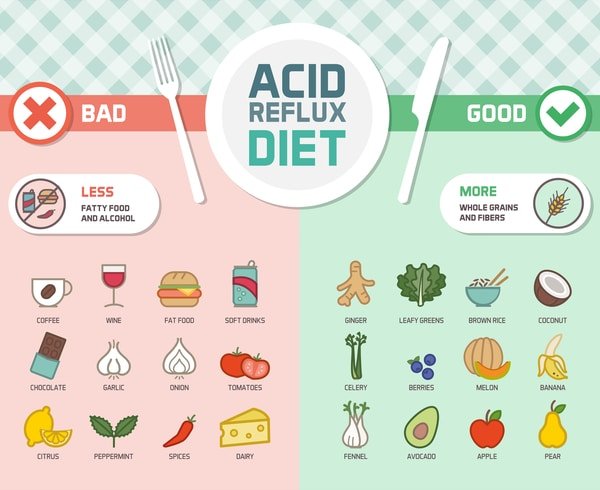
Identifying and avoiding foods that trigger your acid reflux can make a world of difference. Common culprits include:
| Trigger Foods | Alternatives |
|---|---|
| Spicy foods | Mild herbs and spices |
| Fried foods | Baked or grilled options |
| Citrus fruits | Bananas or melons |
| Caffeinated beverages | Herbal teas |
| Chocolate | Carob or yogurt |
Experiment with different foods to find out what works best for you.
Elevate Your Head While Sleeping
Sleeping flat can exacerbate acid reflux symptoms. Elevating your head while you sleep can help prevent the backflow of stomach acid.
Tips for Elevation
- Use an adjustable bed or prop your head up with extra pillows.
- Aim for an elevation of about 6 to 8 inches for optimal results.
Natural Remedies for Acid Reflux
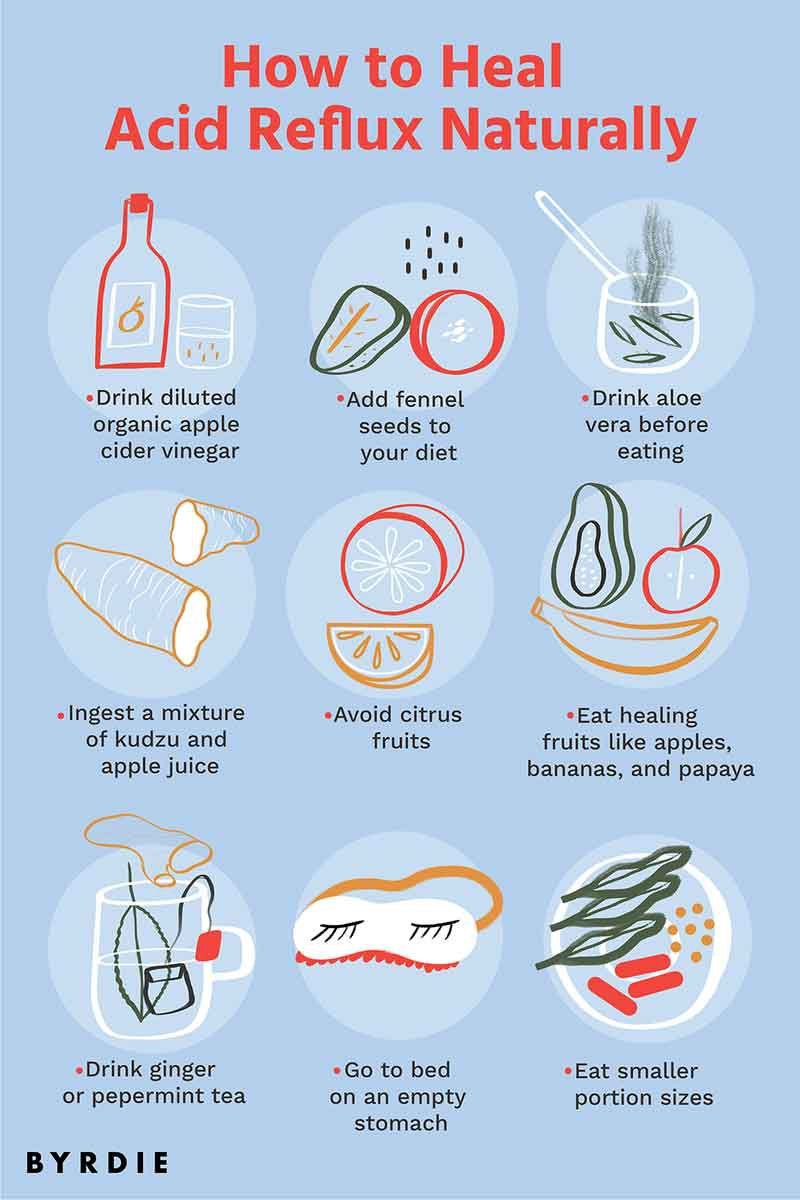
In addition to lifestyle changes, there are several natural remedies you can try to ease acid reflux symptoms.
Herbal Remedies
Certain herbs have been found effective in soothing the digestive system.
Chamomile Tea
Chamomile tea is not only calming but can also help reduce inflammation in the stomach and esophagus. Drinking a cup of chamomile tea before bedtime may aid digestion and promote better sleep.
Ginger
Ginger is known for its anti-inflammatory properties and can aid in digestion. You can consume it in various forms such as:
- Fresh ginger tea
- Ginger candies
- Adding fresh ginger to your meals
Apple Cider Vinegar
The idea of using apple cider vinegar to treat acid reflux might sound counterintuitive. However, some people find that it can help balance stomach pH levels.
How to Use Apple Cider Vinegar
- Mix one to two tablespoons of apple cider vinegar in a glass of water and drink it before meals.
- You can also use apple cider vinegar in salad dressings or marinades.
Baking Soda
Baking soda, or sodium bicarbonate, can neutralize stomach acid, providing relief from heartburn.
How to Use Baking Soda
- Mix half a teaspoon of baking soda in a glass of water and drink it for immediate relief.
- Keep in mind that this should be done occasionally, as excessive baking soda can lead to side effects.
Incorporating Dietary Changes
What you eat plays a significant role in managing acid reflux symptoms.
Focus on Alkaline Foods
Alkaline foods can help neutralize stomach acid. Incorporate these into your diet:
| Alkaline Foods | Benefits |
|---|---|
| Leafy greens | Nutrient-rich |
| Cucumbers | Hydrating |
| Broccoli | High in vitamins |
| Avocados | Heart-healthy fats |
| Almonds | Good source of protein |
Drink Plenty of Water
Staying hydrated supports overall digestion and can help dilute acids in your stomach. Aim to drink at least eight glasses of water a day.
Track Your Food Intake
Keeping a food diary can be a helpful tool in managing acid reflux. It allows you to identify patterns between what you eat and how you feel. Make a note of:
- What you eat
- When you eat
- Any symptoms you experience
Stress Management Techniques
Stress can contribute to acid reflux, and finding effective ways to manage stress can improve your overall well-being.
Mindfulness and Meditation
Practicing mindfulness or meditation can help you manage stress levels. By dedicating just a few minutes each day to mindfulness techniques, you can cultivate a sense of calm.
Techniques to Try
- Guided breathing exercises
- Progressive muscle relaxation
- Journaling your thoughts and feelings
Regular Exercise
Engaging in regular physical activity can help reduce stress while promoting healthy digestion. You might consider activities such as:
- Walking
- Yoga or Pilates
- Swimming
Social Support and Connection
Don’t underestimate the power of social support. Talking with friends or family members about your experiences can alleviate stress and provide comfort. Consider joining a support group for individuals with acid reflux to share tips and strategies.
When to Seek Professional Help
While natural remedies and lifestyle changes can be effective in managing acid reflux, there are times when you should seek professional help.
Persistent Symptoms
If you experience persistent symptoms, it’s essential to consult a healthcare professional. Chronic acid reflux can lead to more serious conditions, including esophagitis or Barrett’s esophagus.
Medication
In some cases, your healthcare provider may recommend medications such as antacids, H2 blockers, or proton pump inhibitors to manage your symptoms. These medications can provide relief while you continue to implement lifestyle changes.

Conclusion
Acid reflux can be a challenging condition to manage, but you have options at your disposal. By making lifestyle changes, exploring natural remedies, and monitoring your diet, you can significantly reduce your symptoms. Remember, it’s all about finding what works best for you, as every individual’s experience with acid reflux is unique.
Don’t hesitate to reach out to friends, family, or healthcare professionals for support and guidance. Your journey towards managing acid reflux naturally is well within reach. Here’s to your health and comfort!