
Living with diabetes can be a daunting challenge, especially when it comes to managing your insulin levels. But what if there was an alternative to the daily injections and constant monitoring? In this article, we will explore ways to treat diabetes without relying solely on insulin. From lifestyle changes to natural remedies, discover a range of options that may help you take control of your diabetes and improve your overall wellbeing. So, let’s dive into this informative journey towards a healthier and more manageable life with diabetes.
How to Treat Diabetes Without Insulin
Diabetes is a chronic condition that affects millions of people worldwide. While insulin is commonly used to manage diabetes, there are alternative treatment options available for those who prefer not to use insulin. Understanding diabetes and its treatment options is essential for effective diabetes management. By making lifestyle changes, taking medications, exploring alternative therapies, maintaining a healthy diet, engaging in regular exercise, managing stress, monitoring blood sugar levels, maintaining a healthy weight, and seeking support systems, you can successfully treat diabetes without relying solely on insulin.
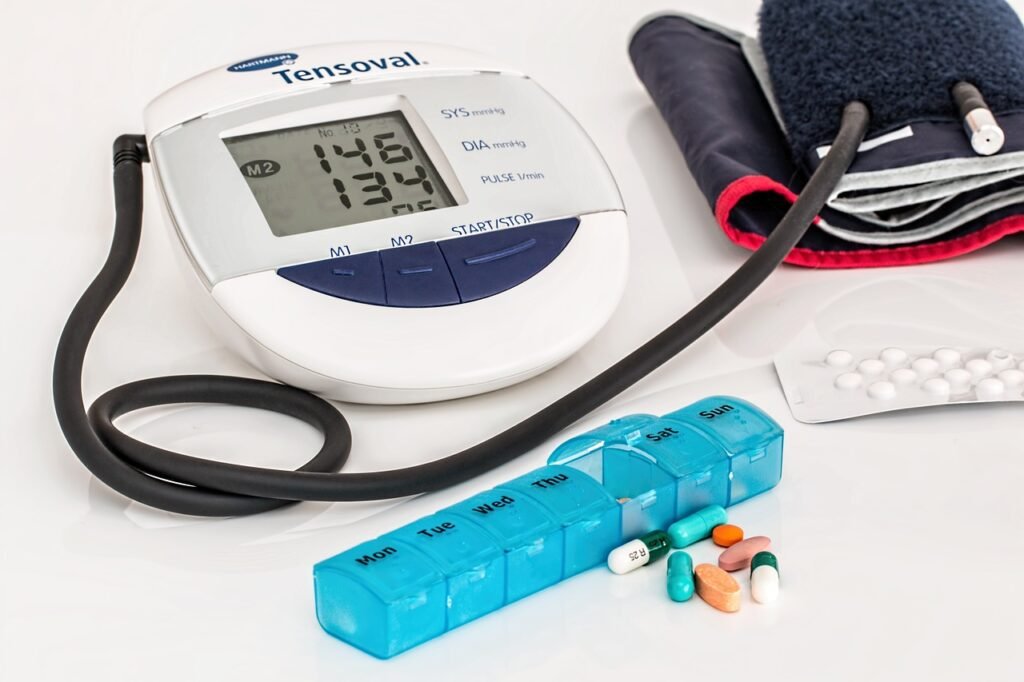
1. Understand diabetes and its treatment options
To effectively treat diabetes without insulin, it is crucial to have a thorough understanding of the condition and its treatment options. Diabetes occurs when the body is unable to adequately regulate blood sugar levels, leading to high blood sugar. There are different types of diabetes, including type 1, type 2, and gestational diabetes. Each type requires a specific approach for management.
Treatment options for diabetes include insulin therapy, oral medications, lifestyle changes, and alternative therapies. While insulin therapy is commonly used for people with type 1 diabetes, some individuals with type 2 diabetes may also require insulin in conjunction with other treatment methods.
2. Lifestyle changes for managing diabetes
Making lifestyle changes is a crucial aspect of managing diabetes without insulin. These changes include adopting a healthy eating plan, engaging in regular physical activity, maintaining a healthy weight, and quitting smoking if necessary. By focusing on these lifestyle factors, you can effectively manage your blood sugar levels and reduce the need for insulin.

3. Medications for diabetes management
In addition to lifestyle changes, there are various medications available for diabetes management. Oral medications such as metformin, sulfonylureas, and thiazolidinediones can help lower blood sugar levels. These medications work by increasing insulin sensitivity or stimulating the pancreas to produce more insulin.
It is important to work closely with your healthcare provider to determine the most appropriate medication regimen for your specific needs and to monitor for any potential side effects or interactions with other medications.
4. Alternative therapies for diabetes control
Alternative therapies, such as acupuncture, biofeedback, and herbal supplements, can also be used as complementary approaches to diabetes management. While these therapies may not replace traditional medical treatment, they can offer additional benefits, such as stress reduction and improved overall well-being. It is essential to consult with a qualified healthcare provider before incorporating alternative therapies into your diabetes management plan.
5. Importance of a healthy diet
Maintaining a healthy diet is crucial in managing diabetes without relying solely on insulin. A balanced diet rich in fruits, vegetables, whole grains, lean proteins, and healthy fats can help regulate blood sugar levels and improve overall health. It is important to monitor carbohydrate intake and choose low glycemic index foods to prevent spikes in blood sugar. Working with a registered dietitian can provide personalized guidance on meal planning and making healthy food choices.
6. Regular exercise for diabetes management
Engaging in regular physical activity is another vital aspect of managing diabetes without insulin. Exercise helps improve insulin sensitivity, lower blood sugar levels, and promote weight loss. It is recommended to incorporate both aerobic exercise and strength training into your exercise routine. Aim for at least 150 minutes of moderate-intensity aerobic activity per week, along with two or more days of strength training. Always consult with your healthcare provider before starting a new exercise regimen.

7. Stress management and diabetes
Stress can have a significant impact on blood sugar levels. Learning effective stress management techniques, such as deep breathing exercises, meditation, and yoga, can help you better manage your diabetes. Engaging in activities that you enjoy and finding healthy ways to cope with stress can also contribute to your overall well-being and diabetes management.
8. Monitoring blood sugar levels
Regularly monitoring your blood sugar levels is essential for managing diabetes without insulin. This allows you to understand how your lifestyle choices, medications, and other treatment methods are impacting your blood sugar. By keeping a record of your levels, you can make adjustments as needed and identify any patterns or trends. Your healthcare provider can guide you on the frequency and timing of blood sugar monitoring.
9. Importance of weight management
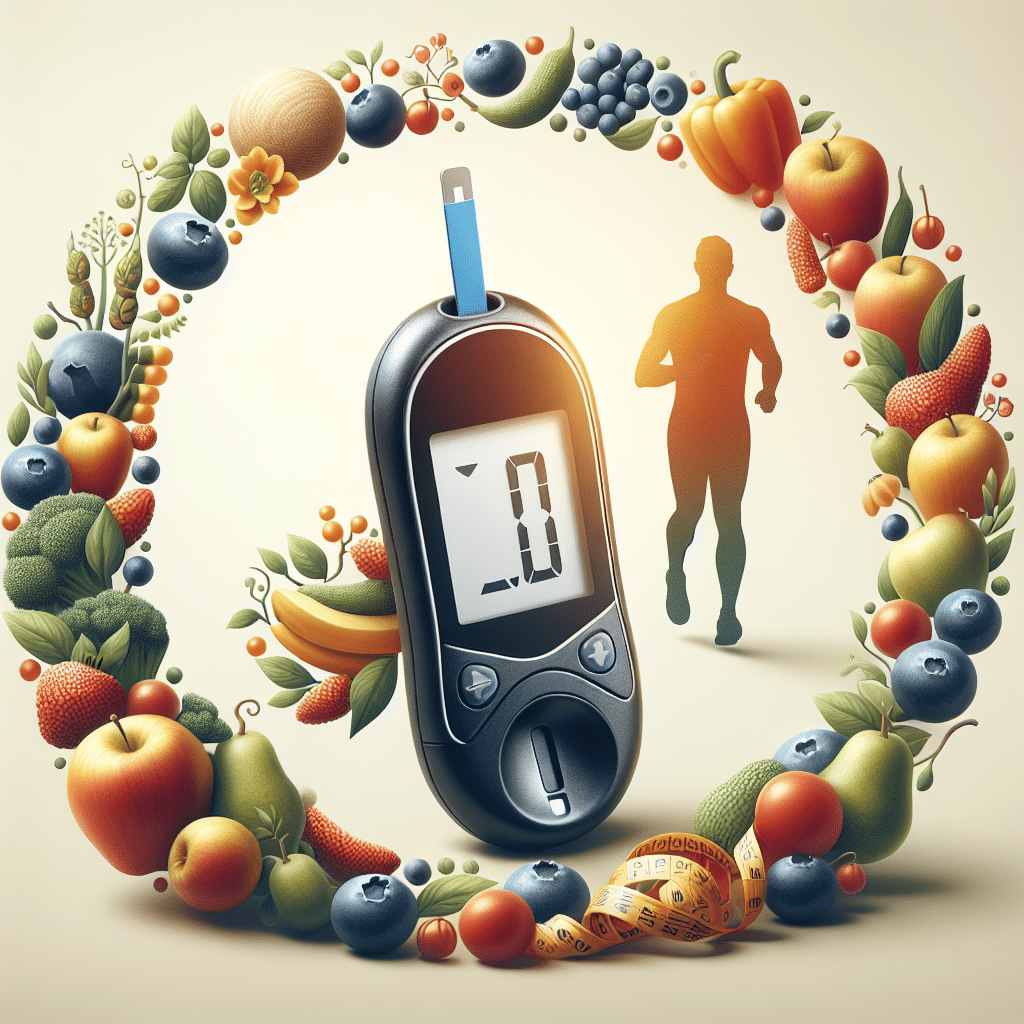
Maintaining a healthy weight is crucial in managing diabetes. Excess weight can contribute to insulin resistance, making it more challenging to regulate blood sugar levels. By adopting a healthy diet, engaging in regular exercise, and working with a healthcare provider or registered dietitian, you can achieve and maintain a healthy weight, reducing the risk of complications associated with diabetes.
10. Support systems and diabetes management
Living with diabetes can be challenging, and having a support system in place can make a significant difference in managing the condition effectively. Seek out support from friends, family, and healthcare professionals who can provide guidance, encouragement, and assistance when needed. Support groups, both in-person and online, can also provide a sense of community and a space to share experiences and knowledge.
In conclusion, treating diabetes without insulin is possible with a comprehensive approach to diabetes management. By understanding the condition and its treatment options, making lifestyle changes, exploring medications and alternative therapies, adopting a healthy diet, engaging in regular exercise, managing stress, monitoring blood sugar levels, maintaining a healthy weight, and seeking support, you can successfully manage your diabetes and live a healthy, fulfilling life. Always consult with your healthcare provider to develop a personalized diabetes management plan that best suits your needs and preferences. Remember, you are not alone in this journey, and with the right tools and support, you can effectively treat diabetes without relying solely on insulin.