
Are you struggling with high blood sugar levels? If so, you’ll be relieved to know that there are effective hyperglycemia treatments you can try right in the comfort of your own home. In this article, we will explore various strategies and lifestyle changes that can help you manage hyperglycemia without needing to leave your house. From monitoring your blood sugar levels to making dietary adjustments and incorporating regular exercise, we will provide you with practical tips to keep your blood sugar in check and improve your overall well-being. So, let’s dive into the world of hyperglycemia treatment at home and discover all the tools you need for a healthier lifestyle.
1. Monitoring Blood Sugar Levels
1.1 Self-monitoring of blood glucose
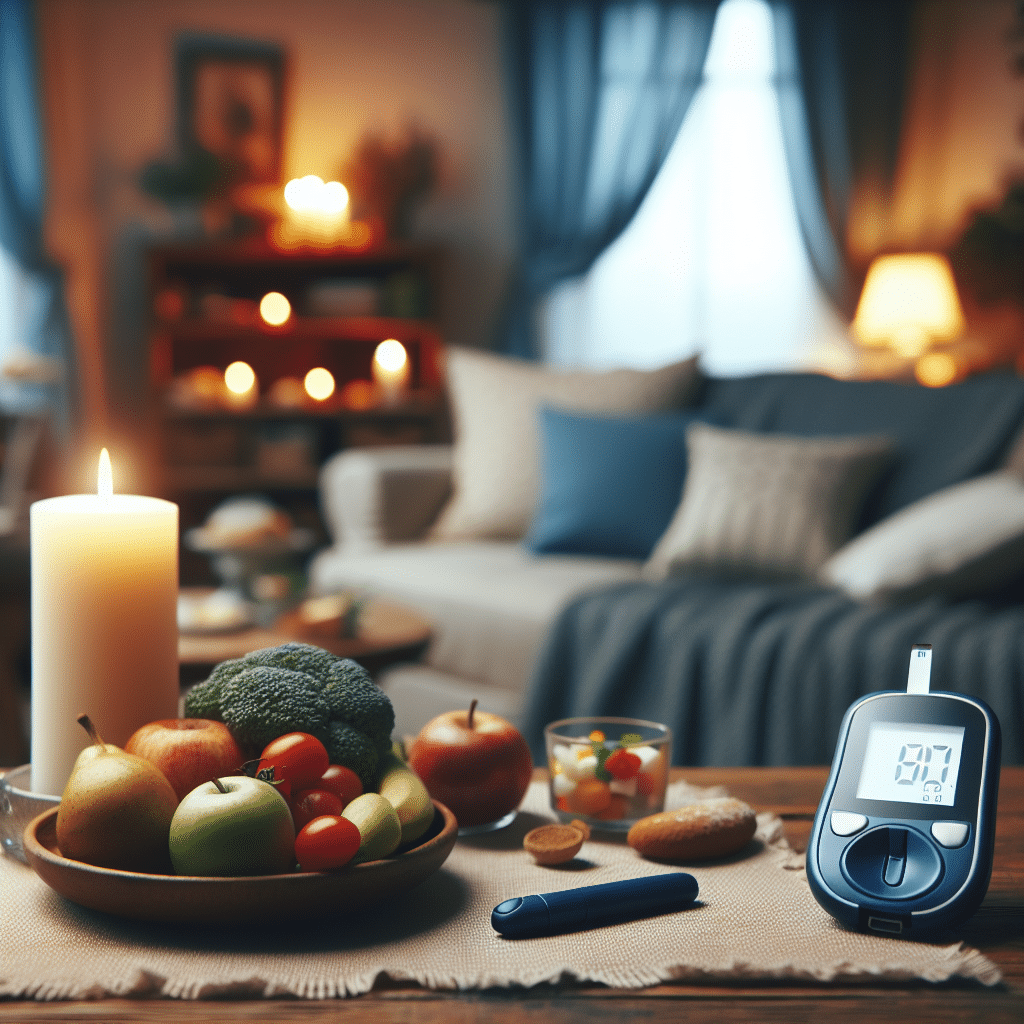
Monitoring your blood sugar levels is a crucial aspect of managing hyperglycemia effectively. Self-monitoring of blood glucose allows you to track your sugar levels regularly and make informed choices about your diet, exercise, and medication. By using a blood glucose meter, you can easily measure your blood sugar levels at home or on the go. It involves pricking your finger with a lancet and placing a small drop of blood on a test strip. The meter then displays your blood sugar reading within seconds. Regular monitoring helps you identify any spikes or drops in your blood sugar levels and allows you to take appropriate action.
1.2 Continuous glucose monitoring
Continuous glucose monitoring (CGM) is another helpful tool for managing hyperglycemia. CGM systems use a tiny sensor inserted under the skin to measure glucose levels in the interstitial fluid. It provides real-time data on your blood sugar levels throughout the day, helping you to identify patterns and trends. CGM systems can also send alerts when your sugar levels are too high or low, allowing you to take immediate action. This technology provides valuable insights into how your body responds to different foods, activities, and medications, enabling you to make more informed decisions about managing your hyperglycemia.
2. Healthy Eating
2.1 Follow a balanced diet
Adopting a balanced diet is essential for managing hyperglycemia effectively. Focus on consuming a variety of nutrient-dense foods that provide a combination of carbohydrates, proteins, and healthy fats. Include plenty of fruits, vegetables, whole grains, lean proteins, and low-fat dairy products in your meals. Eating a balanced diet helps regulate your blood sugar levels, provides necessary nutrients, and supports overall health.
2.2 Limit carbohydrate intake
Carbohydrates directly impact your blood sugar levels, so it’s crucial to monitor and limit your carbohydrate intake. Opt for complex carbohydrates such as whole grains, legumes, and vegetables, as they are digested slowly and have a smaller impact on blood sugar levels. Avoid sugary foods and beverages, as they can cause sharp spikes in blood sugar. Working with a registered dietitian can help you create a personalized meal plan based on your specific dietary needs and preferences.
2.3 Increase fiber intake
Fiber plays a vital role in managing blood sugar levels. It helps slow down the absorption of glucose, preventing sudden spikes. Include plenty of fiber-rich foods like whole grains, fruits, vegetables, and legumes in your diet. Aim for at least 25-30 grams of fiber per day to support a healthy digestive system and keep your blood sugar levels stable.
2.4 Choose healthy fats
While it’s important to limit unhealthy fats, incorporating healthy fats into your diet can have numerous benefits. Healthy fats, such as those found in avocados, nuts, and olive oil, can help improve insulin sensitivity and maintain stable blood sugar levels. However, moderation is key, as fats are high in calories. Aim to include a small amount of healthy fats in each meal to achieve a balanced diet.
2.5 Portion control
Controlling portion sizes is vital for managing hyperglycemia. Be mindful of the amount of food you consume, and avoid overeating. Consider using smaller plates and bowls to control portion sizes visually. Opt for measuring cups or a food scale to accurately portion out your meals. By practicing portion control, you can better manage your blood sugar levels and maintain a healthy weight.
2.6 Avoid sugary beverages
Sugary beverages like soda, fruit juices, and sweetened tea can cause a rapid rise in blood sugar levels due to their high sugar content. It’s best to avoid these beverages altogether and opt for healthier alternatives such as water, unsweetened tea, or infused water with fruits or herbs. Staying hydrated is important for overall health and can also help regulate blood sugar levels.
2.7 Stay hydrated
Hydration is essential for managing hyperglycemia. Drinking an adequate amount of water helps your body maintain a proper balance of fluids and supports kidney function. Aim to drink at least 8 cups (64 ounces) of water per day, or more if recommended by your healthcare provider. Keep a water bottle with you throughout the day to remind yourself to stay hydrated, especially during physical activity or in hot weather.
3. Regular Physical Activity
3.1 Importance of exercise
Regular physical activity is highly beneficial in managing hyperglycemia. Exercise helps lower blood sugar levels, improves insulin sensitivity, and promotes weight loss. It also reduces the risk of cardiovascular complications associated with hyperglycemia. Engaging in physical activity can be as simple as taking a brisk walk, swimming, cycling, or participating in your favorite sport. Aim for at least 150 minutes of moderate-intensity aerobic activity, spread over several days of the week. Always consult your healthcare provider before starting any new exercise routine.
3.2 Types of exercises to consider
Different types of exercises have various benefits for managing hyperglycemia. Cardiovascular exercises, such as brisk walking, biking, or jogging, help improve heart health and increase insulin sensitivity. Strength training exercises, using resistance bands or weights, build muscle mass and aid in better glucose control. Flexibility exercises like yoga and stretching promote relaxation and improve joint mobility. A combination of these exercises can provide optimal results. Choose activities you enjoy to make regular exercise a sustainable part of your routine.
3.3 Exercise precautions
While exercise is beneficial, certain precautions are necessary when managing hyperglycemia. If your blood sugar levels are too high or you haven’t exercised in a while, consult your healthcare provider before starting a new exercise routine. Check your blood sugar before and after exercising to ensure it’s within a safe range. Always carry a source of fast-acting carbohydrates, like glucose tablets or fruit juice, for emergency situations when your blood sugar drops too low during physical activity.
3.4 Talk to your doctor
Before embarking on any exercise program, it’s essential to discuss your plans with your healthcare provider. They can evaluate your medical condition, assess any potential risks, and provide personalized recommendations. Your healthcare provider may also suggest adjusting your medication or insulin regimen to accommodate your exercise routine effectively. Regular communication with your healthcare team ensures safe and effective management of your hyperglycemia.
4. Medications and Insulin Management
4.1 Oral medications
Oral medications, such as metformin, sulfonylureas, or thiazolidinediones, are often prescribed to manage hyperglycemia. These medications work by either improving insulin sensitivity or increasing insulin production. It’s important to take these medications as prescribed and follow your healthcare provider’s instructions. They may also advise periodic blood tests to monitor their effectiveness and adjust the dosage if necessary.
4.2 Insulin therapy
Insulin therapy is necessary for individuals with hyperglycemia who cannot adequately control their blood sugar levels with oral medications alone. Insulin is a hormone that helps regulate blood sugar by allowing glucose to enter cells for energy. Different types of insulin are available, each with specific onset and duration times. Insulin can be administered using injections, insulin pens, or an insulin pump. Work closely with your healthcare provider to determine the appropriate insulin regimen and learn proper injection techniques.
4.3 Importance of consistent medication use
Consistency in medication use is crucial for managing hyperglycemia effectively. It’s important to take your medications or administer insulin as prescribed by your healthcare provider. Skipping doses or not taking medication regularly can lead to uncontrolled blood sugar levels. If you have any concerns about your medications, side effects, or difficulties with adherence, discuss them with your healthcare provider. They can provide guidance and alternative solutions to ensure consistent medication use.
4.4 Regular insulin adjustments
Insulin requirements may change over time due to various factors like weight fluctuations, exercise routines, or changes in diet. Regular monitoring of blood sugar levels, in collaboration with your healthcare provider, allows for necessary adjustments to insulin dosages. Your healthcare provider may recommend specific insulin adjustments based on your blood sugar readings and overall health. It’s crucial to communicate any changes or concerns to your healthcare provider to optimize your insulin therapy.
4.5 Know the signs of medication side effects
Like any medication, diabetes medications and insulin can have side effects. It’s essential to be aware of the potential side effects and promptly report any unusual symptoms to your healthcare provider. Common side effects may include nausea, diarrhea, weight gain, or low blood sugar (hypoglycemia). Understanding the potential side effects helps your healthcare provider make necessary adjustments to your medication regimen, ensuring safer and more effective management of your hyperglycemia.
5. Stress Management
5.1 Recognize and reduce stress
Stress can significantly impact blood sugar levels and make managing hyperglycemia more challenging. It’s important to recognize and reduce stress in your daily life. Find activities that help you relax and unwind, such as practicing mindfulness, deep breathing exercises, or engaging in a hobby you enjoy. Identifying and addressing the root causes of stress, such as work pressures or relationship issues, can also contribute to stress reduction.
5.2 Relaxation techniques
Incorporate relaxation techniques into your daily routine to manage stress effectively. Techniques like deep breathing exercises, progressive muscle relaxation, or meditation can promote relaxation of the mind and body. These practices help reduce stress hormones in the body, resulting in improved blood sugar control. Experiment with different techniques to find what works best for you, and make it a daily habit.
5.3 Seek support from loved ones
Having a strong support system is vital in managing hyperglycemia. Share your concerns and challenges with your loved ones, and let them be a source of emotional support. They can help you stay motivated, hold you accountable for your self-care routines, and provide encouragement on your journey to managing hyperglycemia. Seeking support from a diabetes support group or online community can also offer valuable insights and help you feel less alone in your experience.
6. Getting Enough Sleep
6.1 Importance of quality sleep
Quality sleep plays a significant role in managing hyperglycemia. Sleep deprivation can lead to increased insulin resistance, higher fasting blood sugar levels, and difficulty in maintaining a healthy weight. Aim for 7-9 hours of uninterrupted sleep each night to support overall health and blood sugar control.
6.2 Tips for better sleep
Establishing good sleep habits can help improve the quality and duration of your sleep. Create a relaxing bedtime routine by engaging in activities such as reading, taking a warm bath, or practicing relaxation techniques. Make your sleeping environment comfortable, dark, and quiet, and avoid stimulating activities or electronic devices close to bedtime. Establishing a consistent sleep schedule, even on weekends, can also contribute to better sleep quality.
7. Regular Medical Check-ups
7.1 Frequency of medical check-ups
Regular medical check-ups are essential for managing hyperglycemia effectively. The frequency of these check-ups may vary based on your individual needs and healthcare provider’s recommendations. Generally, individuals with hyperglycemia should visit their healthcare provider every 3-6 months for routine check-ups. These appointments allow for ongoing monitoring of blood sugar levels, medication adjustments, and assessments of overall health.
7.2 Importance of laboratory tests
Laboratory tests, such as the A1C test, lipid profile, and kidney function tests, provide valuable insights into your overall health and diabetes management. The A1C test measures your average blood sugar levels over the past few months, indicating the effectiveness of your treatment plan. Lipid profiles help assess cholesterol levels, while kidney function tests evaluate the health of your kidneys. These tests are vital for early detection of potential complications and guiding appropriate treatment decisions.
7.3 Discuss any concerns with your healthcare provider
Open communication with your healthcare provider is crucial in managing hyperglycemia. If you have any concerns or questions regarding your condition, treatment plan, or lifestyle modifications, don’t hesitate to discuss them with your healthcare provider. They can address your concerns, provide guidance, and make necessary adjustments to your treatment plan based on your individual needs. Regularly scheduled appointments provide the perfect opportunity to discuss any concerns and ensure you’re receiving the most appropriate care.
8. Managing Other Medical Conditions
8.1 Hypertension management
Individuals with hyperglycemia often have an increased risk of developing hypertension (high blood pressure). Managing hypertension is crucial for overall health and effective hyperglycemia management. Lifestyle modifications, such as a balanced diet, regular exercise, stress reduction, and adherence to prescribed medications, can help control blood pressure. Always monitor your blood pressure regularly and consult your healthcare provider for guidance on hypertension management.
8.2 Cholesterol control
Hyperglycemia and high cholesterol often go hand in hand. Elevated cholesterol levels can increase the risk of cardiovascular complications. Diet modifications, regular exercise, and certain medications can help manage cholesterol levels. It’s important to work with your healthcare provider to monitor your cholesterol levels regularly and develop a plan to control and maintain healthy cholesterol levels.
8.3 Weight management
Maintaining a healthy weight is essential for managing hyperglycemia effectively. Excess weight can contribute to insulin resistance and difficulty in blood sugar control. Work with your healthcare provider and registered dietitian to develop a personalized weight management plan. This plan may include a combination of a balanced diet, regular physical activity, and behavioral changes to achieve and maintain a healthy weight.
9. Understanding Hyperglycemia Symptoms
9.1 Recognizing symptoms of hyperglycemia
Understanding the symptoms of hyperglycemia is crucial for timely management. Common symptoms include frequent urination, increased thirst, unexplained weight loss, fatigue, blurred vision, and slow healing wounds. If you experience any of these symptoms, it’s important to measure your blood sugar levels and consult your healthcare provider for further guidance and appropriate treatment adjustments.
9.2 Treating high blood sugar levels promptly
If you experience high blood sugar levels, it’s important to take prompt action. Follow your healthcare provider’s instructions on adjusting your insulin or medication doses. Stay well-hydrated by drinking plenty of water and avoid foods high in carbohydrates or added sugars. Engaging in physical activity, if advised and safe, can also help lower blood sugar levels. Regularly monitoring your blood sugar levels assists in assessing the effectiveness of your treatment plan and making necessary adjustments.
10. Emergency Situations and When to Seek Medical Assistance
10.1 Knowing when to seek emergency care
In certain situations, hyperglycemia may become a medical emergency. Seek immediate medical assistance if you experience severe symptoms such as extreme thirst, frequent urination, confusion, nausea or vomiting, abdominal pain, rapid breathing, or a fruity odor on your breath. These symptoms may indicate diabetic ketoacidosis (DKA), a potentially life-threatening condition that requires urgent medical attention.
10.2 Importance of having an emergency plan
Having an emergency plan is crucial for managing hyperglycemia effectively. Ensure your loved ones and close contacts are aware of your condition and know what to do in case of an emergency. Provide them with important contact information for your healthcare provider and emergency services. Carry a medical alert ID to notify medical professionals of your condition. Preparing for emergencies can minimize the risks associated with hyperglycemia and ensure timely medical intervention if needed.
In conclusion, managing hyperglycemia requires a comprehensive approach that includes self-monitoring of blood sugar levels, healthy eating, regular physical activity, proper medication and insulin management, stress management, quality sleep, regular medical check-ups, managing other medical conditions, understanding hyperglycemia symptoms, and being prepared for emergency situations. By following these guidelines and working closely with your healthcare provider, you can effectively manage your hyperglycemia and maintain overall health and well-being. Remember, you’re not alone on this journey, and with the right support and guidance, you can successfully navigate the challenges of hyperglycemia management.