
Are you struggling to manage high blood sugar levels? Look no further than our comprehensive guide on hyperglycemia treatment. This article aims to provide you with valuable information and practical tips to effectively control and treat hyperglycemia. Whether you are newly diagnosed or have been living with diabetes for years, we have you covered. Discover the latest treatment options, lifestyle modifications, and expert advice to help you maintain optimal blood sugar levels and lead a healthier, more fulfilling life. Say goodbye to the stress of managing hyperglycemia and say hello to a brighter, more empowered future. Let’s get started!

Understanding Hyperglycemia
Definition of Hyperglycemia
Hyperglycemia is a medical condition characterized by high blood sugar levels. It occurs when the body doesn’t produce enough insulin or doesn’t effectively use the insulin it produces. Insulin is a hormone that helps regulate blood sugar levels by allowing glucose to enter the body’s cells. When there is a lack of insulin or insulin resistance, the glucose remains in the bloodstream, resulting in hyperglycemia.
Causes of Hyperglycemia
Several factors can contribute to the development of hyperglycemia. In individuals with diabetes, hyperglycemia can occur due to factors such as insufficient insulin doses, improper administration of medication, or inadequate management of the condition. Other causes include stress, illness or infection, certain medications, hormonal imbalances, and even excessive intake of carbohydrates.
Symptoms of Hyperglycemia
Recognizing Hyperglycemia Symptoms
Being aware of the signs and symptoms of hyperglycemia is crucial for early detection and timely management. Common symptoms include frequent urination, increased thirst, unexplained weight loss, fatigue, blurred vision, slow wound healing, and recurrent infections. If you experience any of these symptoms, it’s important to consult with a healthcare professional for a proper diagnosis.
Effects of Untreated Hyperglycemia
If left untreated, hyperglycemia can lead to serious complications. Prolonged high blood sugar levels can damage various organs and systems in the body. It can negatively impact the cardiovascular system, increasing the risk of heart disease and stroke. Uncontrolled hyperglycemia can also cause damage to the kidneys, eyes, nerves, and blood vessels. Additionally, it can lead to a life-threatening condition called diabetic ketoacidosis (DKA) in individuals with diabetes.
Diagnosing Hyperglycemia
Screening for Hyperglycemia
Screening for hyperglycemia is typically done through blood glucose testing. A fasting blood sugar test measures your blood glucose level after you have not eaten for several hours. Another test called the oral glucose tolerance test (OGTT) involves drinking a sugary solution and then having blood glucose levels checked at different intervals. These tests help identify high blood sugar levels and determine the presence of hyperglycemia.
Diagnostic Tests for Hyperglycemia
Once hyperglycemia is detected, healthcare professionals may perform additional diagnostic tests to assess its severity and potential underlying causes. These tests may include A1C tests to measure average blood sugar levels over the past few months and further blood tests to evaluate kidney and liver function, lipid levels, and thyroid function. These tests allow healthcare providers to develop an appropriate treatment plan tailored to your specific needs.
Treating Hyperglycemia at Home
Self-Management Techniques
Managing hyperglycemia at home is crucial for maintaining optimal blood sugar control. This includes following a regular exercise routine, monitoring blood glucose levels frequently, and taking prescribed medications as instructed. Additionally, stress management techniques, such as mindfulness and relaxation exercises, can be beneficial in managing blood sugar levels. It’s important to work closely with your healthcare team to develop an individualized self-management plan.
Dietary Measures for Hyperglycemia
Diet plays a significant role in managing hyperglycemia. Consider adopting a balanced eating plan that avoids excessive consumption of sugary and high-carbohydrate foods. Focus on incorporating whole grains, lean proteins, fruits, vegetables, and healthy fats into your meals. Limiting portion sizes and spreading meals throughout the day can also help regulate blood sugar levels. Working with a registered dietitian who specializes in diabetes can provide personalized guidance and meal planning tips.
Medications for Hyperglycemia
Oral Medications
For individuals with type 2 diabetes, oral medications may be prescribed to help lower blood sugar levels and manage hyperglycemia. These medications work in different ways, such as stimulating insulin production, increasing insulin sensitivity, or reducing the production of glucose in the liver. Examples of commonly prescribed oral medications include metformin, sulfonylureas, and thiazolidinediones. It’s important to take these medications as directed and regularly monitor blood sugar levels.
Insulin Therapy Options
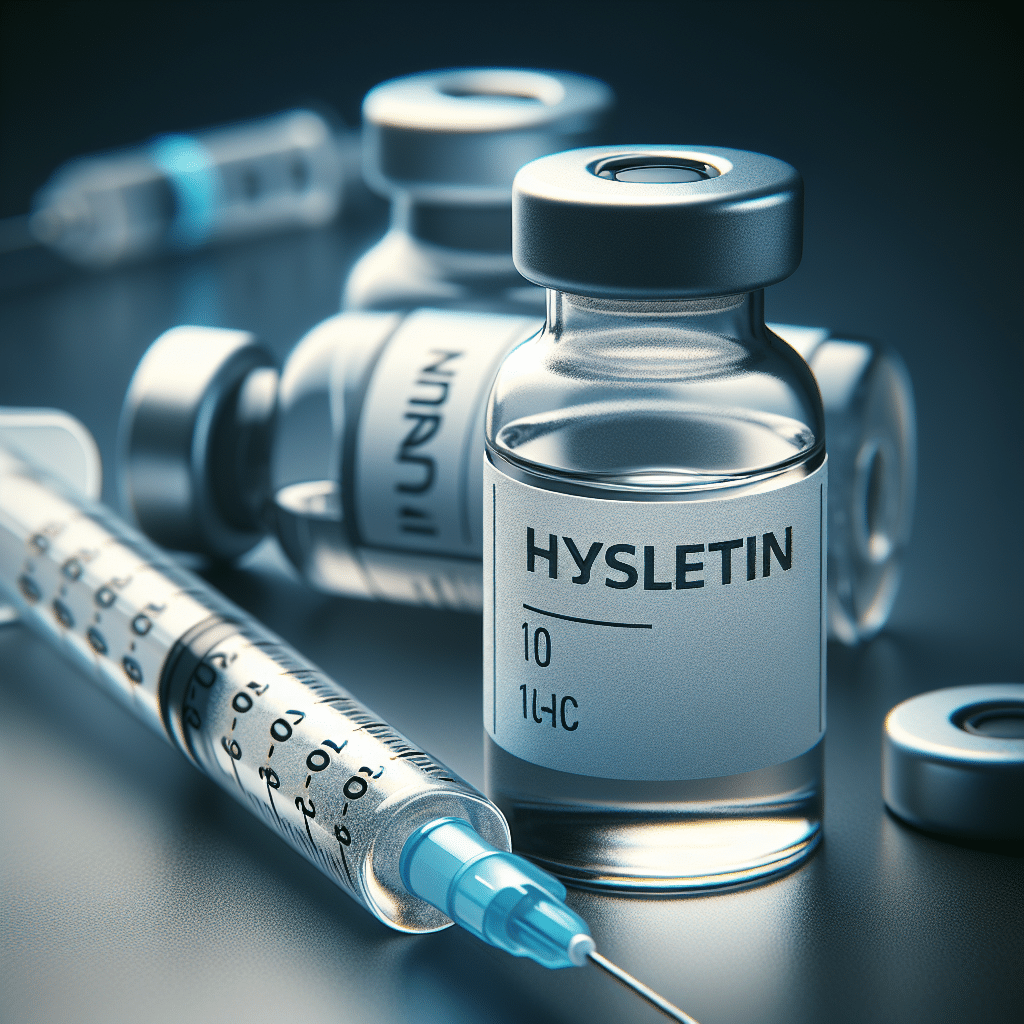
In some cases of hyperglycemia, especially in individuals with type 1 diabetes or advanced type 2 diabetes, insulin therapy may be necessary. Insulin is administered through injection or an insulin pump to regulate blood sugar levels effectively. There are different types of insulin available, including rapid-acting, short-acting, intermediate-acting, and long-acting insulin. Your healthcare provider will determine the most suitable regimen and dosage based on your individual needs and lifestyle.
Monitoring Blood Glucose Levels
Importance of Regular Monitoring
Regular monitoring of blood glucose levels is essential in managing hyperglycemia. It allows you to understand how your body responds to different factors, such as food, physical activity, stress, and medications. Monitoring helps identify patterns and trends, enabling adjustments to be made to your treatment plan as needed. By keeping blood sugar levels within a target range, you can reduce the risk of complications and maintain overall well-being.
Methods for Measuring Blood Glucose
There are various methods available to measure blood glucose levels. The most common and convenient approach is using a blood glucose meter to obtain a small blood sample from a finger prick. Continuous glucose monitoring (CGM) systems provide real-time glucose readings throughout the day and night. Some CGM systems can also alert you to potential highs and lows, helping you take proactive steps to manage hyperglycemia effectively.
Preventing Hyperglycemia
Healthy Lifestyle Habits
Preventing hyperglycemia involves adopting and maintaining healthy lifestyle habits. Regular exercise helps improve insulin sensitivity and can contribute to better blood sugar control. Aim for at least 150 minutes of moderate-intensity aerobic activity per week, along with strength training exercises. Additionally, getting sufficient sleep, managing stress levels, and maintaining a healthy weight are all important in preventing hyperglycemia.
Managing Diabetes Mellitus
Individuals diagnosed with diabetes mellitus must take long-term measures to manage their condition and prevent hyperglycemia. This includes following a balanced diet, engaging in regular physical activity, monitoring blood sugar levels, and taking prescribed medications as directed. Regular check-ups with healthcare professionals are vital for ongoing assessment and adjustments to the treatment plan, ensuring optimal management and prevention of hyperglycemia.
Complications of Hyperglycemia
Short-Term and Long-Term Complications
Untreated or poorly managed hyperglycemia can lead to a range of complications. Short-term complications may include diabetic ketoacidosis (DKA) and hyperglycemic hyperosmolar state (HHS), both of which require immediate medical attention. Long-term complications can include cardiovascular disease, kidney disease, nerve damage, retinopathy (eye damage), foot ulcers, and increased susceptibility to infections. It is crucial to control blood sugar levels to mitigate the risk of these complications.
Treatment Options for Complications
If complications arise due to hyperglycemia, various treatment options are available depending on the specific complication and its severity. These treatments may include medication adjustments, lifestyle modifications, surgical interventions, or specialized therapies. It is essential to work closely with healthcare professionals to develop a personalized treatment plan and prevent further progression of complications.
Hyperglycemia in Special Populations
Hyperglycemia in children
Children can also experience hyperglycemia, particularly among those with type 1 diabetes. It is vital for parents and caregivers to be vigilant about monitoring blood glucose levels and recognizing symptoms of high blood sugar. Strict adherence to a diabetes management plan, with regular insulin administration, dietary management, and close communication with healthcare professionals, is necessary to ensure optimal control of hyperglycemia in children.
Hyperglycemia in pregnant women
Gestational diabetes can lead to hyperglycemia during pregnancy. This condition requires careful monitoring and management to safeguard the health of both the mother and the baby. Pregnant women with hyperglycemia may need to adjust their diet, engage in regular physical activity, and may require insulin therapy under the guidance of healthcare professionals. Close monitoring and regular prenatal care are essential in managing hyperglycemia during pregnancy.
Emergency Treatments for Hyperglycemia
When to Seek Emergency Care
In some cases, hyperglycemia can become a medical emergency. If you experience severe symptoms such as extreme thirst, rapid breathing, fruity-smelling breath, confusion, or loss of consciousness, it is crucial to seek immediate medical care. These symptoms may indicate a life-threatening condition such as diabetic ketoacidosis or hyperglycemic hyperosmolar state, which require prompt intervention to stabilize blood sugar levels and prevent further complications.
Resolving Hyperglycemia Emergencies
Emergency treatment for hyperglycemia typically involves hospitalization and close monitoring. Intravenous fluids are administered to restore hydration levels and correct electrolyte imbalances. Insulin therapy may also be required to rapidly lower blood sugar levels. Healthcare professionals will conduct comprehensive assessments, initiate appropriate treatments, and provide education on preventing future hyperglycemia emergencies.
In conclusion, understanding hyperglycemia is vital for its effective management and prevention of complications. By recognizing the symptoms, undergoing appropriate screening and diagnostic tests, adopting healthy lifestyle habits, taking prescribed medications, monitoring blood glucose levels, and seeking timely medical care, individuals can effectively manage hyperglycemia and lead a healthy life. Regular communication and collaboration with healthcare professionals are essential in developing personalized treatment plans tailored to each individual’s needs.