
When it comes to ingrown toenails, there are important nursing considerations that you need to keep in mind. Whether you are a practicing nurse or simply have an interest in healthcare, understanding the nursing management for this condition is crucial. In this article, we will explore key points and guidance on how to effectively care for patients with ingrown toenails. From assessing the severity of the condition to implementing appropriate treatment methods, you will gain valuable insight that will enhance your nursing practice and ensure the best possible care for those affected by this common foot ailment.

Assessment
Assessing the Patient’s Medical History
When dealing with an ingrown toenail, it is essential to begin by assessing the patient’s medical history. This includes asking questions about any previous treatments or surgeries the patient has had related to their feet, the presence of any underlying health conditions, and medication use. Understanding the patient’s medical history will provide insight into potential risk factors that may contribute to the development of ingrown toenails.
Performing a Physical Examination of the Affected Area
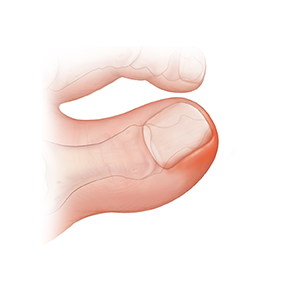
Once the medical history has been gathered, the next step is to perform a physical examination of the affected area. In the case of an ingrown toenail, this involves careful observation and assessment of the affected toe(s), looking for signs of redness, swelling, tenderness, or any signs of infection. It is vital to examine the nail bed and surrounding tissues to determine the severity of the condition and the appropriate course of treatment.
Assessing the Severity of the Ingrown Toenail
Assessing the severity of the ingrown toenail is crucial for developing an effective treatment plan. This assessment involves evaluating the extent of inflammation, the progression of the ingrown nail, and the presence of any complications such as infection or abscess. By determining the severity of the condition, healthcare professionals can prioritize their interventions and provide appropriate care to alleviate the patient’s symptoms and promote healing.
Evaluating the Patient’s Level of Pain and Discomfort
One of the key aspects of assessing a patient with an ingrown toenail is evaluating the level of pain and discomfort they are experiencing. Pain associated with an ingrown toenail can range from mild to severe and can significantly impact a patient’s quality of life. Proper pain management is essential to provide comfort and enhance the healing process. Assessing the patient’s pain level will help determine the most appropriate pain management strategies and interventions to implement.
Patient Education
Providing Information about Ingrown Toenails
As a healthcare professional, it is essential to provide patients with comprehensive information about ingrown toenails. This includes explaining what an ingrown toenail is, how it develops, and the potential complications that can arise if not addressed properly. By providing accurate information, patients can better understand their condition and actively participate in their treatment plan.
Explaining the Causes and Risk Factors
Understanding the causes and risk factors of ingrown toenails is crucial for patients to prevent future occurrences. By explaining that ingrown toenails can be caused by improper nail trimming techniques, tight-fitting shoes, trauma, or genetic factors, patients can become more aware of behaviors or situations that may contribute to their condition. By identifying and avoiding these risk factors, patients can significantly reduce the likelihood of experiencing future ingrown toenails.
Discussing Proper Foot Care and Hygiene
Proper foot care and hygiene play a significant role in the prevention and management of ingrown toenails. The healthcare professional should educate patients on the importance of keeping their feet clean and dry, trimming their nails correctly, and wearing appropriate footwear. By promoting good foot care practices, patients can maintain healthy feet and prevent the development of ingrown toenails or other foot-related issues.
Educating on Nail Trimming Techniques
Improper nail trimming techniques are a common cause of ingrown toenails. Therefore, it is vital to educate patients on the correct method of trimming their nails. This includes emphasizing the importance of cutting straight across the nail, avoiding rounding the corners, and not cutting the nails too short. Educating patients on proper nail trimming techniques will help prevent the nail from growing into the surrounding skin and reduce the risk of ingrown toenails.
Explaining the Importance of Wearing Comfortable Footwear
The footwear we choose can have a significant impact on our foot health. When it comes to preventing ingrown toenails, it is important to explain to patients the importance of wearing comfortable and properly-fitting shoes. Tight or narrow shoes can contribute to the development of ingrown toenails by putting excessive pressure on the toes. By encouraging patients to wear shoes that allow for adequate toe room and support, the risk of ingrown toenails can be significantly reduced.

Pain Management
Assessing the Patient’s Pain Level
Assessing the patient’s pain level is crucial for determining the most appropriate pain management strategies. Pain associated with an ingrown toenail can range from mild discomfort to severe and debilitating pain. Healthcare professionals should use standardized pain assessment tools or scales to obtain an accurate understanding of the patient’s pain experience. This assessment will guide the selection of appropriate pain management interventions.
Administering Appropriate Pain Medication
In some cases, pain medication may be required to manage the discomfort associated with an ingrown toenail. Nonsteroidal anti-inflammatory drugs (NSAIDs) such as ibuprofen or acetaminophen can be used to alleviate pain and reduce inflammation. Prescription-strength pain medications may be necessary for severe pain. Healthcare professionals should carefully evaluate the patient’s medical history, allergies, and any contraindications before prescribing pain medication.
Instructing the Patient on Non-pharmacological Pain Relief Techniques
In addition to medication, healthcare professionals should also educate patients on non-pharmacological pain relief techniques. These techniques may include the use of ice or cold packs to reduce swelling and numb the area, elevation to promote blood circulation and reduce edema, or the use of topical analgesics for localized pain relief. These non-pharmacological interventions can complement the use of medication and provide additional comfort to the patient.
Monitoring the Effectiveness of Pain Management Strategies
Once pain management interventions have been implemented, it is crucial to monitor their effectiveness. Regularly evaluating the patient’s pain level and assessing their response to the interventions will help healthcare professionals determine if adjustments or changes are necessary. By closely monitoring the patient’s pain management strategies, healthcare professionals can ensure that the patient’s comfort is optimized throughout the healing process.
Wound Care
Cleaning the Affected Area
Proper wound care is essential to promote healing and prevent infection in the case of an ingrown toenail. One of the initial steps in wound care is to clean the affected area thoroughly. This involves gently washing the toe with mild soap and warm water, making sure to remove any debris or discharge. It is essential to use a gentle touch and avoid causing further irritation or damage to the area.
Applying Appropriate Dressings
After the affected area has been properly cleaned, appropriate dressings should be applied. The choice of dressing will depend on the severity of the ingrown toenail and the presence of any complications. For mild cases, simple sterile gauze or non-adherent dressings may be sufficient. For more severe cases or those with signs of infection, antimicrobial dressings or wound gels may be needed. The dressing should be applied snugly but not too tight to avoid impeding blood circulation.
Teaching the Patient How to Clean and Dress the Wound at Home
To promote proper wound healing, it is essential to educate the patient on how to clean and dress the wound at home. Healthcare professionals should provide detailed instructions on the frequency of dressings changes, proper cleaning techniques, and signs of infection or complications. By empowering patients to take an active role in their wound care, they can contribute to their own healing process and prevent further complications.
Monitoring the Wound for Signs of Infection
As part of the wound care process, healthcare professionals must monitor the wound for signs of infection. These signs may include increased redness, swelling, warmth, or the presence of pus or an unpleasant odor. If any signs of infection are present, it is important to promptly seek medical attention. By closely monitoring the wound, healthcare professionals can identify and address any potential complications, ensuring optimal healing for the patient.

Prevention Strategies
Educating Patients on Prevention Techniques
Prevention is a crucial aspect of managing ingrown toenails. Healthcare professionals should take the opportunity to educate patients on various prevention techniques to minimize the likelihood of future occurrences. This includes providing information on proper nail trimming techniques, the importance of good foot hygiene, and the risks associated with tight-fitting shoes. By empowering patients with knowledge, they can make informed choices regarding their foot health.
Promoting Proper Nail Trimming
Improper nail trimming is a common cause of ingrown toenails. Healthcare professionals should emphasize the importance of proper nail trimming techniques to patients. Educate patients on cutting straight across the nail, avoiding rounding the corners to prevent the nail from growing into the surrounding skin. Healthcare professionals can also demonstrate the correct technique, ensuring patients have a visual reference for reference.
Encouraging the Use of Open-Toe Shoes
To help prevent ingrown toenails, healthcare professionals can encourage patients to wear open-toe shoes whenever possible. Open-toe shoes provide more room for the toes to move and reduce the chances of the nail becoming ingrown due to pressure or friction. Inform patients about the benefits of open-toe shoes and suggest they consider this footwear option especially during warmer months or in environments where it is appropriate.
Emphasizing the Importance of Regular Foot Inspections
Regular foot inspections play a vital role in preventing and managing ingrown toenails. Encourage patients to inspect their feet regularly for any signs of redness, swelling, or tenderness that may indicate the onset of an ingrown toenail. By promptly identifying and addressing any early signs, patients can seek appropriate care and prevent the condition from worsening. Education on foot inspections empowers patients to take an active role in their foot health.
Referral and Collaboration
Referring the Patient to a Podiatrist or Foot Specialist
In some cases, the expertise of a podiatrist or foot specialist may be necessary to manage complex or recurrent ingrown toenails. As a healthcare professional, it is important to recognize when a referral to a specialist is warranted. A podiatrist or foot specialist will have in-depth knowledge and experience in treating conditions related to the foot and can provide targeted interventions and specialized care to address the patient’s specific needs.
Collaborating with Other Healthcare Professionals for Comprehensive Care
Collaboration with other healthcare professionals is essential to ensure comprehensive care for patients with ingrown toenails. This may include working with physical therapists, orthopedic specialists, or wound care specialists. By working together, healthcare professionals can provide a multidisciplinary approach that addresses all aspects of the patient’s condition and promotes optimal healing and recovery.
Seeking Consultation When Necessary
In complex cases or situations where the optimal course of treatment is not clear, seeking consultation from other healthcare professionals is essential. This may involve reaching out to colleagues or specialists to discuss the case, obtain additional advice, or explore alternative treatment options. By seeking consultation when necessary, healthcare professionals can ensure they are providing the best possible care for their patients.
Patient Comfort
Assessing the Patient’s Comfort Level
Assessing the patient’s comfort level is vital to provide individualized care. Healthcare professionals should regularly inquire about the patient’s level of comfort and any specific areas of discomfort they may be experiencing. By understanding the patient’s comfort needs, healthcare professionals can tailor their interventions and make adjustments to ensure the patient’s overall comfort and well-being.
Suggesting Relaxation Techniques
In addition to pain management strategies, suggesting relaxation techniques can help enhance the patient’s overall comfort. Relaxation techniques such as deep breathing exercises, guided imagery, or progressive muscle relaxation can help alleviate stress and tension, promoting a sense of calm and relaxation. Healthcare professionals can provide instructions or recommend resources for patients to explore these techniques and find the ones that work best for them.
Providing Pillows or Cushions for Elevation
Elevation of the affected foot can help reduce swelling and discomfort associated with ingrown toenails. Healthcare professionals can suggest providing pillows or cushions for the patient to elevate their foot while resting or sleeping. This simple intervention can help improve blood circulation and alleviate pain, providing the patient with greater comfort during their recovery.
Offering Foot Baths or Warm Soaks for Pain Relief
Foot baths or warm soaks can provide pain relief and promote relaxation for patients with ingrown toenails. Warm water can help soothe the affected area and reduce inflammation. Healthcare professionals can instruct patients on the proper technique for foot baths or warm soaks, including the ideal water temperature and duration. By incorporating foot baths or warm soaks into their self-care routine, patients can experience temporary relief from pain and discomfort.
Infection Control
Promoting Proper Hand Hygiene
Hand hygiene is essential in preventing the spread of infection, particularly when caring for a wound such as an ingrown toenail. Healthcare professionals should emphasize the importance of proper hand hygiene to patients, including thorough handwashing with soap and water for at least 20 seconds or the use of alcohol-based hand sanitizers. By promoting proper hand hygiene, the risk of introducing harmful bacteria to the affected area can be minimized.
Using Sterile Techniques during Wound Care
Maintaining sterile techniques during wound care is crucial to prevent the introduction of infection. Healthcare professionals should ensure they have clean hands and wear gloves when performing wound care procedures. Additionally, sterile instruments and supplies should be used when necessary. By adhering to sterile techniques, the risk of infection can be significantly reduced, promoting optimal healing for the patient.
Educating the Patient on Signs of Infection
Educating the patient on the signs of infection is essential for early detection and prompt intervention. Patients should be informed about the common signs of infection, including increased redness, swelling, warmth, or the presence of pus or an unpleasant odor. By empowering patients to recognize these signs, they can seek early medical attention, receive appropriate treatment, and prevent the infection from worsening.
Instructing the Patient on When to Seek Medical Attention for Infection
Patients should be instructed on when to seek medical attention if they suspect an infection. It is important to emphasize that early intervention is crucial to prevent the infection from spreading or causing further complications. Patients should be encouraged to contact their healthcare provider if they experience worsening symptoms, such as increasing pain, fever, or the development of new or worsening symptoms, such as red streaks extending from the wound.
Assistive Devices and Orthotics
Assessing the Need for Assistive Devices
In some cases, patients with ingrown toenails may benefit from the use of assistive devices. These devices can help alleviate pain and provide support during the healing process. Healthcare professionals should assess the patient’s need for assistive devices such as crutches, walkers, or specialized shoe inserts. By identifying and addressing the patient’s specific needs, healthcare professionals can enhance the patient’s comfort and facilitate their recovery.
Collaborating with a Physical Therapist or Orthopedic Specialist for Custom Orthotics
When it comes to addressing the specific needs of patients with ingrown toenails, collaborating with a physical therapist or orthopedic specialist can be beneficial. These professionals can provide expertise in custom orthotics, which are shoe inserts or devices designed to support and improve foot function. By working together, healthcare professionals can ensure that the patient receives the most appropriate orthotic intervention tailored to their individual needs.
Educating the Patient on Proper Use and Maintenance of Assistive Devices
Proper use and maintenance of assistive devices are important for maximizing their benefits and ensuring the patient’s safety. Healthcare professionals should provide detailed instructions on how to properly use and maintain any assistive devices prescribed. This includes demonstrating the correct technique for walking with crutches, adjusting and wearing orthotics correctly, and offering guidance on cleaning and caring for these devices. By educating patients on proper use and maintenance, they can optimize the effectiveness and longevity of the devices.
Follow-up Care
Scheduling Follow-up Appointments
Follow-up appointments are crucial to monitor the progress of the ingrown toenail and adjust the treatment plan as needed. Healthcare professionals should schedule regular follow-up appointments with patients to assess the healing process, evaluate the effectiveness of interventions, and address any new concerns or symptoms. These appointments provide an opportunity to adjust the treatment plan based on the patient’s response to care, ensuring the best possible outcome.
Assessing the Progress of the Ingrown Toenail
During follow-up appointments, healthcare professionals should carefully assess the progress of the ingrown toenail. This includes evaluating the healing of the wound, assessing if there is any improvement in pain or discomfort, and determining if there are any signs of infection or complications. By evaluating the progress of the ingrown toenail, healthcare professionals can make informed decisions regarding any necessary adjustments to the treatment plan.
Continuing Patient Education on Self-Care and Prevention
Follow-up care also provides an opportunity to continue educating patients on self-care and prevention strategies. Healthcare professionals should reinforce previous education on proper nail trimming techniques, foot hygiene, and the importance of wearing appropriate footwear. Additionally, patients can be provided with resources or handouts to help them further understand and implement preventive measures. By continuing patient education, healthcare professionals empower patients to take an active role in their foot health.
Adjusting Treatment Plan as Necessary
Based on the assessment of the patient’s progress and response to treatment, it may be necessary to adjust the treatment plan. Healthcare professionals should be flexible and adaptable, considering the patient’s individual needs and any new information that may arise. Adjustments may include modifying pain management strategies, changing wound care techniques, or exploring additional treatment options if progress is slower than anticipated. By adjusting the treatment plan as necessary, healthcare professionals can optimize patient outcomes and promote successful healing.
In conclusion, the nursing considerations and management for ingrown toenails involve a comprehensive assessment of the patient’s medical history and physical examination of the affected area. Patient education plays a crucial role in providing information about ingrown toenails, causes, and risk factors, as well as emphasizing proper foot care and nail trimming techniques. Pain management strategies, wound care, prevention techniques, and infection control measures are essential to promote optimal healing and prevent complications. Collaborating with other healthcare professionals, ensuring patient comfort, and providing follow-up care are vital components of comprehensive nursing care for patients with ingrown toenails. By addressing each aspect of care outlined in this article, healthcare professionals can provide effective and holistic management for patients with ingrown toenails.