
As you age, it’s not uncommon to experience some degree of memory loss. This phenomenon can range from occasional forgetfulness, such as misplacing keys or forgetting a name, to more significant cognitive decline that may indicate conditions like dementia or Alzheimer’s disease. Understanding the nuances of memory loss in the elderly is crucial for both caregivers and the individuals experiencing these changes.
Memory loss can stem from various factors, including natural aging processes, medical conditions, medications, and lifestyle choices. Recognizing these factors can help you differentiate between normal age-related memory changes and more serious cognitive issues. The brain undergoes numerous changes as you age, affecting its ability to store and retrieve information.
Neurons may lose connections, and the production of neurotransmitters can decline, leading to slower processing speeds and difficulties in recalling information. Additionally, external factors such as stress, depression, and anxiety can exacerbate memory issues. It’s essential to approach memory loss with empathy and understanding, acknowledging that it can be a frustrating experience for many elderly individuals.
By fostering an environment of support and patience, you can help those affected navigate their memory challenges more effectively.
Key Takeaways
- Memory loss in the elderly is a natural part of aging, but it can also be a sign of more serious conditions such as dementia or Alzheimer’s disease.
- Simple tips for improving memory in the elderly include using memory aids, staying organized, and establishing routines.
- A diet rich in antioxidants, omega-3 fatty acids, and vitamins B, C, and E can help improve memory in the elderly.
- Regular physical exercise, especially aerobic exercise, can have a positive impact on memory and cognitive function in the elderly.
- Engaging in mentally stimulating activities such as puzzles, reading, and learning new skills can help improve memory in the elderly.
- Quality sleep is essential for memory enhancement in the elderly, as it allows the brain to consolidate and store memories.
- Social engagement and staying connected with friends and family can help improve memory and overall cognitive function in the elderly.
- If memory concerns persist or worsen, it is important for the elderly to seek professional help from a healthcare provider for proper evaluation and diagnosis.
Tips for Improving Memory in the Elderly
Improving memory in the elderly is not only possible but can also be an enjoyable endeavor. One of the most effective strategies is to establish a routine. Consistency helps reinforce memory by creating a structured environment where tasks and activities are predictable.
You might consider setting specific times for daily activities, such as meals, exercise, and social interactions. This predictability can reduce cognitive load and make it easier to remember important tasks. Another helpful tip is to engage in memory-enhancing activities.
Simple exercises like crossword puzzles, Sudoku, or even playing card games can stimulate the brain and improve cognitive function. You could also encourage participation in group activities that involve problem-solving or strategy, as these can be both fun and beneficial for memory retention. Additionally, using mnemonic devices—such as acronyms or visualization techniques—can aid in remembering names, dates, or lists.
By incorporating these strategies into daily life, you can create a supportive atmosphere that promotes cognitive health.
Diet and Nutrition for Better Memory

Your diet plays a significant role in maintaining cognitive function as you age. Consuming a balanced diet rich in nutrients can have a profound impact on memory and overall brain health. Foods high in antioxidants, healthy fats, vitamins, and minerals are particularly beneficial.
For instance, incorporating fruits and vegetables like berries, leafy greens, and nuts into your meals can provide essential nutrients that support brain function. Omega-3 fatty acids found in fish such as salmon and walnuts are known to enhance cognitive abilities and may even help reduce the risk of dementia. Hydration is another critical aspect of nutrition that often goes overlooked.
Dehydration can lead to confusion and memory problems, so it’s essential to drink enough water throughout the day. You might consider keeping a water bottle nearby as a reminder to stay hydrated. Additionally, limiting processed foods high in sugar and unhealthy fats can help maintain stable energy levels and improve focus.
By prioritizing a nutritious diet, you can create a solid foundation for better memory retention and cognitive health.
Exercise and its Impact on Memory
Physical activity is not just beneficial for your body; it also plays a vital role in enhancing memory and cognitive function. Regular exercise increases blood flow to the brain, promoting the growth of new neurons and improving overall brain health. Engaging in aerobic activities like walking, swimming, or cycling can significantly boost your mood and cognitive abilities.
You might find that even short bursts of activity throughout the day can lead to improved focus and memory retention. Incorporating strength training into your routine can also be advantageous. Resistance exercises help maintain muscle mass and improve overall physical health, which is closely linked to cognitive function.
You could consider joining a local fitness class or finding a workout buddy to make exercise more enjoyable. The social aspect of exercising with others can further enhance its benefits by providing motivation and accountability. By making physical activity a regular part of your life, you can support your memory while enjoying the myriad of other health benefits it offers.
Mental Stimulation and Memory Improvement
Engaging your mind through various forms of mental stimulation is crucial for improving memory in the elderly. Activities that challenge your cognitive abilities—such as learning a new language, playing a musical instrument, or taking up a new hobby—can significantly enhance brain function. You might find that exploring new interests not only keeps your mind sharp but also adds excitement to your daily routine.
Participating in group classes or workshops can provide both mental stimulation and social interaction, which are essential for emotional well-being. Consider joining book clubs or discussion groups where you can engage in conversations about different topics. These interactions not only stimulate your mind but also foster connections with others who share similar interests.
By prioritizing mental stimulation through diverse activities, you can create an enriching environment that supports memory improvement.
Sleep and Memory Enhancement
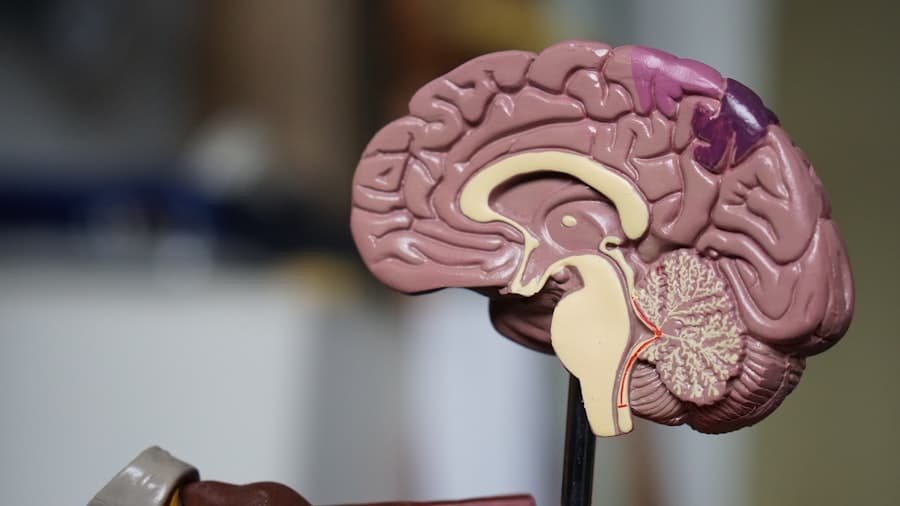
Quality sleep is often underestimated when it comes to memory enhancement. As you age, sleep patterns may change, leading to difficulties in falling asleep or staying asleep. However, adequate rest is essential for consolidating memories and maintaining cognitive function.
During sleep, your brain processes information gathered throughout the day, making it easier to recall later on. You might consider establishing a calming bedtime routine to signal to your body that it’s time to wind down. Creating an optimal sleep environment is also crucial for improving sleep quality.
Ensure your bedroom is dark, quiet, and cool to promote restful sleep. Limiting screen time before bed can help reduce distractions that interfere with your ability to fall asleep. Additionally, practicing relaxation techniques such as deep breathing or meditation can help calm your mind and prepare you for a good night’s rest.
By prioritizing sleep hygiene, you can significantly enhance your memory retention and overall cognitive health.
Social Engagement and Memory
Social engagement plays a vital role in maintaining cognitive function as you age. Interacting with others stimulates your brain and encourages mental agility through conversation and shared experiences. You might find that participating in community events or volunteering not only provides social interaction but also gives you a sense of purpose and fulfillment.
These connections can help combat feelings of loneliness or isolation that often accompany aging. Consider reaching out to friends or family members regularly to maintain those important relationships. Engaging in meaningful conversations or participating in group activities can provide both emotional support and cognitive stimulation.
You could also explore local clubs or organizations that align with your interests to meet new people and expand your social circle. By fostering social connections, you create an environment that supports both emotional well-being and memory enhancement.
Seeking Professional Help for Memory Concerns
If you or someone you know is experiencing significant memory issues, seeking professional help is essential. A healthcare provider can conduct assessments to determine whether the memory loss is part of normal aging or indicative of a more serious condition such as dementia or Alzheimer’s disease. Early intervention is crucial for managing symptoms effectively and improving quality of life.
Don’t hesitate to discuss any concerns with a doctor or specialist who can provide guidance on available treatments or therapies tailored to individual needs. They may recommend cognitive training programs or medications that could help improve memory function. Additionally, support groups for individuals experiencing memory loss can provide valuable resources and emotional support for both patients and caregivers alike.
By taking proactive steps toward addressing memory concerns, you empower yourself or your loved ones to navigate this challenging journey with greater confidence and support.
FAQs
What are some common memory problems in elderly individuals?
As people age, they may experience memory problems such as forgetfulness, difficulty recalling names or words, and trouble concentrating.
What are some strategies to improve memory in elderly individuals?
Some strategies to improve memory in elderly individuals include staying mentally active through activities like puzzles and games, getting regular physical exercise, eating a healthy diet, getting enough sleep, and practicing relaxation techniques.
How can social interaction help improve memory in elderly individuals?
Social interaction can help improve memory in elderly individuals by providing mental stimulation, reducing stress, and promoting a sense of belonging and purpose.
What role does medication play in improving memory in elderly individuals?
Medication may be prescribed by a healthcare professional to help improve memory in elderly individuals, especially in cases where memory problems are related to underlying medical conditions such as dementia or Alzheimer’s disease.
Are there any memory training programs specifically designed for elderly individuals?
Yes, there are memory training programs specifically designed for elderly individuals, such as cognitive training exercises and memory enhancement programs, which can help improve memory and cognitive function.