
If you’ve been struggling with stubborn weight gain, constant fatigue, sugar cravings, or rising blood sugar levels, there’s a strong possibility that insulin resistance symptoms, causes, and treatment are directly affecting your health—even if you haven’t been formally diagnosed yet.
As a Registered Nurse, I’ve seen this pattern repeatedly at the bedside and in outpatient care. Patients often come in thinking it’s “just weight gain” or “getting older,” when in reality, their body is quietly developing a metabolic imbalance that can lead to serious conditions like prediabetes, type 2 diabetes, heart disease, and even cognitive decline.
The good news?
Insulin resistance is reversible in many cases—especially when addressed early.
In this guide, I’ll walk you through:
- What insulin resistance really is
- Common symptoms you shouldn’t ignore
- The real causes behind it
- Proven treatment options (medical + natural)
- A practical RN-backed daily plan you can follow
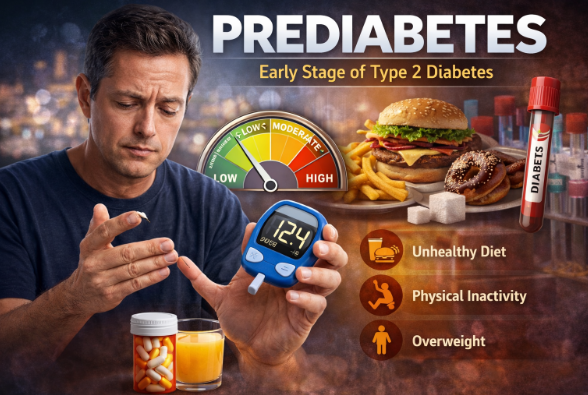
What Is Insulin Resistance?
Insulin resistance is a condition where your body’s cells stop responding properly to insulin.
Simple Explanation:
Insulin is a hormone that helps move sugar (glucose) from your bloodstream into your cells for energy.
– When you become insulin resistant:
- Your cells don’t respond well to insulin
- Your body produces more insulin to compensate
- Blood sugar levels begin to rise over time
Think of it like this:
Your body is “knocking on the door” with insulin… but your cells are not opening.
Over time, this leads to:
- Elevated blood sugar
- Increased fat storage (especially belly fat)
- Hormonal imbalance
- Progression to metabolic disorders and diabetes
Symptoms of Insulin Resistance
Insulin resistance symptoms often develop slowly and may be overlooked.
Common Early Symptoms:
- Persistent fatigue, especially after meals
- Increased hunger and frequent cravings (especially for sugar)
- Difficulty losing weight
- Weight gain around the abdomen
- Brain fog or difficulty concentrating
- Feeling sleepy after eating
Physical Signs:
- Darkened skin patches (neck, armpits) – called acanthosis nigricans
- Skin tags
- Increased waist circumference
More Advanced Symptoms:
- Elevated fasting blood sugar
- High triglycerides
- Low HDL (“good cholesterol”)
- High blood pressure
– These symptoms are often part of a broader metabolic issue, including obesity and metabolic disorder patterns.
Causes of Insulin Resistance
Understanding the causes of insulin resistance is key to reversing it.
1. Poor Diet
- High sugar intake
- Refined carbohydrates (white bread, pastries)
- Processed foods
2. Sedentary Lifestyle
- Lack of physical activity reduces insulin sensitivity
3. Excess Body Fat
- Especially visceral (belly) fat
- Fat cells release inflammatory chemicals
4. Chronic Stress
- High cortisol levels increase blood sugar
5. Poor Sleep
- Sleep deprivation disrupts hormones
6. Hormonal Imbalance
- Conditions like PCOS
- Thyroid dysfunction
7. Genetics
- Family history of diabetes or metabolic disorders
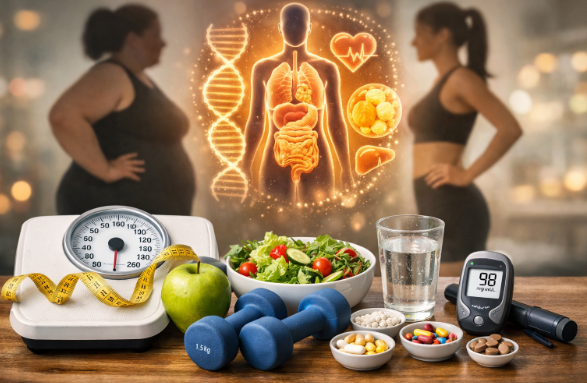
Risk Factors
You are at higher risk if you:
- Are you overweight or obese
- Have a sedentary lifestyle
- Have a family history of diabetes
- Are over age 40 (but increasingly seen in younger adults)
- Have high blood pressure or abnormal cholesterol
- Have PCOS or fatty liver disease
Complications
If untreated, insulin resistance can lead to serious health problems:
- Type 2 diabetes
- Heart disease
- Stroke
- Fatty liver disease
- Kidney damage
- Nerve damage (neuropathy)
- Vision problems
- Increased risk of dementia
– This is why early recognition and treatment are critical.
How Insulin Resistance Is Diagnosed
There’s no single perfect test, but doctors use a combination:
Common Tests:
- Fasting blood glucose
- HbA1c (average blood sugar over 3 months)
- Fasting insulin levels
- Lipid profile
Advanced Assessment:
- HOMA-IR (insulin resistance index)
– Many people are diagnosed at the prediabetes stage, which is a critical window for reversal.
Treatment Options
The goal of insulin resistance treatment is to improve your body’s response to insulin.
Medical Treatments:
- Metformin (improves insulin sensitivity)
- GLP-1 medications (for weight loss and glucose control)
Lifestyle Treatment (MOST IMPORTANT):
- Weight loss (even 5–10% helps significantly)
- Regular exercise
- Balanced nutrition
- Stress management
– Treatment is not just about medication—it’s about long-term metabolic reset.
Natural Remedies & Lifestyle Strategies
If you’re asking how to treat insulin resistance naturally, this is where you start.
1. Exercise Regularly
- Strength training improves glucose uptake
- Walking after meals reduces blood sugar spikes
2. Improve Sleep
- Aim for 7–8 hours nightly
3. Manage Stress
- Deep breathing
- Meditation
- Reduced screen time
4. Reduce Sugar Intake
- Avoid sugary drinks
- Limit processed foods
5. Hydration
- Helps metabolic processes
Best Diet Plan for Insulin Resistance
Your diet is one of the most powerful tools for relieving insulin resistance.
Foods to Eat:
- Lean protein (chicken, fish, eggs)
- Healthy fats (avocado, olive oil)
- High-fiber foods (vegetables, legumes)
- Whole grains (in moderation)
- Low-glycemic fruits (berries)
Foods to Avoid:
- Sugary beverages
- White bread and refined carbs
- Processed snacks
- Trans fats
Practical Tips:
- Eat balanced meals (protein + fiber + fat)
- Avoid skipping meals
- Control portion sizes
– A structured diet plan can significantly reverse metabolic disorder patterns.
Supplements That May Help
Some supplements may support insulin sensitivity:
- Magnesium
- Berberine
- Alpha-lipoic acid
- Omega-3 fatty acids
- Vitamin D
⚠️ Important:
- Always consult your healthcare provider before starting supplements
- Supplements are supportive, not primary treatment
RN Practical Daily Management Plan
Here’s a simple, realistic daily routine you can follow:
Morning:
- Drink water upon waking
- Eat a protein-rich breakfast
- Light movement (walking or stretching)
Midday:
- Balanced lunch (protein + fiber)
- 10–15 minute walk after eating
- Stay hydrated
Afternoon:
- Avoid sugary snacks
- Choose nuts or protein snacks
Evening:
- Light dinner (avoid heavy carbs late)
- Relaxation routine (reduce stress)
Night:
- Aim for a consistent sleep schedule
- Avoid screens 1 hour before bed
– Consistency matters more than perfection.
When to See a Doctor
Seek medical care if you experience:
- Persistent high blood sugar
- Severe fatigue
- Rapid weight gain
- Dark skin patches are worsening
- Symptoms of diabetes (excess thirst, urination)
Frequently Asked Questions (FAQ)
1. Can insulin resistance be reversed?
Yes, especially in the early stages with proper lifestyle changes.
2. Is insulin resistance the same as diabetes?
No, but it often leads to type 2 diabetes if untreated.
3. How long does it take to reverse insulin resistance?
It varies, but improvements can begin within weeks of lifestyle changes.
4. What is the best exercise?
A combination of strength training and walking is highly effective.
5. Can weight loss alone fix it?
Weight loss helps significantly, but lifestyle habits are key.
6. Are carbs completely bad?
No—focus on quality and portion control.
15. What we learn here
Understanding insulin resistance symptoms, causes, and treatment gives you a powerful advantage over your health.
This condition does not happen overnight—and it won’t be reversed overnight either.
But here’s the truth I’ve seen over and over again as a nurse:
Patients who take action early—who change their habits, improve their diet, and stay consistent—often regain control of their health before serious complications develop.
You don’t need extreme diets or complicated routines.
You need:
- Awareness
- Consistency
- Simple, sustainable changes
Start today—even one small step matters.
Medical Disclaimer
This content is for educational purposes only and does not replace professional medical advice, diagnosis, or treatment. Always consult your physician or qualified healthcare provider regarding any medical condition or concerns.