Are you a parent or caregiver concerned about the risk of inherited heart conditions in children? Look no further, as this article aims to provide you with a comprehensive overview of what you need to know. From understanding the genetic factors involved to recognizing the signs and symptoms, we’ll explore the importance of early detection and treatment options for these potentially life-threatening conditions. Take a deep breath and let’s delve into the world of inherited heart conditions in children together.

Understanding Inherited Heart Conditions
When it comes to heart health, it is important to recognize that not all heart conditions are acquired later in life due to lifestyle or environmental factors. In fact, some heart conditions can be inherited from birth. Inherited heart conditions, also known as congenital heart diseases, are abnormalities in the structure of the heart or its blood vessels that are present at birth. These conditions can cause various complications and affect the overall function of the heart.
Definition of Inherited Heart Conditions
Inherited heart conditions refer to a broad range of heart diseases that are caused by genetic factors passed down from one or both parents. These conditions are often caused by mutations or changes in specific genes responsible for the development and function of the heart. Some inherited heart conditions are relatively common, while others are extremely rare.

Types of Inherited Heart Conditions
There are numerous types of inherited heart conditions, each with its own distinct characteristics and symptoms. Some of the most common inherited heart conditions include:
- Hypertrophic Cardiomyopathy (HCM): This condition is characterized by the abnormal thickening of the heart muscle, which can impair the heart’s ability to pump blood efficiently.
- Arrhythmogenic Right Ventricular Dysplasia (ARVD): ARVD is a condition in which the heart muscle becomes replaced by fatty or fibrous tissue, leading to abnormal heart rhythms.
- Marfan Syndrome: Marfan syndrome is a connective tissue disorder that can affect various body systems, including the heart. It is often associated with aortic aneurysms or dissection.
- Long QT Syndrome (LQTS): LQTS is an inherited heart rhythm disorder that can cause potentially life-threatening arrhythmias.
- Familial Hypercholesterolemia: This condition is characterized by high levels of LDL cholesterol in the blood, leading to an increased risk of heart disease.
These are just a few examples of the many inherited heart conditions that exist. Each condition has its own unique set of symptoms, complications, and treatment options.
How Inherited Heart Conditions are Passed Down
Inherited heart conditions are typically passed down from parents to their children through their genes. The specific pattern of inheritance can vary depending on the condition. In some cases, the condition may be caused by a mutation in a single gene, and it follows a well-defined pattern of inheritance, such as autosomal dominant or autosomal recessive.
In other cases, the inheritance pattern may be more complex and involve multiple genes or gene-environment interactions. Genetic counseling can help families understand the pattern of inheritance and assess the risk of passing the condition onto future generations.
Prevalence of Inherited Heart Conditions in Children
Inherited heart conditions can affect individuals of all ages, but they are particularly prevalent in children. According to the American Heart Association, approximately 1 in 100 children is born with a congenital heart defect. Of these cases, a significant portion is attributed to inherited heart conditions.
It is important to note that the prevalence of specific inherited heart conditions can vary. Some conditions, such as hypertrophic cardiomyopathy and long QT syndrome, are relatively common, while others, like certain genetic syndromes associated with heart defects, are rarer.
Signs and Symptoms of Inherited Heart Conditions in Children
Recognizing the signs and symptoms of inherited heart conditions in children is crucial for early detection and timely intervention. While the symptoms can vary depending on the specific condition, some common signs include:
Common signs and symptoms
- Fatigue with minimal physical activity
- Rapid breathing or difficulty breathing
- Cyanosis (bluish tint to the skin)
- Poor weight gain or failure to thrive
- Recurrent chest pain or discomfort
Atypical or less recognized symptoms
In addition to the typical symptoms, some inherited heart conditions can manifest with atypical or less recognized symptoms. These can include:
- Fainting or dizziness
- Palpitations or irregular heartbeat
- Excessive sweating
- Swelling in the extremities
- Sudden cardiac arrest or unexplained sudden death
It is important to note that infants and young children may exhibit different symptoms than older children or adults. Understanding the range of possible symptoms is essential in ensuring an accurate diagnosis.

Importance of Early Detection
Early detection of inherited heart conditions is crucial for a better prognosis and improved outcomes. Many heart conditions can be managed and treated effectively if diagnosed early. Early detection allows for timely interventions, such as medications, surgical procedures, or lifestyle modifications, to prevent or minimize further complications.
Furthermore, early diagnosis provides an opportunity to educate the child and their family about the condition, empowering them to make informed decisions regarding treatment and lifestyle choices. Regular monitoring and follow-up care can help maintain optimal heart health and prevent potential complications.
How Symptoms May Vary Based on Specific Conditions
Each inherited heart condition has its own set of symptoms, which can vary widely from one condition to another. For example:
Hypertrophic Cardiomyopathy:
- Chest pain or discomfort
- Shortness of breath, especially during physical activities
- Fatigue or decreased exercise tolerance
- Dizziness or lightheadedness
Arrhythmogenic Right Ventricular Dysplasia:
- Irregular heart rhythms, such as palpitations or skipped beats
- Fainting or sudden loss of consciousness
- Swelling in the legs or abdomen
- Breathing difficulties
Marfan Syndrome:
- Tall stature with long limbs
- Joint flexibility or hypermobility
- Curvature of the spine (scoliosis)
- Aortic dilation or aneurysm
Recognizing the specific symptoms associated with different inherited heart conditions is crucial for accurate diagnosis and appropriate management.

Diagnosing Inherited Heart Conditions in Children
Diagnosing inherited heart conditions in children involves a comprehensive approach that combines physical examination, medical history assessment, and various diagnostic tests. Prompt and accurate diagnosis is essential for providing appropriate treatment and ensuring the best possible outcomes for the child.
Overview of Diagnostic Methods
When evaluating a child for the presence of an inherited heart condition, healthcare professionals employ a combination of the following methods:
- Physical examination and medical history assessment
- Diagnostic tests and screenings
- Genetic testing for inherited heart conditions
Physical Examination and Medical History
During a physical examination, the healthcare provider will assess the child’s vital signs, listen to the heart and lungs, and examine the overall appearance and development. They will also inquire about the child’s medical history, including any family history of heart conditions or sudden cardiac events.
This information helps the healthcare provider identify potential red flags and guide further diagnostic investigations.
Diagnostic Tests and Screenings
Various diagnostic tests and screenings can be used to evaluate the structure and function of the heart. These may include:
- Electrocardiogram (ECG): This test records the electrical activity of the heart and can detect abnormal heart rhythms or other electrical abnormalities.
- Echocardiogram: An echocardiogram uses sound waves to create images of the heart, allowing healthcare professionals to evaluate the structure and function of the heart.
- Cardiac MRI or CT scan: These imaging tests provide detailed images of the heart and blood vessels, allowing for a more comprehensive evaluation of the heart’s anatomy and function.
- Holter monitor: A Holter monitor is a portable device that records the heart’s electrical activity continuously over a period of 24 to 48 hours, helping detect any abnormal heart rhythms that may occur intermittently.
- Exercise stress test: This test involves monitoring the heart’s response to physical activity or exercise, helping assess its function and detecting any abnormalities that may occur during exertion.
Genetic Testing for Inherited Heart Conditions
Genetic testing can provide valuable insights into the underlying genetic cause of an inherited heart condition. This type of testing involves analyzing the individual’s DNA to identify specific gene mutations or variants associated with the condition.
Genetic testing may not be necessary for all children with suspected inherited heart conditions. It is typically recommended when there is a strong family history of the condition, when symptoms are atypical or severe, or when the diagnosis remains unclear despite other diagnostic tests.
Genetic counseling can help guide families through the process of genetic testing and provide support and information regarding the potential implications and outcomes.
Treatment Options for Inherited Heart Conditions in Children
The treatment options for inherited heart conditions in children depend on the specific condition, its severity, and the individual child’s needs. Treatment goals typically focus on symptom management, preventing further complications, and improving the child’s overall quality of life.
Medications for Managing Symptoms
Medications are often prescribed to manage the symptoms associated with inherited heart conditions. The specific medications chosen will depend on the condition and its underlying mechanisms. Some commonly used medications include:
- Beta-blockers: These medications help regulate heart rate and blood pressure, reducing the strain on the heart.
- Antiarrhythmics: Antiarrhythmic medications are used to manage abnormal heart rhythms that may be present in certain inherited heart conditions.
- Diuretics: Diuretics promote the excretion of excess fluid, reducing swelling and congestion in the body.
These are just a few examples, and the choice of medication will be tailored to each child’s specific needs and response to treatment.
Surgical Interventions and Procedures
In some cases, surgical interventions or procedures may be necessary to address structural abnormalities of the heart or to repair or replace malfunctioning heart valves. Examples of surgical interventions commonly performed in children with inherited heart conditions include:
- Open-heart surgery: This involves accessing the heart through an incision in the chest to repair or replace valves, widen narrowed blood vessels, or correct structural defects.
- Catheter-based procedures: Minimally invasive procedures, such as balloon angioplasty or the placement of stents, can be used to treat certain inherited heart conditions by widening narrowed blood vessels or closing abnormal connections.
- Implantation of pacemakers or defibrillators: Pacemakers or defibrillators may be necessary in cases where there is a significant risk of arrhythmias or sudden cardiac arrest.
Lifestyle Changes and Preventive Measures
Alongside medical and surgical interventions, lifestyle changes play a crucial role in managing inherited heart conditions in children. These may include:
- Adoption of a heart-healthy diet: A balanced diet rich in fruits, vegetables, whole grains, and lean proteins can help promote optimal heart health.
- Regular physical activity: Engaging in regular physical activity, tailored to the child’s abilities and limitations, can promote cardiovascular fitness and overall well-being.
- Avoidance of tobacco and substance use: Tobacco smoke and certain substances can have detrimental effects on heart health and should be avoided.
- Emotional support and stress management: Providing emotional support to the child and their family and teaching stress management techniques can help alleviate the psychological impact of living with an inherited heart condition.
These lifestyle changes can significantly improve the child’s overall heart health and reduce the risk of complications.
Regular Monitoring and Follow-Up Care
Children with inherited heart conditions require regular monitoring and follow-up care to assess their condition, monitor any changes, and adjust treatment as needed. This typically involves periodic visits to the cardiologist and various diagnostic tests, such as echocardiograms and ECGs, to evaluate the heart’s function and detect any new developments.
The frequency of follow-up visits and tests will depend on the specific condition and the child’s individual needs.
Risk Factors and Prevention Strategies
Understanding the risk factors associated with inherited heart conditions can help families take preventive measures and make informed decisions. While some risk factors, such as family history and genetic predisposition, cannot be altered, others can be addressed through lifestyle modifications.
Family History and Genetic Predisposition
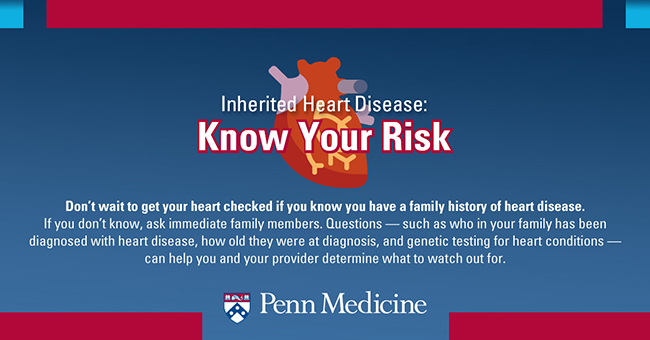
A strong family history of inherited heart conditions significantly increases the risk of developing the condition. Individuals with a family history of a specific condition should consider genetic counseling and potentially undergo genetic testing to better understand their risk of inheriting the condition or passing it on to their children.
Understanding the Role of Lifestyle Factors
Lifestyle factors can play a significant role in the development and progression of inherited heart conditions. Unhealthy lifestyle choices, such as a poor diet, sedentary behavior, smoking, and excessive alcohol consumption, can increase the risk of cardiovascular disease, including inherited heart conditions. Adopting a heart-healthy lifestyle can help mitigate these risks.
Preventive Measures for Children at Risk
For children with a known family history of an inherited heart condition, certain preventive measures may be recommended. These can include:
- Regular cardiac evaluation: Regular visits to a pediatric cardiologist for evaluation and monitoring can help identify any potential signs or symptoms early on.
- Genetic counseling and testing: Genetic counseling can provide families with valuable information regarding their risk and options for genetic testing. This can help guide decisions related to family planning and preventive measures.
- Education and awareness: Ensuring the child and their family are educated about the specific condition and its management can empower them to make informed choices and seek appropriate care promptly.
Each child’s risk and prevention strategies will be unique, and healthcare professionals can offer personalized guidance based on their individual circumstances.
Counseling and Genetic Testing Options
Genetic counseling plays a crucial role in helping families understand the genetic basis of inherited heart conditions and the associated risks. Genetic counselors can provide information about the inheritance pattern, implications for the individual and their family, and available testing options.
Genetic testing can help identify specific gene mutations or variants that may be responsible for the inherited heart condition. Understanding the genetic cause can have significant implications for both the affected individual and their family members, as it can help guide family planning decisions, risk assessment, and appropriate healthcare management.
Potential Complications and Long-Term Outlook
Inherited heart conditions can potentially lead to various complications, affecting the child’s daily life, activities, and overall well-being. Understanding the potential complications associated with specific conditions is essential for effective management and long-term care.
Possible Complications of Inherited Heart Conditions
Complications that can arise from inherited heart conditions include:
- Heart failure: This occurs when the heart is unable to pump blood effectively throughout the body, leading to symptoms such as shortness of breath, fatigue, and fluid retention.
- Arrhythmias: Abnormal heart rhythms can significantly impact the heart’s ability to function properly and may require medical intervention or the placement of devices such as pacemakers or defibrillators.
- Aneurysms or dissections: Certain inherited heart conditions, such as Marfan syndrome, can increase the risk of the aorta developing an aneurysm (a bulge) or a dissection (a tear). These conditions can be life-threatening and require prompt medical attention.
It is important to note that the potential complications and their severity can vary depending on the specific inherited heart condition and individual factors.
Impact on Daily Life and Activities
Living with an inherited heart condition can impact a child’s daily life and activities to varying degrees. Some children may experience limitations on physical activities or require certain accommodations, such as modifications to exercise routines or restrictions on strenuous activities.
Emotionally, children and their families may also experience increased stress and anxiety due to the uncertainty and potential risks associated with the condition. Emotional support and access to resources can help individuals cope with the challenges of living with an inherited heart condition.
Long-Term Management and Prognosis
With appropriate management and proactive care, many children with inherited heart conditions can lead fulfilling lives. Long-term management typically involves regular follow-up visits and monitoring, medication management, and adherence to lifestyle modifications.
The prognosis for each child will depend on various factors, including the specific inherited heart condition, its severity, any associated complications, and the child’s response to treatment. Regular communication and collaboration with the child’s healthcare team are essential for adjusting treatment strategies and optimizing long-term outcomes.
Supportive Resources and Coping Strategies
Coping with the challenges of living with an inherited heart condition can be overwhelming for both the child and their family. Fortunately, there are various supportive resources and coping strategies available to help navigate these challenges.
Patient support organizations dedicated to inherited heart conditions can provide valuable information, resources, and support networks for affected families. These organizations often offer educational materials, peer support programs, and opportunities to connect with others who have similar experiences.
Additionally, online communities and forums can provide a platform for sharing stories, advice, and emotional support. Educational materials and publications, both online and in print, can help families better understand the condition and its management.
Financial assistance programs and insurance considerations are also important aspects to consider, as the cost of medical care and treatments for inherited heart conditions can be significant. Exploring available options and seeking guidance from financial counselors or patient advocacy groups can alleviate some of the financial burdens.
Genetic Counseling and Family Planning
Genetic counseling plays a crucial role in helping individuals and families understand the genetic implications of inherited heart conditions. It offers support, information, and guidance to help individuals make informed decisions regarding family planning and reproductive options.
Importance of Genetic Counseling
Genetic counseling provides a structured and supportive environment for individuals and families to explore the genetic basis of the inherited heart condition, assess the risk of passing it on to future generations, and make decisions regarding family planning.
During genetic counseling sessions, individuals and families can discuss their concerns, explore available testing options, receive information on inheritance patterns, and assess the psychological impact of the condition. Genetic counselors can help navigate complex genetic information and provide context to aid in decision-making.
Family Planning Considerations
For individuals or couples with an inherited heart condition, family planning considerations become critical. Understanding the mode of inheritance and associated risks can help individuals make informed decisions about starting or expanding their families.
Genetic testing can provide valuable insights into the likelihood of passing on the inherited heart condition to future children. These insights can inform decisions regarding natural conception, assisted reproductive technologies, or adoption.
Decisions regarding family planning are deeply personal and based on individual circumstances. Genetic counseling provides an opportunity for individuals and families to gather the necessary information to make choices that align with their values and goals.
Testing Options for Family Members
Family members of individuals with an inherited heart condition may also benefit from genetic testing and counseling. Testing can help identify individuals who may carry the genetic variant but show no signs or symptoms of the condition. This information can assist in risk assessment and guide their healthcare management.
In some cases, preventative measures or close monitoring may be recommended for family members who test positive for the genetic variant. Genetic counseling can provide guidance and support throughout the testing process and subsequent decision-making.
Supportive Services for Affected Families
In addition to genetic counseling, families affected by inherited heart conditions can benefit from a range of supportive services and resources. Patient support organizations, as mentioned earlier, can provide a wealth of information and connect families with others who have similar experiences.
Access to counseling services, either individual or family-based, can help families navigate the emotional and psychological challenges associated with living with an inherited heart condition. Education and psychosocial support can empower families, promoting resilience and overall well-being.
Promising Research and Advances in Treatment
The field of inherited heart conditions continues to evolve rapidly, with ongoing research and advances in treatment. New discoveries and innovative therapies offer hope for improved outcomes and quality of life for individuals with inherited heart conditions.
Current Areas of Research and Development
Research efforts are focused on several key areas, such as:
- Genetic understanding: Ongoing studies aim to uncover more about the genetic basis of inherited heart conditions and the underlying mechanisms contributing to their development and progression.
- Novel treatment approaches: Researchers are exploring new pharmacological agents, surgical techniques, and intervention strategies aimed at improving symptom management and reducing the risk of complications.
- Regenerative medicine: The potential of regenerative medicine, including stem cell therapies and tissue engineering, is being investigated for repairing damaged heart tissues and improving heart function in individuals with inherited heart conditions.
Emerging Treatments and Therapies
Emerging treatments and therapies show promise in the management of inherited heart conditions. Some areas of interest include:
- Gene therapies: Researchers are exploring the potential of gene therapies to correct or modify specific genetic defects, potentially offering long-term benefits and reducing the need for ongoing medical interventions.
- Precision medicine and personalized approaches: By tailoring treatment strategies to each individual’s specific genetic profile and unique needs, healthcare professionals aim to optimize treatment outcomes and minimize potential risks.
- Advances in surgical techniques: Minimally invasive surgical techniques and advancements in surgical instruments continue to improve outcomes and reduce risks associated with surgical interventions for inherited heart conditions.
The Role of Precision Medicine
Precision medicine, also known as personalized medicine, is an approach that takes into account an individual’s unique genetic makeup, lifestyle factors, and specific disease characteristics to inform treatment decisions. In the context of inherited heart conditions, precision medicine aims to provide tailored treatment strategies that optimize outcomes and minimize potential risks.
Through the integration of genetic information, advanced diagnostic tools, and individual risk assessments, precision medicine allows for more targeted interventions and improved patient care. This approach holds great promise for individuals with inherited heart conditions, allowing for the delivery of individualized, evidence-based treatment plans.
Hope for Improved Outcomes in the Future
With ongoing research and advancements in treatment, there is hope for improved outcomes and quality of life for individuals with inherited heart conditions. As our understanding of the genetic basis of these conditions deepens, targeted therapies and preventive measures can be developed, ultimately leading to better management and potential cures in the future.
It is important for individuals and families affected by inherited heart conditions to stay informed about the latest research and advancements. By partnering with their healthcare providers and participating in clinical trials, they can contribute to the advancement of knowledge and potentially benefit from emerging treatments.
Support Networks and Resources for Families
Finding support and connecting with others who understand the challenges of living with an inherited heart condition is invaluable for affected families. Fortunately, there are various patient support organizations, online communities, and resources available to provide guidance and assistance.
Patient Support Organizations
Patient support organizations dedicated to inherited heart conditions offer a wealth of information, resources, and supportive services. These organizations can provide access to educational materials, connect families with medical experts, and offer opportunities for networking and mutual support.
Some examples of notable patient support organizations include:
- The American Heart Association (AHA)
- The Children’s Heart Foundation (CHF)
- Hypertrophic Cardiomyopathy Association (HCMA)
- Preventive Cardiology Program at Boston Children’s Hospital
Online Communities and Forums
Online communities and forums provide platforms for individuals and families affected by inherited heart conditions to connect, share experiences, and seek advice. These communities can offer a sense of belonging and emotional support, particularly for individuals who may be geographically isolated or have limited access to local resources.
Reputable online communities and forums include:
- Inspire: A platform for individuals to connect and share experiences with various health conditions, including inherited heart conditions.
- RareConnect: An online community specifically designed for individuals and families affected by rare diseases, with several communities focused on specific inherited heart conditions.
Educational Materials and Publications
Educational materials and publications play a vital role in providing families affected by inherited heart conditions with accurate and up-to-date information. Organizations such as the American Heart Association and professional medical societies often produce educational materials that cover a range of topics, from understanding the condition to managing symptoms and living a healthy lifestyle.
Physicians, genetic counselors, and healthcare professionals specializing in cardiac care can also provide printed materials or recommend trusted online resources to help families better understand the condition and its management.
Financial Assistance and Insurance Considerations
The cost of medical care and treatments for inherited heart conditions can be significant. Families facing financial challenges may benefit from exploring available resources and assistance programs.
Financial counselors or patient advocacy groups can offer guidance on insurance coverage options, financial assistance programs, and other resources that may help alleviate some of the financial burdens associated with managing an inherited heart condition.
Collaborative Care Approach and Multidisciplinary Teams
Effective management of inherited heart conditions requires a collaborative care approach involving a multidisciplinary team of healthcare professionals. This approach ensures that all aspects of the condition, from diagnosis to long-term management, are addressed comprehensively.
Importance of a Multidisciplinary Approach
Inherited heart conditions often require the expertise of various healthcare professionals to provide optimal care. The multidisciplinary care team may include:
- Pediatric cardiologists and adult congenital heart disease specialists: These specialists are at the forefront of diagnosing and treating inherited heart conditions, providing ongoing care throughout the individual’s lifespan.
- Genetic counselors: Genetic counselors play a vital role in helping individuals and families understand the genetic basis of their condition, assess the risk of passing it on to future generations, and make informed decisions regarding family planning.
- Cardiac surgeons: Cardiac surgeons specialize in surgical interventions and procedures to repair or correct structural abnormalities of the heart associated with inherited heart conditions.
- Electrophysiologists: Electrophysiologists focus on the electrical aspects of the heart and are involved in the evaluation and management of arrhythmias associated with inherited heart conditions.
- Psychologists or social workers: Emotional support and counseling services are crucial components of care for individuals and families affected by inherited heart conditions.
- Physical and occupational therapists: These professionals can assist individuals in managing physical limitations and achieving optimal physical well-being.
- Nutritionists or dietitians: Nutritional guidance tailored to the specific needs of individuals with inherited heart conditions can help promote heart health and overall well-being.
A multidisciplinary approach ensures comprehensive evaluation, treatment planning, and ongoing support for the child and their family.
Healthcare Professionals Involved in Care
The healthcare professionals involved in the care of individuals with inherited heart conditions often work closely together to provide coordinated and individualized care. The care team may include:
- Pediatric cardiologists or adult congenital heart disease specialists
- Genetic counselors
- Cardiac surgeons
- Electrophysiologists
- Psychologists or social workers
- Physical and occupational therapists
- Nutritionists or dietitians
These professionals collaborate to develop a comprehensive care plan and address the specific needs of the child and their family.
Communication and Coordination Among Specialists
Effective communication and coordination among specialists are essential for a seamless care experience and optimal treatment outcomes. Regular meetings, shared electronic medical records, and open lines of communication enable the care team to stay informed about the individual’s progress, address any concerns, and adjust treatment strategies as needed.
Care coordination is especially important during transitions from pediatric to adult care, ensuring continuity of care and addressing any unique challenges that may arise during this transition.
Holistic Support for the Child and Their Family
In addition to specialized medical care, holistic support is essential for the overall well-being of the child and their family. Coordinating with psychologists, social workers, and support organizations can provide emotional support and assist families in navigating the challenges associated with living with an inherited heart condition.
Addressing the psychological impact, educational needs, and financial concerns can help families feel supported and empowered to make informed decisions regarding their care.
In conclusion, understanding inherited heart conditions in children is crucial for early detection, accurate diagnosis, and appropriate management. Recognizing the signs and symptoms, implementing diagnostic methods, and accessing treatment options are essential for promoting optimal heart health and improving the long-term outlook for affected children. Collaborative care, supported by multidisciplinary teams and resources, ensures comprehensive, personalized care and support for individuals and families navigating the complexities of inherited heart conditions. With ongoing research and advances in treatment, there is hope for continuous improvements in outcomes and quality of life for those affected by these conditions.