
Is a banana a day too much sugar? You might have wondered this as you reached for that ripe, yellow fruit sitting on your kitchen counter. With nutrition advice constantly shifting and new diet trends emerging, it’s only natural to question whether enjoying a banana daily is beneficial or if it could contribute to unwanted sugar intake.
The Sugar Content in Bananas
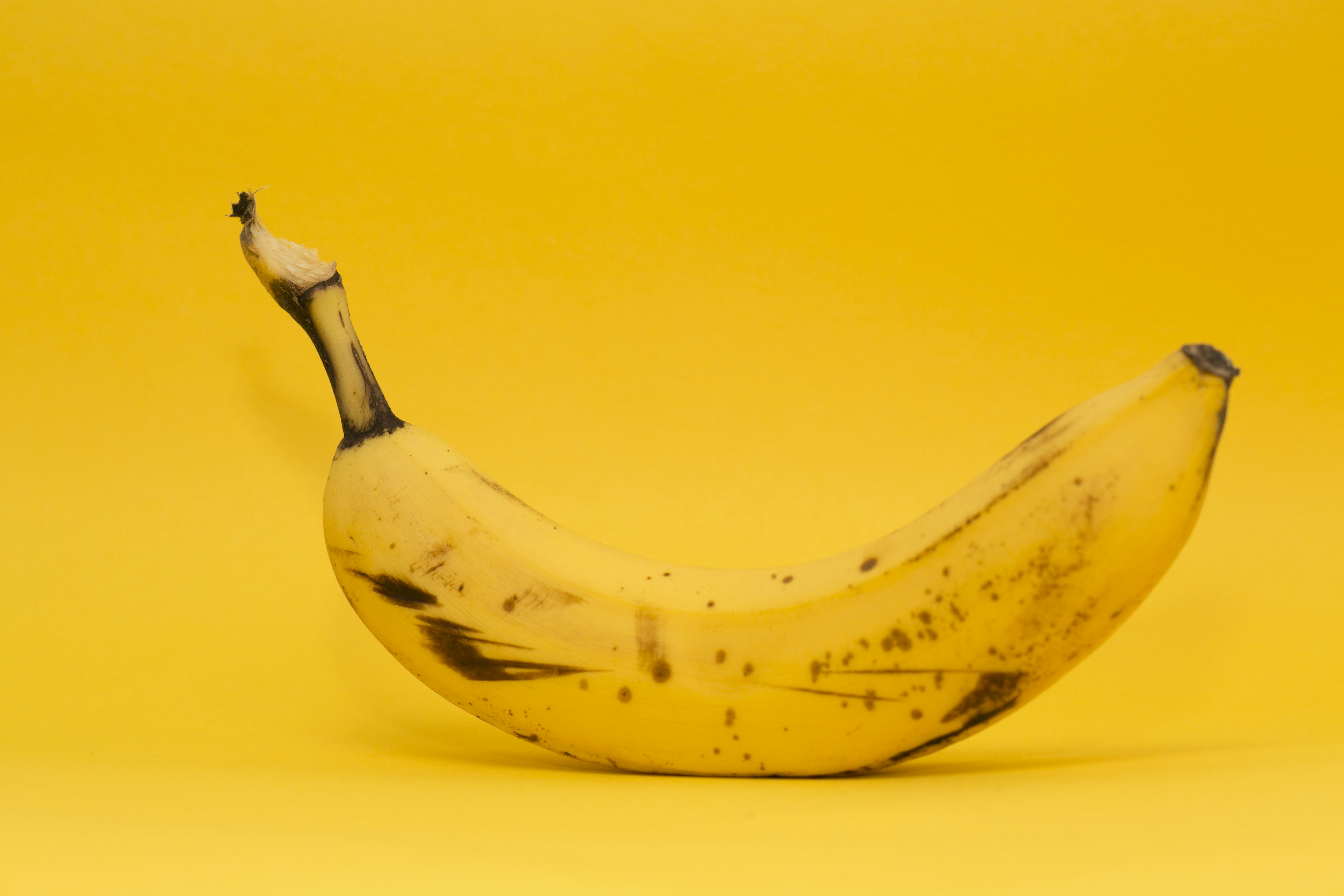
To understand whether you should include a banana in your daily diet, let’s first take a closer look at its sugar content. A medium-sized banana, which is about 7 to 8 inches long, contains approximately 14 grams of sugar. While this seems significant, it’s crucial to note that not all sugars are created equal.
Natural Sugar vs. Added Sugar
When considering sugar, it’s vital to distinguish between natural sugars and added sugars. Natural sugars, found in fruits, vegetables, and dairy, come with beneficial nutrients, fiber, and water content that can contribute positively to your diet. Added sugars, on the other hand, are often found in processed foods and beverages, bringing along empty calories without nutritional value.
Why Natural Sugars are Different
Natural sugars typically come packaged with a host of vitamins, minerals, and fiber, enabling your body to digest them properly. Fiber, in particular, slows the absorption of sugar, preventing sharp spikes in blood sugar levels. This slower absorption can help maintain energy levels and reduce cravings, making bananas a much healthier option than processed snacks filled with added sugars.
Nutritional Benefits of Bananas
Alongside their sugar content, bananas are rich in other nutrients that are essential for your health. Understanding these benefits may help you see why a banana a day could actually work wonders for you.
Rich in Potassium
Bananas are renowned for their high potassium content. Potassium is a vital mineral and electrolyte that supports heart health, blood pressure regulation, and muscle function. Including bananas in your diet can help you maintain adequate potassium levels, particularly if you’re engaging in regular physical activity.
Good Source of Vitamin B6
Another highlight in a banana’s nutritional profile is its vitamin B6 content. This vitamin plays a key role in protein metabolism, brain development, and the production of neurotransmitters. Just one banana can provide around 20% of the recommended daily intake for vitamin B6, making it a convenient and delicious way to support your overall well-being.
Dietary Fiber
Each medium banana contains about 3 grams of dietary fiber. Fiber is excellent for digestive health, helping to keep things running smoothly in your system. It can also aid in weight management by promoting feelings of fullness, thereby reducing the likelihood of overeating.
Antioxidants
Bananas also boast a mix of antioxidants, including dopamine and catechins, which can help combat oxidative stress in your body. Regular consumption of foods rich in antioxidants can lower your risk of chronic diseases and support overall health.
Understanding Your Daily Sugar Intake
To determine if consuming a banana a day is too much sugar, it’s helpful to consider the context of your entire diet and the daily recommended limits for sugar intake.
Recommended Sugar Intake
The American Heart Association suggests that women limit their added sugar intake to no more than 6 teaspoons (approximately 25 grams) per day, while men should aim for 9 teaspoons (approximately 36 grams). Since bananas’ sugars are natural, they don’t count against this recommendation for added sugars but are part of the total sugar consumption.
Balancing Your Diet
If you enjoy eating a banana each day along with a balanced diet rich in vegetables, whole grains, lean proteins, and healthy fats, you’re unlikely to reach an excessive sugar intake just from that banana alone. It comes down to how much sugar you consume from all sources throughout the day.
| Food Group | Example Foods | Sugar Content per Serving |
|---|---|---|
| Fruits | Banana (1 medium) | 14 grams |
| Vegetables | Carrot (1 medium) | 6 grams |
| Dairy | Yogurt (1 cup) | 12-20 grams (varies) |
| Grains | Oatmeal (1 cup) | 1 gram |
| Sweets | Candy Bar (1 bar) | 20-30 grams |
If you’re tracking your intake, look at the sugar content for each food group. You’ll want to be mindful of how many servings of fruits and other sources of sugar you consume daily. This can help you see where a banana fits into the larger picture.
Potential Concerns about Sugar in Bananas
While bananas are healthy, you might still have concerns about their sugar content, especially if you’re managing blood sugar levels or trying to lose weight.
Impact on Blood Sugar Levels
Bananas have a medium glycemic index (GI) of around 50-60. The glycemic index measures how quickly foods raise your blood sugar levels after eating. Foods with a high GI can cause quick spikes in blood sugar, while those with a lower GI lead to steadier increases.
If you have insulin resistance, diabetes, or other conditions requiring you to monitor blood sugar levels, it’s wise to pair your banana with protein or healthy fats to slow down sugar absorption. For instance, spreading nut butter on your banana could be a fantastic way to keep your blood sugar stable.
Weight Management Considerations
When it comes to weight loss, it’s essential to remember that all foods contain calories, and bananas are no exception. A medium banana typically contains about 105 calories. As long as you consider this in the context of your entire daily caloric intake and balance it with other healthy foods, enjoying a banana won’t be detrimental to your weight management goals.
The Role of Bananas in Different Diets
So, where do bananas fit into popular diets? Let’s look at how they measure up in various eating plans.
Low-Carb and Ketogenic Diets
In low-carb or ketogenic diets, which restrict carbohydrates to promote fat burning, bananas may be considered too high in sugar and carbs for some individuals. These diets encourage minimal consumption of carbohydrates and, instead, emphasize protein and fat sources.
Whole30 and Paleo Diets
Bananas are acceptable in both Whole30 and Paleo plans, as these diets focus on whole, unprocessed foods. Bananas provide natural sugars and can serve as a sweetening alternative to processed snacks. However, moderation is still key, even in these healthy eating approaches.
Plant-Based Diets
For those following a plant-based diet, bananas play an integral role. They are convenient, nutrient-dense snacks that can add natural sweetness to smoothies, oatmeal, and baked goods while remaining totally plant-based.
How to Incorporate Bananas into Your Daily Diet
Feeling inspired to include bananas in your daily routine? Here are some creative and delicious ways to enjoy this versatile fruit!
Breakfast Boost
Start your day with a nourishing breakfast by adding sliced bananas to your oatmeal, yogurt, or smoothie. Not only will you enhance the flavor, but you’ll also increase the meal’s potassium and fiber content!
Satisfying Snack
Whether you’re on the go or relaxing at home, bananas can be a simple and satisfying snack. Pairing them with a handful of nuts or a spoonful of almond butter will provide healthy fats and protein, making your snack more filling.
Healthy Desserts
Bananas can be a delightful addition to desserts. Consider using mashed bananas in baking recipes or blending them into a creamy banana ice cream. Simply freeze sliced bananas, then blend them until smooth for a healthy treat!
Flavor Enhancer
Are you looking to add some natural sweetness to your recipes? Mashed bananas can replace sugar or oil in many baked goods, offering a moist texture and rich flavor without all the added sugars.

When to Be Cautious
While bananas offer numerous benefits, it’s good to keep some practical considerations in mind regarding their consumption.
Avoiding Overconsumption
As with any food, moderation is crucial. Enjoying one banana a day is usually perfectly fine, but consuming several can lead to excess sugar intake. Keep that balance in mind!
Allergies and Sensitivities
Some individuals may have sensitivities or allergies to bananas. If you experience symptoms like itching, swelling, dizziness, or gastrointestinal discomfort after eating bananas, consult with a healthcare professional for guidance.
Conclusion
In conclusion, enjoying a banana a day is not likely to lead to too much sugar in the context of a balanced diet. With their impressive nutritional profile, bananas can provide essential vitamins and minerals that contribute positively to your health. However, as with any food, it’s about how they fit into your broader dietary habits.
So, go ahead and enjoy that banana—guilt-free! Make it a tasty part of your meals, snacks, and desserts, and feel good about the sweetness it brings to your day! Remember, nourishing your body is about finding that perfect balance to sustain your well-being.
