
Have you ever wondered whether Quaker Oats can help alleviate acid reflux? In this article, we’ll explore the potential benefits of incorporating Quaker Oats into your diet for managing acid reflux symptoms. Find out how this popular breakfast staple may provide relief and improve your overall digestive health. So, let’s dive in and discover whether Quaker Oats can be a tasty and effective solution for those experiencing acid reflux discomfort.

1. Overview of Acid Reflux
1.1 What is acid reflux?
Acid reflux, also known as gastroesophageal reflux disease (GERD), is a common condition characterized by the backward flow of stomach acid into the esophagus. This can cause a range of symptoms, including heartburn, regurgitation, chest pain, and difficulty swallowing. Acid reflux occurs when the lower esophageal sphincter (LES), a muscular ring that normally acts as a barrier between the stomach and the esophagus, weakens or relaxes, allowing stomach acid to escape upwards.
1.2 Causes of acid reflux
There are several factors that can contribute to the development of acid reflux. Some of the most common causes include:
- Obesity: Excess weight can put pressure on the stomach, leading to the backflow of acid.
- Hiatal hernia: This occurs when a portion of the stomach protrudes through the diaphragm, allowing acid to flow into the esophagus.
- Pregnancy: Hormonal changes and pressure on the abdomen during pregnancy can cause acid reflux.
- Certain foods and drinks: Spicy foods, citrus fruits, tomatoes, onions, chocolate, coffee, alcohol, and carbonated beverages are known triggers for acid reflux.
- Smoking: Smoking weakens the LES and increases the risk of acid reflux.
- Medications: Certain medications, such as nonsteroidal anti-inflammatory drugs (NSAIDs), calcium channel blockers, and sedatives, may contribute to acid reflux.
1.3 Symptoms of acid reflux
The symptoms of acid reflux can vary from person to person, but commonly include:
- Heartburn: A burning sensation in the chest or throat.
- Regurgitation: The feeling of acid backing up into the mouth or throat.
- Chest pain: Discomfort or pain in the chest that may mimic heart-related conditions.
- Difficulty swallowing: The sensation of food getting stuck in the throat.
- Chronic cough: A persistent cough that may be triggered by the irritation caused by acid reflux.
- Hoarseness or sore throat: Acid reflux can irritate the throat, leading to hoarseness or a sore throat.
2. Understanding Quaker Oats
2.1 What are Quaker oats?
Quaker oats are a popular brand of oatmeal, made from whole grains known as oats. Oats are a type of cereal grain and are highly nutritious, offering a range of health benefits. Quaker oats are made by rolling the whole oat groats, which are the hulled oat grains. They are an excellent source of vitamins, minerals, fiber, and antioxidants.
2.2 Nutritional profile of Quaker oats
Quaker oats are packed with various nutrients that are beneficial for overall health. They are a good source of fiber, which aids in digestion and helps regulate bowel movements. Additionally, they provide essential minerals like magnesium, phosphorus, and zinc. Quaker oats also contain vitamins, including vitamin B1, B5, and folate. These nutrients contribute to a well-balanced diet and support numerous bodily functions.
3. Factors to Consider Regarding Acid Reflux
3.1 Trigger foods for acid reflux
When managing acid reflux, it is important to identify and avoid trigger foods that can worsen symptoms. Spicy foods, acidic fruits, tomatoes, onions, chocolate, coffee, alcohol, and carbonated beverages are known to increase the risk of acid reflux. These foods can cause the LES to relax, leading to the backflow of stomach acid.
3.2 Foods that may help alleviate acid reflux
While certain foods can trigger acid reflux, others may help alleviate symptoms. Foods that are low in fat and acidity, such as lean proteins, non-citrus fruits, vegetables, whole grains, and non-mint herbal teas, are generally well-tolerated and may help reduce the occurrence of acid reflux.
3.3 Importance of dietary fiber in managing acid reflux
Dietary fiber plays a crucial role in managing acid reflux. It helps absorb excess stomach acid and promotes healthy digestion. Consuming fiber-rich foods, such as whole grains like Quaker oats, can help regulate bowel movements and reduce the occurrence of acid reflux symptoms.
4. Evaluating the Effects of Quaker Oats on Acid Reflux
4.1 Acidic versus alkaline properties of food
When considering the impact of Quaker oats on acid reflux, it is essential to understand the concept of acidic versus alkaline foods. Acidic foods, such as citrus fruits and tomatoes, can aggravate acid reflux symptoms. In contrast, alkaline foods, like certain vegetables and whole grains, have a neutralizing effect on stomach acid.
4.2 Oatmeal as a potential acid reflux trigger
While individual responses may vary, oatmeal is generally considered a safe food for individuals with acid reflux. It has a mildly alkaline nature, which can help neutralize stomach acid. However, it is important to note that certain toppings or preparation methods may introduce trigger foods or excessive fat, which can worsen acid reflux symptoms.
4.3 Benefits of oats for acid reflux
Oats, including Quaker oats, offer several benefits for individuals with acid reflux. They are rich in dietary fiber, which can aid in digestion and promote regular bowel movements. The soluble fiber in oats forms a gel-like substance in the stomach, which can help prevent the backflow of acid into the esophagus. Additionally, the nutritional profile of Quaker oats provides essential vitamins and minerals that support overall health.
5. Quaker Oats Preparation Methods for Acid Reflux
5.1 Traditional cooking methods
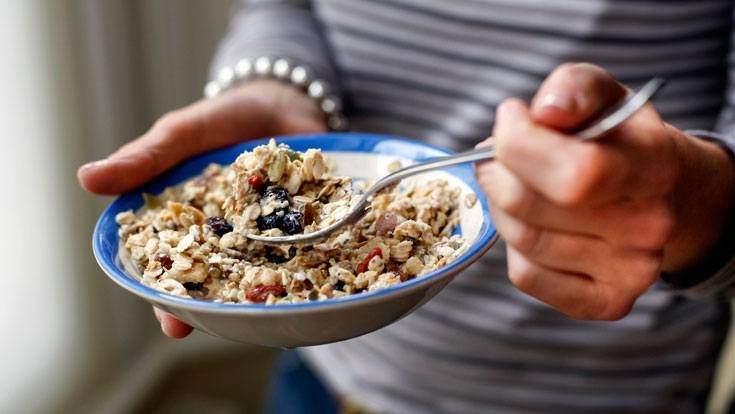
Cooking Quaker oats using traditional methods involves boiling them in water or milk until they reach the desired consistency. When preparing oats for individuals with acid reflux, it is advisable to use water instead of milk, as dairy products can exacerbate symptoms for some individuals. Additionally, avoiding added sugars or high-fat toppings is recommended to minimize the risk of triggering acid reflux.
5.2 Overnight oats
Overnight oats have gained popularity due to their convenience and ease of preparation. This method involves soaking oats in liquid (such as water or non-citrus fruit juice) overnight in the refrigerator. By allowing the oats to soften, overnight oats are typically easier to digest and may be better tolerated by individuals with acid reflux. However, it is important to avoid acidic or high-fat toppings when consuming overnight oats to prevent triggering symptoms.
5.3 Gluten-free options
For individuals with acid reflux who also follow a gluten-free diet, it is worth noting that Quaker oats are not inherently gluten-free. However, Quaker Oats does offer gluten-free options that can be safely consumed by individuals with gluten intolerance or celiac disease. These gluten-free varieties are processed separately from oats that may contain gluten, reducing the risk of cross-contamination.
6. Expert Opinions on Quaker Oats and Acid Reflux
6.1 Insights from medical professionals
Many medical professionals consider oats, including Quaker oats, to be a safe and nutritious option for individuals with acid reflux. The high fiber content of oats is often praised for its potential to alleviate symptoms and promote regular digestion. However, it is essential to consult with a healthcare provider regarding individual dietary needs and to ensure that oats are well-tolerated.
6.2 Personal experiences and testimonials
While expert opinions provide valuable insight, personal experiences and testimonials can also offer a glimpse into how individuals with acid reflux have incorporated Quaker oats into their diets. Some individuals report finding relief from acid reflux symptoms by regularly consuming oats, while others may have different experiences. It is important to remember that individual responses can vary, and what works for one person may not work for another.

7. Considerations for Individuals with Acid Reflux
7.1 Customizing Quaker oats for individual needs
Every individual with acid reflux may have unique triggers, preferences, and tolerances. To customize Quaker oats for individual needs, it is recommended to keep a food diary to record any symptoms or reactions. This will help identify specific foods or ingredients that may worsen acid reflux symptoms, allowing for a personalized approach to incorporating oats into the diet.
7.2 Portion control and meal timing
In addition to food choices, portion control and meal timing can also play a role in managing acid reflux. Consuming smaller meals throughout the day can help prevent excessive pressure on the stomach and reduce the risk of acid reflux. Additionally, eating a few hours before lying down or going to bed can minimize the chance of stomach acid flowing back into the esophagus.
7.3 Other lifestyle factors to manage acid reflux
While Quaker oats can be a beneficial addition to a diet aimed at managing acid reflux, it is important to consider other lifestyle factors as well. Avoiding tobacco products, maintaining a healthy weight, managing stress levels, and practicing good posture can all contribute to reducing the frequency and severity of acid reflux symptoms.
8. Potential Risks and Precautions of Quaker Oats
8.1 Allergy concerns and cross-contamination
Although oats themselves do not contain gluten, they can be contaminated with gluten during processing. For individuals with gluten intolerance or celiac disease, it is crucial to choose certified gluten-free Quaker oat products to avoid potential allergic reactions or gluten-related symptoms.
8.2 Precautions for individuals with specific conditions
Individuals with specific health conditions, such as certain gastrointestinal disorders or kidney disease, may need to exercise caution when consuming Quaker oats. It is advised to consult with a healthcare professional before making substantial dietary changes or incorporating oats into the diet.
8.3 Monitoring reactions to Quaker oats
It is important to listen to your body and monitor any reactions or symptoms that may occur after consuming Quaker oats. If any new or worsening symptoms arise, it is advisable to consult with a healthcare provider to determine the underlying cause.

9. Conclusion
In conclusion, Quaker oats can be a nutritious and generally well-tolerated option for individuals with acid reflux. The high fiber content and alkaline properties of oats make them potentially beneficial in managing acid reflux symptoms. However, it is essential to consider individual tolerances, trigger foods, and preparation methods when incorporating Quaker oats into the diet. Consulting with a healthcare professional is recommended to ensure optimal management of acid reflux and overall well-being.