
Have you ever wondered if Aloe Vera can really remove those pesky pimples? Well, wonder no more! In this article, we will explore the potential benefits of using Aloe Vera to tackle those unwanted blemishes. Whether you are struggling with occasional breakouts or persistent acne, Aloe Vera might just be the natural solution you’ve been looking for. So, grab a comfy seat and get ready to discover the wonders of Aloe Vera in combating pimples.
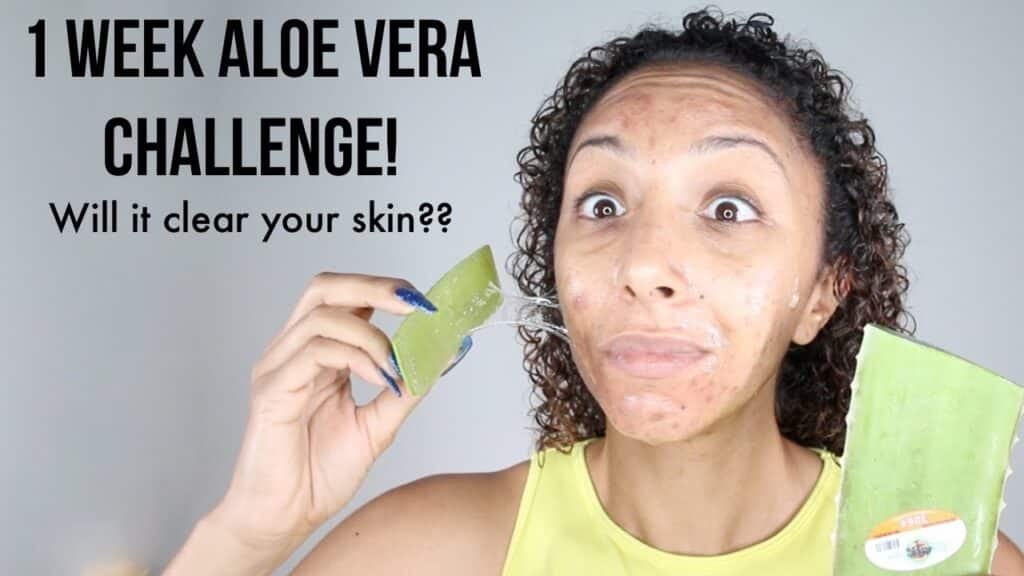
The Benefits of Aloe Vera for Skin
A Brief Introduction to Aloe Vera
You may have heard of aloe vera before, but do you really know what it is? Aloe vera is a succulent plant that is native to the Arabian Peninsula but is now grown in many parts of the world. It has been used for centuries for its various medicinal properties. The gel extracted from the leaves of the aloe vera plant is rich in vitamins, minerals, and antioxidants, making it highly beneficial for the skin.
Aloe Vera’s Anti-Inflammatory Properties
One of the key benefits of aloe vera for the skin is its anti-inflammatory properties. Inflammation is a common problem in acne-prone skin, and aloe vera can help calm and soothe irritated skin. The gel contains compounds such as bradykinase, which can reduce inflammation and redness. By using aloe vera on your skin, you can help reduce the swelling and redness associated with pimples.
Aloe Vera’s Antibacterial Properties
In addition to its anti-inflammatory properties, aloe vera also possesses antibacterial properties. Acne is often caused by bacteria that reside on the skin, which can lead to the formation of pimples. Aloe vera’s antibacterial properties can help kill off acne-causing bacteria and prevent further breakouts. By using aloe vera on your skin, you can effectively fight off the bacteria that contribute to pimple formation.
How Aloe Vera Can Help with Pimples
Reducing Inflammation
Pimples are often accompanied by inflammation, which can make them appear red and swollen. Aloe vera’s anti-inflammatory properties can help reduce the inflammation associated with pimples, making them less noticeable and promoting faster healing. By applying aloe vera gel directly to your pimples, you can help reduce their size and redness.
Killing Acne-Causing Bacteria
As mentioned earlier, aloe vera possesses antibacterial properties that can help kill off the bacteria that contribute to the formation of pimples. By applying aloe vera gel to your skin, you can effectively target and eliminate the bacteria, reducing the likelihood of new pimples forming and helping existing ones heal faster.
Promoting Healing
Aloe vera is known for its ability to promote healing in the skin. It contains compounds that can stimulate the production of collagen, a protein that plays a crucial role in wound healing. By applying aloe vera gel to your pimples, you can speed up the healing process and reduce the chances of scarring.
Preventing Scarring
One of the biggest concerns when it comes to pimples is the potential for scarring. Aloe vera can help prevent scarring by promoting the regeneration of skin cells and reducing inflammation. By using aloe vera on your pimples, you can minimize the risk of scarring and ensure that your skin heals smoothly.
Different Ways to Use Aloe Vera for Pimples
Aloe Vera Gel Directly Applied on Pimples
The most common way to use aloe vera for pimples is by directly applying the gel to the affected areas. To do this, simply cut open an aloe vera leaf and extract the gel. Apply the gel directly to your pimples, leaving it on for about 10-15 minutes before rinsing off with water. You can repeat this process twice daily for best results.
Aloe Vera Face Masks
Another way to incorporate aloe vera into your skincare routine is by using it in face masks. You can mix aloe vera gel with other ingredients such as honey or turmeric to create a soothing and healing face mask. Apply the mask to your face, focusing on areas with pimples, and leave it on for 15-20 minutes before rinsing off with water. Regular use of aloe vera face masks can help reduce pimples and improve the overall condition of your skin.
Aloe Vera Juice or Supplements
If you prefer not to apply aloe vera gel topically, you can also consume aloe vera juice or take aloe vera supplements. It is important to note that these products may not be as effective as directly applying the gel to your skin, as the concentration of aloe vera may be lower. However, they can still provide some benefits for your overall skin health and help reduce the frequency of pimples.
How to Choose and Use Aloe Vera Products
Selecting High-Quality Aloe Vera Products
When it comes to using aloe vera for pimples, it is important to choose high-quality products. Look for aloe vera gels or creams that are 100% pure and free from added chemicals or fragrances. Make sure to read the labels carefully and do some research on the brand’s reputation before making a purchase. This will ensure that you are getting a product that is safe and effective for your skin.
Proper Application of Aloe Vera Gel
To get the most out of your aloe vera gel, it is important to apply it properly. Start by cleansing your face with a gentle cleanser to remove any dirt or makeup. Then, take a small amount of aloe vera gel and apply it directly to your pimples or affected areas. Gently massage the gel into your skin until it is fully absorbed. For best results, follow up with a moisturizer to lock in the benefits of the aloe vera.
Safety Precautions
While aloe vera is generally safe to use, it is important to keep a few precautions in mind. Some people may be allergic to aloe vera, so it is recommended to perform a patch test before using it on your face. Apply a small amount of aloe vera gel to a small area of your skin and wait for 24 hours to see if any allergic reactions occur. If you experience any redness, itching, or swelling, discontinue use immediately. Additionally, avoid using aloe vera on open wounds or deep acne cysts, as this can cause further irritation.

Tips and Precautions for Using Aloe Vera on Pimples
Perform a Patch Test
Before using aloe vera on your face, it is always a good idea to perform a patch test. This involves applying a small amount of aloe vera gel to a small area of your skin, such as the inner forearm. Wait for 24 hours and observe for any adverse reactions. If you experience any redness, itching, or swelling, it is best to avoid using aloe vera on your pimples.
Avoid Overusing Aloe Vera
While aloe vera can be beneficial for acne-prone skin, it is important not to overuse it. Applying too much aloe vera gel can lead to excessive drying of the skin, which can actually worsen acne. It is recommended to use a pea-sized amount of aloe vera gel for each pimple or affected area, and not to exceed the recommended usage frequency.
Combining Aloe Vera with Other Treatments
Aloe vera can be a great addition to your acne treatment routine, but it is not a standalone solution. It is important to combine the use of aloe vera with other acne-fighting treatments, such as gentle cleansers, salicylic acid, or benzoyl peroxide. This will ensure that you are targeting acne from multiple angles and maximizing your chances of achieving clear skin.
Other Uses of Aloe Vera for Skin
Moisturizing and Hydrating the Skin
Aside from its acne-fighting properties, aloe vera is also known for its moisturizing and hydrating effects on the skin. The gel can help lock in moisture, keeping your skin hydrated and preventing dryness. By incorporating aloe vera into your skincare routine, you can achieve a healthy and glowing complexion.
Reducing Acne Scars and Blemishes
In addition to treating active pimples, aloe vera can also help reduce the appearance of acne scars and blemishes. The gel contains compounds that can promote the regeneration of skin cells, leading to a smoother and more even skin tone. Regular use of aloe vera can help fade acne scars and improve the overall texture of your skin.
Soothing Sunburns and Irritation
Aloe vera is well-known for its soothing properties, making it an excellent remedy for sunburns and skin irritations. The gel can help reduce inflammation and redness caused by sun exposure or irritants, providing instant relief. Applying aloe vera gel to sunburned or irritated skin can help speed up the healing process and minimize discomfort.

Scientific Studies on Aloe Vera and Acne
Research Findings on Aloe Vera’s Effectiveness on Acne
Numerous scientific studies have been conducted to investigate the effectiveness of aloe vera on acne. These studies have shown promising results, indicating that aloe vera can help reduce the severity of acne and improve overall skin condition. However, it is important to note that more research is needed to fully understand the mechanisms behind aloe vera’s acne-fighting properties.
Studies on Aloe Vera’s Antimicrobial Activity
Aloe vera’s antibacterial properties have also been the subject of scientific research. Studies have shown that the gel can effectively inhibit the growth of acne-causing bacteria such as Propionibacterium acne and Staphylococcus aureus. By targeting these bacteria, aloe vera can help prevent the formation of new pimples.
Clinical Trials on Aloe Vera for Acne Treatment
Clinical trials have also been conducted to evaluate the efficacy of aloe vera for acne treatment. These trials have demonstrated that aloe vera can significantly improve acne symptoms, including reducing the number of pimples and decreasing inflammation. However, it is important to note that individual results may vary, and aloe vera may not be equally effective for everyone.
Testimonials and Personal Experiences
Positive Experiences with Aloe Vera for Pimples
Many individuals have reported positive experiences with using aloe vera for pimples. They have noticed a reduction in the size and redness of their pimples, as well as a faster healing time. Some have even observed a significant improvement in their overall complexion, with fewer breakouts and a more balanced skin tone.
Negative Experiences with Aloe Vera for Pimples
While most people have had positive experiences with using aloe vera for pimples, some have reported negative effects. These may include increased dryness, itching, or even irritation. It is important to remember that everyone’s skin is unique, and what works for one person may not work for another. If you experience any adverse reactions, it is best to discontinue use and consult a dermatologist for further guidance.

Consult a Dermatologist for Severe Acne
When to Seek Professional Advice
If you have severe acne that is not responding to home remedies or over-the-counter treatments, it is recommended to seek professional advice from a dermatologist. A dermatologist can assess your individual case and recommend the most appropriate treatment plan for you. They may prescribe topical or oral medications, perform procedures such as extractions or chemical peels, or suggest other advanced treatments to help manage your acne.
Combining Aloe Vera with Medical Treatments
If you are undergoing medical treatments for acne, it is important to consult with your dermatologist before incorporating aloe vera into your skincare routine. They can provide guidance on how to use aloe vera safely and effectively alongside your prescribed treatments. It is crucial to follow their instructions to ensure optimal results and minimize any potential interactions or side effects.
Conclusion
Aloe vera is a versatile plant that offers numerous benefits for the skin, including its ability to help with pimples. Its anti-inflammatory and antibacterial properties make it an effective natural remedy for reducing inflammation, killing acne-causing bacteria, promoting healing, and preventing scarring. There are various ways to use aloe vera for pimples, such as applying the gel directly, using it in face masks, or consuming aloe vera juice or supplements. When choosing and using aloe vera products, it is important to select high-quality options, apply them properly, and take necessary safety precautions. While aloe vera can provide beneficial results, it is important to remember that individual experiences may vary, and for severe acne, it is advisable to seek professional advice from a dermatologist. Overall, incorporating aloe vera into your skincare routine can contribute to clearer and healthier skin.
