
You’ve been waking up with it. It’s there during your commute, as you slouch at your desk, and definitely after that one yoga pose you keep trying to master. Back pain. It’s an unwelcome companion, a constant buzz of discomfort that can range from a dull ache to a searing stab. But what’s actually causing it? Understanding the different potential origins of your back pain – whether it’s rooted in your muscles, your discs, or your nerves – is the first crucial step towards finding relief. As your trusted Listicle Content Architect, I’m here to guide you through the nuances, equipping you with actionable insights so you can feel more in control of your comfort and well-being. Let’s dissect the possibilities, shall we?
When you think of back pain, your mind probably first drifts to those moments of awkward lifting, sudden twists, or pushing yourself a little too hard at the gym. These are the prime suspects for muscle-related back pain, and for good reason. It’s estimated that the vast majority of low back pain – a staggering 90% to 95% – falls under the umbrella of “nonspecific mechanical pain.” This often means your muscles are simply overwhelmed, overworked, or perhaps a bit out of sync.
1.1. What Exactly is a Muscle Strain or Sprain?
To understand this common culprit, let’s break down the difference between a strain and a sprain, though they often get used interchangeably when it comes to the back.
- Muscle Strain: This occurs when your muscle fibers or tendons (the cords that connect muscles to bones) are stretched or torn. Think of it like overstretching a rubber band until it snaps.
- Ligament Sprain: This involves damage to ligaments, which are the bands of tissue that connect bones to each other at your joints. In your back, these ligaments help stabilize your spine. Ligament sprains are less common as a primary cause of acute back pain compared to muscle strains, but they can contribute to instability and ongoing discomfort.
1.2. The Tell-Tale Signs of a Muscle Problem
Muscle-related back pain often presents with a distinct set of characteristics. Recognizing these can help you pinpoint the likely source of your discomfort.
- Localized Discomfort: One of the most significant indicators of muscle strain is that the pain tends to be localized. This means you can usually point to a specific area on your back where the pain is most intense. It’s not typically a widespread, all-encompassing ache, but rather a concentrated spot of tenderness.
- Dull Aching or Soreness: The sensation is often described as a dull ache or generalized soreness in the affected muscles. It might feel tight, stiff, and generally unhappy.
- Pain with Movement, Relief with Rest: A hallmark of muscle pain is that it often improves with rest. When you stop aggravating the muscles – by lying down, sitting comfortably, or avoiding strenuous activities – you’ll likely feel a sense of relief. Conversely, certain movements, particularly those that involve bending, twisting, or lifting, will exacerbate the pain.
- Recent Activity or Injury: Did you recently engage in an activity that your back wasn’t accustomed to? Perhaps you weren’t using proper form when lifting a heavy object, or maybe you went for a hike that was more ambitious than usual. These events are common precursors to muscle strains. Even seemingly minor movements, if performed incorrectly or repeatedly, can lead to muscle fatigue and subsequent pain.
- Muscle Spasms: In some cases, a muscle strain can trigger involuntary muscle spasms. These are sudden, forceful contractions of the muscles that can be quite painful and can further restrict your movement and worsen your perception of pain.
1.3. What to Do When You Suspect a Muscle Problem
The good news is that most muscle strains are relatively straightforward to manage and tend to resolve on their own with proper care.
- Rest and Gentle Movement: While rest is key, complete immobility is generally not recommended for prolonged periods. Gentle movement within pain-free ranges can help prevent stiffness and promote circulation. Think light walking, gentle stretching, or range-of-motion exercises as tolerated.
- Heat and Cold Therapy: Experiment with both. Cold therapy (ice packs) is often recommended for the initial 24-48 hours after an acute injury to reduce inflammation and numb the area. After that, heat therapy (heating pads, warm baths) can help relax tense muscles and improve blood flow, which aids in healing.
- Over-the-Counter Pain Relievers: Nonsteroidal anti-inflammatory drugs (NSAIDs) like ibuprofen or naproxen can help reduce pain and inflammation. Acetaminophen can also be effective for pain relief. Always follow dosage instructions and consult your doctor if you have any underlying health conditions or are taking other medications.
- Listen to Your Body: This is paramount. Don’t push through sharp or increasing pain. If an activity makes your pain worse, stop. Gradually increase your activity levels as your pain subsides.
- When to Seek Professional Help: While most muscle strains heal within a few weeks, you should consult a healthcare professional if your pain is severe, doesn’t improve with home care, or if you experience any of the “red flag” symptoms mentioned later in this listicle.
2. When the Foundation Crumbles: Disc Problems in Your Spine
Your spine is an incredible piece of engineering, with a series of vertebrae protecting your spinal cord and discs acting as shock absorbers between them. These discs are cushions of cartilage with a soft, jelly-like center, and when they become compromised, they can become a significant source of back pain. Unlike a simple muscle ache, disc-related pain can be more persistent and have a broader impact.
2.1. The Different Faces of Disc Dysfunction
Your discs can face several types of issues that lead to pain. Understanding these variations helps in identifying the potential culprit.
- Bulging Disc: Imagine a tire that’s a bit overinflated. A bulging disc occurs when the outer layer of the disc weakens and starts to protrude outwards, but the inner core hasn’t broken through. It’s often a precursor to more severe disc problems.
- Slipped or Protruding Disc: This is a more advanced stage of bulging where the disc’s outer layer is significantly weakened, allowing the inner nucleus to push out further.
- Herniated Disc: This is what many people think of when they hear “slipped disc.” A herniated disc occurs when the soft inner material of the disc ruptures through a tear in the tougher outer layer. This material can then press on nearby structures, including spinal nerves.
- Ruptured Disc: This term is often used interchangeably with herniated disc. It signifies a significant tear in the outer layer of the disc, allowing the inner material to escape.
2.2. How Disc Problems Manifest as Pain
Disc issues often present with pain patterns that can be quite distinct from purely muscular back pain.
- Pain from Nerve Compression: The primary reason a damaged disc causes pain is its proximity to your spinal nerves. When a disc bulges, herniates, or ruptures, it can press directly on these sensitive nerves. This compression irritates the nerve, leading to pain.
- Radiating Pain: A hallmark symptom of disc problems that affect nerves is radiating pain. Instead of being confined to your lower back, the pain may travel down your buttocks, into your thigh, and even all the way to your foot. This is commonly known as sciatica (more on that with nerve problems). Similarly, if a disc in your neck is affected, the pain can radiate down your arm. The location of the radiating pain often corresponds to the specific nerve being compressed.
- Pain with Certain Movements and Positions: While rest might offer some relief, the pain associated with disc problems can be persistent. You might find that certain positions, like sitting for extended periods, or movements, such as bending forward or lifting objects, significantly worsen your pain. This is because these actions can increase the pressure on the affected disc.
- Stiffness and Limited Range of Motion: You might experience a sense of stiffness in your back, and your ability to bend or twist your spine might be noticeably restricted due to the discomfort and guarding reflex of your muscles.
2.3. Managing Suspected Disc Pain
Disc problems, especially those involving nerve compression, often require a more targeted approach than simple muscle strains.
- Consult a Healthcare Professional: Given the potential for nerve involvement, it’s crucial to get a proper diagnosis from a doctor, physical therapist, or chiropractor. They can assess your symptoms, perform physical examinations, and may recommend imaging studies like an MRI if they suspect a significant disc issue.
- Conservative Treatment: For many disc problems, conservative treatments are the first line of defense. This can include:
- Physical Therapy: Targeted exercises designed to strengthen core muscles, improve posture, and increase flexibility can help support the spine and reduce pressure on the discs.
- Medications: Pain relievers, muscle relaxants, and sometimes nerve pain medications might be prescribed to manage symptoms.
- Epidural Steroid Injections: In some cases, injections can be used to deliver anti-inflammatory medication directly to the area around the affected nerve root, providing temporary but significant pain relief.
- Lifestyle Modifications: Avoiding activities that aggravate your pain, maintaining good posture, and adopting ergonomic principles at work and home are essential for long-term management.
- Surgical Intervention: Surgery is typically considered only when conservative treatments have failed to provide relief, or if there are signs of severe nerve compression leading to significant weakness or loss of function.
3. The Tingling and Numbness: When Nerves Get Involved

You’ve heard about sciatica, that infamous pain that shoots down your leg. This is a prime example of when your back pain ventures beyond muscular soreness or disc pressure and directly involves your nervous system. When nerves in your spine are compressed, irritated, or inflamed, the symptoms can be quite dramatic and significantly impact your daily life.
3.1. What Kinds of Nerve Problems Cause Back Pain?
Several spinal conditions can lead to nerve irritation or compression.
- Nerve Root Compression: This is the most common scenario. As discussed with disc problems, a herniated disc can directly press on a nerve root exiting the spinal cord. However, other issues can also cause this, such as:
- Bone Spurs (Osteophytes): These bony growths can form along the edges of your vertebrae, narrowing the space where nerves exit.
- Spinal Stenosis: This is a general narrowing of the spinal canal, which can put pressure on the spinal cord and nerve roots.
- Degenerative Disc Disease: As discs age, they can lose height and become less effective at cushioning, leading to changes in spinal alignment that can pinch nerves.
- Nerve Irritation or Inflammation: Sometimes, the nerves can become inflamed or irritated due to systemic conditions or direct injury, even without significant compression.
3.2. The Distinct Language of Nerve Pain
Nerve-related pain has a unique vocabulary that sets it apart from muscle aches.
- Sharp, Shooting, or Electric-Like Pain: Forget the dull ache; nerve pain is often characterized by intense, sharp, and shooting sensations. It can feel like a sudden jolt or an electric shock traveling along the path of the affected nerve.
- Numbness and Tingling: Alongside the pain, you might experience a loss of sensation or a pins-and-needles feeling in the areas supplied by the affected nerve. This can range from mild to complete numbness.
- Weakness: One of the most concerning signs of nerve involvement is weakness in the muscles that the nerve controls. You might notice difficulty lifting your foot, weakness in your legs, or reduced grip strength in your arms.
- Sciatica: This is a common term for pain caused by irritation or compression of the sciatic nerve, the largest nerve in your body. It typically starts in the lower back or buttock and radiates down the back of the leg, often accompanied by numbness or tingling.
- Burning Sensation: Some individuals describe nerve pain as a deep, burning sensation.
3.3. “Red Flag” Symptoms: When to Seek Immediate Medical Attention
While not all nerve pain is an emergency, certain symptoms can indicate a more serious spinal condition that requires prompt medical evaluation. These are your “red flags,” and you should not ignore them.
- Leg Weakness: If you experience significant weakness in your legs, making it difficult to stand, walk, or lift your feet, seek medical attention immediately.
- Bowel or Bladder Changes: Loss of bowel or bladder control, or difficulty emptying your bladder, can be a sign of cauda equina syndrome, a serious condition requiring urgent intervention.
- Numbness in the Saddle Area: Numbness in the groin or genital area, sometimes referred to as “saddle anesthesia,” is another critical red flag.
- Severe or Worsening Pain: If your pain is excruciating and doesn’t improve with rest or pain medication, or if it is progressively worsening, it warrants a medical assessment.
- Fever or Unexplained Weight Loss: These can be signs of infection or cancer, which can affect the spine and nerves.
3.4. Addressing Nerve-Related Back Pain
The approach to nerve-related back pain is often focused on reducing inflammation and pressure on the nerve.
- Urgent Medical Evaluation: If you experience any red flag symptoms, do not delay seeking immediate medical attention. This could involve going to an emergency room or contacting your doctor urgently.
- Diagnostic Imaging: An MRI is often the imaging of choice for visualizing soft tissues like discs and nerves, helping to identify the exact cause of nerve compression.
- Targeted Treatments: Depending on the cause, treatments may include:
- Medications: Nerve pain medications (neuropathic agents), anti-inflammatories, and muscle relaxants.
- Physical Therapy: Exercises to decompress the spine and improve stability.
- Injections: Epidural steroid injections can deliver powerful anti-inflammatories directly to the affected nerve root.
- Surgery: In cases of significant nerve compression that doesn’t respond to conservative treatment, surgery may be necessary to relieve pressure on the nerve.
4. When It’s Not “Just” Muscles: The Importance of a Comprehensive Diagnosis
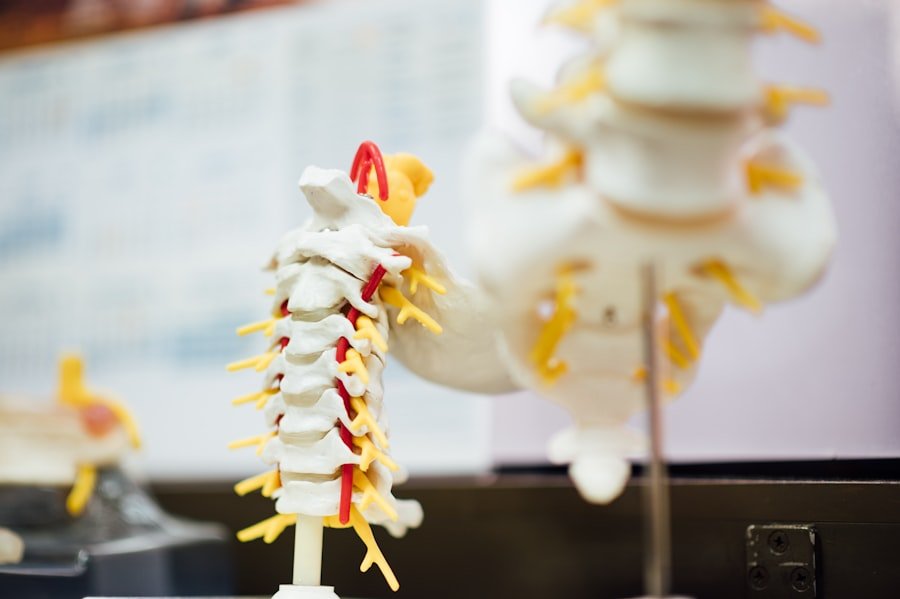
It’s tempting to self-diagnose. You’ve pulled a muscle before, so this must be that, right? But as we’ve explored, back pain can be a complex puzzle with multiple pieces. Relying solely on your own assessment can lead to ineffective treatment and prolonged discomfort. Understanding that your pain might stem from discs or nerves, not just muscles, is a crucial mindset shift.
4.1. Why Self-Diagnosis Can Be Risky
While you’re the ultimate expert on your own body, there are limitations to self-diagnosis.
- Overlapping Symptoms: The pain from a muscle strain, a bulging disc, and even early-stage nerve irritation can sometimes feel remarkably similar. Without professional assessment, distinguishing between them can be challenging.
- Missing Serious Conditions: The biggest risk of self-diagnosis is overlooking serious underlying conditions that require specific medical interventions. Delaying treatment for a significant disc herniation or nerve compression can lead to more permanent nerve damage.
- Ineffective Treatment: If you’re treating muscle tightness with heat and stretching but the underlying cause is nerve compression, you’re likely to invest time and energy into therapies that won’t address the root of the problem. This can lead to frustration and a lack of progress.
4.2. The Role of Healthcare Professionals
Your doctor, physical therapist, or chiropractor are your allies in uncovering the truth behind your back pain.
- Medical History and Physical Examination: The process begins with a detailed discussion of your symptoms, their onset, aggravating and alleviating factors, and your medical history. This is followed by a thorough physical examination to assess your range of motion, muscle strength, reflexes, and sensation.
- Diagnostic Tools: Based on your symptoms and the physical exam, your healthcare provider may recommend further diagnostic tools:
- X-rays: Useful for visualizing bones, identifying fractures, or significant degenerative changes.
- MRI (Magnetic Resonance Imaging): The gold standard for visualizing soft tissues, including discs, nerves, and the spinal cord. It can clearly show herniations, bulges, and signs of nerve compression.
- CT Scan (Computed Tomography): Can provide detailed images of bone structures and is sometimes used when MRI is contraindicated.
- Nerve Conduction Studies (NCS) and Electromyography (EMG): These tests assess the function of your nerves and muscles and can help pinpoint nerve damage or dysfunction.
- Differential Diagnosis: This is the process by which healthcare professionals rule out various potential causes to arrive at the most accurate diagnosis. They consider all possibilities – muscle, disc, nerve, and even other less common systemic issues – and use the gathered information to narrow down the potential culprits.
4.3. Taking an Active Role in Your Diagnosis
While your healthcare provider leads the diagnostic process, you play a vital role.
- Be Honest and Detailed: Don’t minimize your symptoms or leave out details. The more information you provide, the better your provider can understand your situation.
- Prepare for Your Appointment: Jot down your symptoms, when they started, what makes them better or worse, and any medications you’re taking. This will help you provide accurate and complete information.
- Ask Questions: Don’t be afraid to ask for clarification about your diagnosis, treatment options, and what to expect. Understanding your condition is empowering.
- Follow Recommendations: Adhere to the treatment plan prescribed by your healthcare provider and communicate any concerns or changes in your symptoms.
5. The Bigger Picture: Understanding Nonspecific Mechanical Pain and When to Worry
| Back Pain Type | Symptoms | Treatment |
|---|---|---|
| Muscle Problem | Localized pain, stiffness, muscle spasms | Physical therapy, stretching, massage |
| Disc Problem | Radiating pain, numbness, tingling, weakness | Rest, medication, epidural injections, surgery |
| Nerve Problem | Burning pain, shooting pain, muscle weakness | Medication, nerve blocks, physical therapy |
While we’ve delved into specific causes, it’s crucial to remember the overwhelming majority of low back pain cases. You’re not usually dealing with a catastrophic spinal disease; often, it’s more about the mechanics of your body and how it handles everyday stresses. Knowing when your pain might be a simple mechanical issue versus a sign of something more serious is key to appropriate management.
5.1. The Vast Majority: Nonspecific Mechanical Pain
As mentioned previously, about 90% to 95% of low back pain presentations are classified as nonspecific mechanical pain. This means the pain is related to the way your spine, muscles, and joints move and interact, rather than a specific disease process like infection, fracture, tumor, or significant nerve root compression.
- Causes: This type of pain can arise from:
- Muscle Strains and Overuse: As we’ve discussed.
- Ligament Sprains: Minor injuries to the supportive ligaments.
- Joint Dysfunction: Minor misalignments or stiffness in the small facet joints that connect your vertebrae.
- Poor Posture and Biomechanics: Chronic bad posture can put undue stress on your back structures.
- Deconditioning: Weak core and back muscles offer less support.
- Management: The good news is that nonspecific mechanical pain is usually well-managed with conservative approaches like physical therapy, exercise, heat/cold therapy, and lifestyle modifications. Routine imaging is often not necessary for these types of presentations.
5.2. Recognizing “Red Flags” – Your Alarm System
While most back pain is benign, paying attention to specific warning signs is vital. These “red flags” indicate that your back pain could be a symptom of a more serious spinal condition and requires prompt medical evaluation.
- Neurological Deficits:
- Leg Weakness or Numbness: Especially if it’s progressive or involves significant difficulty walking or lifting your foot.
- Bowel or Bladder Dysfunction: As previously mentioned, this is a significant warning sign.
- Saddle Anesthesia: Numbness in the groin area.
- Pain Characteristics:
- Severe or Worsening Pain: Pain that is unbearable, doesn’t improve with rest, or is getting progressively worse.
- Pain that Wakes You at Night: Constant pain that interrupts sleep might indicate a more serious issue.
- Pain Not Related to Movement: Mechanical pain usually worsens or improves with certain movements or positions. Constant, unremitting pain can be a concern.
- Systemic Symptoms:
- Fever or Chills: Can suggest an infection in the spine.
- Unexplained Weight Loss: Can be a sign of cancer.
- History of Cancer: If you have a history of cancer, new back pain should be investigated thoroughly.
- Recent Trauma or Injury: A significant fall or accident warrants medical evaluation.
- Age Extremes: Back pain in very young children or in individuals over 50 with no prior history of back problems can sometimes be more concerning.
- Intravenous Drug Use: This can increase the risk of spinal infections.
5.3. The Wisdom of Patience and Professional Guidance
For the vast majority of back pain sufferers, patience and a commitment to conservative care are key.
- Trust Your Body, But Verify: Pay attention to how your body feels, but don’t hesitate to seek professional advice if your symptoms are concerning or persistent.
- Avoid Unnecessary Imaging: While imaging can be crucial for diagnosing specific spinal conditions, for most cases of nonspecific mechanical pain, it’s often not recommended and can lead to unnecessary anxiety and incidental findings that are not clinically significant. Your doctor will guide you on when imaging is truly needed.
- Focus on Function: The goal of treatment is often to restore your ability to move, work, and enjoy life without debilitating pain. Focus on functional improvements rather than solely on eliminating every twinge.
- Know When to Escalate: If your pain doesn’t improve within a reasonable timeframe with conservative management, or if you develop any red flag symptoms, it’s time to re-evaluate with your healthcare provider and consider further investigation or a different treatment approach.
By understanding these distinctions between muscle, disc, and nerve issues, and by knowing when to trust your body’s signals and when to seek professional guidance, you are empowering yourself to take the most effective path towards a pain-free back. Remember, most back pain is not a dire emergency, but being informed is your best defense against persistent discomfort and potential complications.
FAQs
What are the common causes of back pain?
Common causes of back pain include muscle strains, herniated discs, and nerve compression. Other factors such as poor posture, obesity, and arthritis can also contribute to back pain.
How can I determine if my back pain is a muscle problem, disc problem, or nerve problem?
A thorough physical examination and possibly imaging tests such as X-rays, MRI, or CT scans can help determine the cause of your back pain. Your healthcare provider may also perform specific tests to assess muscle strength, reflexes, and sensation to pinpoint the source of your pain.
What are the symptoms of muscle-related back pain?
Muscle-related back pain is often characterized by localized discomfort, stiffness, and tenderness in the affected area. It may also be aggravated by certain movements or activities.
What are the symptoms of disc-related back pain?
Disc-related back pain may present as sharp, shooting pain that radiates down the leg (sciatica), numbness or tingling in the legs, and weakness in the lower extremities. It may also be accompanied by limited range of motion and discomfort when sitting or bending.
What are the symptoms of nerve-related back pain?
Nerve-related back pain can cause a burning or electric shock-like sensation, numbness, and weakness in the affected area. It may also lead to muscle spasms and difficulty with coordination and balance.