
Here you are, a meticulously crafted listicle designed to unravel the mystery of your persistent lower back pain, even when you can’t pinpoint a specific injury. As your Listicle Content Architect, I’ve channeled the latest medical consensus into an easy-to-digest guide. Remember, this is for informational purposes and to empower your understanding, not a substitute for professional medical advice.
- Nonspecific Low Back Pain: The Most Common Culprit
You’re not alone. In fact, you’re in the overwhelming majority if your lower back pain defies easy explanation. The current medical consensus is clear: the vast majority of lower back pain cases are classified as “nonspecific.” This means that when you get imaging like X-rays or MRIs, or undergo various tests, doctors can’t identify a single, precise structural cause that directly explains your discomfort. This might sound frustrating, but it’s actually a good thing in many ways. It suggests that your pain isn’t due to a serious, underlying structural defect that requires immediate surgical intervention or highly specialized treatment.
The “Nonsense” in Nonspecific Pain
The term “nonspecific” doesn’t mean your pain isn’t real or that it’s all in your head. Far from it. It simply signifies that the common diagnostic tools we have today aren’t sensitive enough to pinpoint a singular, identifiable lesion or abnormality as the sole source of your agony. Think of it like this: if you have a headache, doctors can’t always see exactly why your head hurts. It might be due to muscle tension, dehydration, stress, or a combination of factors. Similarly, low back pain often arises from a complex interplay of factors rather than a single, isolated issue.
Why This Diagnosis is Paradoxically Reassuring
While it might feel unsatisfying not to have a definitive “diagnosis” in the traditional sense, the concept of nonspecific low back pain is actually a cornerstone of modern pain management.
- Reduced Fear of Serious Injury: Knowing that your pain is most likely nonspecific significantly reduces the anxiety associated with discovering a critical underlying problem. It means that the likelihood of your pain being caused by something truly dangerous, like a major spinal fracture or tumor, is relatively low.
- **Focus on What You Can Control:** Because there isn’t one specific “thing” to fix, the focus shifts to what you can actively do to manage and alleviate your pain. This includes lifestyle modifications, exercise, and proper body mechanics.
- Effective Treatment Strategies: Research has shown that treatments like exercise, manual therapy, and educational approaches are highly effective for nonspecific low back pain, even without identifying a specific anatomical cause.
- Prognosis is Generally Good: The vast majority of nonspecific low back pain episodes resolve within a few weeks to months. While it can recur, understanding its nature empowers you to manage it more effectively.
The Multifaceted Nature of Nonspecific Pain
When we talk about nonspecific pain, we’re acknowledging that your pain is likely a result of:
- Subtle Inflammatory Processes: Microscopic tears, inflammation, and changes in the tissues around your spine can contribute to pain without being visible on standard imaging.
- Nerve Sensitivity: Your nerves might become more sensitive to stimuli, leading to pain even from activities that wouldn’t normally cause it. This is often referred to as central sensitization.
- Muscle Imbalances and Dysfunctions: Small imbalances in the muscles that support your spine can lead to strain and pain over time.
- Psychological Factors: Stress, anxiety, and mood can all significantly influence how you perceive and experience pain. These aren’t “in your head,” but rather a very real biological response.
So, while “nonspecific” might sound vague, it’s actually a sophisticated understanding that acknowledges the complex, often multifactorial nature of low back pain. It encourages a proactive and holistic approach to your well-being.
- Muscle or Ligament Strain: The Silent Achiever
Ah, the humble muscle or ligament strain. This remains, by consensus, the most common identifiable cause of lower back pain, even when you don’t recall a dramatic “snap” or “twist.” Think of it less like a sudden car crash and more like the cumulative effect of everyday activities, performed imperfectly. These tissues are incredibly resilient, but they aren’t invincible. Repeated stress, even at low levels, can lead to micro-tears, inflammation, and subsequent pain.
How Everyday Activities Become Culprits
You might be surprised by the seemingly innocuous activities that can contribute to muscle or ligament strain:
- The “Long Sit” Syndrome: Spending hours upon hours sitting at a desk, in your car, or on the couch can put sustained pressure on your lower back muscles and ligaments. They become fatigued and can stiffen up, leading to pain when you finally move. This is especially true if your posture isn’t ideal.
- **Lifting That Thing (Even If It Wasn’t That Heavy):** Yes, lifting heavy objects incorrectly is a classic cause. But even lifting something moderately heavy with poor form – bending at the waist instead of the knees, twisting while lifting, or not engaging your core – can strain those muscles and ligaments. It might not hurt immediately, but the damage can accumulate.
- Repetitive Strain: Think about actions you do repeatedly throughout the day or week. This could be bending down to pick up toys, gardening, repetitive movements at work, or even a specific exercise done with slightly off form. Each small motion causes a tiny bit of stress, and over time, these stresses can lead to pain.
- Sudden Twists and Turns: Even without a full-on fall, a quick, unexpected twist or turn can overstretch or tear muscle fibers and ligaments. Imagine reaching for something suddenly, or stepping awkwardly. The suddenness of the movement can overwhelm the tissue’s capacity.
- Poor Posture: Whether you slouch at your desk or stand with your weight unevenly distributed, consistently poor posture forces certain muscles to work harder than they should and leaves others deactivated. This imbalance can lead to strain and pain.
The Subtle Onset of Pain
The beauty, or perhaps the beast, of muscle and ligament strain is its often subtle onset. You might not wake up with a searing pain after a single incident. Instead, you might notice:
- A dull ache that gradually worsens throughout the day.
- Stiffness in your lower back, especially in the morning or after prolonged sitting.
- Pain that flares up when you extend your back or bend forward.
- Tenderness to touch in specific areas of your lower back.
- Pain that radiates slightly into your buttocks but typically doesn’t go past your knee.
Prevention is Key
Since muscle and ligament strain is so common, focusing on prevention is paramount.
- Proper Lifting Techniques: Always bend your knees, keep your back straight, and engage your core muscles. Hold the object close to your body. Avoid twisting while lifting.
- Maintain Good Posture: Be mindful of your posture when sitting, standing, and walking. Use ergonomic chairs and supports if needed.
- Regular Movement: Don’t stay in one position for too long. Get up, walk around, and stretch every 30-60 minutes.
- Core Strengthening: Strong abdominal and back muscles act as a natural corset, supporting your spine and reducing strain.
- Listen to Your Body: If an activity starts to cause discomfort, stop. Don’t push through pain.
While it might feel like nothing significant happened, understanding that everyday stresses can lead to muscle and ligament strain offers a clear path to managing your pain and preventing future episodes. Your muscles and ligaments are working hard for you; give them the support they need!
- Disc Dysfunctions: The Spine’s Shock Absorbers Under Pressure
Your spine is a remarkable structure, and at its core are the intervertebral discs. These gel-filled cushions act as shock absorbers, allowing your spine to move freely and protecting your vertebrae. However, these discs are also susceptible to problems, and when they aren’t functioning optimally, they can become a significant source of lower back pain, even without a single traumatic event. The modern medical understanding highlights that these issues can develop gradually over time due to wear and tear, or due to certain movements.
Bulging Discs: The Warning Stir
Imagine your disc as a jelly donut. A bulging disc occurs when the outermost layer of the disc (the annulus fibrosus) weakens and starts to protrude outwards, like the jelly pushing out the side of a slightly squashed donut. This bulge might not rupture the outer layer entirely, but it can press on surrounding nerves or tissues, causing inflammation and pain.
What Causes Discs to Bulge?
- Age-Related Degeneration: As we age, our discs naturally lose hydration and elasticity, making them more prone to bulging. This is a normal part of the aging process for many.
- Repetitive Stress: Similar to muscle strain, repeated bending, twisting, or lifting can put undue pressure on the discs, gradually weakening the outer wall.
- Sudden Movements: A quick twist or lift can sometimes cause a disc to bulge, even if you don’t feel an immediate injury.
Herniated Discs: When the Jelly Escapes
A herniated disc is a more advanced form of disc problem. In this case, a tear or rupture occurs in the outer layer of the disc, allowing the inner, jelly-like material (the nucleus pulposus) to push through. This is often referred to as a “slipped disc,” though the disc doesn’t actually slip.
The Impact of a Herniation
When disc material herniates, it can directly irritate or compress nearby spinal nerves. This nerve impingement is often the cause of more intense pain, and it’s when symptoms can start to radiate. If a herniated disc in your lower back impacts a nerve that travels down your leg, you might experience sciatica – that shooting, burning, or tingling pain down your buttock and leg.
- Location Matters: The specific symptoms of a herniated disc depend on which nerve is being compressed and how severely.
- Pain Patterns: You might experience localized back pain, but often the most significant pain is felt along the path of the affected nerve.
- Numbness and Weakness: In addition to pain, nerve compression can lead to numbness, tingling, or weakness in the leg or foot.
Degenerative Disc Disease (DDD): The Slow Burn of Aging
Degenerative Disc Disease isn’t a disease in the traditional sense, but rather a descriptive term for the natural aging process of the spine’s discs. It’s a gradual deterioration of the disc’s structure and function.
Characteristics of DDD
- Loss of Hydration: Discs lose water content over time, becoming thinner and less effective at cushioning.
- Decreased Height: As discs thin, the space between your vertebrae decreases. This can lead to narrowing of the spinal canal (spinal stenosis) and irritation of nerves.
- Cracks and Fissures: The outer layer of the disc can develop small cracks and fissures, which can be painful and allow for further degeneration.
- Osteophyte Formation: In an attempt to stabilize the spine, the body may start to grow bone spurs (osteophytes) around the degenerated disc. These can impinge on nerves.
Even without a specific injury, the accumulated wear and tear associated with DDD can lead to persistent stiffness, aching, and pain in the lower back, especially with certain movements or after periods of inactivity.
Managing Disc-Related Back Pain
While disc problems can sound daunting, there are effective strategies for managing the pain:
- Targeted Exercise: Specific exercises designed to strengthen the core muscles, improve flexibility, and promote good posture can help support the spine and reduce pressure on the discs.
- Physical Therapy: A physical therapist can guide you through appropriate exercises, teach you proper body mechanics, and use manual therapy techniques to alleviate pain.
- Pain Management: In some cases, medications, injections, or other pain management techniques may be necessary to control severe pain.
- Lifestyle Modifications: Maintaining a healthy weight, avoiding prolonged sitting with poor posture, and using proper lifting techniques are crucial for minimizing disc stress.
Understanding that disc issues can develop gradually and without a singular event is a critical step in addressing your lower back pain. It empowers you to make informed choices about your health and seek appropriate supportive care.
- Arthritis and Spine Wear-and-Tear: The Inevitable Progression of Time
Let’s face it, our bodies aren’t designed for immortality. As we journey through life, our spines, like other joints, are subject to the natural process of wear and tear. This wear and tear, commonly referred to as degenerative changes or osteoarthritis, is a major contributor to lower back pain, particularly as we age. It’s not necessarily an “injury” in the acute sense, but rather a consequence of years of use.
Osteoarthritis of the Spine: More Than Just Stiff Joints
Osteoarthritis (OA) is the most common type of arthritis and affects the cartilage that cushions the ends of your bones in a joint. In the spine, this manifests as degeneration of the facet joints, the small joints that connect your vertebrae and allow for movement.
What Happens in Facet Joint Osteoarthritis?
- Cartilage Breakdown: The smooth cartilage that lines the facet joints begins to wear away. This leads to friction between the bones, causing pain, inflammation, and stiffness.
- Bone Spurs (Osteophytes): As the body tries to compensate for the damaged cartilage, it may start to grow extra bone, forming spurs around the affected joints. These spurs can limit movement and irritate nearby nerves.
- Inflammation: The irritated joint surfaces can trigger an inflammatory response, leading to swelling and increased pain.
This type of arthritis often results in a deep ache in the lower back that can be worse with standing, walking, or extending your spine. It can also cause stiffness, especially in the morning or after sitting for a long time.
Degenerative Disc Disease (DDD) – A Familiar Friend (or Foe)
As mentioned previously, Degenerative Disc Disease is another key player in the “wear-and-tear” category. It’s a natural process where the intervertebral discs lose hydration, become thinner, and less able to absorb shock.
The Cascade Effect of DDD
- Reduced Disc Height: This leads to less space between vertebrae, which can compress nerves exiting the spinal cord.
- Instability: As discs degenerate, the spine can become less stable, leading to increased muscle activity to compensate, which in turn causes further strain and pain.
- Facet Joint Overload: With thinner discs, the facet joints bear more of the load, accelerating their degeneration.
Spinal Stenosis: Narrowing of the Spinal Canal
Spinal stenosis is a condition where the space within the spinal canal—the bony tunnel that houses your spinal cord and nerves—becomes narrowed. This narrowing can put pressure on the spinal cord and nerve roots.
Common Causes of Spinal Stenosis
- Osteoarthritis: Bone spurs (osteophytes) that develop from facet joint arthritis can grow into the spinal canal, narrowing it.
- Degenerative Disc Disease: As discs lose height, this can also contribute to narrowing of the canal.
- Thickened Ligaments: Ligaments within the spine can thicken and become less flexible with age, encroaching on the canal space.
Symptoms of spinal stenosis often include pain, numbness, tingling, or weakness in the legs that worsens with walking (neurogenic claudication) and is often relieved by sitting or bending forward. This characteristic “shopping cart sign” is a hallmark of lumbar spinal stenosis.
Spondylolisthesis: A Vertebra on the Move
Spondylolisthesis occurs when one vertebra slips forward over the vertebra below it. While it can be caused by a fracture (spondylolysis), it can also develop gradually due to degenerative changes, particularly in the facet joints, which lose their ability to hold the vertebrae in place.
Types of Spondylolisthesis Relevant to Wear-and-Tear
- Degenerative Spondylolisthesis: This is more common in older adults and occurs when the facet joints and discs degenerate, allowing for the slippage. It’s often the result of chronic stress on the spine.
This slippage can also lead to nerve compression and pain, often exacerbated by standing or walking.
Embracing a Proactive Approach to Spinal Health
While we can’t stop the clock on aging, we can significantly mitigate the impact of wear-and-tear on our spines:
- Maintain a Healthy Weight: Excess body weight places additional stress on your spine.
- Regular Exercise: Strengthening your core muscles, engaging in low-impact aerobic activities, and practicing flexibility exercises can help support your spine and improve joint health.
- Good Posture: Being mindful of your posture in all activities reduces undue pressure on your spinal structures.
- Ergonomics: Ensure your workspace and daily living areas are set up to support your spine.
- Listen to Your Body: Don’t ignore persistent aches and stiffness. Early intervention can prevent more significant problems.
Understanding that arthritis and general wear-and-tear are common, gradual processes can help you approach your lower back pain with a sense of realism and a commitment to proactive spinal care. It’s about keeping your spine as healthy and functional as possible for as long as possible.
- Inflammatory Conditions: When Your Immune System Causes Back Pain
Sometimes, lower back pain isn’t about mechanical issues or everyday wear and tear, but rather about your own immune system working overtime. Inflammatory conditions, particularly those that specifically affect the spine, can cause significant discomfort and stiffness, and they often don’t have a clear “injury” trigger. The medical consensus recognizes these as important causes of persistent back pain, distinct from the more common mechanical issues.
Axial Spondyloarthritis: The Umbrella Term
Axial spondyloarthritis (axSpA) is a group of inflammatory diseases that primarily affect the spine and the sacroiliac joints (where the spine connects to the pelvis). The most well-known type within this group is Ankylosing Spondylitis (AS).
Ankylosing Spondylitis (AS): A Deep-Seated Inflammation
Ankylosing spondylitis is a chronic inflammatory disease that can cause new bone formation and eventually lead to fusion of the vertebrae in the spine. This fusion is what leads to stiffness and limited mobility.
Key Characteristics of AS-Related Pain
- Gradual Onset: Pain and stiffness often develop slowly over weeks or months.
- Morning Stiffness: A hallmark symptom is stiffness that is worse in the morning and usually improves with activity or exercise. This is a direct contrast to the stiffness of osteoarthritis, which can worsen with activity.
- Pain Worsens with Rest: Unlike many mechanical back pains that are aggravated by movement, AS pain often improves with exercise and worsens with rest and inactivity.
- Sacroiliac Joint Involvement: Pain is frequently felt in the buttocks and can radiate to the lower back. The sacroiliac joints are often the initial site of inflammation.
- Age of Onset: AS typically begins in young adulthood, often between the ages of 17 and 45.
- Systemic Symptoms: While primarily affecting the spine, AS can also cause inflammation in other parts of the body, such as the eyes (uveitis), tendons, and certain organs.
Other Forms of Axial Spondyloarthritis
Even if you don’t have the classic “bones fusing” aspect of AS, you might have non-radiographic axial spondyloarthritis (nr-axSpA). In this condition, inflammation is present in the spine and sacroiliac joints, and you have symptoms consistent with axSpA, but standard X-rays don’t show the bone changes of AS. This highlights that the “invisible” inflammation can still be a source of significant pain.
Why Inflammatory Back Pain Might Not Seem Like an Injury
The reason this type of pain might not feel like an injury is that it’s not caused by an external force or a sudden trauma. Instead, it’s an internal process where your immune system mistakenly attacks healthy tissues in your spine and surrounding joints.
- No Clear Event: You likely won’t be able to point to a specific moment when your back started hurting.
- Persistent Nature: The pain and stiffness are often chronic and can be relentless, rather than episodic.
- Worsening with Rest: The pattern of pain relief with movement and worsening with rest is a key differentiator.
Diagnosis and Management
If you suspect an inflammatory condition, seeing a rheumatologist is crucial. Diagnosis often involves:
- Detailed Medical History and Physical Examination: Focusing on the pattern of your pain, stiffness, and any other symptoms.
- Blood Tests: To look for inflammatory markers (like C-reactive protein and erythrocyte sedimentation rate) and genetic markers (like HLA-B27, though its presence doesn’t guarantee axSpA).
- Imaging: MRI scans are particularly useful for detecting inflammation in the sacroiliac joints and spine that may not be visible on X-rays.
Management for inflammatory back pain typically focuses on:
- Medications: Nonsteroidal anti-inflammatory drugs (NSAIDs) are often the first line of treatment. Disease-modifying antirheumatic drugs (DMARDs) and biologic therapies are used for more severe or persistent forms of the disease.
- Physical Therapy: Tailored exercise programs are essential for maintaining flexibility, supporting the spine, and managing pain.
- Lifestyle: Regular movement, good posture, and stress management are important complementary strategies.
Recognizing that your back pain could be due to an inflammatory process is vital, as timely diagnosis and treatment can significantly improve your quality of life and prevent long-term damage.
- Other Medical Causes: When Your Back Pain is a Signal from Elsewhere
While most lower back pain is benign and related to the musculoskeletal system, it’s essential to remember that your back can sometimes be pointing to issues originating from outside your spine. These “referred pain” situations or conditions affecting other organs can manifest as lower back discomfort, even though there’s no direct injury to your back itself. The medical consensus emphasizes that while these are less common, they are crucial to consider, especially if your pain has unusual features or doesn’t respond to typical back pain treatments.
Kidney Stones and Infections: The Pain Below the Surface
Your kidneys are located in your upper abdomen, but their pain, especially ureteral pain as a stone moves, can frequently radiate to your flank and lower back.
Characteristics of Kidney-Related Back Pain
- Location: Often felt on one side of the back, in the upper or lower flank area.
- Type of Pain: Can range from a dull ache to sharp, severe, cramping pain that comes in waves (colic).
- Associated Symptoms: You might also experience nausea, vomiting, fever, chills, pain with urination, or blood in the urine.
- Cause: Kidney stones are hard deposits of minerals that form in your kidneys. A kidney infection (pyelonephritis) is a bacterial infection that can occur in the kidneys.
If you experience sudden, severe back pain accompanied by any of these symptoms, it’s important to seek medical attention promptly.
Osteoporosis Fractures: Weak Bones, Big Pain
Osteoporosis is a condition characterized by weakened bones that become brittle and more prone to fracture. Vertebral compression fractures, where a bone in the spine collapses, can occur spontaneously or with minimal trauma, even without a noticeable fall or heavy lift.
Impact of Osteoporotic Fractures
- Sudden, Sharp Pain: Fractures can cause sudden, intense pain in the area of the fractured vertebra.
- Progressive Thoracic Kyphosis: In cases of multiple vertebral fractures, the spine can develop an exaggerated outward curve (a “dowager’s hump”), leading to chronic back pain and postural changes.
- Height Loss: Repeated fractures can cause you to lose height.
These fractures are more common in older adults, especially postmenopausal women.
Spinal Infections: A Serious, Though Rare, Cause
Infections can occur within the spine itself, affecting the vertebrae, discs, or spinal canal. These are serious conditions that require immediate medical attention.
Signs of Spinal Infection
- Persistent, Severe Pain: Often localized to the spine and can be worse at night.
- Fever and Chills: Systemic signs of infection.
- Neurological Symptoms: Numbness, weakness, or loss of bowel/bladder control if the infection is compressing nerves or the spinal cord.
Risk factors include recent surgery, intravenous drug use, weakened immune systems, and other infections elsewhere in the body.
Tumors: A Critical, Though Infrequent, Consideration
While rare, tumors (both primary originating in the spine and metastatic cancers spreading from elsewhere) can press on nerves or damage spinal structures, causing back pain.
Red Flags for Spinal Tumors
- Unexplained Weight Loss: Significant weight loss without dieting.
- Pain that Worsens at Night: Pain that disrupts sleep.
- History of Cancer: A previous diagnosis of cancer increases the risk.
- Neurological Deficits: Progressive weakness, numbness, or changes in sensation.
Any persistent, unexplained back pain, especially in individuals with a history of cancer or other risk factors, warrants thorough medical investigation.
Pregnancy-Related Changes: A Temporary but Significant Pain Source
Pregnancy brings about numerous physiological changes, and lower back pain is an extremely common complaint. This pain isn’t due to an injury but rather the hormonal shifts, increased weight, and altered posture.
Pregnancy Pain Mechanisms
- Hormonal Changes: Hormones like relaxin loosen the ligaments throughout your body, including those supporting the pelvis and spine, which can lead to instability and pain.
- Weight Gain: The added weight of the baby and associated fluid retention put extra strain on your back.
- Shifting Center of Gravity: As your pregnancy progresses, your posture changes to compensate for the growing belly, increasing the lordotic curve (inward curve) in your lower back, which can strain muscles.
This pain is usually temporary and resolves after childbirth.
Referred Pain from Organs: A Hidden Connection
Sometimes, pain originating from internal organs can be perceived in the lower back.
Examples of Referred Pain
- Pancreatitis: Inflammation of the pancreas can cause upper abdominal pain that radiates to the back.
- Aortic Aneurysm: Aneurysms in the abdominal aorta can sometimes cause deep, persistent back pain.
- Gynecological Issues: Conditions like endometriosis or ovarian cysts can cause pelvic pain that may be felt in the lower back.
If your back pain is accompanied by significant abdominal, pelvic, or chest pain, or if it’s associated with other systemic symptoms, it’s crucial to get a comprehensive medical evaluation to rule out these other medical causes.
When your lower back hurts without a clear injury, it’s a signal to explore multiple possibilities. While most causes are manageable, understanding the broader spectrum of potential issues is key to ensuring you receive the right diagnosis and the most effective treatment for your specific situation.
FAQs
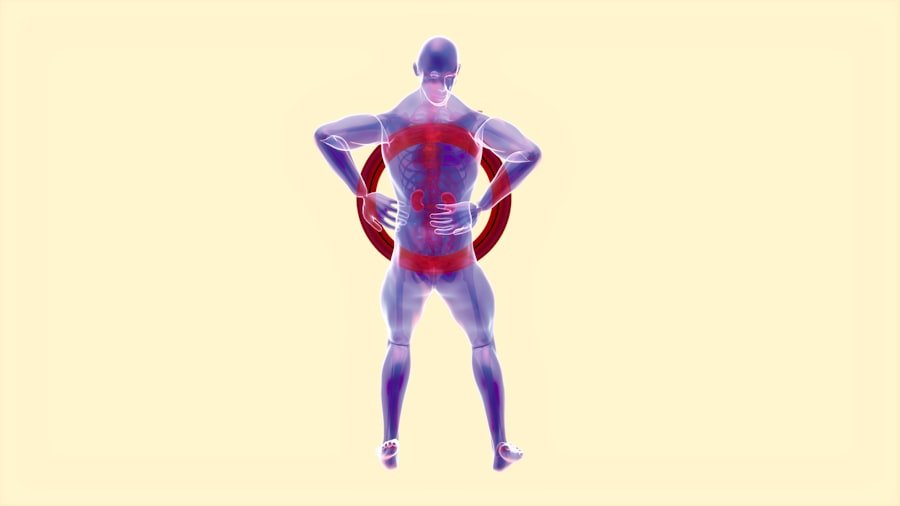
1. What are some common causes of lower back pain without injury?
Some common causes of lower back pain without injury include poor posture, muscle strain, arthritis, and degenerative disc disease.
2. How does poor posture contribute to lower back pain?
Poor posture can put extra strain on the muscles and ligaments in the lower back, leading to pain and discomfort. Over time, this strain can contribute to chronic lower back pain.
3. What role does muscle strain play in non-injury related lower back pain?
Muscle strain can occur from overuse, improper lifting, or sudden movements, leading to lower back pain. Even without a specific injury, repetitive strain on the muscles can cause discomfort and pain.
4. How does arthritis contribute to lower back pain without injury?
Arthritis can cause inflammation and stiffness in the joints of the lower back, leading to pain and discomfort. This can occur without a specific injury and contribute to ongoing lower back pain.
5. What are some lifestyle changes that can help alleviate non-injury related lower back pain?
Some lifestyle changes that can help alleviate non-injury related lower back pain include maintaining good posture, staying active with regular exercise, using proper body mechanics when lifting, and managing weight to reduce strain on the lower back.