
If you’ve ever experienced a kidney infection, you know just how painful and uncomfortable it can be. But did you know that there are common complications that can arise from this condition? In this article, we’ll explore these complications and learn about their management. From kidney stones to sepsis, we’ll delve into the various challenges that can accompany a kidney infection. So, whether you’re currently dealing with this condition or simply want to be informed, read on to discover the potential complications and how to effectively manage them.
Common Complications of Kidney Infection
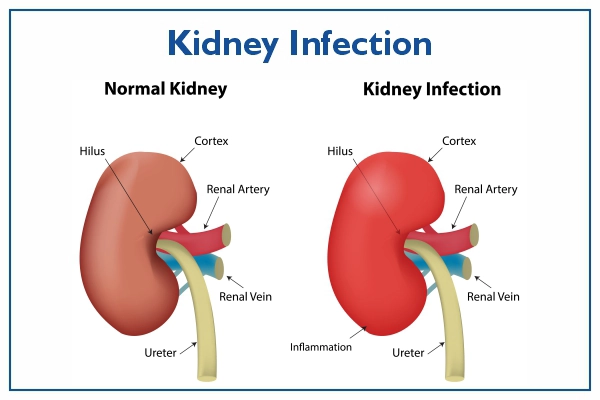
Kidney infection, also known as pyelonephritis, is a serious condition that can lead to various complications if not properly managed. It is important to be aware of these complications so that you can seek appropriate medical care and prevent further health issues. Here are some of the common complications associated with kidney infection:
Urinary Tract Infections
Urinary tract infections (UTIs) are a common complication of kidney infection. When bacteria enter the urinary tract and multiply, it can lead to UTIs. Symptoms of UTIs include frequent urination, a burning sensation during urination, cloudy or strong-smelling urine, and pelvic pain. It is important to treat UTIs promptly to prevent them from spreading to the kidneys and causing further complications.
Sepsis
Sepsis is a potentially life-threatening complication of kidney infection. It occurs when bacteria from the infected kidneys enter the bloodstream, causing an overwhelming immune response. Symptoms of sepsis include fever, rapid heart rate, rapid breathing, confusion, and decreased urine output. If you experience any of these symptoms, seek immediate medical attention, as sepsis requires prompt treatment in the hospital.
Abscess Formation
Abscesses are collections of pus that can develop within the kidneys as a result of a kidney infection. They can cause severe pain, fever, and chills. Abscesses may need to be drained to prevent further complications, such as the spread of infection to other parts of the body. Drainage is usually done using a needle or by surgery, depending on the size and location of the abscess.
Kidney Damage
Untreated kidney infections can lead to long-term kidney damage. The infection can cause scarring and inflammation, which can impair the normal function of the kidneys. This can result in decreased kidney function and even kidney failure. It is important to seek treatment for kidney infections promptly to prevent irreversible damage to the kidneys.
Kidney Stones
Kidney stones can develop as a complication of kidney infection. These are hard deposits that form in the kidneys and can cause severe pain when they pass through the urinary tract. Symptoms of kidney stones include sudden severe pain in the back or side, blood in the urine, and frequent urination. Treatment for kidney stones may involve pain management, fluid intake, and, in some cases, removal of the stones through surgical intervention.
Hydronephrosis
Hydronephrosis is the swelling of the kidneys due to blockage of urine flow. It can occur as a result of a kidney infection, causing urine to back up into the kidneys. Symptoms of hydronephrosis include pain in the back or side, frequent urination, and fever. Treatment for hydronephrosis may involve addressing the underlying cause of the blockage, such as removing kidney stones or treating an enlarged prostate.
Pyelonephritis
Pyelonephritis is the medical term for kidney infection. It occurs when bacteria from the urinary tract enter the kidneys and cause an infection. Symptoms of pyelonephritis include high fever, back pain, frequent urination, and fatigue. Prompt treatment with antibiotics is essential to prevent the infection from spreading and causing further complications.
Renal Scarring
Renal scarring can occur as a result of repeated or untreated kidney infections. It is the formation of scar tissue in the kidneys, which can lead to decreased kidney function. Renal scarring can contribute to chronic kidney disease and may require long-term management and monitoring.
Renal Failure
In severe cases, untreated kidney infections can lead to renal failure, where the kidneys are no longer able to function properly. Renal failure requires dialysis or a kidney transplant to replace the lost kidney function. It is essential to seek medical care for kidney infections to prevent the progression to this life-threatening complication.
Recurrent Infections
If not properly managed, kidney infections can recur, leading to a vicious cycle of infection and further complications. Recurrent infections can be a sign of an underlying condition or an incomplete treatment of the initial infection. Proper management and preventive measures are crucial to break this cycle and prevent further complications.

Management of Kidney Infection Complications
Managing the complications of kidney infection involves a multidisciplinary approach aimed at treating the underlying infection, relieving symptoms, preventing further complications, and promoting recovery. Here are some common management strategies for kidney infection complications:
Antibiotic Therapy
The cornerstone of treating kidney infection complications is antibiotic therapy. Antibiotics are prescribed to target the specific bacteria causing the infection and eliminate it from the urinary tract and kidneys. It is important to complete the full course of antibiotics as prescribed by your healthcare provider to ensure effective treatment and to prevent the development of antibiotic resistance.
Drainage of Abscess
If an abscess has formed in the kidneys, drainage may be necessary to remove the pus and relieve symptoms. The method of drainage depends on the size and location of the abscess and may involve the use of a needle or surgical intervention. Drainage helps to prevent the spread of infection and promotes healing of the affected kidneys.
Pain Management
Pain management is an important aspect of managing kidney infection complications. Pain medications, such as nonsteroidal anti-inflammatory drugs (NSAIDs) or opioids, may be prescribed to alleviate pain and discomfort associated with kidney infections and related complications.
Fluid Intake
Maintaining adequate fluid intake is crucial for managing kidney infection complications. Drinking plenty of water helps to flush out bacteria from the urinary tract and kidneys, preventing the infection from worsening and promoting healing. Your healthcare provider may recommend a specific fluid intake goal based on your individual needs.
Dietary Changes
In some cases, dietary changes may be necessary to manage kidney infection complications. Your healthcare provider may recommend reducing salt intake, limiting certain foods that can irritate the urinary tract, and increasing consumption of foods that support kidney health, such as fruits, vegetables, and whole grains.
Lifestyle Modifications
Certain lifestyle modifications can help prevent recurrent kidney infections and manage related complications. These may include practicing good hygiene, avoiding substances that irritate the urinary tract (such as harsh soaps or feminine hygiene products), and emptying the bladder completely during urination.
Surgical Intervention
In some cases, surgical intervention may be necessary to manage kidney infection complications. This may involve procedures to remove kidney stones, repair a blockage in the urinary tract, or address other underlying conditions contributing to the infections and related complications.
Physical Therapy
Physical therapy may be recommended to aid in the recovery and rehabilitation of individuals with kidney infection complications, such as kidney damage or renal scarring. Physical therapy exercises can help improve kidney function, strengthen the muscles supporting the urinary tract, and alleviate pain or discomfort.
Monitoring and Follow-up
Regular monitoring and follow-up with your healthcare provider are important for managing kidney infection complications. This allows for the assessment of treatment effectiveness, monitoring of kidney function, detection of recurrent infections, and adjustment of management strategies as needed.
Preventive Measures
Preventive measures are crucial for reducing the risk of kidney infection complications. These may include practicing good hygiene, such as wiping from front to back after using the bathroom, urinating before and after sexual intercourse, and staying well-hydrated. Additionally, your healthcare provider may recommend prophylactic antibiotics or vaccinations in certain cases to prevent recurrent infections. Education and counseling on preventive measures can empower you to take proactive steps in managing your kidney health.

Urinary Tract Infections
Urinary tract infections (UTIs) are one of the common complications of kidney infection. Understanding the causes, symptoms, diagnosis, treatment, and prevention of UTIs is important for managing kidney infection complications effectively.
Causes and Risk Factors
UTIs occur when bacteria, usually Escherichia coli (E.coli), enter the urinary tract and multiply. The bacteria can enter the urethra and travel up to the bladder and kidneys, causing an infection. Risk factors for UTIs include female gender, sexual activity, urinary tract abnormalities, menopause, diabetes, an impaired immune system, and the use of urinary catheters.
Symptoms
The symptoms of UTIs can vary but commonly include:
- Frequent urination
- A strong, persistent urge to urinate
- Burning sensation during urination
- Cloudy or strong-smelling urine
- Blood in the urine
- Pelvic pain in women
Diagnosis
To diagnose a UTI, your healthcare provider will typically perform a physical examination, review your symptoms, and collect a urine sample for analysis. The urine sample will be tested for the presence of bacteria and white blood cells, which are indicative of an infection. In some cases, additional imaging or diagnostic tests may be required to assess the extent of the infection or any underlying conditions contributing to the UTI.
Treatment
The treatment for UTIs usually involves a course of antibiotics to eliminate the bacteria causing the infection. The specific antibiotic prescribed will depend on the type of bacteria involved and the severity of the UTI. It is important to complete the full course of antibiotics as prescribed, even if symptoms improve, to ensure effective treatment and prevent antibiotic resistance.
Prevention
Preventing UTIs is crucial for managing kidney infection complications. Here are some preventive measures:
- Drink plenty of water to flush out bacteria from the urinary tract.
- Urinate before and after sexual intercourse to help flush out any bacteria that may have entered the urethra.
- Practice good hygiene, including wiping from front to back after using the bathroom and avoiding the use of douches or harsh soaps.
- Avoid irritants such as feminine hygiene products, spermicides, and bubble baths.
- If you have recurrent UTIs, your healthcare provider may recommend prophylactic antibiotics or other preventive measures.
By practicing good hygiene and following these preventive measures, you can reduce the risk of UTIs and minimize their impact on kidney infection complications.
