
Are you experiencing frequent urination, back pain, and a persistent urge to urinate? These could be signs of a kidney infection. In our article, “Understanding the Causes and Symptoms of Kidney Infection,” we will explore the various causes of kidney infections, such as bacteria entering the urinary tract, and delve into the common symptoms that can help you identify this condition. The more you know about kidney infections, the better equipped you will be to seek timely medical attention and prevent complications. So, let’s dive into the world of kidney infections and become more informed about this common yet manageable health issue.

Causes of Kidney Infection
Bacterial Invasion
One of the primary causes of kidney infection is the invasion of bacteria into the urinary system. Bacteria can enter the body through various means, such as poor hygiene or untreated infections in other parts of the body. E. coli is the most common bacterium responsible for kidney infection, as it naturally resides in the intestines.
Urinary Tract Infection
Urinary tract infections (UTIs) can also lead to kidney infections if left untreated. UTIs occur when bacteria enter the urethra and spread to the bladder. If the infection continues to progress, it can reach the kidneys and cause more severe complications.
Kidney Stones
The presence of kidney stones can increase the risk of developing a kidney infection. Kidney stones are formed when certain substances in the urine crystallize and form hard deposits. These stones can obstruct the urinary flow, allowing bacteria to accumulate and cause infections.
Urinary Catheterization
Patients who require urinary catheterization, either for medical reasons or during surgery, have a higher risk of developing kidney infections. The insertion of a catheter can introduce bacteria into the urinary tract, making it easier for infections to occur.
Dehydration
Dehydration can have a significant impact on kidney function and increase the likelihood of kidney infections. When the body is dehydrated, urine becomes more concentrated, providing an ideal environment for bacterial growth. It is essential to maintain adequate hydration to support proper kidney health.
Anatomical Abnormalities
Certain structural abnormalities in the urinary system can predispose individuals to kidney infections. Conditions such as kidney reflux, where urine flows backward from the bladder to the kidneys, or urinary tract obstructions can hinder the natural flow of urine and create an environment conducive to infections.
Weak Immune System
A weakened immune system can compromise the body’s ability to fight off infections, including kidney infections. Conditions such as HIV, diabetes, or autoimmune diseases can impair the immune response and make individuals more susceptible to developing kidney infections.
Pregnancy
Pregnant individuals experience anatomical and physiological changes in their urinary system, making them more vulnerable to kidney infections. Hormonal fluctuations during pregnancy can slow down the urinary flow, allowing bacteria to thrive and potentially cause infections.
Gender
Studies have shown that women are more likely to develop kidney infections than men. This is primarily due to the shorter length of the female urethra, which makes it easier for bacteria to ascend into the urinary tract and reach the kidneys.
Age
Age can also be a contributing factor to the development of kidney infections. Elderly individuals often experience changes in kidney function and have a higher prevalence of conditions that can increase the risk of infections, such as urinary incontinence or bladder dysfunction.
Symptoms of Kidney Infection
Fever and Chills
One of the most common symptoms of a kidney infection is the presence of a fever accompanied by chills. The body’s immune response to an infection leads to an increase in body temperature as it tries to fight off the invading bacteria.
Back Pain
Kidney infections can cause significant pain in the lower back, particularly on one side. The pain is often persistent and can be accompanied by tenderness in the area. This is due to inflammation and swelling of the kidney tissue caused by the infection.
Frequent Urination
Increased frequency of urination is another symptom that may indicate a kidney infection. The infection can cause irritation in the bladder and lead to a more frequent urge to empty the bladder.
Burning Sensation during Urination
A burning sensation or pain during urination, known as dysuria, can be experienced by individuals with kidney infections. The infection causes inflammation in the urinary tract, leading to discomfort during urination.
Blood in the Urine
The presence of blood in the urine, known as hematuria, can occur in cases of severe kidney infection. The infection can damage the blood vessels in the kidneys, causing bleeding that can be visible in the urine.
Cloudy or Foul-Smelling Urine
When suffering from a kidney infection, the urine may appear cloudy and have a foul odor. This change is due to the presence of bacteria and pus in the urine, indicating an infection.
Painful Urination
In addition to burning or discomfort during urination, kidney infections can also cause pain throughout the process. This pain is often felt in the lower abdomen and can range from mild to severe.
Nausea and Vomiting
Kidney infections can trigger symptoms of nausea and vomiting. These symptoms are a result of the body’s response to the infection and the presence of toxins caused by the bacterial invasion.
Fatigue
General fatigue and a feeling of weakness can accompany kidney infections. The immune system works actively to fight off the infection, which can leave the individual feeling drained and tired.
Mental Confusion
In severe cases, kidney infections can lead to mental confusion or alterations in mental state. This is often an indication of a more severe infection, potentially progressing to sepsis, a life-threatening condition.
Bacterial Invasion
Source of Bacteria
The most common source of bacteria responsible for kidney infections is Escherichia coli (E. coli). This bacterium naturally resides in the intestines but can spread to the urinary system through poor hygiene practices or other means of bacterial entry.
Ascending Infection
Ascending infection is the most common route for bacteria to reach the kidneys. It occurs when bacteria enter the urinary tract through the urethra, migrate to the bladder, and then travel up to the kidneys. This route is more common in individuals with anatomical abnormalities or urinary tract obstructions.
Descending Infection
In some cases, bacteria can reach the kidneys through a descending infection. This occurs when the infection starts in another part of the body, such as the bloodstream, and then spreads to the kidneys.
Location of Infection
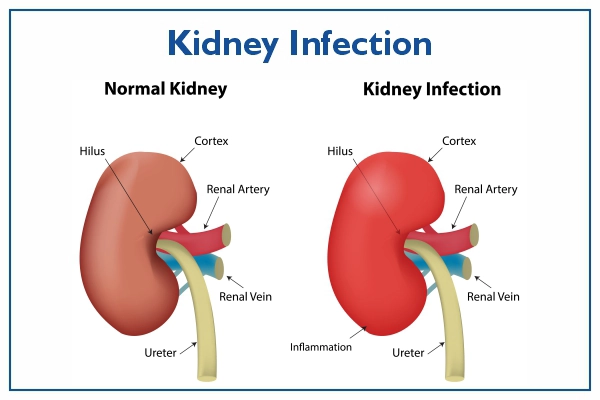
Kidney infections usually involve the upper urinary tract, including the kidneys and ureters. The bacteria infect the renal parenchyma, which is the functional tissue of the kidneys. From there, the infection can spread to other parts of the urinary system if left untreated.
Urinary Tract Infection
Risk Factors
Several factors can increase the risk of developing urinary tract infections, which can lead to kidney infections. These include female anatomy (shorter urethra), sexual activity, menopause, urinary catheter use, urinary tract abnormalities, and conditions that impair immune function.
Spread of Infection
Urinary tract infections can spread from the urethra to the bladder and then to the kidneys if left untreated. The bacteria travel up the urinary tract and colonize the different parts of the system, leading to more severe infections.
Complications
If a urinary tract infection progresses to a kidney infection, it can lead to various complications. These include kidney damage, sepsis (a severe bloodstream infection), abscess formation, or the development of chronic kidney disease.
Treatment
The treatment for urinary tract infections involves antibiotics to eliminate the bacterial infection. The specific antibiotic prescribed may depend on the type of bacteria causing the infection and the severity of the symptoms. It is important to complete the full course of antibiotics to ensure complete eradication of the infection.

Kidney Stones
Formation of Kidney Stones
Kidney stones are formed when certain substances in the urine, such as calcium, oxalate, or uric acid, crystallize and form hard deposits. These stones can vary in size and shape and can cause significant discomfort.
Obstruction of Urinary Flow
The presence of kidney stones can obstruct the normal flow of urine. The blockage can lead to urine backflow, which provides an ideal environment for bacterial growth and increases the risk of kidney infections.
Infection Caused by Kidney Stones
The material that makes up kidney stones can serve as a nidus for bacterial colonization. The bacteria can form a biofilm on the stone’s surface, leading to recurrent infections and persistent symptoms.
Risk Factors
Several factors can increase the risk of developing kidney stones, including dehydration, a diet high in sodium or oxalate, obesity, certain medical conditions (such as hyperparathyroidism), or a family history of kidney stones.
Urinary Catheterization
Purpose of Catheterization
Urinary catheterization is a medical procedure used to drain urine from the bladder when normal urine flow is blocked or compromised. Catheters may also be used during surgeries or for monitoring urine output in critically ill patients.
Increased Risk of Infection
The insertion of a urinary catheter can introduce bacteria into the urinary system, increasing the likelihood of developing infections. Bacteria can adhere to the catheter surface and rapidly multiply, leading to urinary tract and kidney infections.
Preventing Catheter-Associated Infections
To minimize the risk of catheter-associated infections, healthcare providers follow strict aseptic techniques during catheter insertion and maintenance. Catheters should be regularly cleaned, and the drainage bags should be emptied frequently to prevent bacterial growth.
Treating Infections Associated with Catheterization
If a kidney infection occurs as a result of urinary catheterization, appropriate antibiotics will be prescribed to treat the bacterial infection. The catheter may need to be removed to prevent further complications and allow the urinary system to heal.

Dehydration
Effect on Kidney Function
Dehydration can have a detrimental effect on kidney function. When the body is not adequately hydrated, the kidneys conserve water by producing less urine. This can lead to a more concentrated urine, making it easier for bacteria to multiply and cause infections.
Promotion of Bacterial Growth
Dehydration can also promote bacterial growth in the urinary system. A lack of sufficient fluid intake reduces the body’s ability to flush out bacteria through urine, allowing them to thrive and potentially lead to kidney infections.
Preventing Dehydration
To prevent dehydration and its associated risks, it is important to drink an adequate amount of water throughout the day. The recommended daily intake varies depending on factors such as climate, activity level, and overall health.
Effects of Chronic Dehydration
If chronic dehydration persists, it can have long-term consequences on kidney health. Chronic dehydration can contribute to the development of kidney stones, urinary tract infections, and kidney damage. It is crucial to maintain proper hydration for overall kidney function.
Anatomical Abnormalities
Congenital Abnormalities
Some individuals may be born with anatomical abnormalities in their urinary system. These congenital abnormalities can include malformations or abnormalities in the structure of the kidneys, ureters, bladder, or urethra. These abnormalities can increase the risk of kidney infections.
Structural Kidney Problems
Structural kidney problems, such as kidney reflux or hydronephrosis, can contribute to the development of kidney infections. Kidney reflux occurs when urine flows back from the bladder to the kidneys, potentially carrying bacteria with it. Hydronephrosis refers to the swelling of the kidneys due to a blockage or obstruction in the urinary tract.
Mechanical Obstructions
Mechanical obstructions within the urinary system can hinder the flow of urine, providing an environment where bacteria can multiply and cause infections. Obstructions can result from conditions such as kidney stones, tumors, or urinary tract strictures.
Risk Factors
Individuals with a history of anatomical abnormalities in the urinary system are at a higher risk of developing kidney infections. Regular monitoring and appropriate management of these conditions are essential to reduce the risk of infections and related complications.

Weak Immune System
Impaired Ability to Fight Infection
A weakened immune system can significantly impair the body’s ability to fight off infections, including kidney infections. Conditions such as HIV/AIDS, diabetes, or autoimmune diseases can weaken the immune response, leaving individuals vulnerable to bacterial invasion and persistent infections.
Risk Factors
Various factors can contribute to a weakened immune system, increasing the risk of kidney infections. These factors include certain medical conditions, such as HIV or chronic kidney disease, organ transplantation, use of immunosuppressive medications, or undergoing chemotherapy.
Preventing Kidney Infections in Immunocompromised Individuals
Immunocompromised individuals should take extra precautions to prevent kidney infections. This includes practicing good hygiene, staying adequately hydrated, and seeking prompt medical attention for any signs of infection. It is also essential to follow prescribed treatments and medications to maintain overall health and reduce the risk of complications.
Treatment Considerations
When treating kidney infections in individuals with a weak immune system, healthcare providers may take additional precautions. This can include selecting appropriate antibiotics, closely monitoring the individual’s condition, and considering adjustments to the treatment plan based on the specific needs and vulnerabilities of the patient.
Mental Confusion
Alterations in Mental State
In severe cases of kidney infections, individuals may experience mental confusion or alterations in mental state. This can include symptoms such as disorientation, confusion, irritability, or changes in personality. These symptoms should be taken seriously and addressed promptly.
Toxicity and Sepsis
When a kidney infection becomes severe, it can lead to systemic toxicity and sepsis. Sepsis is a life-threatening condition that occurs when the body’s response to an infection causes widespread inflammation and organ dysfunction, including the brain.
Evaluation and Diagnosis
To evaluate mental confusion related to kidney infections, healthcare providers will conduct a thorough medical history review, physical examination, and potentially order laboratory tests. These tests can include blood tests, urine analysis, and imaging studies to assess kidney function and identify any underlying causes or complications.
Treatment Options
Treating mental confusion associated with kidney infections involves addressing the underlying infection and providing supportive care. Antibiotics will be prescribed to eliminate the infection, while additional interventions may be necessary to manage symptoms and support the individual’s overall well-being. Close monitoring will be important to ensure a positive treatment outcome.
In conclusion, understanding the causes and symptoms of kidney infections is crucial for early detection, prompt treatment, and prevention of complications. Bacterial invasion, urinary tract infections, kidney stones, urinary catheterization, dehydration, anatomical abnormalities, weak immune system, pregnancy, gender, and age are all factors that can contribute to the development of kidney infections. Recognizing the symptoms, such as fever and chills, back pain, frequent urination, burning sensation during urination, blood in the urine, cloudy or foul-smelling urine, painful urination, nausea and vomiting, fatigue, and mental confusion, is essential for timely medical attention. By identifying the underlying causes and addressing them effectively, healthcare providers can help individuals recover from kidney infections and minimize the risk of recurrence or complications.