
Imagine being diagnosed with a life-threatening lung disease, struggling to breathe and feeling your quality of life slipping away. Thankfully, there is hope. In this article, we will explore the remarkable world of life-saving lung transplant procedures. From the intricacies of the surgery to the amazing stories of patients who have regained their vitality, this fascinating field of medicine offers a glimmer of hope for those in need. Get ready to be inspired by the miracles that occur when science and compassion come together to give individuals a second chance at life.
Lung Transplant

Overview of Lung Transplant Procedures
A lung transplant is a surgical procedure that involves replacing a diseased or failing lung with a healthy lung from a donor. This procedure is often the last resort for individuals with severe lung diseases such as chronic obstructive pulmonary disease (COPD), pulmonary fibrosis, cystic fibrosis, and other conditions that severely impact lung function and quality of life.
The goal of a lung transplant is to improve the patient’s lung function, relieve symptoms, and prolong their life. It is a complex procedure that requires a multidisciplinary team of healthcare professionals including surgeons, pulmonologists, anesthesiologists, and transplant coordinators.
Types of Lung Transplants
There are two main types of lung transplant procedures: single lung transplant and double lung transplant.
In a single lung transplant, one diseased lung is replaced with a healthy lung from a deceased donor. This procedure is typically recommended for patients with unilateral lung diseases or those whose lung function is severely compromised in one lung.
On the other hand, a double lung transplant involves replacing both diseased lungs with healthy lungs from a donor. This procedure is usually recommended for patients with bilateral lung diseases or those who have significant impairment in both lungs.

Criteria for Lung Transplant
Not everyone with end-stage lung disease is eligible for a lung transplant. To be considered for a lung transplant, certain criteria must be met. These criteria include:
-
Severe lung disease: The patient should have end-stage lung disease that cannot be managed with other treatment options.
-
Good overall health: Apart from the lung disease, the patient should be in good overall health with no severe heart, kidney, or liver diseases that would significantly impact the success of the transplant.
-
Age: Age is an important factor in determining eligibility for a lung transplant. Younger patients generally have better outcomes compared to older individuals.
-
Mental and emotional stability: The patient should have the mental and emotional capacity to cope with the challenges of the transplant process, including the physical rehabilitation and lifelong immunosuppressive medications.
The Waiting List for Lung Transplant
Once a patient is deemed eligible for a lung transplant, they are placed on a waiting list maintained by the Organ Procurement and Transplantation Network (OPTN). The list is prioritized based on various factors such as the severity of the lung disease, blood type compatibility, and time spent on the waiting list.
Unfortunately, the demand for lung transplants exceeds the availability of donor organs, leading to a significant waiting time. The wait can range from a few months to several years, depending on the availability of suitable donor lungs.
During the waiting period, patients are closely monitored by their healthcare team to ensure their condition remains stable and to intervene if there are any sudden declines in lung function.

Preparation for Lung Transplant Surgery
Before the lung transplant surgery, the patient will undergo an extensive evaluation to assess their overall health and suitability for the procedure. This evaluation will include a complete medical history review, physical examinations, blood tests, pulmonary function tests, imaging studies, and psychological assessments.
In addition, the patient will be required to make certain lifestyle changes to optimize their chances of a successful transplant. These changes may include quitting smoking, maintaining a healthy diet, exercising regularly, and adhering to any prescribed medications.
The patient will also be educated about the transplant process, risks, and potential complications involved, as well as the lifelong commitment to post-transplant care and immunosuppressive medications.
Lung Transplant Surgery
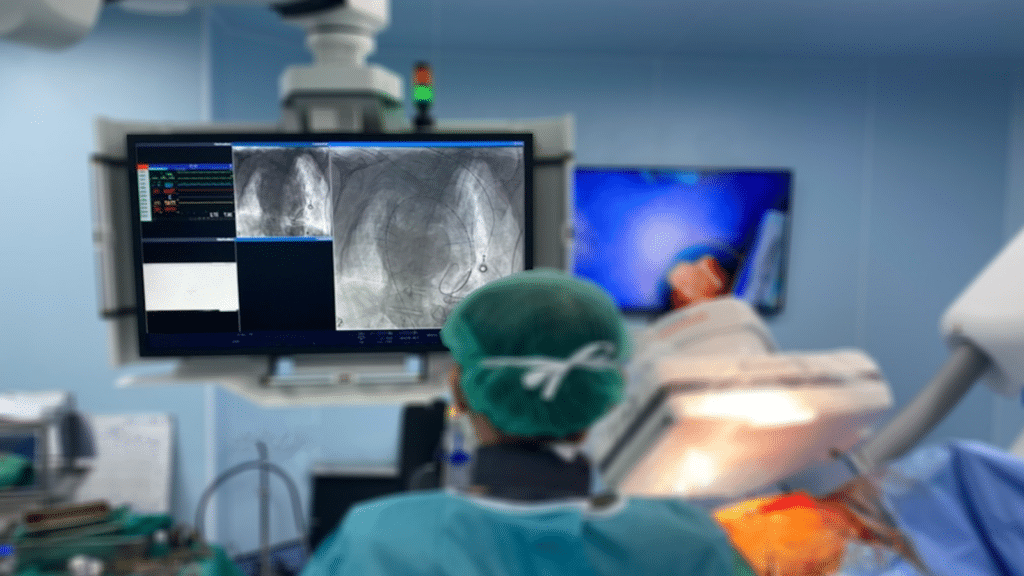
The lung transplant surgery is performed under general anesthesia, meaning you will be asleep during the entire procedure. The surgeon will make an incision in the chest to access the diseased lungs. In a single lung transplant, the damaged lung is removed and replaced with a healthy donated lung. In a double lung transplant, both damaged lungs are replaced.
The transplanted lung(s) are then connected to the patient’s blood vessels and airways, ensuring proper blood flow and oxygenation. The surgeon will close the incision(s) with sutures or staples.
The duration of the surgery can vary depending on the complexity of the case but typically ranges from four to eight hours. After the surgery, you will be taken to the intensive care unit (ICU) for close monitoring and support.

Recovery and Post-Transplant Care
The recovery period after a lung transplant can be challenging and requires a significant commitment from the patient. You will remain in the hospital for one to three weeks, during which time your healthcare team will closely monitor your progress and provide supportive care.
Physical therapy and rehabilitation are crucial aspects of the recovery process. You will work with a team of physiotherapists to gradually regain your strength, improve lung function, and learn breathing techniques to optimize your respiratory health.
Following your discharge from the hospital, you will continue with regular clinic visits and ongoing monitoring. It is essential to adhere to your prescribed medications, which usually include immunosuppressants to prevent organ rejection. These medications must be taken for the rest of your life.
Additionally, you will need to make certain lifestyle modifications to ensure a successful long-term outcome, such as avoiding exposure to secondhand smoke, maintaining a healthy weight, and practicing proper hygiene to reduce the risk of infections.
Risks and Complications of Lung Transplant
As with any major surgical procedure, lung transplant surgery carries certain risks and potential complications. These can include:
-
Organ rejection: The body’s immune system may recognize the transplanted lung as foreign and attempt to attack it. To prevent rejection, lifelong immunosuppressive medications are necessary. Regular monitoring of the immune function and medication adjustments may also be required.
-
Infections: The immunosuppressive medications used to prevent organ rejection can weaken the immune system, making you more susceptible to infections. Close monitoring for signs of infections and following strict hygiene practices can help reduce this risk.
-
Surgical complications: The surgery itself can lead to complications such as bleeding, blood clots, and damage to surrounding structures. These risks are minimized by the expertise of the surgical team.
-
Lung dysfunction: In some cases, the transplanted lung(s) may not function optimally, leading to reduced lung function or chronic lung complications. Regular follow-up appointments and ongoing monitoring can help detect and manage these issues.
Life Expectancy and Success Rates
Lung transplant can significantly improve the quality of life and prolong survival for individuals with end-stage lung disease. However, the success of the transplant and long-term outcomes can vary depending on numerous factors, including the patient’s overall health, the severity of the lung disease, and the presence of any complications.
On average, the five-year survival rate for lung transplant recipients is around 50-60%. However, it is essential to note that survival rates can vary widely depending on individual circumstances. Patients who adhere to their post-transplant care and take their medications as prescribed generally have better outcomes.
It is also worth mentioning that lung transplant recipients may experience a significant improvement in their respiratory symptoms, exercise capacity, and overall quality of life following the surgery.
Future Developments in Lung Transplants
Advancements in medical technology and research continue to drive improvements in lung transplantation. Some areas of ongoing development include:
-
Organ preservation: Researchers are exploring novel techniques to improve the preservation of donor lungs, allowing for longer storage times and broader availability of suitable organs.
-
Immunosuppression: Scientists are working on developing better immunosuppressive medications and strategies to reduce the risk of organ rejection while minimizing side effects.
-
Artificial lungs: The development of artificial lungs or lung assist devices could serve as a bridge to transplantation and potentially offer an alternative to donor organs.
-
Regenerative medicine: Researchers are exploring the use of stem cells and tissue engineering techniques to regenerate damaged lungs or create bioengineered lungs for transplantation.
Although these advancements hold great promise, it is important to note that they are still in the experimental stages and may take several years before they become widely available.
In conclusion, lung transplantation is a life-saving procedure that offers hope to individuals with end-stage lung disease. While it carries risks and requires lifelong commitment to post-transplant care, it can significantly improve quality of life and prolong survival for eligible patients. Ongoing research and advancements in the field continue to expand the possibilities for lung transplant recipients in the future.