Living with Functional Neurological Disorder, also known as FND, can be a challenging experience. FND is a condition characterized by disruptions in the nervous system, causing a wide range of physical symptoms without any underlying structural or biochemical abnormalities. From unexplained limb weakness to seizures, individuals living with FND face not only physical limitations but also the emotional burden of dealing with a disorder often misunderstood and misdiagnosed. In this article, we will explore the daily struggles, coping mechanisms, and the importance of support in navigating life with FND.

Understanding Functional Neurological Disorder
Functional Neurological Disorder (FND) is a condition that affects the functioning of the nervous system, leading to a wide range of physical and psychological symptoms. It is important to understand this disorder in order to provide the necessary support and care for individuals who are living with FND.
Defining Functional Neurological Disorder
FND is a condition characterized by abnormal functioning of the nervous system that cannot be explained by a structural neurological disease. The symptoms of FND are real and can have a significant impact on an individual’s daily life, but they do not have an underlying organic cause. This means that the brain is sending and receiving signals in a disorganized manner, leading to various physical and psychological symptoms.
Causes of Functional Neurological Disorder
The exact causes of FND are not yet fully understood. However, it is believed that a combination of genetic, environmental, and psychological factors may contribute to the development of this disorder. Traumatic events, such as physical or emotional abuse, can also trigger the onset of FND in some individuals. It is important to note that FND is not a result of malingering or conscious fabrication of symptoms.
Distinguishing Functional Neurological Disorder from Other Conditions
FND can often be misdiagnosed or mistaken for other neurological conditions, such as epilepsy or multiple sclerosis. It is important to distinguish FND from these organic disorders, as the treatment and management approaches differ significantly. One key difference is that FND symptoms do not follow the typical pattern seen in organic neurological diseases and may change or fluctuate over time. Additionally, FND symptoms may not be associated with any abnormal findings on neurological examinations or imaging tests.
Symptoms of Functional Neurological Disorder
FND can present with a wide array of symptoms that can affect different parts of the body and mind. These symptoms typically fall into four main categories: motor, sensory, cognitive, and psychological.
Motor Symptoms
Motor symptoms of FND can include weakness or paralysis of limbs, tremors, abnormal movements, and difficulty with coordination and balance. These symptoms can significantly impact an individual’s ability to perform daily activities and can vary in severity and duration.
Sensory Symptoms
Sensory symptoms of FND can manifest as numbness or tingling sensations, pain, disturbances in vision or hearing, and altered perception of touch or temperature. These symptoms may occur in specific parts of the body or can affect the entire body.
Cognitive Symptoms
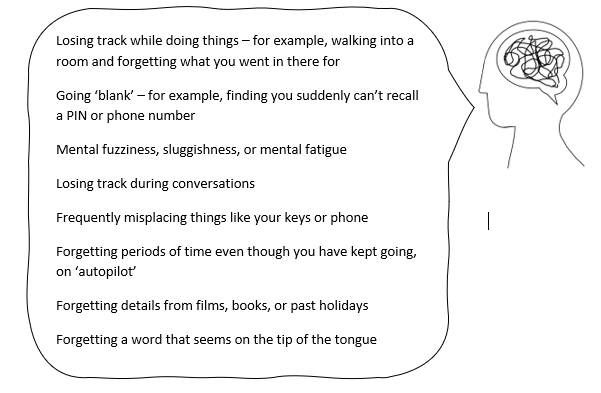
Cognitive symptoms of FND can include difficulties with memory, attention, concentration, and executive functioning. Individuals may experience episodes of confusion or disorientation, making it challenging to engage in tasks that require cognitive processing.
Psychological Symptoms
Psychological symptoms of FND can include anxiety, depression, mood swings, and emotional instability. It is important to note that these symptoms can be a result of FND itself, as living with a chronic condition can be emotionally challenging, or they may be a contributing factor to the development and exacerbation of FND symptoms.
Diagnosing Functional Neurological Disorder
Diagnosing FND can be complex, as it relies on ruling out other potential organic causes for the symptoms. A comprehensive evaluation is necessary to make an accurate diagnosis and ensure appropriate treatment and management strategies are implemented.
Clinical Evaluation
A clinical evaluation involves a detailed medical history and physical examination by a healthcare professional with expertise in FND. Gathering information about the onset and characteristics of symptoms, as well as any triggering events or comorbid conditions, is essential for diagnosing FND.
Neurological Examination
During a neurological examination, the healthcare professional will assess the function of the nervous system, including reflexes, muscle strength and tone, coordination, and sensory perception. This examination helps to identify any neurological abnormalities or signs that may indicate an organic cause for the symptoms.
Diagnostic Tests
Diagnostic tests, such as neuroimaging (MRI or CT scans) or electrophysiological studies (EEG or EMG), may be ordered to rule out any structural or electrical abnormalities in the brain or peripheral nervous system. However, it is important to note that these tests may not provide conclusive evidence for FND diagnosis.
Treatment Options for Functional Neurological Disorder
The treatment of FND involves a multidisciplinary approach, focusing on both physical and psychological interventions. Each treatment plan should be tailored to the individual’s specific symptoms and needs.
Physical Therapy
Physical therapy aims to improve physical functioning and mobility through exercises, stretches, and other therapeutic techniques. The goal is to address motor symptoms, such as weakness, tremors, and problems with coordination, to enhance overall quality of life.
Occupational Therapy
Occupational therapy focuses on enabling individuals to participate in their daily activities, such as self-care, work, and leisure. Occupational therapists use various strategies and adaptations to help individuals overcome functional limitations caused by FND.
Psychotherapy
Psychotherapy, such as cognitive-behavioral therapy (CBT) or psychoeducation, can be beneficial for individuals with FND. These therapies aim to address psychological symptoms, develop coping strategies, and improve overall emotional well-being.
Medications
Medications may be prescribed to manage specific symptoms associated with FND, such as pain, tremors, or psychiatric conditions like anxiety or depression. However, it is important to note that medications alone are not a cure for FND and should be used in conjunction with other treatment modalities.

Lifestyle Modifications to Manage Functional Neurological Disorder
In addition to professional medical interventions, making certain lifestyle modifications can help individuals better manage their FND symptoms and improve overall well-being.
Stress Management Techniques
Developing effective stress management techniques, such as relaxation exercises, mindfulness, or meditation, can help reduce the frequency and severity of FND symptoms. Managing stress plays a crucial role in symptom control and overall symptom management.
Healthy Eating and Exercise
Maintaining a balanced and nutritious diet, along with regular physical exercise, supports overall health and well-being. Engaging in low-impact exercises, such as swimming or walking, can improve physical function and help manage stress levels.
Sleep Hygiene
Getting adequate and restful sleep is vital for individuals with FND. Practicing good sleep hygiene, such as establishing a regular sleep routine, creating a comfortable sleep environment, and avoiding stimulants before bedtime, can enhance quality of sleep and reduce symptom exacerbation.
Support Systems
Building a strong support system, including family, friends, and healthcare professionals, can provide emotional and practical assistance in managing FND. Support groups or online communities specifically focused on FND can also provide a valuable source of understanding and encouragement.
Coping Strategies for Living with Functional Neurological Disorder
Living with FND can be challenging, but there are strategies that can help individuals cope with the condition and improve their quality of life.
Educating Yourself and Loved Ones
Gaining knowledge about FND and its symptoms can help individuals better understand their condition and effectively communicate their experiences to loved ones. Education also helps combat misconceptions and reduces the stigma associated with FND.
Seeking Support from FND Communities
Connecting with others who have FND through support groups or online communities can provide invaluable emotional support, as well as practical advice for managing symptoms and navigating daily challenges.
Managing Flare-Ups
Flare-ups of FND symptoms can be distressing and unpredictable. Having a personalized plan in place, including self-care strategies and knowing when to seek medical assistance, can help individuals manage these episodes more effectively.
Advocating for Your Care
Being an active advocate for your own care is important when living with FND. Communicating openly with healthcare professionals, asking questions, and actively participating in decision-making ensures that your needs are met and that you receive appropriate treatment and support.

The Impact of Functional Neurological Disorder on Daily Life
Living with FND can have a profound impact on various aspects of daily life, including relationships, work or school, finances, and emotional well-being.
Effect on Relationships
FND can affect relationships, as symptoms may limit an individual’s ability to engage in social activities or fulfill certain roles. Open and honest communication with loved ones, along with their understanding and support, is crucial in maintaining strong and meaningful connections.
Challenges at Work or School
FND symptoms can impact an individual’s ability to attend work or school consistently or perform certain tasks effectively. Discussing accommodations and adjustments with employers or educational institutions can help create a supportive environment.
Financial Implications
The management of FND can involve various healthcare expenses, including medical appointments, therapies, and medications. It is important to consider the financial implications of the condition and explore available resources, such as insurance coverage or financial assistance programs.
Emotional Well-being
Living with FND can take a toll on emotional well-being due to the unpredictability and chronic nature of the condition. Seeking professional help, engaging in self-care strategies, and seeking emotional support from loved ones can significantly improve emotional well-being.
Navigating Healthcare and Finding the Right Specialists
Navigating the healthcare system and finding the right specialists is essential for individuals with FND to receive appropriate care and support.
Building a Healthcare Team
Building a healthcare team that includes healthcare professionals with expertise in FND is crucial. This may involve collaborating with neurologists, psychologists, physical therapists, and occupational therapists, among others, to ensure comprehensive care.
Working with Neurologists and Specialists
Neurologists specializing in FND can provide accurate diagnosis, guidance, and ongoing management of the condition. Collaborating with other specialists, such as physiatrists or pain management specialists, can also be beneficial for addressing specific symptoms.
Importance of Communication
Clear and open communication between the individual with FND and their healthcare team is essential for effective management. It is important to voice concerns, ask questions, and actively participate in the decision-making process to ensure that individual needs are met.

Research and Advancements in Functional Neurological Disorder
Ongoing research is essential for advancing our understanding of FND and developing new treatment approaches.
Current Research Studies
Numerous research studies are currently underway, focusing on understanding the underlying mechanisms of FND, identifying potential risk factors, and developing more effective interventions. Participation in research studies can contribute to the collective knowledge of FND and potentially offer access to innovative treatments.
New Treatment Approaches
Advancements in our understanding of FND have led to the development of novel treatment approaches, such as neuroplasticity-based therapies or specialized rehabilitation programs. These approaches aim to rewire the brain and improve functional outcomes for individuals with FND.
Role of Neuroplasticity
Neuroplasticity, the brain’s ability to reorganize and form new connections, plays a crucial role in the treatment and management of FND. Rehabilitation programs that focus on harnessing neuroplasticity can help individuals improve their symptoms and regain lost function.
Raising Awareness and Reducing Stigma
Raising awareness about FND is essential to reduce the stigma associated with the condition and promote understanding and support.
Educating the Public
Educational initiatives and awareness campaigns play a vital role in dispelling misconceptions about FND and raising public understanding. Sharing accurate information about the condition through various mediums can contribute to reducing stigma and promoting empathy.
Supporting FND Advocacy Groups
Supporting FND advocacy groups and organizations can help amplify the voice of individuals living with FND, facilitate access to resources, and drive important research and policy changes.
Addressing Misconceptions
Addressing misconceptions surrounding FND is critical in combating stigma. Encouraging open conversations, providing accurate information, and challenging misconceptions when encountered can help create a more supportive and understanding society.