
Living with Lupus can be a challenging and overwhelming experience, but with a few helpful tips, you can effectively manage your daily life. Lupus, a chronic autoimmune disease, affects millions of people worldwide, causing a range of symptoms that can disrupt your routine and diminish your quality of life. However, by following these practical suggestions, you can regain control, minimize the impact of Lupus on your day-to-day activities, and lead a fulfilling life. Living with Lupus: Tips for Managing Your Daily Life
Symptoms of Lupus
Lupus is a chronic autoimmune disease that affects millions of people worldwide. It can manifest in a variety of ways and its symptoms can vary from person to person. Here are some of the most common physical, emotional, and cognitive symptoms associated with lupus.
Physical Symptoms
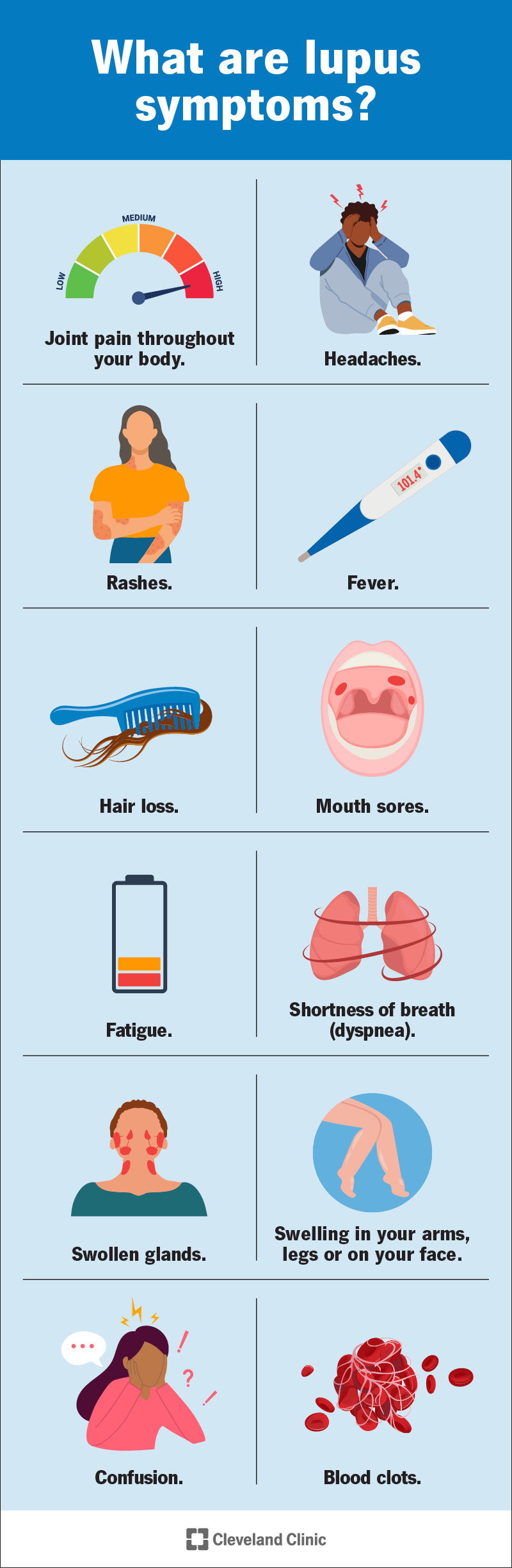
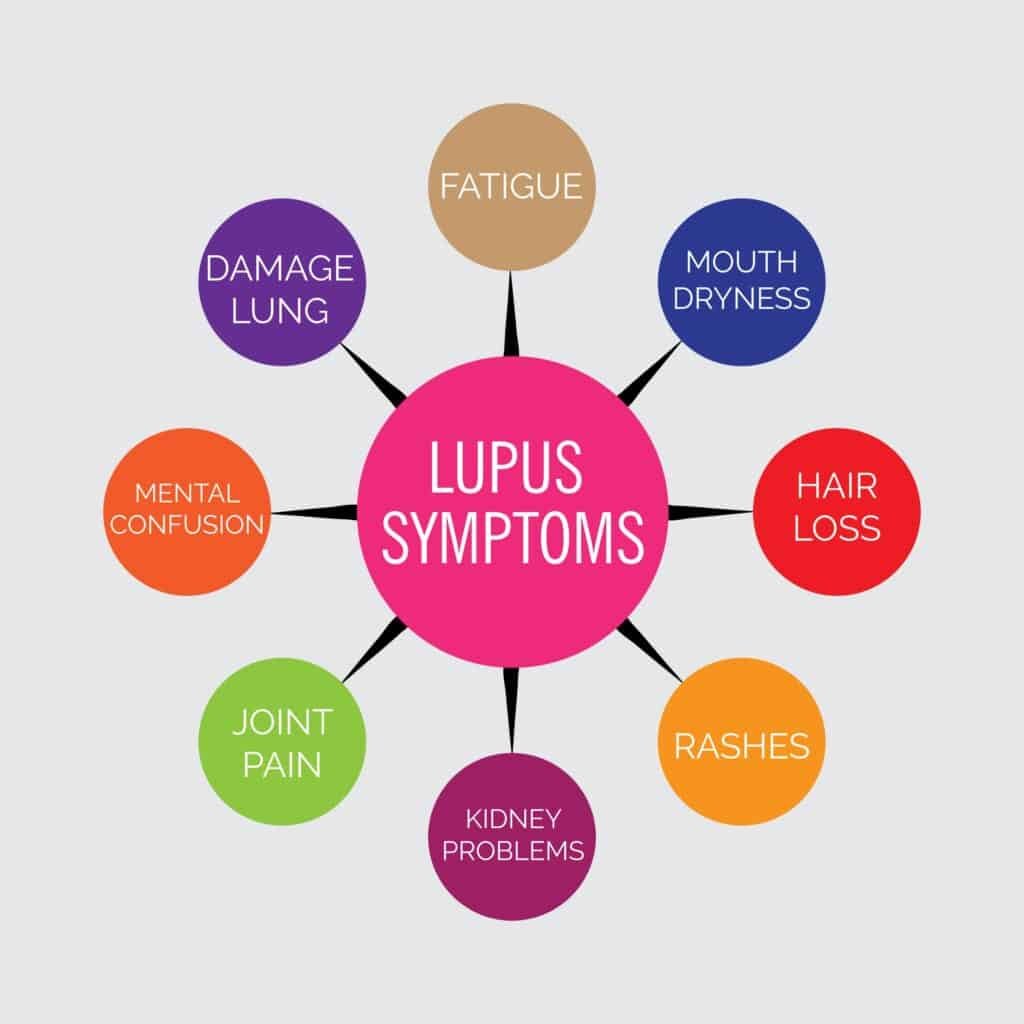
Physical symptoms of lupus can include joint pain, muscle aches, fatigue, and fever. Many people also experience skin rashes, sensitivity to sunlight, hair loss, and mouth sores. Lupus can also affect the heart, lungs, kidneys, and other organs, leading to complications.
Emotional Symptoms
Living with a chronic illness like lupus can take an emotional toll. It is not uncommon for individuals with lupus to experience anxiety, depression, mood swings, and difficulty concentrating. These emotional symptoms can negatively impact one’s quality of life, making it important to address them along with the physical symptoms.
Cognitive Symptoms
Lupus can also affect cognitive function, leading to difficulties with memory, attention, and problem-solving. This phenomenon, often referred to as “brain fog,” can be frustrating and hinder everyday tasks. It is important to recognize and address these cognitive symptoms to maintain mental well-being and overall functionality.
Diagnosing Lupus
Diagnosing lupus can be challenging as its symptoms can mimic those of other conditions. However, there are several common tests and criteria used in the diagnostic process.
Common Tests
When diagnosing lupus, healthcare professionals often perform various blood tests to look for specific antibodies associated with the disease. These include the antinuclear antibody (ANA) test, anti-double-stranded DNA (anti-dsDNA) test, and anti-Smith (anti-Sm) antibody test. Imaging tests, such as X-rays and ultrasounds, may also be used to assess organ damage.
Medical Evaluation
In addition to conducting tests, medical evaluations are an essential part of the diagnosis process. Doctors will review your medical history, perform a physical examination, and discuss your symptoms in detail. It is essential to provide thorough and accurate information during this evaluation to assist in the accurate diagnosis of lupus.
Criteria for Diagnosis
To receive a diagnosis of lupus, individuals must meet specific criteria outlined by the American College of Rheumatology. These criteria include specific symptom duration, the presence of certain antibodies, and evidence of organ damage associated with lupus. A rheumatologist, a specialist in autoimmune diseases, typically leads the diagnosis process.
Treatment Options
While there is currently no cure for lupus, various treatment options can help manage its symptoms and improve quality of life.
Medications
Medications are a cornerstone of lupus treatment. The type of medication prescribed will depend on the individual’s specific symptoms and the organs affected by the disease. Commonly prescribed medications include nonsteroidal anti-inflammatory drugs (NSAIDs), antimalarials, corticosteroids, immunosuppressants, and biologics. It is essential to work closely with your healthcare provider to find the right medication regimen for you.
Lifestyle Changes
In addition to medication, making certain lifestyle changes can have a positive impact on managing lupus symptoms. These changes may include adopting a balanced diet, getting regular exercise, managing stress levels, and avoiding triggers such as excessive sunlight exposure. It is important to consult with your healthcare team to develop a personalized plan that suits your needs.
Alternative Therapies
Some individuals with lupus find relief from symptoms by incorporating complementary or alternative therapies into their treatment plan. These can include acupuncture, massage therapy, yoga, and tai chi. While these therapies may not replace medical treatments, they can be used as complementary approaches to enhance overall well-being.
Emotional Support
Emotional support is crucial for individuals living with lupus, as the physical and emotional toll of the disease can be overwhelming at times. Here are some strategies to seek emotional support:
Seeking Professional Help
If you are experiencing severe emotional symptoms or struggling to cope with the challenges of lupus, seeking professional help from a therapist or counselor can be immensely beneficial. These professionals can provide guidance, coping strategies, and support tailored to your specific needs.
Joining Support Groups
Connecting with others who understand the challenges of living with lupus can provide tremendous comfort and support. Look for local support groups or online communities where you can share experiences, ask questions, and receive encouragement from others who are going through similar journeys.
Talking to Loved Ones
It is important to communicate openly with your loved ones about your experience with lupus. Educating them about the disease can help them better understand your needs and provide the support you require. Sharing your feelings and concerns can foster understanding and empathy among your friends and family.

Exercise and Physical Activity
Engaging in regular exercise and physical activity can have numerous benefits for individuals with lupus. However, it is crucial to choose appropriate exercises and understand the potential considerations for lupus patients.
Choosing Appropriate Exercises
Low-impact exercises, such as walking, swimming, and cycling, are generally well-tolerated by individuals with lupus. These activities help maintain cardiovascular health, muscle strength, and flexibility without placing excessive strain on the joints. It is important to consult with your healthcare provider or a physical therapist to determine the most suitable exercise regimen for you.
Benefits of Exercise
Regular exercise can help manage lupus symptoms by reducing fatigue, improving mood, maintaining a healthy weight, and promoting overall well-being. It can also help reduce the risk of cardiovascular disease, which can be a concern for individuals with lupus. By incorporating exercise into your routine, you can enhance your physical and mental health.
Exercise Considerations for Lupus Patients
While exercise is generally beneficial, it is important to listen to your body and make modifications as needed. Pace yourself, listen to your joints, and avoid overexertion. Pay attention to any signs of increased pain or fatigue and adjust your exercise routine accordingly. It is always advisable to consult with your healthcare provider before starting or modifying an exercise program.
Nutrition and Diet
Maintaining a balanced diet is crucial for managing lupus symptoms and supporting overall health. A well-rounded nutrition plan can help reduce inflammation, support the immune system, and improve energy levels.
Eating a Balanced Diet
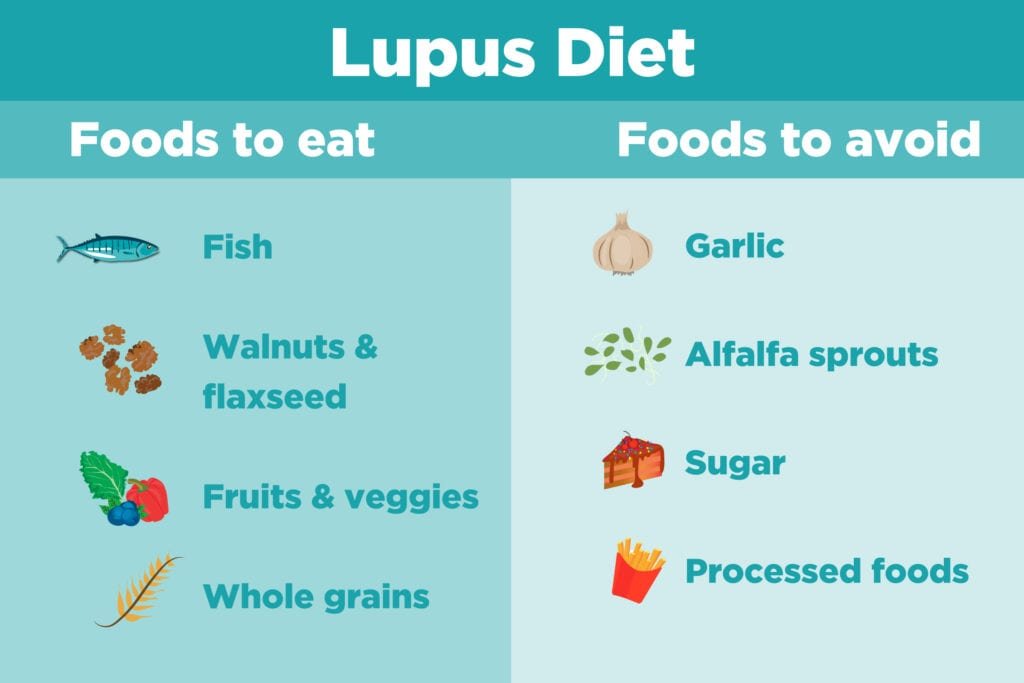
Aim to incorporate a variety of nutrient-rich foods into your diet. Emphasize fruits, vegetables, whole grains, lean proteins, and healthy fats. Foods such as salmon, leafy greens, berries, and nuts are particularly beneficial due to their anti-inflammatory properties. Avoiding processed foods, excessive sugar, and saturated fats can also help manage symptoms.
Hydration
Staying hydrated is essential for individuals with lupus, as the disease can affect the kidneys. Aim to drink an adequate amount of water throughout the day. If you are on medications that require fluid restrictions, consult with your healthcare provider for guidance on maintaining proper hydration.
Foods to Avoid with Lupus
Certain foods may trigger lupus symptoms or worsen inflammation. These can vary from person to person, so it is essential to pay attention to your body’s response to specific foods. Common triggers include high-sodium foods, alcohol, caffeine, processed meats, and foods high in saturated fats. Keeping a food diary can help identify any patterns between your diet and symptom flare-ups.

Managing Fatigue
Fatigue is one of the most prevalent symptoms experienced by individuals with lupus. Learning to manage fatigue is essential for maintaining daily functionality and overall quality of life.
Getting Enough Rest
Prioritizing adequate rest and sleep is crucial for managing fatigue. Aim for seven to nine hours of quality sleep each night. Incorporate relaxation techniques, such as meditation or deep breathing exercises, into your bedtime routine to promote better sleep quality.
Prioritizing Activities
Learning to prioritize activities and pace yourself is vital when managing fatigue. Break tasks into smaller, manageable segments and spread them out throughout the day. Delegate tasks when possible and communicate your needs to your support system.
Conserving Energy
Conserving energy throughout the day can help manage fatigue. Take frequent breaks, alternate between sitting and standing positions, and use assistive devices or ergonomic tools to reduce strain on your body. Planning and organizing your activities can help optimize energy expenditure.
Skin and Sun Protection
Individuals with lupus often have increased sensitivity to sunlight, which can trigger disease flare-ups. Protecting your skin from the sun’s harmful rays is crucial to minimize the risk of flare-ups and protect your overall health.
Using Sunscreen
Apply a broad-spectrum sunscreen with a high SPF to all exposed skin, even on cloudy days. Reapply every two hours, especially if you have been sweating or swimming. Opt for sunscreens that contain physical blockers like zinc oxide or titanium dioxide, as they provide better protection for individuals with lupus.
Wearing Protective Clothing
Covering up with protective clothing, such as long-sleeved shirts, wide-brimmed hats, and sunglasses, can help shield your skin from the sun. Look for clothing with UPF (Ultraviolet Protection Factor) ratings for added sun protection.
Avoiding Triggers
In addition to sun protection measures, it is essential to avoid other triggers that can exacerbate lupus symptoms. These triggers can include certain medications, infections, stress, and exposure to extreme temperatures. By identifying and avoiding your specific triggers, you can minimize the risk of flare-ups and better manage your condition.
Work and Daily Life
Living with lupus doesn’t mean giving up on a fulfilling career or an active daily life. With proper communication and accommodations, you can find a balance between work and self-care.
Communicating with Your Employer
Openly communicating with your employer about your lupus and its impact on your ability to work is important. Discuss any necessary accommodations, such as flexible scheduling, breaks, or modifications to your workspace, to help you manage symptoms effectively. Remember that you are protected by laws that prevent discrimination based on your health condition.
Workplace Accommodations
Working with your employer and your healthcare provider, explore possible workplace accommodations that can make your job more manageable. These accommodations can include ergonomic equipment, adjusted work schedules, reduced physical demands, or the ability to work from home when necessary.
Balancing Work and Self-Care
Finding a balance between work and self-care is crucial for managing lupus effectively. Prioritize self-care activities, such as rest, exercise, and healthy eating, and ensure you include them in your daily routine. Establish boundaries and learn to say no when necessary to prevent overwhelming levels of stress and fatigue.
Managing Flares
Flares, periods of increased disease activity, are a reality for many individuals with lupus. Being prepared and having a flare plan in place can help you navigate these challenging times more effectively.
Recognizing Flare Symptoms
Knowing the signs of a flare is essential for prompt intervention. Flare symptoms can include increased joint pain, rash development, fatigue, fever, and overall worsening of other lupus symptoms. Keeping a symptom journal can help you identify patterns and recognize when a flare is imminent.
Creating a Flare Plan
Work with your healthcare provider to create a personalized flare plan that outlines specific actions to take when you experience a flare. This plan may include medication adjustments, self-care strategies, and guidelines for when to seek medical attention. Having a clear plan in place can help you respond quickly and manage flares effectively.
Self-Care During Flares
During flare-ups, it is crucial to prioritize self-care activities and listen to your body’s needs. Rest and relaxation are key components of managing flares. Engage in gentle exercise, practice stress management techniques, and adhere to a healthy diet. Seek support from your healthcare team and loved ones to help navigate these challenging periods.
Living with lupus requires a proactive approach to managing symptoms, emotional well-being, and overall quality of life. By staying informed, seeking appropriate medical care, and adopting healthy lifestyle habits, you can successfully navigate the challenges that come with this chronic condition. Remember, you are not alone on this journey, and with the right support system, you can lead a fulfilling and rewarding life despite lupus.