
You are about to embark on an enlightening journey through the realm of lupus research and advances. Discover groundbreaking insights and cutting-edge developments in the field, as we delve into the captivating world of Lupus. Unveiling the mysteries surrounding this complex autoimmune disease, this article provides a glimpse into the progress researchers are making, shedding light on potential treatments and improved quality of life for those living with lupus. So fasten your seatbelt and get ready to explore the latest advancements in the world of Lupus research!

Understanding Lupus
What is Lupus?
Lupus, also known as systemic lupus erythematosus (SLE), is a chronic autoimmune disease in which the immune system mistakenly attacks healthy tissues and organs in the body. This can result in inflammation and damage to various parts of the body, including the joints, skin, kidneys, heart, lungs, brain, and blood cells. Lupus is a complex and unpredictable disease that can affect individuals differently, with symptoms ranging from mild to severe.
Different Types of Lupus
There are different types of lupus, including systemic lupus erythematosus (SLE), discoid lupus erythematosus (DLE), subacute cutaneous lupus erythematosus (SCLE), drug-induced lupus erythematosus (DILE), and neonatal lupus. Systemic lupus erythematosus is the most common and severe form of lupus, affecting multiple organs and systems in the body. Discoid lupus mainly affects the skin, resulting in circular rashes and scarring. Subacute cutaneous lupus primarily affects the skin on areas exposed to the sun. Drug-induced lupus occurs as a reaction to certain medications. Neonatal lupus is a rare condition that can affect babies born to mothers with lupus.
Causes of Lupus
The exact cause of lupus is unknown, but it is believed to be a complex interplay between genetic, environmental, and hormonal factors. Genetic studies have shown that certain genes may increase the risk of developing lupus. Environmental triggers, such as infections, sun exposure, certain medications, and physical or emotional stress, can also contribute to the development of lupus in susceptible individuals. Hormonal factors, particularly the female hormone estrogen, may play a role in triggering or exacerbating lupus symptoms.
Symptoms of Lupus
Lupus can present with a wide range of symptoms that may vary from person to person and can also fluctuate over time. Common symptoms of lupus include fatigue, joint pain and swelling, skin rashes, fever, chest pain, shortness of breath, hair loss, mouth ulcers, kidney problems, and neurological symptoms such as seizures or confusion. The symptoms of lupus can be similar to those of other diseases, making diagnosis challenging.
Diagnosis of Lupus
Diagnosing lupus can be complex and often requires a combination of clinical evaluation, medical history, physical examination, and laboratory tests. There is no single test to diagnose lupus, but doctors may use a combination of blood tests to detect specific antibodies, such as antinuclear antibodies (ANA), anti-double-stranded DNA (anti-dsDNA) antibodies, and anti-Smith antibodies. Other tests may include urine tests, imaging studies, and biopsies of affected organs. A diagnosis of lupus is typically made if a person meets specific criteria established by the American College of Rheumatology.
Current Research on Lupus
Genetic Studies on Lupus
Genetic studies have provided valuable insights into the underlying causes of lupus. Researchers have identified numerous genetic variants associated with an increased risk of developing lupus. These findings have helped in understanding the immune dysregulation and dysfunction that occur in lupus. Additionally, genetic studies have shed light on the heterogeneity of lupus, explaining why certain individuals have more severe symptoms than others. Continued research in this area holds promise for personalized treatments and targeted therapies for lupus.
Environmental Triggers and Lupus
Environmental factors play a significant role in the development and progression of lupus. Certain triggers, such as exposure to ultraviolet (UV) light, infections, medications, and hormonal changes, can precipitate or exacerbate lupus symptoms. Ongoing research aims to better understand how these environmental factors interact with the immune system and genetic predispositions to trigger lupus. Ultimately, this knowledge may lead to preventive strategies and interventions to reduce the impact of environmental triggers on lupus.
Immune System Dysfunction in Lupus
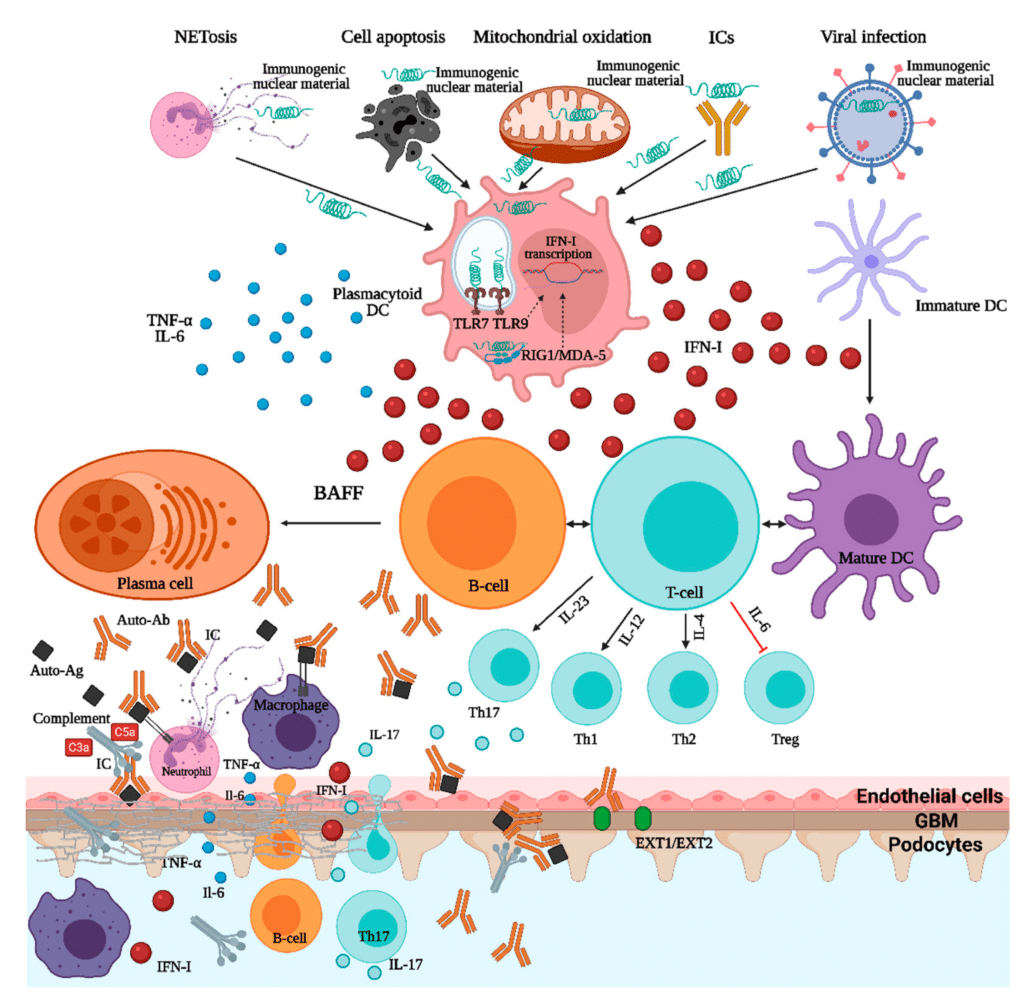
Lupus is characterized by dysfunction and dysregulation of the immune system, resulting in the production of autoantibodies that attack healthy tissues. Research has focused on unraveling the complex mechanisms underlying this immune system dysfunction. Studies have revealed abnormalities in both innate and adaptive immune responses in lupus patients. This understanding has paved the way for novel immunotherapies that target specific immune pathways to restore immune balance and alleviate lupus symptoms.
Lupus and Hormones
The relationship between hormones and lupus has long been recognized. The majority of lupus patients are women, and the disease often first presents or flares during periods of hormonal fluctuations, such as puberty, pregnancy, or menopause. Estrogen, in particular, has been implicated in the development and progression of lupus. Researchers are investigating the intricate interplay of hormones and the immune system in order to develop hormonal treatments and interventions that may help manage lupus symptoms and prevent flare-ups.
Comorbidities Associated with Lupus
Lupus patients are at an increased risk of developing various comorbidities, including cardiovascular disease, osteoporosis, infections, kidney disease, and mental health disorders. Research efforts are focused on understanding the underlying mechanisms that contribute to the development of these comorbidities in lupus patients. By identifying and managing these comorbidities effectively, healthcare providers can improve the overall quality of life for lupus patients and minimize the burden of the disease on their well-being.

Advances in Lupus Treatment
Conventional Treatment for Lupus
The treatment of lupus typically involves a combination of medications and lifestyle modifications. Nonsteroidal anti-inflammatory drugs (NSAIDs) may be prescribed to relieve pain and inflammation. Corticosteroids, such as prednisone, are commonly used to suppress the immune system and reduce inflammation. Disease-modifying antirheumatic drugs (DMARDs), such as hydroxychloroquine and methotrexate, are often prescribed to control disease activity and prevent organ damage. In more severe cases, immunosuppressive drugs, including azathioprine and mycophenolate mofetil, may be necessary. Regular monitoring, close communication with healthcare providers, and adherence to treatment plans are essential for effective management of lupus.
Emerging Biologic Therapies
Biologic therapies, also known as targeted therapies, are a novel approach in the treatment of lupus. These therapies aim to specifically target molecules or cells involved in the immune response that is dysregulated in lupus. Biologics, such as belimumab and anifrolumab, have shown promising results in clinical trials and have been approved for the treatment of lupus. These medications offer an alternative treatment option for patients who do not respond to or tolerate conventional therapies. Ongoing research is focused on identifying new biologic targets and developing more effective therapies for lupus.
Targeting Specific Immune Pathways
Research has revealed specific immune pathways that are dysregulated in lupus. By targeting these pathways, researchers aim to restore immune balance and prevent or reduce lupus symptoms. One example is the inhibition of B cells, which play a crucial role in the production of autoantibodies. Medications that specifically target B cells, such as rituximab, have been shown to be effective in managing lupus. Other immune pathways currently under investigation include T cells, interferons, toll-like receptors, and cytokines. Targeting these immune pathways holds promise for developing more personalized and effective treatments for lupus.
Precision Medicine Approaches
Precision medicine aims to tailor medical treatment to individual patients based on their specific genetic and molecular characteristics. In the context of lupus, precision medicine offers the potential for more targeted and effective therapies. Genetic profiling and biomarker testing can help identify individuals who are more likely to respond to certain treatments or experience specific side effects. This personalized approach may lead to improved treatment outcomes, reduced adverse effects, and better overall management of lupus.
Lifestyle Changes in Lupus Management
In addition to medication, lifestyle changes can play a significant role in managing lupus. Regular exercise, a well-balanced diet, stress reduction, and adequate rest are important for overall health and can help minimize lupus symptoms. Patients are encouraged to avoid sun exposure, use sunscreen, and protect themselves from UV rays to prevent skin rashes and flares. Quitting smoking and reducing alcohol consumption are also recommended to minimize the risk of cardiovascular complications. Support from healthcare professionals, patient education, and self-management strategies are crucial in empowering individuals with lupus to make positive lifestyle changes.
Lupus and Pregnancy
Risks and Considerations for Lupus Mothers
Pregnancy in women with lupus requires careful management and monitoring to ensure the best possible outcomes for both the mother and the baby. Women with lupus face certain risks during pregnancy, including an increased risk of complications such as preeclampsia, preterm birth, fetal growth restriction, and neonatal lupus. Additionally, lupus symptoms may fluctuate during pregnancy, requiring adjustments to medication and treatment plans. It is important for lupus mothers to work closely with a healthcare team that specializes in high-risk pregnancies to optimize their prenatal care and minimize potential risks.
Management of Lupus During Pregnancy
The management of lupus during pregnancy involves a multidisciplinary approach, with close collaboration between rheumatologists, obstetricians, and other specialists. Medications used to manage lupus symptoms may need to be adjusted or discontinued during pregnancy, balancing the need for disease control with potential risks to the developing fetus. Regular monitoring of lupus activity, blood tests, and fetal well-being is essential throughout pregnancy. Women with lupus may also require additional interventions, such as blood thinners to prevent blood clots. With appropriate medical care and monitoring, the majority of lupus mothers can have successful pregnancies and deliver healthy babies.
Prevention of Neonatal Lupus
Neonatal lupus is a rare condition that can occur in babies born to mothers with lupus. It is caused by the transfer of maternal autoantibodies, particularly anti-Ro and anti-La antibodies, across the placenta to the fetus. Neonatal lupus can cause a variety of symptoms, including skin rashes, liver abnormalities, and heart conduction abnormalities. Pregnant women with lupus who have these antibodies are closely monitored to assess the risk of neonatal lupus. In some cases, interventions such as medication or fetal heart monitoring may be necessary to optimize the health of the unborn baby.
Outcomes and Challenges in Lupus Pregnancy
Women with lupus who become pregnant face unique challenges and considerations. While most pregnancies in lupus patients have favorable outcomes, there is an increased risk of complications. Close monitoring and collaboration between healthcare providers are essential in managing any potential risks and optimizing the health of both the mother and the baby. It is important for women with lupus to discuss their desire to conceive with their healthcare team well in advance of becoming pregnant, allowing for appropriate planning and preparation to ensure the best possible outcome.

Addressing Mental Health in Lupus
Psychological Impact of Lupus
Living with lupus can have a significant psychological impact on individuals. Coping with the unpredictability of the disease, managing symptoms, and dealing with the potential limitations and challenges it presents can lead to increased levels of stress, anxiety, and depression. The psychological impact of lupus can also be influenced by factors such as disease activity, disease duration, and social support. It is important for healthcare providers to recognize and address the psychological well-being of lupus patients, providing appropriate support and resources to help individuals cope with the emotional aspects of the disease.
Depression and Anxiety in Lupus
Depression and anxiety are common mental health conditions that can occur in individuals with lupus. The chronic nature of the disease, coupled with the physical and emotional challenges it poses, can contribute to the development or exacerbation of these conditions. Symptoms of depression may include persistent sadness, loss of interest in activities, changes in appetite or sleep patterns, and feelings of worthlessness or guilt. Anxiety symptoms may include excessive worry, restlessness, irritability, and difficulty concentrating. Recognizing and addressing these mental health conditions is important in improving the overall well-being and quality of life for individuals with lupus.
Coping Strategies for Better Mental Health
Developing effective coping strategies is crucial in managing the psychological impact of lupus. Some strategies that may help improve mental health include seeking support from loved ones and support groups, engaging in activities that bring joy or relaxation, practicing stress reduction techniques such as meditation or deep breathing exercises, and maintaining open communication with healthcare providers. It is important for individuals with lupus to prioritize self-care and to be kind and patient with themselves as they navigate the challenges that come with the disease. Working with mental health professionals can also provide valuable guidance and support in developing coping strategies.
Therapeutic Interventions for Lupus Patients
In addition to self-help strategies, therapeutic interventions can be beneficial for individuals with lupus who are experiencing mental health challenges. Cognitive-behavioral therapy (CBT) is a commonly used therapeutic approach that can help individuals identify and challenge negative thought patterns and develop more positive coping strategies. Other forms of therapy, such as interpersonal therapy, can help individuals navigate relationships and improve communication skills. Medications, such as antidepressants or anti-anxiety medications, may also be prescribed to help manage symptoms in some cases. A multidisciplinary approach that includes mental health professionals as part of the healthcare team is essential in providing holistic care for individuals with lupus.
Improving Quality of Life for Lupus Patients
Pain and Fatigue Management
Pain and fatigue are two common symptoms experienced by individuals with lupus that can significantly impact their quality of life. Developing strategies to manage and minimize these symptoms is crucial in improving well-being. This may include a combination of medication, physical therapy, occupational therapy, and lifestyle modifications. Medications such as nonsteroidal anti-inflammatory drugs (NSAIDs) or analgesics may be prescribed to alleviate pain, while lifestyle changes such as regular exercise, proper sleep hygiene, and energy conservation techniques can help manage fatigue.
Diet and Nutrition in Lupus
Maintaining a healthy diet is important for individuals with lupus, as certain foods and dietary factors can influence the disease and symptoms. While there is no specific lupus diet, a well-balanced diet that includes a variety of fruits, vegetables, whole grains, lean proteins, and healthy fats is recommended. Some individuals with lupus may benefit from avoiding certain trigger foods that may worsen symptoms. Working with a registered dietitian can provide personalized guidance and support in developing a nutrition plan that meets individual needs and addresses specific symptoms or comorbidities.
Physical Activity and Exercise
Regular physical activity and exercise can have numerous benefits for individuals with lupus. It can help improve cardiovascular health, maintain joint flexibility and muscle strength, reduce pain and fatigue, and enhance overall well-being. However, it is important for individuals with lupus to engage in activities that are appropriate for their level of disease activity and physical capabilities. The guidance of a healthcare provider or a physical therapist can help individuals develop an exercise regimen that is safe and tailored to their specific needs.
Supportive Care Services
In addition to medical treatments, supportive care services can make a significant difference in the quality of life for individuals with lupus. Supportive care services may include access to rheumatology nurse specialists, occupational therapists, physical therapists, social workers, and mental health professionals. These healthcare providers can offer valuable support, education, and resources to help individuals manage the physical, emotional, and social aspects of living with lupus. Support groups and patient advocacy organizations can also provide a sense of community and a platform for sharing experiences and information.
Patient Education and Empowerment
Education and empowerment are key components in improving the quality of life for individuals with lupus. Understanding the disease, its symptoms, and treatment options can help individuals actively engage in their own healthcare and make informed decisions. Patient education programs can provide valuable information on topics such as medication management, lifestyle modifications, self-care strategies, and disease management techniques. By equipping individuals with knowledge and resources, they can take an active role in managing their lupus and advocating for their needs.

The Role of Clinical Trials in Lupus Research
Purpose and Benefits of Clinical Trials
Clinical trials play a crucial role in advancing lupus research and improving treatment options for individuals with the disease. These research studies aim to evaluate the safety and efficacy of new medications, treatments, or interventions in a carefully controlled environment. By participating in clinical trials, individuals with lupus can have access to cutting-edge treatments and contribute to the development of new therapies that may benefit future patients. Clinical trials also provide an opportunity for individuals to receive comprehensive medical care and close monitoring from experienced healthcare professionals.
Types of Clinical Trials for Lupus
There are various types of clinical trials conducted in the field of lupus research. These include treatment trials, which evaluate the effectiveness of new medications or treatments; prevention trials, which explore strategies to prevent lupus or its complications; diagnostic trials, which aim to improve the accuracy and efficiency of lupus diagnosis; and quality-of-life trials, which focus on interventions to improve the well-being of individuals with lupus. Each type of trial serves a unique purpose in advancing our understanding and management of lupus.
Challenges in Conducting Lupus Clinical Trials
Conducting clinical trials in lupus research can be challenging due to the heterogeneity of the disease, the complexity of its symptoms, and the lack of specific biomarkers to track disease activity. Additionally, recruiting a sufficient number of participants, ensuring compliance with study protocols, and maintaining long-term follow-up present logistical challenges. These factors can contribute to limited participation and slower progression of clinical trials in the field of lupus. However, ongoing efforts by researchers, healthcare providers, and patient advocacy organizations aim to address these challenges and facilitate the advancement of lupus research through clinical trials.
Patient Participation in Clinical Trials
Patient participation is crucial for the success of clinical trials in lupus research. Individuals with lupus who choose to participate in clinical trials not only have access to state-of-the-art treatments but also contribute to the development of innovative therapies for future patients. It is important for individuals considering participation in a clinical trial to fully understand the potential risks and benefits, as well as the study requirements and commitment involved. Healthcare providers and clinical trial coordinators can provide comprehensive information and support to individuals considering participation in a clinical trial.
Potential Breakthroughs in Lupus Research
Personalized Treatments for Lupus
Advancements in genetic studies and precision medicine approaches hold promise for personalized treatments in lupus. Genetic profiling and biomarker testing can provide valuable information about an individual’s unique disease characteristics and treatment response. This allows for targeted therapies that address specific immune dysfunctions or molecular abnormalities associated with lupus. Personalized treatments have the potential to improve treatment outcomes, reduce side effects, and enhance the individual’s quality of life.
New Drug Development
Researchers continue to explore new drug targets and develop innovative medications for the treatment of lupus. Novel therapies are being designed to specifically target immune pathways, cytokines, or molecules involved in the pathogenesis of lupus. This includes the development of small molecules, monoclonal antibodies, and other biologic agents. These new drugs aim to achieve more effective disease control and improve overall outcomes for individuals with lupus.
Gene Therapy and Lupus
Gene therapy is an emerging field with the potential to transform the treatment of lupus. Researchers are exploring the use of gene editing technologies, such as CRISPR-Cas9, to modify or correct genes associated with lupus susceptibility or disease progression. Gene therapy approaches may offer the ability to modulate the immune system, repair damaged tissues, or restore immune balance in individuals with lupus. While still in the experimental stages, gene therapy holds promise for providing long-term and curative treatments for lupus.
Regenerative Medicine Approaches
Regenerative medicine aims to harness the body’s natural ability to repair and regenerate damaged tissues. Stem cell therapy, a form of regenerative medicine, is being investigated as a potential treatment option for lupus. The use of stem cells, either from the patient’s own body or from a donor, may help regenerate damaged organs or tissues, modulate the immune system, and reduce inflammation. While still in the early stages of research, regenerative medicine approaches offer hope for improving outcomes and potentially reversing some of the organ damage associated with lupus.
Curative Approaches to Lupus
The ultimate goal of lupus research is to find a cure for the disease. While a complete cure remains elusive, recent breakthroughs and advancements have brought us closer to this goal. Through a combination of targeted therapies, gene therapy, regenerative medicine, and precision medicine approaches, researchers are striving to develop curative treatments for lupus. These advancements offer hope for individuals with lupus and their families, providing a vision for a future without the burden of the disease.
Collaborative Efforts and Organizations in Lupus Research
National Institutes of Health (NIH) Initiatives
The National Institutes of Health (NIH) plays a vital role in supporting and advancing lupus research. The NIH funds numerous research grants and collaborates with scientists, healthcare providers, and patient advocacy organizations to enhance our understanding of lupus and develop new treatments. Initiatives such as the NIH Accelerating Medicines Partnership (AMP) and the Lupus Clinical Investigators Network (LuCIN) bring together experts from various disciplines to accelerate the development of targeted therapies and improve outcomes for individuals with lupus.
Lupus Research Alliance
The Lupus Research Alliance is the largest private funder of lupus research, dedicated to advancing breakthroughs in lupus and improving the lives of those affected by the disease. The alliance funds innovative research projects, supports fellowship and career development programs for young scientists, and fosters collaboration among researchers to accelerate discoveries. Through its advocacy efforts and public engagement, the Lupus Research Alliance raises awareness and mobilizes resources to shape the future of lupus research and treatment.
Lupus Foundation of America
The Lupus Foundation of America is the largest national voluntary organization devoted to lupus. The foundation provides a wide range of resources and support for individuals with lupus, their families, and healthcare providers. It offers educational materials, support groups, helpline services, and advocacy initiatives to improve the quality of life for individuals with lupus. Additionally, the Lupus Foundation of America funds research grants and collaborates with researchers to drive innovation and find new treatments for lupus.
International Collaborations
Lupus research is a global effort, with collaboration and knowledge exchange among researchers from various countries. International collaborations contribute to the sharing of data, resources, and expertise, facilitating larger and more comprehensive studies. Global research networks, conferences, and collaborative initiatives are essential in advancing our understanding of lupus and developing effective treatments that can benefit individuals worldwide.
Public-Private Partnerships
Public-private partnerships play a crucial role in advancing lupus research. Collaborations between government agencies, pharmaceutical companies, patient advocacy organizations, and academic institutions are essential in driving innovation and translating scientific discoveries into tangible treatments. These partnerships leverage the strengths of each sector, allowing for the efficient utilization of resources and the acceleration of research and development efforts in lupus.
Hope and Future Outlook for Lupus
Advancements in Diagnosis and Monitoring
Advancements in diagnostic techniques and biomarker testing have significantly improved our ability to accurately diagnose and monitor lupus. The development of more sensitive and specific laboratory tests, such as the measurement of specific autoantibodies or genetic markers, allows for earlier detection and intervention. Additionally, advancements in imaging technologies facilitate the assessment of organ involvement and disease activity. These advancements in diagnosis and monitoring contribute to more targeted and personalized treatments for individuals with lupus, ultimately improving their overall prognosis and quality of life.
Improved Treatment Strategies
The field of lupus research is continually evolving, leading to improved treatment strategies and better outcomes for individuals with the disease. Advances in targeted therapies, biologic agents, and precision medicine approaches provide more options for managing lupus symptoms and minimizing disease progression. The development of medications with fewer side effects and increased efficacy, along with the identification of novel therapeutic targets, holds promise for improved treatment strategies that reduce disease activity, prevent organ damage, and improve quality of life for individuals with lupus.
Standardization of Lupus Care
Efforts are underway to standardize and optimize lupus care to ensure consistent and high-quality treatment for individuals with the disease. The development of evidence-based guidelines for the management of lupus helps healthcare providers make informed decisions and provide consistent care across different settings. Standardization also promotes the use of best practices in diagnosis, treatment, and monitoring, leading to improved outcomes and reduced variations in care. Ongoing research and collaboration among healthcare professionals contribute to the evolution of standardized care for lupus.
Enhanced Support Systems
Support systems play a crucial role in the well-being of individuals with lupus. The availability of resources, support groups, and educational materials helps individuals access the information and support they need to manage their disease effectively. Increasing awareness and understanding of lupus in the general public, as well as among healthcare providers, can help reduce the stigma associated with the disease and improve access to appropriate care and support. Enhanced support systems contribute to a more empowering and inclusive community for individuals with lupus.
Prevention and Cure of Lupus
While a complete cure for lupus remains a goal, advancements in research bring hope for the prevention and long-term management of the disease. By understanding the underlying causes, triggers, and disease mechanisms, researchers are working towards developing preventive strategies and interventions that can delay or even prevent the onset of lupus. The identification of new therapeutic targets, the development of curative approaches, and ongoing advancements in regenerative medicine and gene therapy bring us closer to a future where lupus can be effectively prevented or cured.
In conclusion, the field of lupus research has made significant strides in understanding the disease, developing new treatments, and improving the quality of life for individuals with lupus. Advances in genetic studies, targeted therapies, precision medicine approaches, and regenerative medicine provide hope for more personalized and effective treatments. Collaborative efforts among researchers, healthcare providers, patient advocacy organizations, and public-private partnerships are essential in driving innovation and accelerating research efforts. The future outlook for lupus is one of continued progress, with a focus on prevention, improved treatment strategies, standardized care, enhanced support systems, and ultimately, the prevention and cure of lupus. With ongoing advancements and a comprehensive approach to lupus research and management, individuals with lupus can look forward to a brighter future.